Blog Archives
Born Missionary: The Islay Walden Story
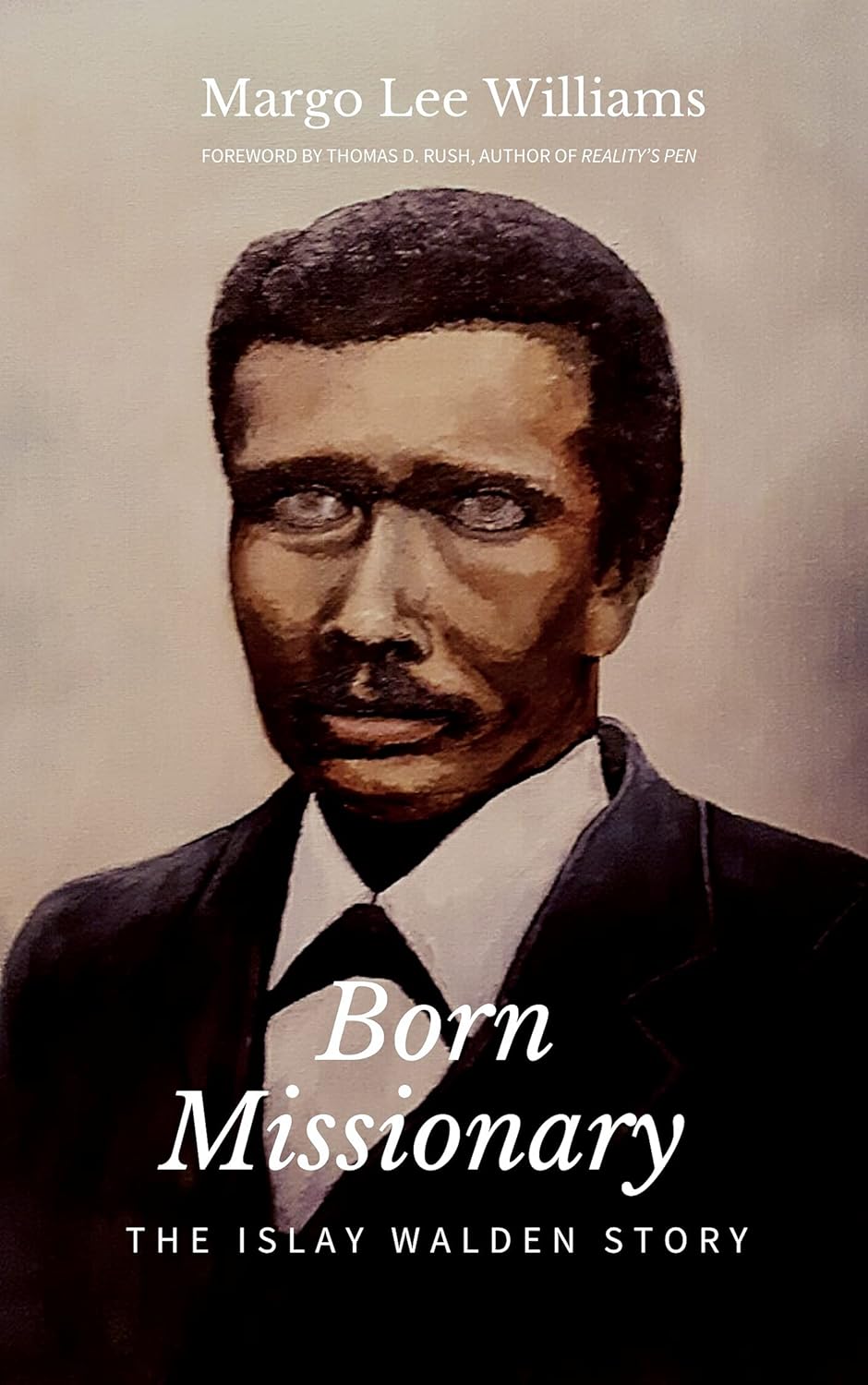

Margo Lee Williams’s Born Missionary tells the remarkable life story of Islay Walden, a man born into slavery who overcame blindness, poverty, and prejudice to become an educator, poet, and minister. The book traces his journey from the plantations of North Carolina to the halls of Howard University and the New Brunswick Theological Seminary, where he became one of the first African Americans ordained in the Reformed Church in America. Through meticulous research and a clear narrative voice, Williams reconstructs a life of faith and resilience. She doesn’t just recount events. She restores the humanity and voice of a man who was almost lost to history.
Reading this book stirred something deep in me. I could feel the grit in Islay’s story. His persistence through blindness and hardship hit me hard. The way Williams weaves letters, poetry, and newspaper clippings into a vivid picture of his struggles makes the past feel close. Her writing feels both scholarly and warm, and she lets the historical documents breathe. I’ll admit, there were moments when the detail slowed me down, but I didn’t mind. The care she took made me trust her. I found myself rooting for Islay, not as a distant historical figure, but as someone I might have known. Williams also captures the contradictions of his time, the faith that built him up, and the racism that tried to keep him small.
Emotionally, I found myself angry, proud, and sometimes just quiet after reading a passage. Williams doesn’t sermonize; she shows the quiet power of purpose. Her portrait of Islay’s devotion to teaching and preaching made me think about how education itself was a kind of rebellion. I liked how she handled the tension between his poetry and his ministry. You can sense that both were ways for him to see beyond blindness, to express what light looked like to him. It’s moving without ever feeling forced.
I’d recommend Born Missionary to anyone who loves history that feels alive. It’s perfect for readers interested in African American heritage, the Reconstruction era, or stories of perseverance that don’t sugarcoat the past. Teachers, pastors, and anyone who believes in second chances will find something here. It’s not just a biography, it’s a reminder of how one life, lived with courage and faith, can echo through generations.
Pages: 121 | ASIN : B091MF5B48

Nothing So Broken
Chris Richards’s Nothing So Broken is a heartfelt memoir that weaves together family, friendship, and the long shadows cast by war. It’s told through a lens that shifts between generations, the Vietnam experiences of Richards’s father, and the tangled, messy journey of growing up in small-town America. The book captures what it means to inherit pain without ever being in the war yourself. It’s not just a story about Vietnam or divorce or youth; it’s about how those things mix together to shape who we become. Richards writes with a storyteller’s rhythm, turning memory into something vivid and cinematic, but also deeply personal.
The writing feels alive, sharp and tender at once. The way Richards talks about fathers and sons, love and loss, is both funny and painful. Some scenes had me smiling because they reminded me of my own childhood, while others just sat heavy in my chest for hours afterward. The tone is conversational, like he’s sitting across from you with a beer, just telling you how it all went down. The shifts between boyhood memories and reflections on his father’s war experiences work beautifully. They pull you into the idea that trauma doesn’t stop at the person who lived it. It seeps into the next life, quiet and steady. His language is simple, but it hits deep, no fluff, just truth.
The family stuff, especially the divorce and the father’s illness, his a deep emotional chord. But I loved that honesty. Richards doesn’t clean up the mess or try to make anyone a hero. Everyone is human, flawed, and trying their best. That’s what makes the book work. The emotional range, grief, humor, confusion, hope, feels real because life feels like that. He captures that strange middle ground between heartbreak and gratitude, and it made me feel like I knew these people, like I’d grown up right next door.
If you’ve ever wondered what it’s like to live with the echo of someone else’s war or if you just like stories about complicated families and growing up, this one’s for you. I’d recommend Nothing So Broken to anyone who appreciates honest, character-driven stories that don’t sugarcoat real life.
Pages: 201 | ASIN : B0FCSHMDMW

Every Journey is Valid
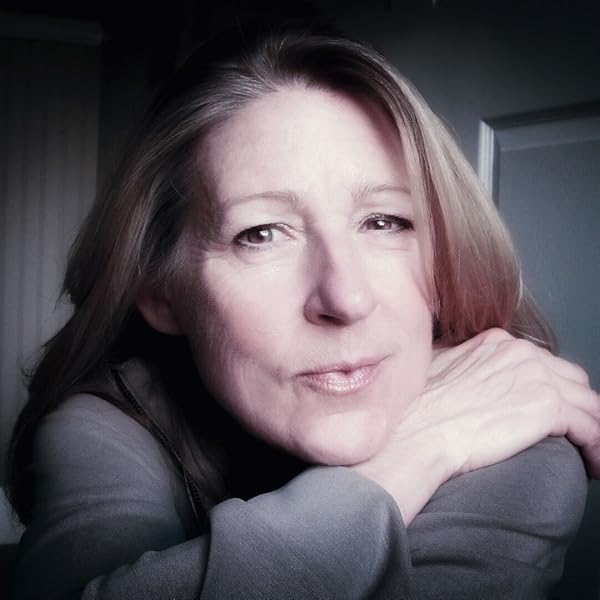
In Barely Visible, you share the heartbreaking loss of your daughter and the challenges and victories that come with raising a son with autism. Why was this an important book for you to write?
I was 5 1/2 months pregnant with our daughter when it was discovered that something was seriously wrong. Dozens of tests revealed a very rare duplication of chromosome 9p. We were told that if she survived, she would have no quality of life—yet she would look normal. That struck me hard.
At seven months, we faced the devastating decision to end the pregnancy. I truly believe we were never meant to walk down that path. Even if her physical features appeared normal, our daughter’s disability would have been readily apparent. People would have looked upon us sympathetically. They would have granted us accommodations and leeway because they would have been able to see that it was an unworkable situation. Her behaviors would have been accepted without explanation.
Instead, we were destined to face the challenge of parenting a child whose disability is not readily visible. On the surface, my son looks like every other kid out there, but he interprets and reacts to the world in ways that most people don’t understand. It’s as if he’s trying to navigate an unfamiliar landscape with a map written in a language he doesn’t speak.
As a parent, you want to protect your child—you want to shield them from criticism and discomfort, and for others to see them in a good light. Learning when to step in and advocate for your child, versus stepping back and allowing situations to fall apart so they can learn to navigate on their own, demands tremendous foresight and strength. Watching them be bullied because they are a bit “different” is heartbreaking. Seeing them miss out on opportunities because they “don’t quite measure up” is discouraging. Knowing that it is all beyond their control is devastating.
It was important for me to share it all because living with—and parenting—an invisible disability is often a lonely and misunderstood journey. The world isn’t always kind to those who “look fine” but struggle in ways that aren’t immediately apparent. I wanted people to understand that just because a challenge isn’t visible doesn’t mean it isn’t real, or worthy of empathy, support, and compassion.
Writing Barely Visible allowed me to process my own grief, frustration, and ultimately, pride. It gave me space to honor both of my children, while having the chance to connect with other parents and individuals who are walking similar paths, often in silence. It’s a reminder that every journey is valid—whether it’s clearly marked or barely visible.
I appreciated the candid nature with which you told your family’s story. What was the hardest thing for you to write about?
The failures! There were so many along the way, it seems—a first baby with a severe chromosomal disorder, a second child with a disability, a failed marriage, a decision to ignore our son’s diagnosis, not taking the time to understand the cause of his behaviors once we did accept it, the countless missteps we made because we never educated ourselves—and so on. Granted, not all those circumstances were within our control, but they still felt like failures nonetheless. It’s difficult to acknowledge, not only to yourself, but to the world, that you buried your head in the sand, made poor choices, put your own needs first at times, and stumbled. But to admit anything less wouldn’t help anyone.
Writing about my failures forced me to confront the version of myself I’d rather forget—the scared, overwhelmed, sometimes selfish and stubborn version—the one who made decisions I regret. The minute you relive all those low moments on the page, in full view of others, they become real again in a much greater way. Suddenly, they’re exposed and permanent—and the only thing to do is own them.
Growth doesn’t come from pretending we got it all right. It comes from being willing to look back, acknowledge the hard truths, and do better moving forward. I’ve learned that it’s okay to get it wrong, as long as you keep showing up and you’re willing to learn.
What is one misconception you think many people may have about children with autism?
Because the spectrum is so broad, I can’t speak about misconceptions concerning all children with autism, but I can share from my experience as the parent of a high-functioning son and how that label creates unrealistic expectations—mainly, an assumption of success. People believe that because a child is “high-functioning,” they’ll be just fine, that they’ll somehow grow out of their limitations or eventually learn to manage them.
On the surface, my son looks like every other young adult beginning his journey in the real world. He has a college degree and a job; he drives a car, plays sports, and is even pursuing a modeling career. It gives the appearance that “he’s got this.” But the truth is far more complicated.
The moment he reacts to a situation in a way that falls outside the norm—in a way that isn’t considered socially acceptable—he’s suddenly judged differently. He’s viewed as being rude, poorly disciplined, or lacking self-control. The strengths that make him appear just fine on the surface mask the challenges he faces every day.
High-functioning doesn’t mean he doesn’t struggle and need support. It doesn’t automatically equate to maturity, independence, or the ability to think critically in every situation. What it means is that his difficulties are simply less visible, and people don’t take the time to understand him or make space for him. It’s easier to say, “He’ll be fine,” than it is to recognize the effort it takes for him to get through each day and do the hard work of accepting, understanding, and supporting him. As a result, he ends up vulnerable to judgment and isolation.
What is one thing you hope readers take away from your experiences?
None of us is perfect, and parenting is hard, period. But when you’re raising a child who isn’t neurotypical, the challenges multiply. It’s okay to struggle. It’s okay to feel overwhelmed, frustrated, and exhausted. That doesn’t make you a bad parent; it makes you human.
What I hope readers take away is this: even when you feel like you’re failing, even when you’re taking three steps back, you are still moving forward. You’re still by your child’s side, day after day, doing your best and loving them. That’s what matters most. I want parents, especially those raising high-functioning autistic children, to know that it’s never too late to do better. Get vocal—not just with the world, but with your child. Talk to them. Teach them who they are. Help them understand how their brain works. Instill confidence and empower them to self-advocate. I wish I had done that sooner. I didn’t—and I’m making up for it every day.
Author Links: GoodReads | Facebook | Website | Instagram | Amazon
When your child is diagnosed with autism, a million questions come to the surface and fear sets in. The discovery that they are high functioning comes as a relief—it may enable them to disguise their shortcomings. Or it may create additional problems.
Barely Visible is not a heroic tale of a champion parent. It’s a candid memoir of one mother’s struggle with the gray space between her son appearing one way on the surface, yet being quite different beneath it. Walking that fine line between when to say something and when to bite your tongue, hoping your child can handle life on his own, requires tremendous foresight and energy. How do you convince others to “cut your child some slack” when the kid they see looks like every other kid they know? How do you explain away behavior that, at face value, looks like the result of bad parenting? And how do you prevent others from discriminating against your child once you do disclose their disability?
Chronicling a journey spanning twenty-three years, Barely Visible is a mother’s admission of guilt for choosing to ignore her son’s diagnosis initially; acceptance of defeat, for rarely knowing the right thing to do; and an acknowledgment of love—not only for her son, but also for herself.


