Blog Archives
Upward Mobility

In This Is How We Heal from Painful Childhoods, you provide readers with a guide for dealing with childhood traumas that leave an impact far into adulthood. Why was this an important book for you to write?
Throughout the doctoral program for my PhD in clinical psychology, I searched for a comprehensive program to address the many complex issues present in family environments that allowed for repeated trauma and dysfunction. While I learned many fantastic therapeutic approaches to treating trauma, I found that they addressed several key parts of the trauma picture while ignoring other critical components. And so I set out to create a more complete list of variables, along with solutions and guidance to address each variable. And it only took me 14 years to complete!
What is a common misconception you feel people have about growing up with a dysfunctional family dynamic?
So many young adults believe that all they have to do is get free of their dysfunctional family by getting a solid job and their own independent place to live, which usually works for about a decade until their late 20’s and early 30’s when the less obvious (but very damaging) lingering habits and unhealthy thinking prevent personal thriving and happiness. It is not until they learn about self-sabotaging cycles, interpersonal control dynamics, and other natural consequences of the dysfunctional family dynamic that these survivors are able to truly break free from their family’s trauma history.
Can you share with us a little about the research required to put your book together?
First of all, for many years I have directly served clients struggling with complex post-traumatic stress disorder (C-PTSD), like at the National Center for PTSD at the Veterans Affairs Palo Alto Healthcare System (amongst other places) where I studied and worked for 4 years in graduate school. Secondly, through continuing education programs, I purposefully learned many of the empirically validated therapies for treating trauma (EMDR, biofeedback, mindfulness, ACT, DBT, etc.). Third, by 2015, I had created my curriculum that included 13 variables that I turned into ‘rules’ that were easier for my clients to memorize and integrate into their lives. By 2017, the list had grown to 20 rules. By 2020, the 20 rules curriculum was highly refined and had successfully helped my clients and me address their family dysfunction in a comprehensive and detailed fashion. It was time to put the curriculum into book format!
What is one thing you hope readers can take away from This Is How We Heal from Painful Childhoods?
The lifestyle of upward mobility!! There is no one technique, one concept or skill, or one action that will heal a survivor and prepare them for a healthy, stable, happy life with their own successful relationships and family. So, much like the lifestyle of the martial artist, thriving survivors of childhood struggles have adopted a lifestyle of self-education, training, and self-empowerment that comes with tremendous challenges and victories throughout their lives. They just keep learning in their therapeutic activities–year after year–the many skills and insights that enable them to successfully handle life’s many challenges, as well as pass on their hard-learned education to the next generation!
Author Links: GoodReads | Facebook | Website 1 | Website 2
During prolonged periods of chronic stress, family traumas, or dysfunctional family dynamics, your young brain likely created deeply ingrained physical and mental habits to help you survive. Unfortunately, these habits and core beliefs work against your adult life and relationship goals.
Even if you did not directly experience childhood abuse or neglect, you have likely felt the harmful effects of intergenerational (generational) trauma from your family, inherited as genetic issues or passed along through skills deficits and dysfunctional relationships. When these ancestral issues go unaddressed, we hand them down to the next generation. Natural responses to childhood stress can include:Chronic anxiety symptoms
Unhealthy, chaotic, or toxic relationships
Survival-based thinking (short-term, defensive, distrusting)
Personal or family substance abuse (or addictions like gambling, work, porn)
Unstable work life
These perfectly normal reactions to a painful childhood do not automatically go away when you grow up! Recovery from such childhood experiences is challenging but quite possible when motivated survivors utilize self-education, therapy, and skills building to empower themselves.
This book presents 20 key concepts for comprehensively thriving past your stressful childhood. While many books focus on two to three of these issues in depth, they typically leave out entire concepts critical to beast-mode thriving! This book offers guidelines for you to develop yourself as an individual before moving on to enhancing your interpersonal functioning. Each chapter explains key concepts before offering solutions with realistic healing exercises to develop healthy habits that will help you heal and ultimately thrive! Here are just a few of the 20 rules:Trauma lies are just that…LIES
We must slow down to speed up
Practice treating yourself in a self-loving and self-respecting fashion
We are responsible for the decisions that we are aware of
It’s us against trauma world
This encouraging and reality-based guide was authored by Ernest Ellender, PhD, who has worked directly with trauma survivors from all walks of life since 1995. He combined insights from his clinical psychology doctorate education and career with training methods from his martial arts career (Jiu-jitsu black belt instructor) to create this comprehensive and effective curriculum for those on a healing journey toward emotional wellbeing.
Clients benefiting from this curriculum have included those struggling with mental health instability; those in codependent and dysfunctional relationships; single parents wanting to do better for their children; divorced parents struggling with healthy co-parenting; clients diagnosed with C-PTSD (complex post-traumatic stress disorder), ADHD, bipolar disorder, major depression, or dissociative disorders; clients whose prior therapists were poorly trained in trauma counseling and cptsd treatments; and parents seeking parenting tips to strengthen their family to prevent or minimize the impact of future traumas.
Following the guidelines of this book will lead to…More control, stability, and self-esteem
A daily life free of toxic shame!
Empathic and mature self-care and coping skills
Advanced self-advocacy and communication skills
Healthier, mutually supportive, and deeply engaged relationships when desired
The ability to articulate, set, and enforce healthier boundaries with both loved ones and toxic individuals
Positive parenting that fosters healthy families
A healthy lifestyle of healing and pursuit of long-term goals
Read less
This Is How We Heal from Painful Childhoods: A Practical Guide for Healing Past Intergenerational Stress and Trauma
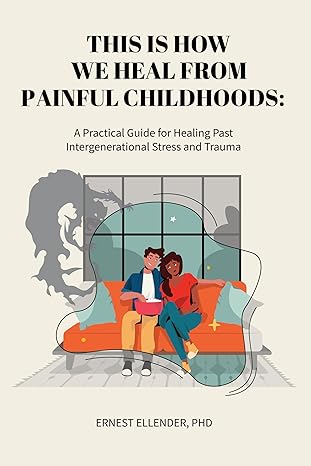

In This is How We Heal from Painful Childhoods: A Practical Guide for Healing Past Intergenerational Stress and Trauma, Ernest Ellender delves into the profound impact of childhood experiences on our adult lives. It’s a well-established notion that early childhood shapes our character and drives us through life. However, the journey is rarely without its challenges, and many of us carry the weight of childhood trauma into adulthood. Ellender’s book offers an insightful exploration of this trauma, particularly transgenerational trauma, and provides practical examples for beginning the healing journey.
Ellender emphasizes that transgenerational trauma doesn’t always stem from violence or horrific events; rather, it often arises from dysfunctional family dynamics that persist through generations. He asserts that now is the time to heal and grow from these inherited mistakes. The book is structured around 20 key points, or “rules,” designed to help readers overcome childhood trauma and live free from behaviors learned as self-protection mechanisms in childhood. One of the most compelling concepts in the book is the idea that “We must slow down to speed up.” This rule centers on the necessity of introspection. In our fast-paced lives, trauma doesn’t simply disappear; it requires deliberate and sustained effort to address and heal. To become stronger individuals, both for ourselves and those around us, we must take the time to engage in thorough self-work, allowing us to heal from our wounded pasts.
What sets Ellender’s work apart is its accessibility. Despite his academic background, the book is written in a relatable and comprehensible tone. It feels like a conversation with a trusted friend or a therapy session, making it easy for readers to connect with and learn from the material.
As someone with a background in psychology, I cannot overstate the importance of this book. Ellender’s career and expertise have culminated in a work that is invaluable for professionals in the psychology and mental health fields, as well as anyone struggling with past trauma or simply curious to learn more about the healing process. This is How We Heal from Painful Childhoods is a must-read for anyone on the journey to self-discovery and healing.
Pages: 367 | ASIN : B0CW1MJ1NH

You’re on Fire, It’s Fine: Effective Strategies for Parenting Teens with Self-Destructive Behaviors

In You’re on Fire, It’s Fine, Katie K. May tackles one of the most challenging aspects of parenting: dealing with teens who exhibit self-destructive behaviors. This book stands out with its candid exploration of the author’s personal experiences and her practical guidance for parents. May leverages her background in clinical counseling to offer insightful strategies to support teenagers through their emotional turmoil, making it a compelling read for parents feeling overwhelmed by their teens’ behavior.
May’s writing is deeply engaging and relatable, making the book not just a manual but a narrative with which many can connect. She opens with a vivid recounting of her own struggles, such as the turmoil following her parents’ divorce and her subsequent battles with self-harm and depression. These personal anecdotes ground the book in reality, making it clear that May’s advice stems from lived experience as much as from professional expertise. Her story about discovering a purpose beyond her pain when she became pregnant at twenty-six is both heart-wrenching and uplifting, providing a powerful backdrop to her professional insights.
One of the book’s strongest aspects is its emphasis on empathy and understanding. May’s chapters on “Drop the Judgments That Fuel the Emotional Fire” and “Extinguish the Flames with Validation” underscore the importance of dropping preconceived notions and validating a teen’s feelings. Her discussion on how judgmental environments exacerbate emotional issues offers a profound lesson on the impact of a supportive versus a critical home atmosphere. This empathetic approach is therapeutic and fosters a more harmonious parent-teen relationship. This straightforwardness makes her strategies accessible and actionable, providing a starting point for parents who might be at their wits’ end.
You’re on Fire, It’s Fine is an essential read for any parent grappling with a teen’s self-destructive tendencies. May’s blend of personal narrative and professional advice offers both solace and actionable steps. Her heartfelt recounting of her journey and her clear, empathetic strategies will resonate deeply with parents feeling helpless in the face of their teens’ struggles. This book is particularly valuable for those who appreciate a personal touch in self-help literature and seek practical guidance grounded in real-life experiences.
Pages: 156 | ASIN : B0D2DY857H
Freedom in Acceptance
Within Family: In Search of Genuine Belonging, you examine the various factors that impact family dynamics and provide insight into how to end the toxic patterns that plague family relationships. Why was this an important book for you to write?
There are two reasons making the writing of this book important to me. The first was my understanding of the power of boundaries which control the flow of affection, inclusion, decision making, problem solving and communication as well as trauma resulting when physical, emotional, or sexual boundaries are violated. I wanted to better understand what family constellations created particular kinds of boundaries. Secondly, I came to believe that people can more easily interrupt toxic patterns and legacies when they can identify the root of these dynamics.
Can you share with us a little about the research process required to write this book?
Much of my research came from listening to hundreds of clients offer reports regarding their families of origin.
What is one thing you hope readers can take away from your book?
My hope is that readers can take away a deeper understanding of the family role they played and see it as just that, a role, and not the cornerstone of their identity. When that occurs, people have more choice to claim how the role might serve them and let go of material that offers no substantial service. An example would be a person who occupied the role of hero being able to more fully accept their limits and the freedom which comes from such acceptance.
What is the next book you are working on, and when will it be available?
My current work is entitled “Living Intimately – Devotionally Serving the Generous Moment”. My hope is that it will be available during the summer of 2025.
Author Links: GoodReads
Through examining childhood roles and family expectations, readers are encouraged to step out of limiting beliefs and find their own path towards a healthy, whole love story. Dunion explores the concept of Enmeshment, where the family unit becomes the primary focus at the expense of individual interests, and the Estranged Family, where independence is valued above all else.
But the real power of Family lies in its ability to guide readers towards a more complete understanding of love, one that cherishes both the self and others. With practical advice on how to navigate emotional intimacy and address relational breakdowns, Dunion’s work is a profound invitation to find acceptance for where we come from while charting our own path towards individuation.
Whether you come from a family that embraces or rejects individuality, Family: In Search of Genuine Belonging is an essential read for anyone looking to create a more authentic, fulfilling life. Dunion’s insights and guidance offer a roadmap towards a whole love story that values both deep connections with others and a strong sense of self.
Family: In Search of Genuine Belonging

Family: In Search of Genuine Belonging, by Paul Dunion, EdD, is a thought-provoking exploration into the myriad ways children relate to their families, offering a profound look at family dynamics. This book delves into the psychological and spiritual aspects of maturing into adulthood, focusing on the transformative journey and underscoring the importance of personal development in positively impacting society.
Dr. Dunion begins the book with a set of intriguing questions related to security, belonging, and love. These are designed to be reflective touchpoints for readers as they delve deeper into the text, encouraging a thoughtful examination of how family relationships shape one’s interaction with the world. The text navigates various family structures and dynamics, such as “The Enmeshed Family” or “Too Much Family,” “An Estranged Family” or “Not Enough Family,” “The Looking Good Family,” and “The Shame-Based Family.” This exploration offers a comprehensive understanding of key family aspects like communication, problem-solving, decision-making, and boundary-setting. It also touches on the more nuanced themes of affection, learning, and authority within family units.
Echoing the sentiments of Virginia Satir, Dr. Dunion posits the family as a microcosm of society. He argues that global change is rooted in the transformation of familial relationships and structures. By examining elements such as power dynamics, intimacy, autonomy, trust, and communication, the book extends its relevance beyond family to include societal interactions. For readers with an interest in psychology and spirituality, this non-fiction work stands out for its clarity and accessibility. Dr. Dunion’s rigorous research and structured approach, combined with thoughtful quotations and compelling metaphors, enrich the reading experience.
Family: In Search of Genuine Belonging not only engages and enlightens but also offers pragmatic tools for personal development and healing. It is a recommended read for those grappling with family dynamics or seeking deeper insights into the intricacies of life.
Pages: 228 | ASIN : B0CW6H1JYW
This is Not a Parenting Book
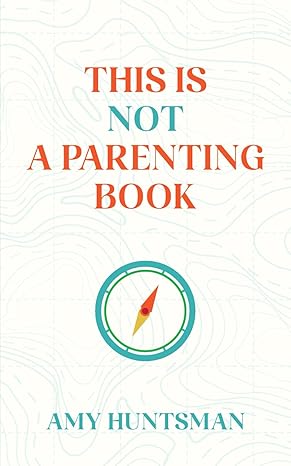

This is Not a Parenting Book by Amy Huntsman offers a refreshing and inclusive perspective on child-rearing, blending established educational philosophies with contemporary research. The book’s structure, dividing key concepts alphabetically from ‘A to Z,’ makes it an accessible and practical guide.
Huntsman’s writing style is engaging and insightful, striking a fine balance between professional advice and empathetic understanding. The book stands out for its emphasis on the Respectful Care® approach, which highlights the importance of nonjudgmental and inclusive practices in parenting and child care. Her use of real-world examples makes complex theories relatable, and the reflection exercises included with each concept encourage active engagement from the reader.
The alphabetical arrangement of topics from ‘Acknowledgment’ to ‘Zone of Proximal Development’ serves as an educational tool and handy reference for parents and caregivers. This structure, along with the appendix’s inclusion of helpful scripts and catchphrases, ensures that the book is a practical resource for day-to-day parenting challenges.
While the book covers a broad range of topics, some readers might seek a deeper exploration of certain complex issues. However, its breadth makes it a valuable starting point for anyone involved in child care.
Amy Huntsman’s book is like a treasure chest of ideas for anyone involved in raising kids. It touches on a whole bunch of topics, which means it doesn’t always dive super deep into every single issue. But I feel that’s actually part of its charm. It’s kind of like having a friendly, knowledgeable guide that gives you a great overview and starting points, making it perfect for anyone stepping into the world of child care. I found the book to be very helpful and packed with insights and practical tips.
This is Not a Parenting Book is recommended for parents, educators, and caregivers seeking a holistic and respectful approach to child-rearing. Its practical guidance, grounded in research and real-life examples, makes it a valuable resource for anyone looking to understand and implement inclusive and empathetic childcare practices.
Pages: 189 | ASIN : B0CQ2SLFRP

The Best Form of Health Care

Conversations With My Daughter: How to Have a Healthy Baby looks at the rise in infertility issues and illness in children, what the cause of this increase is, and how to make changes that will lead to a healthy baby. Why was this an essential book for you to write?
As a Naturopath my focus is on health and wellness. Starting at the very beginning – that is, with a healthy baby – seemed the best place to begin. Prevention has always been the best form of health care and preventing illness in babies/children must be the foundation for a healthy future.
How much research did you undertake for this book, and how much time did it take to put it all together?
Indirect research covered the past 20 years in clinical practice from the first time I helped a woman conceive the child she had wanted for years to latest research and courses. Once I decided that this information needed to be shared and worked up the courage to start writing, it didn’t take long at all. Writing the initial draft of the complete book took about 8 weeks.
What is your background and experience in writing, and how did it help you write this book?
Writing was never a forte or love of mine. Attending university and college forced me to write essays which, one could see as the foundational training for writing a book. I wrote the book as if I were speaking to a patient in my clinic and hope that this is how it reads.
What is one thing that you hope readers take away from Conversations With My Daughter: How to Have a Healthy Baby?
Knowledge is power, and this equips every parent with the conviction that they CAN make a positive difference to the health of their child. In today’s society there seems to be a trend to just accept a diagnosis with very little questioning as to ‘why’ a problem exists. Explaining the human body, fertility and the pregnancy journey in light of modern-day living to the reader will hopefully empower them to take positive steps to achieve their desired outcome – having a healthy baby.
Author Links: GoodReads | Twitter | Facebook | Website | LinkedIn | Amazon
This book will provide answers to questions you didn’t even know to ask.
Written by an accredited practitioner of Australian Traditional Medicine Society, Dagmar Ganser.
At last a book that delves into why so many children are born unwell or go on to develop debilitating illnesses. An easy to understand insight into the myriad of contributors to illness. Learn how to stop the illness continuum right at the beginning – ensure your children are born healthy. A must read for both women and men.
Dagmar instills years of her medical experience along with thorough scientific research which cultivates into a significant resource for all prospective parents. Be empowered rather than overwhelmed by understanding how your body works and what you pass on to your baby. Once you realize that you can make a difference and ensure your children, and your grandchildren, have the best chance at long healthy lives, you will ask the question, “Why aren’t we told these things?”
In this book, you’ll learn how to:
Optimize Newborn Health: Explore the correlation between parental well-being and child health, making informed lifestyle choices to promote the well-being of your newborn.
Improve Your Fertility: Empower soon-to-be parents with the resources needed to enhance their chances of conception in a context of decreasing fertility rates.
Focus on Environmental Impact: Special attention is given to the environmental factors that can affect health, emphasizing the potential transfer of toxins to future generations. This insight encourages you to consider the broader impact of your immediate surroundings.
Evaluate Your Lifestyle: Contemporary lifestyles can directly and unknowingly impact health. The book explores the influence of factors such as diet and habits on overall well-being.
“Based on extensive research and lived experiences, Ganser collects the most significant elements that’ll aid women, alongside their partners, in adopting an all-around healthy lifestyle that, by default, will blend into their own children, creating a purposeful, positive impact.
Filled with details… each point the author exposes is backed up by evidence, adding weight to the warnings provided. In the book, readers are shown how to recognize the way in which our modern lifestyles directly and unsuspectedly impact our health. Because of this, particular attention is given to what we eat, breathe, and surround ourselves with. Every toxic particle in our immediate environment will have the potential of not only affecting us. Still, it can also be transferred to our future offspring, negatively affecting their physical and mental health. Even though at first all of the modern problems exposed will seem overwhelming, by the end, each chapter will have fully wrapped up possible and feasible solutions to deal with them. The only thing necessary will be cultivating a strong will to remain on the path toward a healthy lifestyle.
This is a well-researched and deeply impactful book with key medical advice that will lead you and your children on a healthier path. Even though the book mainly focuses on women, current mothers, and mothers-to-be, anyone can find useful tips in it, given that the overall solution for nurturing healthy babies comes first by having a healthy life.”
Karen Almeida, Assistant Editor
Literary Titan
Pick up your copy today for a deep dive explanation on all things that will set up your conception for having an incredibly healthy and happy baby!
Conversations With My Daughter: How to Have a Healthy Baby

Conversations With My Daughter: How to Have a Healthy Baby is Dagmar Ganser’s solution for women worldwide to raise healthy babies. Based on extensive research and lived experiences, Ganser collects the most significant elements that’ll aid women, alongside their partners, in adopting an all-around healthy lifestyle that, by default, will blend into their own children, creating a purposeful, positive impact.
Filled with details, the book is divided into chapters to guide women through the many steps that should be taken to guarantee a healthier life for their children. Each chapter covers a particular topic following the timeline of pregnancy: from conception until childbirth and even sometime after that. The book’s structure makes it perfect to follow through the whole child-bearing journey. The first step towards developing a healthier life with healthier children starts with being aware and attentive to the problems: your own actions could be the main ones needed to guarantee their health.
Readers will find the main theme quite a compelling one. Each point the author exposes is backed up by evidence, adding weight to the warnings provided. In the book, readers are shown how to recognize the way in which our modern lifestyles directly and unsuspectedly impact our health. Because of this, particular attention is given to what we eat, breathe, and surround ourselves with. Every toxic particle in our immediate environment will have the potential of not only affecting us. Still, it can also be transferred to our future offspring, negatively affecting their physical and mental health. Even though at first all of the modern problems exposed will seem overwhelming, by the end, each chapter will have fully wrapped up possible and feasible solutions to deal with them. The only thing necessary will be cultivating a strong will to remain on the path toward a healthy lifestyle.
Conversations With My Daughter: How to Have a Healthy Baby is a well-researched and deeply impactful book with key medical advice that will lead you and your children on a healthier path. Even though the book mainly focuses on women, current mothers, and mothers-to-be, anyone can find useful tips in it, given that the overall solution for nurturing healthy babies comes first by having a healthy life.
Pages: 179 | ASIN : B0CJM7QX6D


