Blog Archives
No Borders for Truth
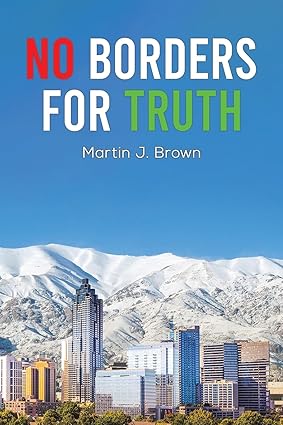

Set against the tumultuous backdrop of the 1970s, No Borders for Truth, by Martin J. Brown, unfolds across two worlds, a family in Iran, entangled in the upheaval of revolution, and another in New Jersey, navigating the quiet devastation of loss. At its heart is Shideh, a perceptive, introspective girl watching her sister drift into the tide of rebellion sweeping through Tehran. Across the ocean, Richard grapples with his own burdens, abandoning personal aspirations to support his grieving family, haunted by his father’s final words. The novel thrives on what remains unspoken silence, carrying the weight of unresolved tension, loss, and fate’s inexplicable intersections. Two souls, untethered by grief, cross paths without fully understanding what forces have drawn them together.
Brown’s portrayal of women in this story is especially striking. Shideh’s mother, a figure of quiet resilience, prays through the night, her whispered faith a thread holding her family together. Shideh herself, torn between helplessness and hope, clings to what remains. Then there is Mahin, adrift in loss. The echoes of Esteri’s death, her vibrant curiosity extinguished in the flames of the Cinema Rex fire, linger hauntingly through Shideh’s narrative. Iranian history, so often sidelined in Western literature, breathes fully in these pages. From the orange groves of Tehran to the creeping suffocation of an emerging regime, every detail is rendered with immersive precision.
From the opening pages, Brown’s prose reads like poetry, vivid, meticulous, and arresting. Each sentence lands with precision, demanding the reader’s full attention. While their paths intertwine meaningfully, the novel remains steadfast in its refusal to become a love story. Instead, it is a meditation on family, exile, and the scars left by revolution and war. The pain of leaving home in search of something better while still yearning for the familiar is captured with heartbreaking authenticity.
What lingers most is how the novel treats history not as a backdrop but as a living force, shaping and shattering lives. The fear in Shideh’s home, the tension in the streets, and the gradual loss of a place that once felt safe all seeps into the narrative, inescapable and raw. Meanwhile, Richard’s grief mirrors this displacement in a quieter, more insular way. Their connection, subtle yet significant, reinforces the novel’s central theme: history, grief, and the indelible imprints left on those who are forced to leave everything behind.
I highly recommend No Borders for Truth to readers who appreciate historical fiction that is both intimate and immersive. This is a story of faith, sacrifice, and the bittersweet reality of gaining something while losing something else. With its lyrical prose and deeply human characters, it is a novel that lingers long after the final page.
Pages: 211 | ASIN : B0DMK8KV9W

Vivid Visions: Tales Woven from the Threads of Diverse Imaginations: A Short Story Collection

Vivid Visions by Seyed Mosayeb Alam is a vibrant anthology of short stories that dives deep into the complexities of the human experience. From supernatural mysteries to poignant reflections on love and loss, each tale is a mosaic of emotions and ideas. The collection thrives on its ability to unsettle and provoke thought, leaving readers with lingering questions about their own memories, regrets, and fears.
The writing in this book is fantastic, blending vivid imagery with an emotional depth that hits home. For instance, in “The Memory Auction,” Alam crafts a haunting narrative about Elara, whose purchase of a memory sparks a desperate quest for meaning. The scene where Elara holds a memory of a child calling her “Mom” is heartbreakingly evocative and sets the tone for the collection’s exploration of identity and loss. The way Alam interweaves personal grief with speculative elements feels raw and authentic.
The ideas behind the stories often resonate more than the execution. In “Unseen Bruises,” the metaphor of physical marks appearing from emotional wounds is compelling and the story’s twist—revealing the protagonist’s connection to her own imagined tormentor—was intriguing. But I found myself torn between admiration for the story’s ambition and a desire for tighter pacing. Alam seems most at ease when leaning into psychological unease, but occasionally the plots meander, diluting their emotional punch.
One of my favorite stories, “Love’s Last Dance,” is where the collection truly shines. Michael’s tender final moments with his wife, who mistakes him for her first love, is very moving. The emotional complexity is staggering, as he chooses to accept her fading memories rather than shatter her joy. This story encapsulates the theme of selflessness in love and left me teary-eyed, reflecting on the nature of relationships and identity.
Vivid Visions is a book for anyone who enjoys fiction that blends speculative and emotional elements. It’s perfect for fans of Neil Gaiman or Ray Bradbury—authors who similarly explore the strange and beautiful intersections of reality and imagination. The collection as a whole succeeds in painting a rich tapestry of human vulnerability. Alam’s writing is heartfelt, his imagination vivid, and his ability to stir reflection is undeniable.
Pages: 171 | ASIN: B0DRGJHT55
Brotherhood of the Wolf: The Lesser Evil


Brotherhood of the Wolf: The Lesser Evil, set in the early fifteenth century during the turbulence of the Ottoman Empire and Byzantine struggles, is a dark and compelling tale of political intrigue, familial secrets, and supernatural forces. The story follows Nikephoros, a young noble of Constantinople, as he navigates a city on the brink of chaos and confronts the sinister undercurrents that threaten its fragile balance. Through shadowed tunnels, whispered conspiracies, and a chilling supernatural twist, the book explores the line between protection and malevolence, often blurring them in intriguing ways.
Ezra LC and Wes Al-Dhaher have crafted an enthralling atmosphere with their evocative writing. Constantinople comes alive with bustling streets, fragrant markets, and a sense of history that lingers in every brick. The scenes in the tunnels, especially Nikephoros’s harrowing encounter, are downright spine-tingling. The authors balance vivid descriptions with the tension of the unknown, leaving readers simultaneously captivated and unsettled. The writing shines in quieter moments too, like Nikephoros’s awkward but endearing interactions with his mother, Polychronia. These moments ground the story and provide emotional stakes amid the chaos.
Nikephoros is relatable, but his journey occasionally leans on predictable beats of youthful naivety turned courage. Polychronia, however, is a standout. Her layered role as a loving mother harboring dark secrets is masterfully portrayed. The revelation of her involvement in the city’s supernatural web is heart-wrenching yet satisfying. I couldn’t stop thinking about the scene where she confronts Fausta, a character as enigmatic as she is terrifying, hinting at larger forces at play. The book excels in blending historical realism with supernatural horror. The tunnels under Constantinople, the eerie descriptions of the “tall, slender figure,” and the unsettling rituals kept me hooked. That said, I believe certain plot elements felt somewhat underexplored and deserved more closure.
Brotherhood of the Wolf: The Lesser Evil is a thrilling read that will appeal to fans of historical fiction, dark fantasy, and horror. It’s perfect for those who appreciate rich world-building and morally complex characters. It’s an unforgettable tale of how far we go to protect what we love and the evils we might justify along the way.
Pages: 28
Jigsaw: Beginnings: Second Edition
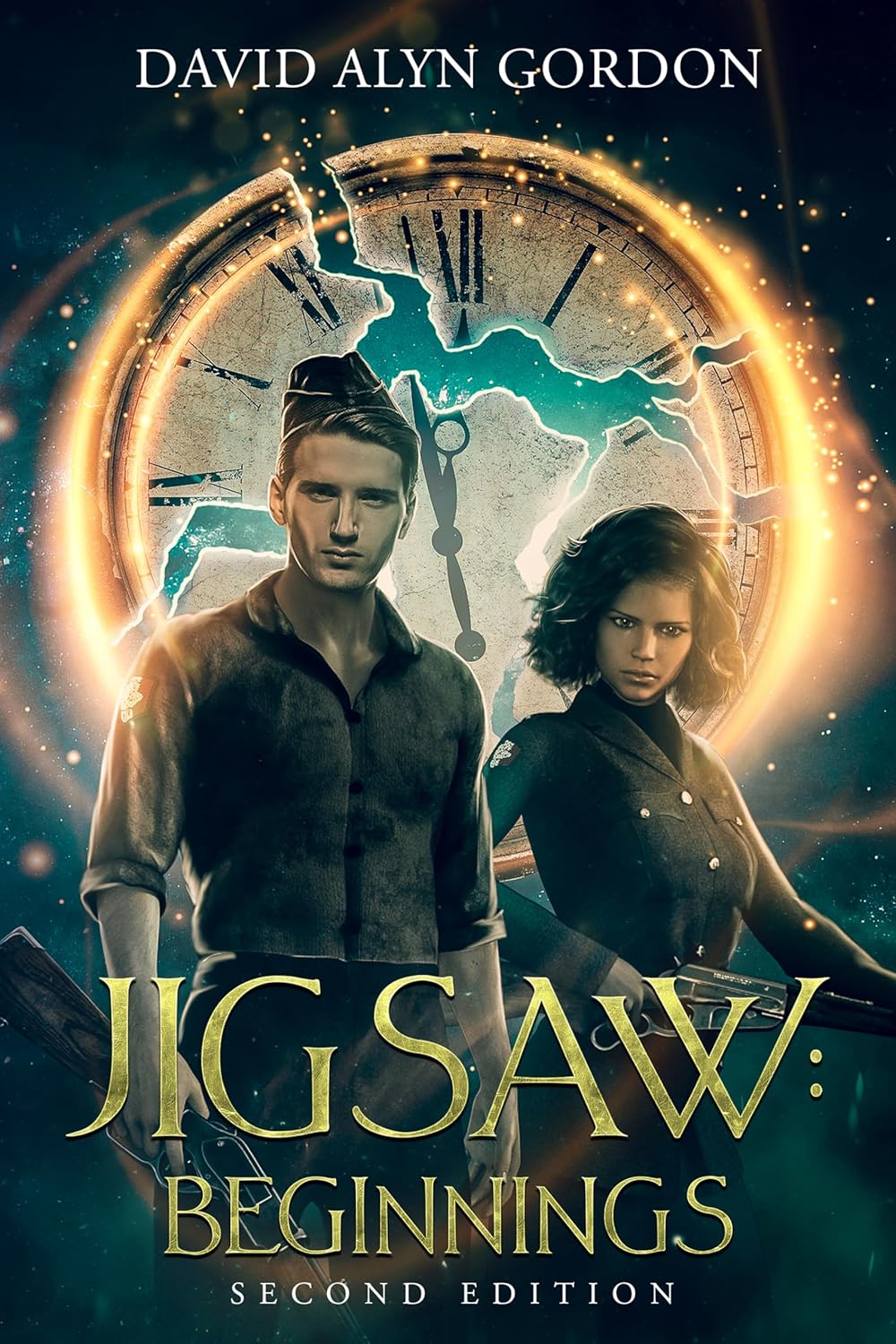
David Alyn Gordon’s Jigsaw: Beginnings is a multifaceted tale that intertwines historical intrigue with modern-day adventure. The narrative pivots between World War II, where a dangerous teleportation experiment is being developed, and a contemporary group of students embarking on an educational trip to Italy. The book blends a tense scientific conspiracy with a coming-of-age travel story, creating a gripping exploration of history’s long shadow on the present.
The writing switches between sharp historical drama and lighthearted modern banter, giving the book an eclectic rhythm. The wartime scenes, particularly the character of Colonel Angelo and his ruthless manipulations, are chillingly vivid. I found the prologue’s depiction of Dr. Saberstein’s sacrifice compelling, it sets a gripping tone for the stakes involved. On the other hand, the contemporary sections featuring Noah and Mariah capture a different energy, one that’s humorous and relatable. However, at times, the transitions between these two tones feel abrupt, and I wished for smoother integration.
Gordon’s characters are distinct and memorable. Colonel Angelo and Professor Klein stand out with their moral complexities, especially Klein, whose reluctant collaboration with the Fascists is both heartbreaking and thought-provoking. On the other hand, the modern characters sometimes feel a bit familiar, with certain dialogue reflecting common teenage tropes. Still, moments like Mariah’s near-accident in Genoa inject genuine tension, reminding us how history and danger intersect in unexpected ways.
The book excels in its portrayal of the setting. Gordon paints Italy, both past and present, with a vibrant palette. From the chaos of wartime Voltri to the bustling charm of modern Genoa, the locales feel alive. I appreciated the juxtaposition of the students’ carefree tour with the weighty historical secrets beneath their feet.
Jigsaw: Beginnings is a bold and ambitious story that will appeal to fans of historical fiction and young adult adventure alike. Its vivid settings and compelling stakes make it a rewarding read. I’d recommend it to anyone who enjoys a mix of historical depth and modern relatability, especially readers curious about how past actions ripple into the present.
Pages: 196 | ASIN: B092YS1SSJ
Calypso’s Longing, A Woman’s Odyssey of Love

Have you ever picked up a book and felt like it was whispering secrets straight to your soul? That’s how I felt reading Calypso’s Longing. This isn’t your typical rehash of Greek mythology—it’s a poignant and deeply personal reimagining of Calypso’s story, written like a love letter to every woman who has loved, longed, and lost. It feels like stepping into someone else’s heart, and I couldn’t put it down.
The novella begins with Calypso, the goddess from Homer’s Odyssey, pouring her heart out about love, betrayal, and self-discovery. She’s no longer just the seductress who kept Odysseus captive here, she’s a fully realized character with dreams, regrets, and a fierce tenderness. The diary-style narration brings a beautiful intimacy to her tale.
What struck me most was the poetic flow of the writing. Every sentence pulses with rhythm and emotion. In “From Eternity,” Calypso confesses a love so deep it feels otherworldly: “Know that I exist because you exist. Know that your lips are full to receive my kiss.” Lines like these stayed with me. The author has a gift for capturing both the ecstasy and agony of love, and you can feel the weight of every word. I especially loved the way the story tied contemporary emotions to mythological settings—it’s like Calypso’s heartbreak and longing transcend time and space.
The vivid imagery of Ogygia, with its crystal caves and mythical vibes, is undeniably beautiful but at times overindulgent. However, when the focus shifted back to Calypso’s emotions—her loneliness and yearning—it pulled me right back in. The chapters where she challenges the gods’ narratives about her life (especially her quiet defiance against Athena and Zeus) were particularly powerful.
One thing I didn’t see coming was how sensual the book could be. Calypso’s feelings for Odysseus are written with so much heat and vulnerability that it almost feels voyeuristic at times. There’s an unapologetic boldness to poems like “Ulysses’ Candy” and “For the Sex of It.” These moments are electric, but they might be too much for readers who shy away from such candid passion. Personally, I appreciated the honesty—it felt like the goddess was reclaiming her narrative, her body, and her love.
Calypso’s Longing is a celebration of love in all its messy, complicated forms—romantic, selfless, and even destructive. It’s a book for dreamers and lovers, for anyone who has ever felt like they were waiting for something that might never come. If you’re a fan of mythology with a twist, or if you just want to lose yourself in a story that feels both ancient and achingly modern, give this one a read.
Pages: 237 | ASIN: B0DSK39HP8
A Meticulous Plan
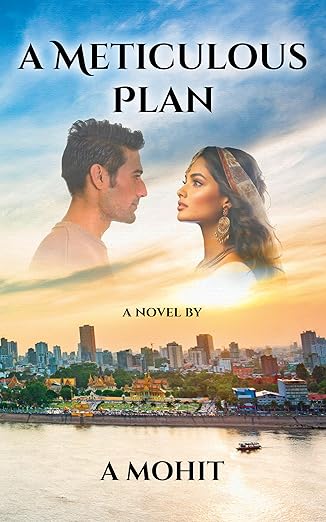
A Mohit’s A Meticulous Plan tells the intertwined stories of generational love, sacrifice, and resilience amid political chaos and personal strife. Set against the backdrop of the Second Freedom Movement in Bangladesh, the narrative weaves together tales of Hindu and Muslim families navigating their shared humanity during civil unrest. It’s a story of both intimate relationships and sweeping societal commentary, tackling the themes of unity, faith, and compassion in a divided world.
I found the book’s exploration of cultural and generational dynamics both heartfelt and thought-provoking. Mohit paints vivid characters, especially through Bakhtiar and Pooja’s serendipitous love story. Their initial meeting in Bangkok is electric yet understated, showcasing the tension between cultural expectations and individual desires. The writing occasionally borders on melodrama, but it effectively underscores the emotional weight of their encounters. The restaurant voucher incident, where Bakhtiar’s humility and Pooja’s quiet strength shine, sets the tone for their layered connection.
That said, some passages felt overly descriptive, bogging down the narrative’s momentum. For instance, the detailed recounting of historical sites, like the Ramnagar Fort and the Varanasi Ghats, while informative, distracted from the plot’s emotional core. Yet, these digressions also enrich the story’s cultural tapestry, offering a deeper understanding of the characters’ environments and values.
Mohit’s ability to depict love’s transformative power was particularly moving. The subtle shifts in Bakhtiar and Pooja’s relationship from strangers to confidants are marked by tender moments, like their shared plane journey and their intimate conversations in Dhaka.
A Meticulous Plan is a poignant read for those who enjoy stories rich with cultural depth and emotional resonance. It would particularly resonate with readers interested in tales of cross-cultural love and family dynamics, set against the backdrop of social upheaval. While it’s not a light read, the blend of romance and historical commentary ensures a lasting impression. For those willing to invest their time in a deeply layered story, Mohit delivers an unforgettable experience.
Pages: 286 | ASIN : B0DNBTSYLL
Donovan’s Revolution
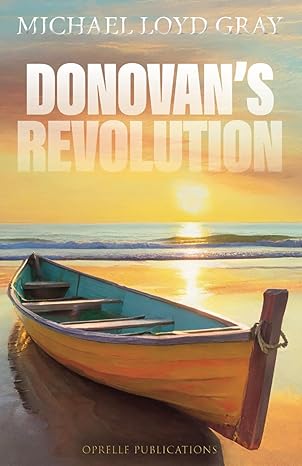
Michael Loyd Gray’s Donovan’s Revolution is a captivating work of historical fiction that plunges readers into the heart of Haiti during the turbulent Duvalier regime. The novel chronicles Donovan, a former seminary student turned itinerant Catholic worker, as he navigates the political and social unrest that defines this era. Immersed in the vibrant yet volatile life of Haiti, Donovan finds himself entwined in the people’s uprising against the infamous Baby Doc Duvalier.
Gray’s prose seamlessly intertwines vivid imagery of Haiti’s lush landscapes and vibrant culture with the raw emotional intensity of its political struggles. The contrast between the country’s breathtaking beauty and its stark poverty and violence reflects Donovan’s own internal conflicts, creating a narrative as rich in depth as it is in detail. Through Gray’s masterful storytelling, readers are transported into the heart of the revolution, experiencing the turmoil and uncertainty that define both the characters’ lives and the historical moment itself. At its core, Donovan’s Revolution is a story of self-discovery and transformation. Donovan confronts his doubts and searches for faith, identity, and purpose. Along the way, he forges meaningful connections: with Gilles, a mysterious guide to the rebels; Michel, the resolute leader of the resistance; and Emmanuella, who helps Donovan explore his gentler, more vulnerable side. Most compelling, however, is the sense of hope Gray imbues throughout the narrative, a hope that fuels the Haitian people’s unwavering fight against oppression. The novel is an emotional journey, blending despair and inspiration. Gray does not shy away from the harrowing realities of violence and suffering. Yet, he balances these darker moments with the resilience and courage of ordinary individuals rising to reclaim their futures. The life-threatening challenges and existential dilemmas faced by the characters linger in the reader’s mind long after the final page.
I recommend Donovan’s Revolution to historical fiction enthusiasts who will appreciate the novel’s insightful portrayal of Haiti’s modern history, an often overlooked subject. Political observers may draw parallels between the Duvalier regime and Haiti’s ongoing struggles, while those who enjoy thought-provoking stories will find much to reflect on. Themes of faith, hope, friendship, and identity ensure this gripping tale will captivate readers from start to finish.
Pages: 163 | ASIN : B0D9L6PB4L

The Sower of Black Field: Inspired by the True Story of an American in Nazi Germany

Katherine Koch’s The Sower of Black Field is a gripping historical novel that plunges the reader into the chaos of Nazi Germany, following the extraordinary story of Father Viktor Koch, an American priest navigating his mission in a hostile land. Set against the backdrop of World War II, the novel explores themes of faith, resistance, and moral conviction. The story is anchored in Schwarzenfeld, a Bavarian village that becomes a battleground for human decency amidst political tyranny. Father Viktor’s efforts to protect his monastery and his parishioners from Nazi oppression while adhering to his beliefs make for an intensely emotional and thought-provoking journey.
Koch’s writing captures the stark contrasts of life under the Third Reich with vividness. The opening scene, where Fr. Viktor confronts Nazi officials invading his monastery, is particularly striking. The tension is palpable as the priest’s calm defiance is pitted against the oppressive force of the regime. Koch uses simple yet evocative prose to transport readers to the heart of the conflict, and I couldn’t help but feel admiration for Viktor’s unwavering courage.
The depth of Koch’s storytelling is evident in her exploration of faith as a source of both solace and struggle. Through Viktor, the novel asks questions about the nature of suffering and the role of religion in confronting evil. I was particularly moved by the sermon on Sorrowful Friday, where Viktor ties human suffering to the Passion of Christ, challenging the congregation to see divinity in their shared pain. It’s moments like these that elevate the book from a historical narrative to a spiritual meditation, and they left me reflecting on my own beliefs.
At times, the pacing slows, particularly in passages heavy with historical detail. While the context enriches the story, there were moments I wished for more focus on the characters’ interpersonal dynamics. For example, Viktor’s relationship with Fr. Paul is touching. Their mutual respect and camaraderie add warmth to the otherwise grim narrative, and I found myself craving more insight into their bond.
The Sower of Black Field is a poignant and inspiring tale of resilience in the face of overwhelming darkness. Koch has crafted a story that resonates with both historical gravity and timeless moral questions. This book is perfect for readers who appreciate historical fiction with a strong ethical backbone and those interested in stories of quiet heroism. It’s a novel that will challenge you, move you, and ultimately leave you with a renewed faith in the enduring power of good.
Pages: 360 | ASIN: B0DPKWBCYL



 LITERARY TITAN