Blog Archives
The Wonder and the Horror
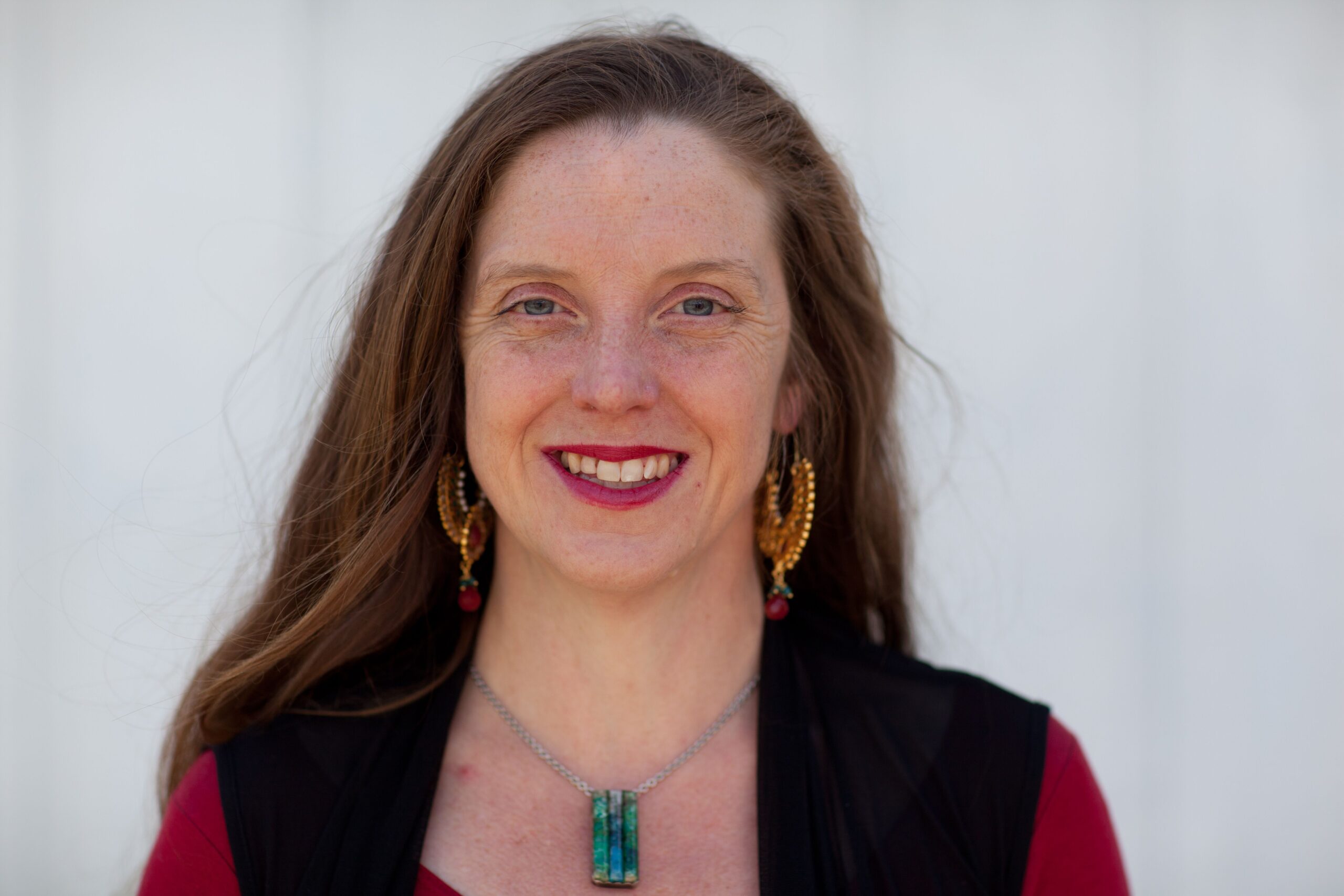
Starfall: Book I follows a woman with a dual personality working on a malfunctioning relay who ends up in a strange semi-abandoned town in the middle of nowhere. What was the inspiration for the setup of your story?
A lot of the initial phase of Starfall rose out of the story’s setting, the landscape of Southern Indiana, its hills, creeks, hollows, and caves. These natural features are stealth characters, in a way.
Like many, I am deeply concerned with how our current actions will impact this landscape and its inhabitants, as well as the lives humans can live on it. As Indiana is projected to be far wetter as our climate changes, I began to think about all the implications, musing on everything from demographics (Amish population growth, for example) to flood maps.
To dive into this world with readers, I felt I needed an outsider who is suddenly immersed in it to make it less preachy and more compelling. I wanted to unfold both the wonder and the horror, to take the reader on a tour of these imagined places, in a process that would feel both familiar and gut-wrenchingly off. After a lot of trial and error (I’m a terrible tinkerer and discovery writer), Xenia appeared.
As a guide on the journey, Xenia emerged from a bunch of threads that haunt me in my fiction. I really love exploring different sides of what it means to be a woman/female. I wanted my main character to try to define a new approach to the classic, Joseph Campbell-style “hero’s journey,” something that went beyond the marriage plot or other usual tropes, but didn’t just copy-paste traditional tales onto a female body. This side of the story will emerge as the tale continues in future books.
Xenia is unique in that she blends human and AI personalities into an original and thought-provoking character. What were some driving ideals behind your character’s development?
Before the current AI hype, when it was easier to think more deeply about what this technology means, I was considering how AI might become part of lives. I was particularly influenced by the thoughts of James Bridle and his exploration of other intelligences (animals, plants, etc) as a context for AI. I began to imagine more of a symbiosis narrative, thinking about the work of scientists like Lynn Margulis, instead of the bizarre Terminator/Skynet approaches that are tossed around so casually right now.
For many years, we thought, for example, that our species wiped out other humanoids, but that’s proving inaccurate. We hooked up with them. Blending and parting, like a river near its source, braiding streams form a better model for what we should anticipate with very advanced AI, I believe.
So, I began to ask, what if AI was a partner, not a rival? What if it felt almost conscious, but was clearly distinct in its form of intelligence? How we would interface with such an intelligence? With Xenia, I wanted to show the positive sides: You have a constant counterbalance to your impulses and emotions, and that balance can feel like a friend. It also lets you make very cool music and art without all these clumsy external interfaces!
What were some themes that were important for you to explore in this book?
One major theme is the idea of utopia and what role it serves in human culture, as well as how it contrasts with ideas of wilderness/primitiveness. I have had a years-long obsession with the town of New Harmony, IN, one of the most famous (or notorious) utopian communities in early 19th-century America. The old line about the place is that it “failed,” in that it somehow didn’t achieve its ridiculously overblown, highly impractical stated goals. But it also launched the lives and careers of some of America’s first scientists and political activists, people who accomplished real change and made important discoveries. A major theme for me is why we want a utopia, who gets to join and how, and why we need to think critically about these experiments, seeing their hidden benefits and under-discussed problems.
Like the landscape, the town and its very complex and fascinating history inspired me deeply. I wanted to share it, as a place for other people to explore with me. But I didn’t want to craft a historical novel, with lots of “Let’s build a utopia, by gum!” or bodice ripping (no judgment if you’re a bodice ripper). It had also been done before in various eras by some wonderful early 20th-century writers. Instead of a purely historical book, I wanted to give readers multiple facets of the problem, told in unexpected ways and steeped in feeling. I wanted the struggles these early reformers faced, that we are also facing—how to live together when we are very different, how to create a greater social good—to live and breathe and get us out of our doom loops.
When will book 2 be available? Can you give us an idea of where that book will take readers?
Book 2 will be out March 7, 2024, and will give readers a very deep and wild dive into life in the utopian town of Harmonie, as well as continue to follow the 19th-century thread, as the historical characters leave for the wilds of western Tennessee to found their own communal experiment in an attempt to challenge the assumptions of American slavery. Readers will get more hints about why Harmonie exists and what’s going on with the mysterious pools in the woods that impact living creatures, including humans, so oddly.
Author Links: GoodReads | StoryGraph | Facebook | Website | Amazon
The town, called Harmonie, has a long utopian history. Half-abandoned for years, it has been revived by a group of secretive scientists and artists, who are still dealing with the echoes of a long and complex American past. Its traces appear in a set of peculiar 19th-century documents that chronicle the life of a free-spirited woman, the long forgotten reformer and troublemaker Camilla Wright, which only deepens riddles lurking in the heart of the forest.
Starfall Book 1 (Starfall: A Tale in Two Eras)


Starfall: Book I, by T. Newyear, intriguingly merges science fiction with elements of historical fiction. Set in a near-future scenario impacted by global warming, the story follows Xenia, a woman endowed with a unique dual consciousness: her own and an AI. As Xenia ventures into the Flood Zone, a largely abandoned area, her primary task is to repair a malfunctioning relay. However, her journey takes a curious turn as she discovers the small, reclaimed town of Harmonie, inhabited by a collective of unique intellectuals. Here, she stumbles upon historical documents tied to Camilla Wright, a 19th-century radical thinker, unveiling an unexpected connection between past and present.
T. Newyear showcases a bold narrative approach by blending these two distinct genres. This combination, while unusual, is executed with a creative finesse that enriches the novel’s texture. The dual storyline, oscillating between Xenia’s first-person experiences in the Flood Zone and Harmonie, and the historical revelations about Camilla Wright, is managed adeptly. The choice of first-person narration enhances the immediacy and engagement of the reader with Xenia’s discoveries and challenges. I feel the initial pacing is somewhat gradual, but it gains momentum as Xenia delves deeper into the mysteries of Harmonie.
Xenia’s character, marked by her persistence and curiosity, mirrors the traits of Camilla Wright, forming a thematic bridge between the two timelines. The novel excels in maintaining an air of mystery, keeping readers intrigued about the connections between the past and present. This sense of discovery is one of the novel’s most compelling aspects.
The conclusion of Starfall: Book I leaves readers anticipating more, hinting at the expansive world and deeper storylines yet to unfold in subsequent volumes. Newyear’s novel is a testament to imaginative storytelling, offering a refreshing blend of genres that will likely captivate a wide range of readers.
Pages: 368 | ASIN : B0CLKZLJVY



 LITERARY TITAN