Your Come-Back Plan
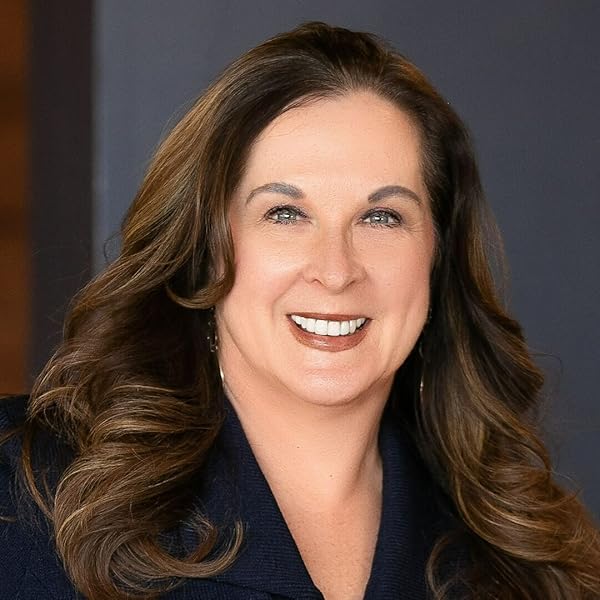
Unlikely Gifts Unwrapped is your honest and darkly funny memoir about rebuilding your identity and sanity, after surviving Stage IIIc breast cancer. Why was this an important book for you to write?
Four months after finishing treatment, my husband, Rene, and I visited his family for the first time in over two years. We bear-hugged his sister and her family when they picked us up curbside at the airport, then as we drove away, a beloved family member innocently but flippantly said, “Well at least now you can put cancer behind you.”
I was initially stunned but quickly became enraged as imaginary daggers poked at my skin.
No one understands that cancer doesn’t end just because treatment is over, I thought. It came close to killing me, and the shock of the experience is still on my mind all the time. I’m so tired of people assuming I can easily unplug from cancer because I survived treatment and am still alive. I fumed internally and remained quiet for the rest of the trip.
During a conversation back home with Rene over breakfast a few weeks later, I was reminded of that innocent, hurtful exchange in the car. My blood pressure spiked as I told him how the words made me feel, then excused myself and ran downstairs to my office computer to vent.
I typed CANCER IS NEVER INVITED AND CANCER NEVER LEAVES. The words sounded crabby yet true, and I felt relief.
In that moment I realized the most effective way to process and ultimately heal—emotionally and physically—from cancer was to write my way back out of the depths of its obsessive grips.
What advice would you give to someone newly facing the “after” of trauma?
Approach your come-back plan the same way you would map out a strategy to recover from a physical ailment such as a head cold or a broken wrist or knee surgery. Embrace the often-overlooked reality that your brain is part of your body, and it similarly benefits from opportunities to rest, recuperate, and reset. Since recuperating and resetting from a traumatic experience might be more achievable if you are guided by a counselor or behavioral health professional specifically trained to help those impacted by cancer, consider that approach as well.
One of the strategies I applied to address my post-cancer trauma was to chart a new course. I turned 50 during treatment, so I viewed life after cancer as a symbolic opportunity to launch the second half of my life with a new attitude, a fresh head of hair, and a determination to gauge success by level of impact, not by financial gains.
What were some themes that were important for you to explore in this book?
One of my staunchest principles is to only offer advice or input if asked. Many friends and colleagues thought they were being helpful during treatment by telling me what I should do to survive cancer. I understood and appreciated their intentions, but most times they made me feel like a weak, pathetic failure because my emotions were amplified and I was drowning with anxiety. My goal with Unlikely Gifts Unwrapped was to encourage anyone who communicates with a cancer patient/survivor or caregiver to exude empathy and compassion by being an attentive listener, not a well-intentioned but babbling talker who may or may not have any idea what cancer feels like.
There is no one-size-fits-all answer or cure when it comes to cancer, although our healthcare system often seems like it was designed to function that way.
What do you wish more caregivers or medical professionals understood about post- treatment survivors?
Most caregivers and medical professionals understand that we survivors are human beings, not medical commodities. However, our healthcare system barely acknowledges, and most of the time does not have the bandwidth or financial capability to address post-treatment trauma. Unfortunately, fear of recurrence, anxiety, distress, and depression often begins, continues, or escalates after active cancer treatment is completed.
Science-backed research continues to affirm that survivors are likely to have more positive long-term outcomes if the resulting psychological trauma from their cancer experiences—which in some cases continues for the rest of their lives—is acknowledged and addressed.
Author Links: GoodReads | Facebook | Website | Amazon
How is one supposed to feel besides exhausted? Grateful? Rational?
What does routine even mean anymore?
“Unlikely Gifts Unwrapped” is the long-anticipated sequel to “The Unlikely Gift of Breast Cancer,” named one of the best breast cancer books of all time by BookAuthority.
Award-winning author Diane M. Simard presents an unapologetic dive into the aftereffects of her experience with Stage IIIc breast cancer, including the struggles she encountered as she attempted to rebuild her identity. Moments of triumph, tragedy, transformation, and humor are recounted with inspirational hope and raw, no-holds-barred interpretation. Through her defining memoir writing style, Diane covers everything post-cancer, ranging from why she now despises ginger to her first cavity in third grade to lymphedema to Nebraska football. There’s even a story about cockroaches.
Toward the end of her five months of chemotherapy, Diane became so frustrated with the lack of focus paid to the psychological and emotional impacts of her cancer experience that she founded a psychosocial oncology specialty at the University of Denver to train future licensed clinical psychologists how to work with those impacted by cancer. She continues to advocate for educational opportunities and resources to assist in addressing the trauma that often accompanies such a distressing diagnosis. Since the intersection of mental health and cancer is a focal point in her narrative, several mental health therapists provide their perspectives on why the effects of cancer-related trauma—including anxiety, stress, and depression—are so challenging.
The account of Diane’s quest to find herself again and re-define her life after cancer is filled with intense grace, resilience, wisdom, and a powerful zeal to embrace a purpose-driven existence. Her authentic voice is witty and relatable, reminiscent of a chat with a cherished friend.
Posted on May 10, 2025, in Interviews and tagged author, book, book recommendations, book review, Book Reviews, book shelf, book trailer, bookblogger, books, books to read, booktube, booktuber, breast cancer, cancer, Diane M. Simard, ebook, goodreads, humor, indie author, kindle, kobo, literature, memoir, nonfiction, nook, novel, read, reader, reading, story, trailer, Unlikely Gifts Unwrapped, writer, writing. Bookmark the permalink. Leave a comment.



 LITERARY TITAN
Leave a comment
Comments 0