Blog Archives
The Making of a Warrior of Light: Conquering Pain to Claim Your Power


Theresa Rubi Garcia’s The Making of a Warrior of Light is a memoir that refuses to stay in one lane: it’s a childhood survival story, spiritual manifesto, and practical “keep going” manual braided into one voice. Garcia opens with the blunt architecture of her life, racism inside her own family, neglect, violence, early exposure to sex and substances, and the way hunger for love can shapeshift into self-sabotage, then tracks her evolution into a mother, a relentless self-rebuilder, and eventually the founder of Rubi’s Positive Empowerment. The book is explicit about its intent: don’t pity her; use the story as a roadmap for turning pain into power.
Garcia doesn’t narrate from a safe distance. She brings you into the room with the kid-version of herself who is trying to compute the uncomputable, then shows you how those early equations (fear = safety, pain = love) keep solving for the same misery. What hit me hardest wasn’t just the severity of what happened; it was the candor about the coping: the people-pleasing, the volatility, the chase for intensity, the way “survival mode” can look like personality from the outside.
The second half shifts from bleeding to healing. I liked that Garcia doesn’t sell healing as a scented candle. She frames it as discipline, choice, repetition, and sometimes sheer refusal. Her “Beast Mode” section is essentially a field guide for forward motion, adaptability, resiliency, fearlessness, a “thirst for truth,” and the insistence that even overwhelm can be met with surrender and embodied practices (she talks about going into nature, running, hiking, and re-centering so she can show up as a steadier presence). It’s motivational, yes, but with bite marks: she keeps reminding you that growth is incremental, that habits are built in “micro-shifts,” and that the point isn’t perfection, it’s traction.
This is for readers who want memoir, trauma recovery, and spiritual self-help in the same mouthful: survivors who are tired of being handled with velvet gloves, faith-adjacent seekers who like their mysticism practical, and scrappy strivers who need proof that a past can be an origin story, not a sentence. In spirit, it reminded me of Tara Westover’s Educated, but with more direct coaching energy and a metaphysical vocabulary that aims at empowerment rather than academia. If you’re ready, this book is a match struck in a dark room, and it leaves you wanting to see.
Pages: 188 | ASIN : B0G6VF4DD6

Through Her Eyes: A Memoir of Purpose and Courage
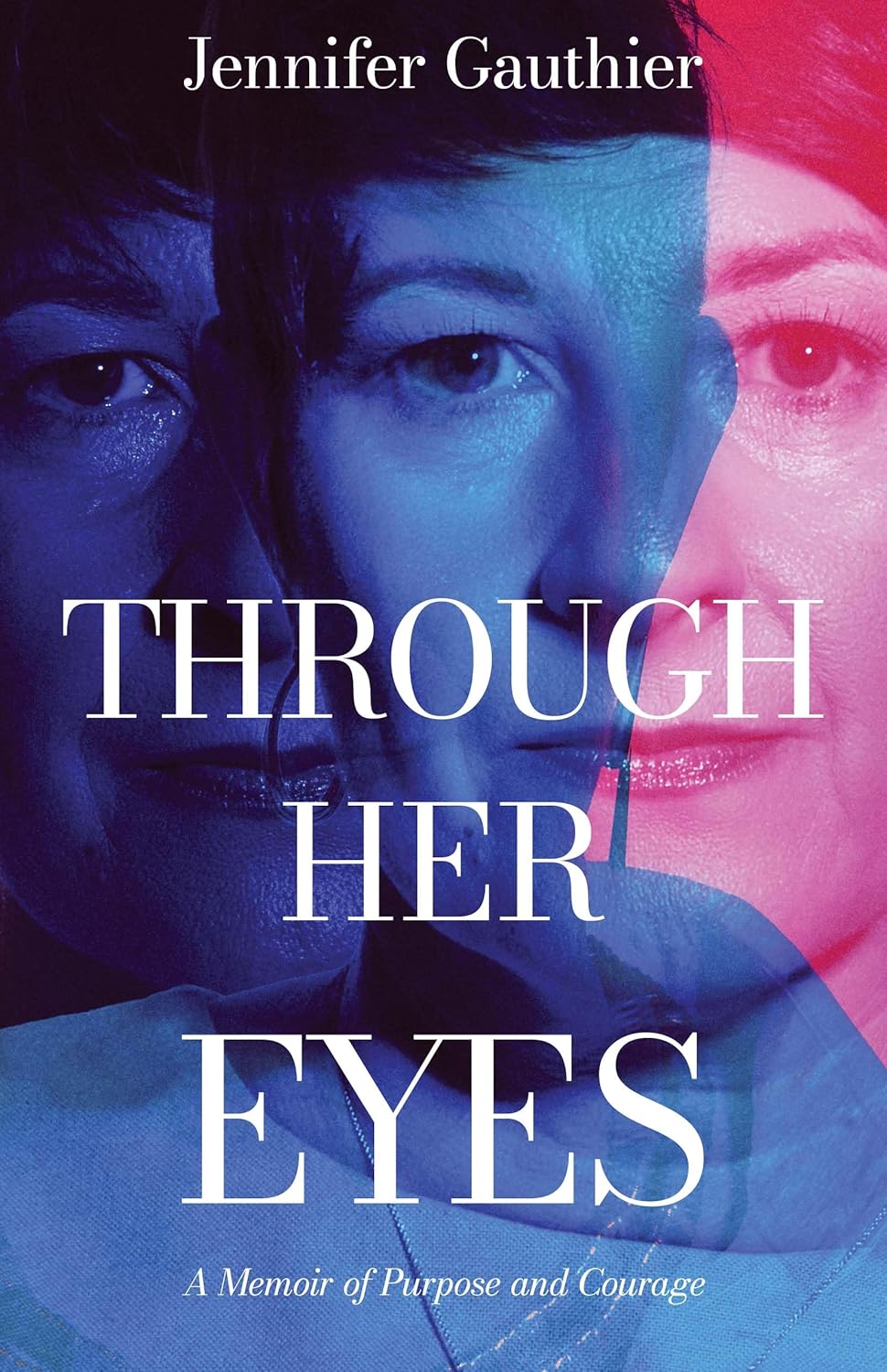

Through Her Eyes follows Jennifer Gauthier as she grows from a noisy, painful childhood into the role of founder and CEO of a nonprofit that centers healing, youth, and community. The book moves through her early years in a home shaped by addiction, her teenage pregnancy, homelessness, and single motherhood, then into her spiritual searching, discovery of Sufism, and her work as a mentor and leader. Along the way, she keeps circling one core message. Your story is yours to claim, even if the first chapters were written by other people.
I felt her voice first, more than any single scene. The writing is direct and chatty, like a friend talking with no filter. She warns you early that she is “that person” who talks to strangers in line and laughs too loud, and the prose matches that energy. I liked that she keeps the language simple and straight. She uses a lot of short, punchy lines, and she often drops into story mode with “Throwback” sections that read like spoken-word pieces. That style pulled me in. I could almost hear her accent, see her hands moving while she talked. She jumps from memory to lesson to side story in quick turns, and sometimes I wanted a bit more shape or pause, a little more space to sit with one scene before we moved on to the next.
Emotionally, the book hit me hardest when she wrote about addiction, codependency, and the way a child tries to manage a house that feels unstable. Her honesty about wanting her father to die, then shifting into years of praying for him to live sober, landed with real weight. There is no polish on those parts, and I appreciated that. I also liked her insistence on personal responsibility without erasing systems and trauma. She talks about racism, privilege, generational patterns, and spiritual harm, and still looks straight at herself and asks, “What can I control today.” I would have liked more direct talk about structural barriers, especially given her work with underserved communities. Even so, the through-line of “I will not stay stuck” felt honest to her story and background.
I walked away feeling like I had spent time with a real person, not a polished brand. The book would be a strong fit for readers who grew up around addiction, teen parents, people who have experienced trauma and are now ready to look at it, and anyone in social work, education, or youth programs who wants a reminder of what their clients might be carrying. It will also speak to women building something from scratch in midlife, especially those who feel “too loud” or “too much.” If you want a raw, talky, spiritually curious, no-nonsense story from someone who has actually had to claw her way forward, I recommend Through Her Eyes.
Pages: 228 | ASIN : B0GCFCTHLL

The Quiet After
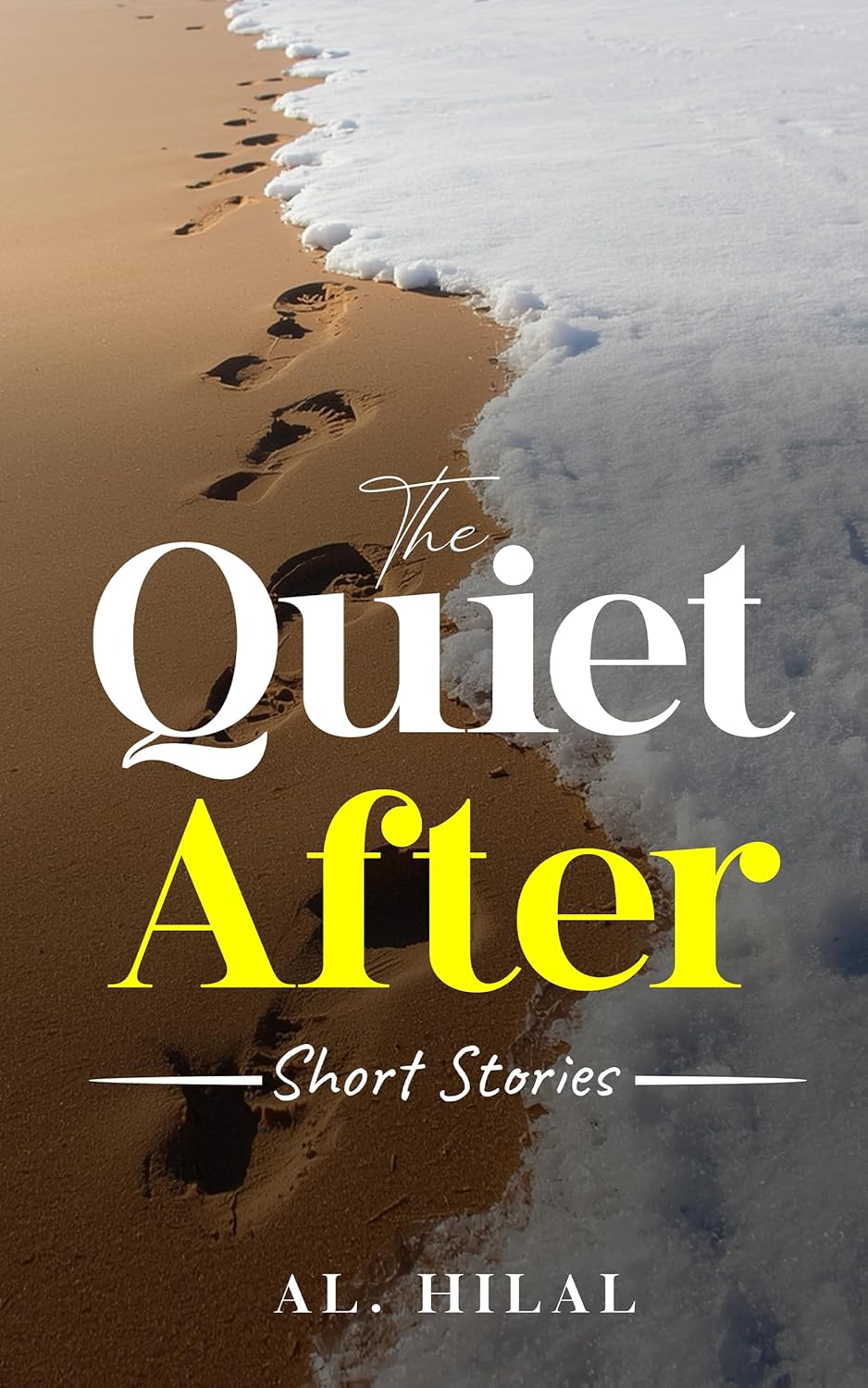
The Quiet After is a collection of linked creative nonfiction stories that trace an Iraqi man’s journey from Baghdad through war, displacement, and finally to a fragile, hard-won peace in the American Northwest. The pieces move between barbershops, markets, kitchens, churches, border crossings, and battlefields, and they circle the same core questions again and again. What does it mean to belong. How do you father a child while carrying a history full of ghosts. Where does faith sit after the bombs stop falling and the paperwork starts. The book calls itself creative nonfiction, and it reads that way. Memory on the page. Crafted scenes and dialogue. A steady thread of reflection on war, migration, and the slow, quiet work of rebuilding a life.
This is an emotionally stirring book. The prose feels careful and musical without drifting into showoff territory. I kept noticing how concrete the images are. Hair falling like snow in a barbershop. A kitchen so overdesigned it has everything but a knife. A boy’s name bumping against a school hallway that does not yet know how to pronounce it. The sentences lean on repetition, rhythm, and simple words, and that choice makes the hard moments land even harder. A few passages stack metaphor on metaphor, and I would have liked one plain line, just for contrast. But then a scene like “Loofah” or “The Intruder” arrives and the language feels exactly right for the horror and tenderness it carries, so I forgave the occasional excess without much struggle.
I laughed in some of the lighter pieces, like the confusion over “showers” in a church or the culture shock around silent car horns in Idaho. Those stories have a dry, self-aware humor that kept me from drowning in grief. Then I would turn a page and land in something brutal. The assault and killing in “Loofah” is one of those scenes that I almost wanted to look away from, yet the author refuses to sensationalize it. He stands close, he names the harm, he lets the consequences sit. Later stories that move toward adoption, fatherhood, and small gestures of kindness in American kitchens and barbershops softened me in a very different way.
The book keeps circling the tension between being Arab and being American, between being seen as a threat and trying to live a quiet, decent life. It speaks to the aftershocks of war more than the explosions themselves. Identity, exile, and belonging sit at the center, but they are grounded in very ordinary moments, not speeches. A kid asks his father if they are terrorists. A grieving widower snaps at a barber, then cracks open in the chair. A man misreads the word “hard” on a bottle of lemonade and stumbles into a lesson about grace and fine print. The faith in these pages feels earned and complicated, not neat. God appears in silence, in survival, in paperwork, in the choice to adopt instead of hate. The author is clear about political violence and betrayal, yet he refuses to flatten Americans into villains or Iraqis into saints. That nuance felt honest and rare.
The Quiet After is a deeply humane and powerful book. I would recommend it to readers who like literary memoir, creative nonfiction, or short story collections that sit close to real life. It will speak strongly to people from immigrant or refugee backgrounds, to veterans and aid workers, to anyone who has tried to build a new life in a place that once met them with fear. It would also be a rich read for book clubs, faith communities, and therapists who want to understand the lived texture of war’s aftermath. The stories are short enough for a busy schedule, but the echoes stay.
Pages: 204 | ASIN : B0G4KY1ZDL
Hostage: A Memoir of Terrorism, Trauma, and Resilience

Hostage tells the true story of a young American woman who survives the 1970 Dawson’s Field hijackings and the brutal weeks that follow. The book moves through the terror inside the plane, the suffocating days in the desert, the chaos of the civil war around Amman, and the long stretch of waiting that wears people down. Nichter looks back on the ordeal with the sharper eyes of the person she became later. She uses her journals and memories to pull the reader into each moment of fear, confusion, and small hope that kept her going. The narrative follows her from boarding the plane in Tel Aviv to her release many days later, and the story feels both intimate and historical at the same time. I felt the heat inside the grounded plane, the sting of sand in the air, and the strange mix of stillness and danger that marked every hour.
This was a very emotional book for me. I found myself leaning in, almost holding my breath, because the writing feels so honest. The way she describes the hijackers pacing the aisles or the passengers tearing up passports hit me hard. Her voice is calm at times, almost steady, and then it wobbles in a way that made me feel the shock and disbelief with her. I could sense how young she was, how much she wanted to keep a grip on normal life, and how that life slipped further away each day. The details she notices, like the smell of sweat in the cabin or the way a baby’s crying cut through everything, felt strangely tender to me. The story is frightening, yes, but I also felt a deep sadness that sits underneath her words. She had to grow up fast. The world forced it on her.
What I found most interesting was how she carries her identity through the ordeal. She writes about being one of the Jewish passengers who were kept behind while others were freed, and I felt the weight of that moment. Her fear rises and falls in waves, but she never stops thinking, never stops trying to understand the people holding her. She lets us see her anger, her doubts, her guilt, and even her dark humor. That honesty shaped my reaction more than any single event. The writing feels grounded and human. There were moments when I wanted to reach into the book and tell her she wasn’t alone.
By the end, I felt tired in the best way, like I had walked alongside her. The story is gripping and painful and strangely hopeful. I would strongly recommend this book to anyone who wants a survivor’s view of political violence and its emotional aftershocks. It is not a dry historical account. It is a personal journey written with clarity and courage. Readers who like memoirs that face trauma directly will find a lot here. Students of history, psychology, or Middle Eastern politics will gain insight, too. And anyone who wants to understand what it means to hold on to yourself when the world becomes unpredictable will find something worth remembering.
Pages: 232 | ASIN : B0FWPGVP4M
Home: A Memoir of Family, Forgiveness, and Healing from Complex PTSD

Home follows Amy Smyth Miller from a present-day crisis in a Bellingham ICU back through a childhood marked by poverty, neglect, and intergenerational trauma in the Midwest. The book opens with her husband’s heart attack and her spiraling panic, then moves into three arcs, “Roots,” “Rootless,” and “Transplanted,” tracing a line from her great-grandmother’s steady care, through her parents’ addictions and constant moves, to her later work as a teacher and her search for effective trauma therapy. Along the way, she threads in clear explanations of complex PTSD, especially the idea of it as a problem of how memory is stored, and she shows how lifespan integration and other somatic approaches help her piece her life into a coherent timeline and finally feel at home in herself.
The writing is gripping. The scenes are built with simple images that stuck with me. The plastic seat covers in the Buick, the smell of Pond’s cold cream and peppermints in Granny War Bonnet’s room, the dragonflies over the pond, the housekeeper ironing a floral dress on the night of a suicide. These details felt precise, not decorative, and they kept pulling me back to the emotional core of each chapter. The structure works well, too. The prologue sets a very tense, contemporary problem, and then the book steps backward into childhood and returns again to the present with more context. Sometimes the metaphors pile up, and the prose becomes lush. Overall, though, the voice is steady, kind, and unflinching, and I trusted it.
I appreciated that Miller does not turn her parents into simple villains, even when she describes clear neglect, hunger, and frightening behavior. She sits in the mess of loving them and being hurt by them at the same time, and she lets that tension stand. I liked how she shows what grounding or timeline work actually feels like in the room, and how she owns her missteps, including the painful texting episode with her husband. There were moments when the interplay of narrative and research slowed the pace, but I felt grateful for the educational layer. It made the book feel useful as well as moving.
Miller is very clear on the notion of complex PTSD as a long shadow cast by many smaller and larger wounds, and she keeps returning to the question of meaning. Not in a tidy, everything-happens-for-a-reason way, more in a “I refuse to let this be pointless” way. Her focus on protective figures and small stabilizing rituals, especially her great-grandmother’s stories and “angel crowns,” pushes back against the common narrative that survival is purely individual grit. I also liked her insistence that healing is not erasing the past but putting it in order so it stops crashing into the present. As someone reading this as a memoir rather than a clinical text, I appreciated how accessible the psychological parts felt. She explains concepts in plain language and grounds them in specific episodes from her life, so I never felt lectured at.
I would recommend Home to readers who come from chaotic or painful families, to people living with complex trauma, and to therapists, teachers, and caregivers who want a lived-in portrait of what CPTSD can look like from the inside. It is not a light read, and there are frank depictions of suicide, emotional abuse, and neglect, so I would be cautious recommending it to someone in a very raw place without support. For readers who can hold that weight and are looking for a story that blends honest hurt with genuine hope, this memoir feels like a companion, not just a case study.
Pages: 301 | ASIN : B0G5TCG9KJ
Keeping the Stethoscope, Hanging up the Uniform, The Curse of Combat Disability Retirement

Keeping the Stethoscope, Hanging Up the Uniform tells the story of a combat-disabled Army nurse who carries his battlefield memories into the civilian ER. The book shifts between gripping trauma-room scenes, raw reflections on disability retirement, and a steady, painful questioning of how a nation can praise its veterans yet leave so many struggling to survive. It blends medical urgency with personal grief, while also tracing the larger social and political failures that shape veterans’ lives. The chapters move from intense medical narratives to broader calls for reform, tying individual suffering to systemic problems.
This was a thought-provoking and emotionally stirring book. The writing feels like a pulse that speeds up and slows down. It mimics the chaos of an ER and the quieter, heavier weight of memory. I kept feeling this mix of admiration and frustration. The author speaks plainly, and that plainness hits hard. There’s no dressing up the trauma, no soft edges on the anger. The stories the author shares are vivid. The medical scenes come alive in a way that made me tense up, and the personal reflections feel like someone talking late at night when honesty comes more easily.
What stayed with me most wasn’t the medical detail, but the sense of abandonment threaded through the book. I could feel his disappointment. His exhaustion. His hope trying to hold on even while he keeps pointing to everything that is broken. He talks about veterans who are homeless, veterans who end their own lives, veterans who are reduced to numbers in the system, and he handles all of it with a mix of sorrow and grit. Some passages made me angry in a way that almost surprised me. Others made me pause and sit with my own discomfort.
By the time I reached the final chapters, I felt grateful for his honesty. This book is a call to pay attention, to stop pretending that “thank you for your service” solves anything. It’s a reminder that behind every veteran is a story still unfolding, sometimes painfully, sometimes quietly, sometimes with no support at all.
I would recommend this book to readers who want an unfiltered look at military and medical life, especially those who work in healthcare, public policy, or veteran support fields. It’s also a strong read for anyone who wants to understand the deeper emotional cost of service, far beyond the slogans and ceremonies.
Pages: 192 | ASIN : B0G1L9FM6F
Don’t Disappoint Daddy: A Story of Abuse, Abortion and Acceptance in the Beloved

This memoir is a raw and unflinching account of childhood trauma, faith, survival, and eventual healing. It follows Elisha through her early years in a military household, where her father’s tyranny casts long shadows over every corner of life. Woven through beatings, verbal degradation, emotional confusion, and heartbreaking loneliness, the story also reveals slivers of hope through her bond with her mother, her growing relationship with God, and the slow, painful process of understanding her own worth.
Elisha’s writing is sharp, honest, and often devastating in its simplicity. She doesn’t try to dress up pain or smooth over the ugly parts. Her memories come to life with vivid emotional detail, pulling you into the child’s perspective. It’s not just a story, it’s an experience. Her use of humor, especially in moments of horror or confusion, is disarming. At times, I caught myself laughing through tears. The book doesn’t try to follow a clean arc or perfect structure, and that’s part of what makes it feel so real. It’s fragmented the way trauma is, and deeply reflective without being preachy.
I found myself angry. A lot. Angry for the child who was never protected. Angry at a society and a church that turned its head from abuse while preaching virtue. But I also felt proud. Watching her grow through those memories, learning to play piano, lead a choir, explore her voice, and find healing, was incredibly moving. Elisha doesn’t write from a place of self-pity. She writes from a place of survival, of transformation. There’s a quiet power in her words. She’s not begging for sympathy. She’s sharing so no one else feels alone.
This book is not for the faint-hearted. But if you’ve ever struggled with a difficult parent, spiritual confusion, or the long road of self-forgiveness, this memoir will speak to you. I’d recommend it for survivors, for adult children of abusive parents, for anyone working through religious trauma, and especially for those who feel like their story might be too ugly to tell. It’s not. Elisha proves that there is strength in telling the truth.
Pages: 143 | ASIN : B0D276HND1
The Edge of Now

The Edge of Now is a raw and heartfelt travel memoir by Thom Barrett that weaves together the physical landscapes of South America and Antarctica with the internal terrain of a man living with stage IV cancer. It chronicles Barrett’s journey through Argentina, Chile, Bolivia, and beyond, all while confronting his own mortality, redefining resilience, and wrestling with the question of how to live fully when time is uncertain. The book is structured around a physical expedition and a spiritual one, framed by his ARC Cycle—Awaken, Release, Change—and grounded in mindfulness, vulnerability, and deep reflection.
Reading this book was like sitting across from someone who’s been to the brink and come back with stories that matter. Barrett’s writing is lucid and personal, unflinching in its honesty. He doesn’t sugarcoat the toll illness has taken on his body, or the creeping doubts and insecurities that threaten to erode his sense of self. But his words are never maudlin. Instead, they carry a weight that feels earned. The balance between travel writing and personal introspection is beautifully done. Descriptions of thundering waterfalls or Antarctic silence fold seamlessly into thoughts on impermanence, love, and what it means to have enough. I found myself lingering on certain passages, not because they were complex, but because they hit so close to home.
What moved me most was the way Barrett writes about acceptance, not as some passive surrender, but as an act of courage. He challenges the reader to rethink what strength looks like. It’s not climbing the hardest peak, but knowing when to ask for help. It’s not pushing through at all costs, but listening when your body says stop. This hit me hard. His decision to value quality of life over extending it at all costs is presented not as defeat, but as deeply human. He writes like someone who’s let go of pretending and is inviting you to do the same. There’s a peace in that, and it’s contagious.
The Edge of Now isn’t just a book about dying. It’s a guide to living—not later, not when things are easier, but now, in all its messy, breathtaking glory. I’d recommend this to anyone who’s ever felt stuck, scared, or just unsure of how to keep going. It’s especially for caregivers, patients, and wanderers, anyone straddling the line between holding on and letting go. Barrett’s journey is personal, but his insights are universal. This book doesn’t just ask you to read—it asks you to feel, reflect, and maybe even change.
Pages: 291 | ASIN : B0F3367892


