Blog Archives
Sea and Stars


Sea and Stars follows Arabella Porter, a healer from the Isle of Skye whose life is split open by a letter from her dead mother, Catherine, naming William Stafford of Mystic, Connecticut as her father. Arabella leaves the moors, the old Porter magic, and the ghostly shelter of her grandmother’s teachings to cross the Atlantic, only to find that America holds not the family romance she imagined, but a harsher inheritance: a cold half-sister, a self-serving father, the buried truth of Catherine’s life, and James Alden, a wounded shipbuilder whose guarded heart becomes one of the book’s deepest mysteries. The novel moves through folklore, historical romance, Gothic unease, and female lineage with a steady fascination for thresholds: between Scotland and America, life and death, duty and desire, enchantment and ordinary courage.
Author Kelly Jarvis writes landscape as if it’s alive. The Isle of Skye isn’t just a setting; it breathes around Arabella, all sea mist, thistle, moor wind, and starlight. I felt the tenderness of the early chapters especially, when Arabella’s healing practice is rendered through small, tactile acts: tea, salves, candles, herbs gathered from difficult ground. The prose can be lavish, but it’s rarely an empty ornament. Its richness suits a story about women who have been taught to read the world symbolically, to find meaning in weather, flowers, wounds, and dreams. I also loved how the book lets magic remain intimate rather than flashy. The healer’s cloak, Catherine’s letters, the solstice ritual, and the veil between worlds all feel less like spectacle than inheritance.
Arabella’s journey begins as a search for a father, but the book is wiser than that premise first suggests. William Stafford’s name promises identity, then curdles into disillusionment, and that reversal gives the novel its moral weight. I was moved by the way Arabella slowly understands that blood alone doesn’t make a home, and that love without accountability can become another kind of prison. Her relationships with Anne, Catherine, Elinor, and James are all shaped by incomplete knowledge, which makes the book feel emotionally true. People inherit stories before they inherit facts. The novel’s strongest passages, for me, are the ones where Arabella stops trying to be claimed by someone else and begins claiming her own power, especially when she becomes the Wise Woman in her mother’s cottage and turns exile into vocation.
Sea and Stars felt to me like a lush, earnest, and feminine novel about choosing which traditions to keep and which ones to cut loose. I found its emotional generosity persuasive. Its conclusion brings the story full circle in a way that feels both romantic and spiritually grounded. I’d recommend it to readers who enjoy historical romance with folklore in its bones, Gothic family secrets, strong heroines, sea-haunted settings, and stories about women learning that home can be inherited, built, and bravely reimagined.
Pages: 448 | ASIN : B0GQD3S5DQ

Filaments
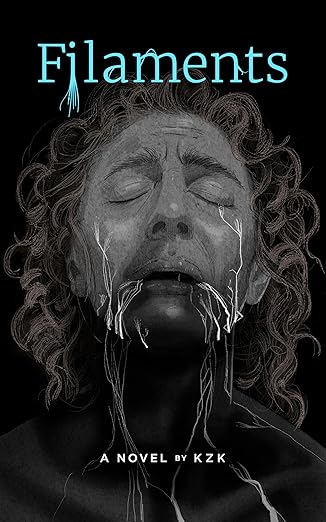

Filaments follows Thea, a professor drawn back to her small hometown in Minnesota after her mother’s strange behavior turns alarming. What begins as a reluctant homecoming spirals into a dark exploration of generational trauma, addiction, and the eerie pull of the bog that shaped her childhood. As Thea digs into the disappearances of two local men, she unearths a supernatural thread linking her family’s past to the town’s rot. It’s a haunting story about the way memory festers, how love curdles, and how the land itself can hold grudges.
The writing is sharp and intimate, full of slow-burn dread rather than cheap scares. KZK’s prose feels like wading into dark water, you never know how deep it goes. Thea’s voice hit me hard. She’s smart and cynical but full of raw edges that made her feel real. I loved how the story blurred science and folklore. The bog wasn’t just a setting, it was alive, patient, and almost tender in its cruelty. I’ll admit, the pacing slows in places, especially in the middle chapters where Thea’s memories crowd the page, but the atmosphere never lets go.
There’s also something very relatable here. The story isn’t really about missing people or haunted places, it’s about how women are shaped by the weight of other people’s expectations. Thea’s relationship with her mother broke me a little. There’s this aching honesty in how KZK writes about mental illness and survival, like the line between madness and resilience is thinner than anyone wants to admit. At times, the dialogue feels jagged, and that roughness worked for me. It gave the story an edge.
Filaments felt like a fever dream and a confession all at once. It’s part literary thriller, part horror fable, and all heartache. I’d recommend it to readers who like their stories weird and emotional, people who loved Sharp Objects or The Fisherman but wanted something quieter, more personal. It’s not for those who need clean endings or easy answers.
Pages: 215 | ASIN : B0FS4NDBH3
The Reluctant Womb
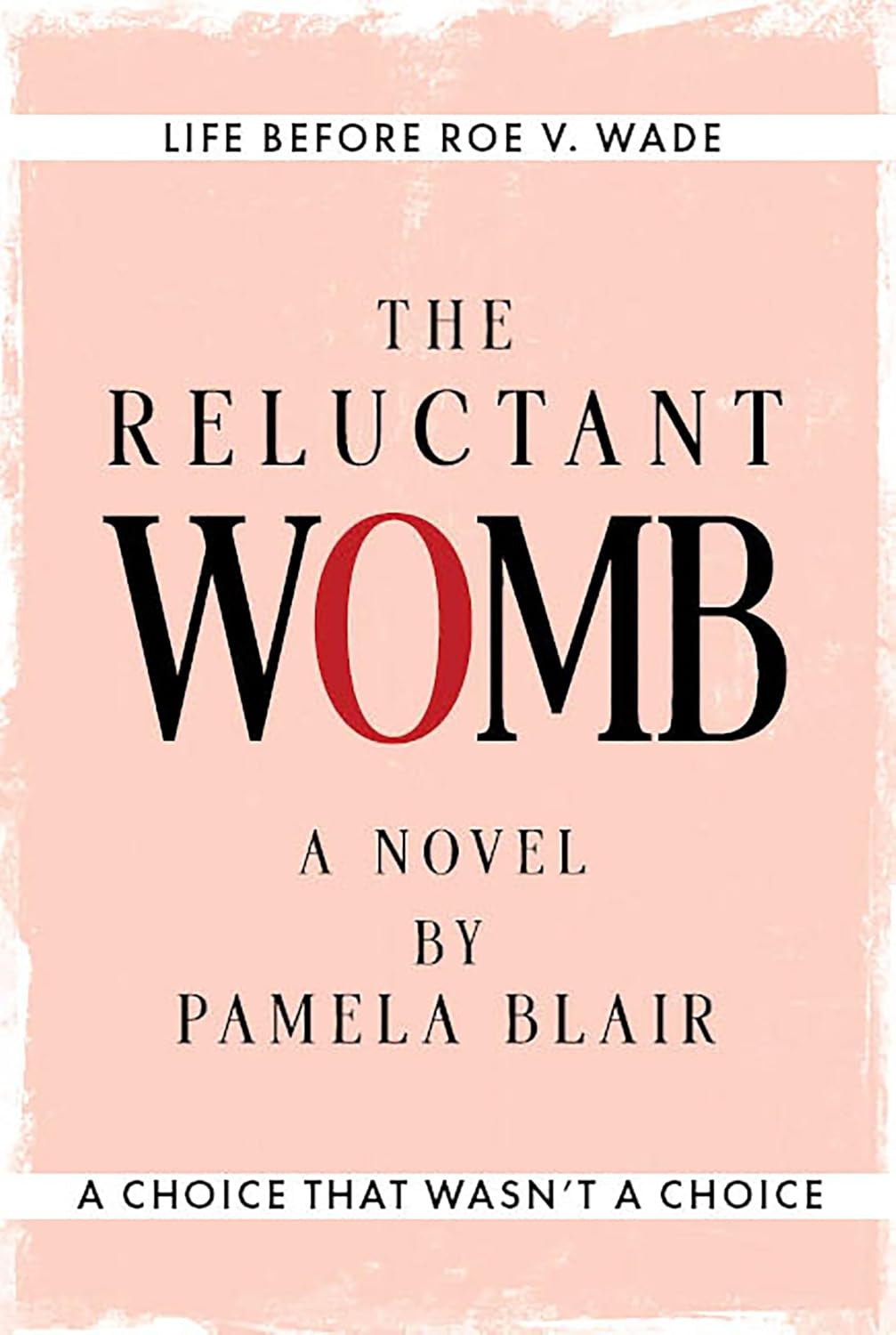
Pamela Blair’s The Reluctant Womb is a sweeping and emotional novel that traces the stories of women whose lives are shaped by love, loss, and the brutal lack of reproductive freedom in the decades before Roe v. Wade. From the 1940s through the turbulence of the 1960s and 70s, and into the reunions of the 2000s, Blair threads together family histories, friendships, and the deeply personal choices women are forced to make in a world that often refuses to see them. The book is raw and unsettling, yet also layered with tenderness, memory, and the stubborn hope of survival.
The writing is vivid, sometimes painfully so, with scenes of birth, secrecy, and shame that I could almost feel in my own body. I was both gripped and unsettled, sometimes angry, sometimes sad. The characters didn’t feel distant on the page; they felt close, almost as though I was eavesdropping on someone’s private memories. Blair doesn’t dress things up. She doesn’t soften the edges. That honesty made me uncomfortable at times, but in a way that felt necessary, like being shaken awake.
At the same time, there’s something beautiful in the way she writes about friendship and endurance. The bonds between the women, fragile, tested, and mended, pulled me in the most. I found myself rooting for them, even when their choices felt messy or painful. There’s a kind of quiet rebellion in their persistence to keep moving forward, even when society seemed determined to box them in. I also loved the historical backdrop, the way the political and cultural shifts of the ’60s and ’70s bled into their personal stories without ever feeling forced. It felt alive, like history not in textbooks but in living rooms and whispered phone calls.
This book is not light reading. But if you want a story that digs into the guts of what it means to be a woman in a time of constraint, and if you’re open to sitting with some discomfort along the way, I think you’ll find it powerful. It’s for readers who want more than a smooth ride, who don’t mind being left with questions that gnaw a little. For me, The Reluctant Womb was both heartbreaking and affirming.
Pages: 414 | ASIN : B0FF2S8DZ7


