Blog Archives
Pivot Turns to Freedom


Louis Tong’s Pivot Turns to Freedom is a coming-of-age novel about Leonard Pan, a Singaporean ophthalmology trainee who moves to England in the 1990s and starts building a life beyond the expectations of his family and profession. Leonard’s work takes him through hospitals in Great Yarmouth, Sunderland, and Nottingham, but ballroom dancing becomes the real thread holding the story together. What begins as a private interest grows into a competitive ambition, complete with demanding coaches, changing partners, financial strain, injuries, and a troubling sponsor who turns encouragement into control. The novel follows Leonard across four years and thirty-nine chapters, giving his search for freedom plenty of room to develop.
Leonard is an entertaining narrator because he’s restless, observant, vain, insecure, funny, and frequently wrong about other people. His medical training shapes the way he sees everything, so dance movements become anatomy, hospital routines resemble choreography, and personal problems are treated like conditions he can diagnose. That habit creates much of the comedy, but it also reveals his central weakness. He’s so intent on proving himself that he sometimes treats dance partners, colleagues, and friends as pieces in his personal success story. The book’s most satisfying movement comes when Leonard begins to understand that freedom isn’t simply getting away from his father or winning medals. It’s learning to make choices without being ruled by pride, resentment, or someone else’s approval.
The novel has something in common with Paulo Coelho’s The Alchemist, since both stories follow a protagonist who leaves familiar surroundings to pursue a dream and gradually discovers that the journey is changing him in ways the original goal couldn’t predict. Tong’s approach, though, is grounded in the awkward details of adult life: temporary contracts, immigration limits, petrol costs, aching feet, difficult personalities, and the challenge of finding someone willing to practise on a Tuesday evening. Leonard’s dream isn’t presented as a clean spiritual calling. It’s tangled up with ego, family history, loneliness, attraction, and the desire to be noticed. That messiness makes the book feel more like a personal memoir shaped into fiction than a polished fable.
The book’s strongest quality is its specificity. The medical scenes, British regional settings, Singaporean family dynamics, and technical descriptions of ballroom dancing give Leonard’s world a distinctive texture. At times, his elaborate observations slow the pace somewhat, and the late psychological mystery involving Joseph adds an unsettling note that I didn’t feel was fully resolved. Still, that ambiguity suits a novel about a man who’s spent years misunderstanding both himself and the people around him. Pivot Turns to Freedom is ultimately a warm, eccentric story about ambition becoming perspective. Leonard reaches the competition he’s chased, but his more meaningful achievement is recognizing that a full life depends on collaboration, gratitude, and the freedom to value the people beside him.
Pages: 280
Harmonious Living
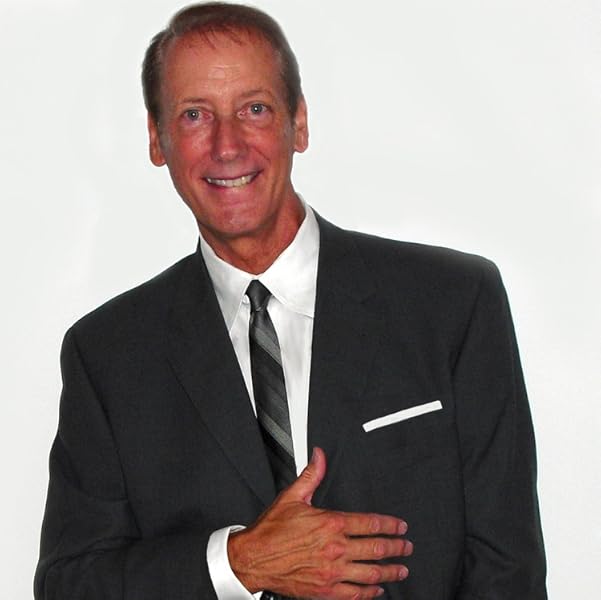
Three Minutes to Heaven: Musings of a Ballroom Dancer explores the transformative power of dance, weaving personal anecdotes and philosophical insights into a poetic guide for living gracefully. Why was this an important book for you to write?
The stories in this book represent ideas that came bubbling up in my psyche during my dance education. The feelings I experienced were quite unique and presented a challenge to me to express them in words. I didn’t plan to write a book, but over the years I had quite a collection of these writings which made their way to a book via the desire to share them with others.
How do you balance technical insights with philosophical reflections to engage both dancers and non-dancers?
Dancers are drawn to dance for the movement, the social interaction, the music, and many other superficial reasons. But often without even realizing it, the reasons for dancing go much deeper. As they learn about dance, dancers are also learning about life. The immersion into dance carries with it a natural force guiding a new way to think about things. Through extrapolation, these lessons help dancers become more aware of the opportunities to engage in much deeper experiences in their everyday lives. The technical aspects of dance can be dry, so I tried including some in poetic fashion. Dancers immediately recognize the technical jargon, while those who never before engaged in partner dance training seem to become more curious, often ending up pursuing dance.
What were some themes that were important for you to explore in this book?
It’s easy to fall into life’s mazes that go in circles. You might be caught in a deadend job, a relationship that’s not working, or behavioral patterns that prevent personal growth and success. Every dancer at some point is asked the simple question in casual conversation — “Why do you dance?” This tiny nudge toward introspection can often lead to bigger questions, like “Why am I working this job? or “Why am I in this relationship?” or even “What is my purpose on this Earth?”, ultimately showing a way out of the maze. The core theme running throughout the book is that dance, as a microcosm of life, can teach us about life by focusing on analogous situations between dance and life. For example, Chapter 8, “Foundations,” and Chapter 18, “The Beauty of Entanglement” attempt to describe how you can address things that go awry in your life with the same approach you use to fix glitches in your dance technique. Other related themes include analogies between navigating the dance floor, improved mindfulness, dancing to the beat of the music, and harmonious living.
What’s the most meaningful feedback you’ve received from readers about how this book has impacted their view of dance or life?
I learned from a friend that she gave a copy of the book to her elderly landlady and noticed on occasion that her eyes became blurry with tears as she read certain passages. When my friend asked if she was ok, the landlady indicated some of the writings touched off happy memories. Perhaps she was a dancer in her youth and was touched by the nostalgia. Perhaps others are touched by reading what they’ve always felt but could never formulate the words to express those feelings. To me, it’s gratifying, as my hope has been that at least one chapter in this book would touch the reader in some special way – on the dance floor or on life’s journey.
Author Links: GoodReads | Facebook | Website | Amazon
Recommended as inspirational reading one chapter each day during a quiet moment at the beginning or end of the day.


