Blog Archives
Payoff for the Reader

By Any Other Name follows a struggling young writer who is horrified when she happens upon a novel in an airport bookstore that is certainly based on her own unpublished manuscript. What drew you to explore authorship and ownership through the structure of a mystery?
I found out last spring that my work had been included in one of the online datasets that had been illegally downloaded to train AI language models. So authorship and ownership were heavy on my mind as I was writing the story. It was a helpless feeling knowing that my work had been taken, and not knowing what (if anything) there was to be done about it, and I leaned into that in crafting a mystery that tried to answer those questions: How did this happen? What can I do about it?
Were there particular mystery writers or literary thrillers that influenced your approach?
I’ve listened to a lot of John Grisham audiobooks on road trips, but I admit I otherwise don’t generally read a lot of mystery/thrillers. I have a TON of respect for serial mystery writers, especially now that I have completed my own. It’s hard to be clever and come up with plot twists, red herrings, and “whodunits?” that readers don’t see coming. One thing that was stylistically important to me in writing this mystery was that it fit real life. I didn’t want my protagonist to have help from unlikely sources. No best friend who happened to have access to the DMV database. No dad who used to work for the FBI. No former college roommate who happened to be into surveillance. Just the tools that most of us would have at our disposal – like Google search and social media stalking.
Which scene was the most satisfying to write?
The reveal of who Beatrice Mitchell was was particularly satisfying because I knew it would be the payoff for the reader. It’s the moment they get to find out if any of their hunches are right, and I enjoyed crafting a scene that answered all the questions and tied up the loose ends (while still leaving some intrigue for the final 50 pages!) I also love writing a good breakup scene, and I got one of those in there, too.
The novel seems especially suited for book club conversations. What discussions do you hope it inspires?
The book is ultimately about authorship and creativity, and I think we live in a time where the importance of that (and what it even means to create or author something) is really being questioned and tested. I hope it inspires people to value the time, effort, energy, and heart that authors pour into their work, but maybe more importantly, I hope it inspires people to value the creative process as a whole – including how it shows up in their own life, the writing they do, and the stories they have to share. We now have the ability to have a textbox on the internet to tell our stories for us, and I hope people talk about the dangers of that. And I hope people resist. Not because AI is inherently evil all on its own, but because storytelling is the most innate thing we do as humans, and if we give that up, then who are we?
Author Links: GoodReads | Amazon
Fresh out of her MFA program, she’s bombed an interview at Columbia, collected a stack of rejections from agents and publishers, and stalled out in a spiral of writer’s block. Meanwhile, her best friend is thriving in a PhD program, and her boyfriend is climbing the tech ladder.
Then a delayed flight pushes Jordan into an airport bookstore, and everything changes. On the shelf, she finds a debut novel: The Unbearable Weight of Secrets by Beatrice Mitchell. Just a few paragraphs in, her exhaustion turns to shock. The book isn’t just familiar. It’s hers: a manuscript she drafted, revised, and workshopped years earlier, but never published.
Stunned, Jordan launches a desperate search for answers. Who stole her work, and why? A critique partner who read an early draft? An ambitious classmate eager for a leg up? Her mentor, with the most access to her writing but the most to lose by risking her own, successful career? Or someone else entirely, a stranger who inexplicably knows Jordan’s voice as well as she does?
To reclaim her story, Jordan must be willing to risk everything: her relationship, her future career, and her already fragile belief in herself. Because unmasking Beatrice Mitchell isn’t just about justice. It’s about proving, once and for all, that Jordan Marlowe isn’t just chasing the dream of being a writer. She already is one.
Believable Characters

In H1 L1 A0, the Earth is buckling under environmental collapse, overcrowding, and political failure as one man is faced with completing the only existing record of history that spans time and space. Where did the idea for this novel come from?
I believe that most ‘thinking people’ would view the status of our planet with some concern. Just as we seem to be having some common sense prevail in the political spheres, we have these mammoth “Data Centres” being created. These, actually unnecessary additions to our planet, are power-hungry, heat-producing, and pointless. They are needed because too many people are too lazy, so they ‘look stuff up’ online. Corporations are looking for cheaper ways to get our money. So, the – perhaps totally unnecessary Artificial Intelligence systems – need vast repositories of information. Not traditional bricks and mortar libraries, which once built, only need power for lights and air conditioners. No need for huge banks of processors always running!
The novel opens in a moment of crisis and then stretches across centuries of memory. Why did you choose that framing device?
I thought that it might be good to write a positive book about Earth. An outcome which will never happen, sure, but a modern fairy-tale?
It seemed to me, as I started to think about the book, that I needed some logical source of information. I felt that a personal account might make the fiction appear a little less fictional. So the ‘hero’ needed to be actually involved in some way with the whole Earth-space-future situation. I felt that the reader might identify with a character’s personal challenges during this fictional period. He needed to be ‘ordinary’ at first, but then as the story developed he became Abel to span the many years the story spans.
How important was it to you that the characters feel like real people rather than just vehicles for ideas?
While the characters are fictional, I like to think that they have believable characters with positive attributes, but with flaws. Superheroes don’t fit with the ‘reality aspects’ of the story.
What do you hope readers take away about the future of Earth after finishing the book?
Perhaps there might be readers who haven’t thought a lot about the parlous state of our home planet, and they might reflect on what they might be able to do to minimise their own impact, without losing some of the pleasures of life.
I would like to think that there may be readers who get a better view of the Earth and its place in our solar System, and the place of our Solar System in the immense Universe. For readers who may not have wondered about our place in the Universe, some of the facts – sizes, distances, speeds, places – used in the story might impress them and make them wonder about what might be out there!
But, closer to home, maybe some might think a bit more about what they might do to minimise ‘global warming’. Each person can only do tiny, tiny things, but if enough of us do these, it might make a difference. Involving the issues of ‘global warming’ in the story wasn’t actually needed for the storyline, but including it didn’t harm the underlying story. Does it add some veritas to the tale?
Author Links: GoodReads | Barnes & Noble | Amazon
In a future scarred by environmental collapse, overconsumption, and political paralysis, former RAF Group Captain James Kidd is drawn into a last-ditch survival programme: the construction of vast space habitats in the Asteroid Belt, designed to preserve human civilisation when Earth can no longer sustain it.
But the mission changes everything.
A mutated virus grants James and a handful of others dramatically extended lifespans, transforming them from soldiers into centuries-old witnesses to humanity’s darkest era and its most extraordinary recovery. When an alien vessel arrives in the outer solar system, first contact brings not invasion but an uneasy, transformative alliance that will propel James and his crew beyond the Milky Way and into the Andromeda Galaxy.
Told by James himself, dictating his life story as his lander spirals toward a crash on an alien world, H1 L1 A0 is a sweeping hard science fiction novel that spans five hundred years, four extraordinary lives, and the question that defines them all: when Earth wasn’t enough, what did we become?
The first instalment in a planned twelve-novel series, H1 L1 A0 combines rigorous scientific world-building with a deeply personal story of love, loss, and survival across the centuries.
The Eleventh Messiah


The Eleventh Messiah is a post-apocalyptic speculative novel with strong religious thriller elements, following journalist Sarah B. Wells as she travels through a ruined America to find Elijah, a man some call the eleventh Messiah and others call a fraud. What begins as an investigation into one possible false prophet becomes something more personal and unsettling. Sarah knows Elijah from before the war, and through him, she is pulled into a world of broken cities, desperate believers, armed followers, rival preachers, and people searching for meaning in the wreckage. The book asks a big question in a battered setting: when the world has fallen apart, do people need truth, faith, comfort, or simply someone who will look them in the eye and see them?
Sarah is sharp, profane, funny, wounded, and observant in a way that makes the ruined world feel lived in rather than staged. She notices the smell of smoke, the absurdity of people charging money to see a broken TV screen, the old habits that survive even after civilization has cracked. I liked that the book doesn’t make her reverent too quickly. She comes in with skepticism, which gives the story its pulse. Elijah might be holy. He might be damaged. He might be something science has not learned how to name. Sarah keeps circling that uncertainty, and because she does, I trusted the novel more than I would have if it simply demanded belief from me.
The author makes a bold choice by blending blunt, street-level narration with heavy spiritual and philosophical questions. The novel is interested in God, consciousness, miracles, war, language, propaganda, trauma, and the strange hunger people have for someone to tell them what their suffering means. Caleb, as Elijah’s opposite, gives the book a strong dramatic engine. He understands performance, certainty, and fear. Elijah, by contrast, resists language even as everyone around him tries to turn him into a symbol. I found that tension compelling. At times, the book’s ideas are direct, but the stronger moments are the quieter ones, when a touch, a look, or a small act of mercy says more than a sermon could.
I would recommend The Eleventh Messiah to readers who enjoy post-apocalyptic fiction that is more interested in belief and human nature than in survival mechanics alone. It’ll appeal to people who like speculative novels with a philosophical edge, religious thrillers that question faith instead of simply affirming it, and character-driven stories about what people cling to after catastrophe. It’s messy, searching, angry, hopeful, and at its best, deeply human.
Pages: 172 | ASIN : B0H43KCBM9

Wistman’s Wood – A Tale of the Moors and Beyond

Wistman’s Wood is a mystical, idea-driven novel that begins with one man’s walk into an ancient Dartmoor oak wood and grows into a story about human consciousness, planetary responsibility, and the possibility of change. Michael Trelawny’s quiet ramble through Wistman’s Wood turns strange when he encounters a mysterious woman whose presence unsettles him and pulls him toward something far larger than local legend. The book has the feel of a spiritual quest wrapped in folklore, with the moor itself acting less like a setting and more like a living intelligence.
The strongest part of the novel is its atmosphere. The early chapters move slowly in a good way, letting the reader settle into the landscape: the granite, the twisted oaks, the stream, the old pub, the sense that Dartmoor is watching. The line “Entering the woods was almost like saying hello to an old friend” captures the book’s relationship with place beautifully. Wistman’s Wood feels ancient, protective, and not entirely knowable, which makes Michael’s growing obsession with the woman of the wood feel natural rather than forced.
As the story expands, it becomes much more than a ghostly encounter on the moors. Clair’s arrival gives Michael someone to question, challenge, and believe alongside, and their connection grounds the more cosmic elements of the plot. Through Enchantment, the novel introduces the grey mist, an ancient constraint woven into human consciousness, and the story moves into an ambitious blend of myth, environmental concern, artificial intelligence, sacred sites, and spiritual awakening. It’s a big swing, and the book clearly wants readers to think about empathy, long-term responsibility, and what humanity might become if it could get out of its own way.
What’s interesting is that the novel doesn’t treat transformation as instant perfection. Even after the solstice ritual, the world still has conflict, doubt, media noise, and people trying to understand what happened. That choice gives the final third of the book a more reflective feel. Michael’s realization that “The correction has been made. The rest is up to us” sums up the heart of the story. The mystical event matters, but the real focus is what people do afterward, in their ordinary choices and relationships.
Wistman’s Wood is a contemplative novel for readers who enjoy folklore, metaphysical fiction, and stories that ask large questions through a personal journey. It starts with mossy stones and strange laughter in an ancient wood, then opens into a vision of humanity standing at a turning point. Its voice is earnest, its concerns are deeply human, and its best moments come when the mystery of the moor and the hope for inner change meet in the same scene.
Pages: 152 | ASIN : B0GT25WNRX
How the Winterlilies Grow
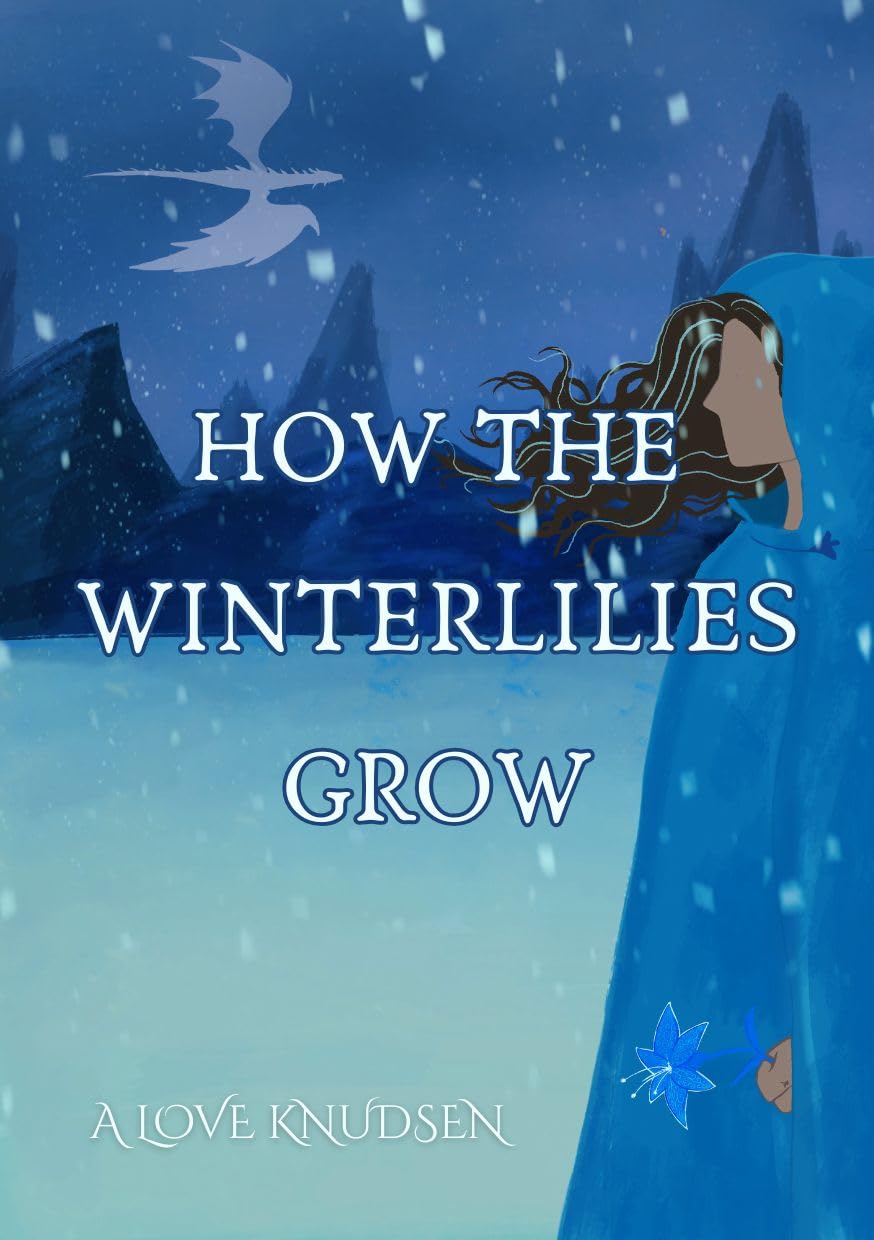
How the Winterlilies Grow follows Aradella, a young woman desperate to save her mother from the deadly Aurora Veins, as she is pulled from her ordinary life of candles and marketplace worries into a kingdom-shaking quest for the legendary winterlily. What begins as a search for a healing flower widens into a journey through dwarven bargains, goblin negotiations, sea voyages, hidden gardens, spiritual testing, and open rebellion against King Draven’s cruel rule.
I was most drawn to the way the book treats courage as something trembling rather than polished. Aradella is not a fearless heroine carved from marble; she is anxious, stubborn, tender, and often overwhelmed. That makes her growth feel earned. Her search for the winterlily becomes more than a plot device. It becomes a crucible where grief, faith, control, and surrender all meet. The story’s Christian elements are direct and unmistakable, but they work best when woven into Aradella’s fear of losing her mother and her slow realization that she cannot carry the whole world by herself.
The novel also has an appealing classic fantasy feel. There are dwarves, goblins, sirens, magical weapons, winter-bound towns, royal decrees, secret histories, and a climactic ball that turns into something far more dangerous than ceremony. The story’s abundance makes the pacing feel crowded, and some scenes pause to explain feelings that the action already suggests. Still, I found the sincerity of the book hard to dismiss. Its best moments have a lantern-lit quality: warm, earnest, and bright against snow.
I think this book is best suited for readers who enjoy Christian fantasy, young adult fantasy, adventure, fairy-tale quests, and faith-based coming-of-age stories. Fans of C. S. Lewis’s moral clarity and Gail Carson Levine’s enchanted-kingdom sensibility may find familiar pleasures here, though this story leans more openly into devotional reflection. How the Winterlilies Grow is a snowy quest about healing, but its deeper bloom is trust. A tender fantasy where faith flowers in the coldest places.
Pages: 338 | ASIN : B0GX2Y96BD
Silver Lady: Travels Along the River Road

Silver Lady, by Susan E. Sage, is a literary work of magical realism with dystopian and protopian elements, following Cassie Navrone as she pilots a luxury houseboat downriver in the near future after the Great Collapse and the mysterious Vanishing. Art, people, places, and memory itself seem unstable, and Cassie’s journey with a small group of passengers becomes far more than a delivery job. It turns into a strange, searching voyage through grief, fear, beauty, connection, and the question of what is worth saving when the world no longer follows familiar rules.
What I appreciated most about the book is how personal it feels. Cassie’s voice has a warm, wandering quality, and I often felt as if I were sitting across from her while she tried to make sense of each odd bend in the river. The captain’s log format works well because it lets the story move between daily details and larger reflections without feeling stiff. A meal, a storm, a disappearing poem, a troubling town, a strange animal encounter, and a memory of love can all sit beside each other in the same current. That looseness may not appeal to readers who want a tight, plot-driven dystopian novel, but for me, it gave the book its emotional texture. It feels less like a race toward answers and more like drifting through a world where answers keep changing shape.
Sage makes some bold choices, especially in the way she blends social collapse with wonder. The book is candid about violence, isolation, illness, and cultural fear, but it does not sink into despair. That is where the protopian side of the story comes through. Cassie isn’t trying to save the world in some grand, heroic way. She’s simply refusing to look away. She notices people. She mourns what disappears. She keeps moving. I liked that the magical realism is not treated as a puzzle to be solved neatly. The sentience of the Silver Lady, the unstable towns, the vanishing art, and the river’s almost spiritual pull all ask the reader to accept mystery as part of the experience. The book is about living when the ground, or in this case, the water, refuses to stay still.
I would recommend Silver Lady to readers who enjoy reflective literary fiction, magical realism, and softer dystopian stories that care more about inner change than spectacle. It will especially appeal to those who like character-driven journeys, older protagonists, symbolic landscapes, and books that leave room for wonder. This is a thoughtful novel that stays engaging because its strange moments and underlying tension give the journey real weight.
Pages: 235 | ASIN : B0DH9CJGXM
Longer Than A New York Minute: A Samantha Wright Crime Series #3


Theresa Janson’s Longer Than a New York Minute is a crime novel wrapped tightly around a love story, a family story, and a story about healing after violence. Samantha Wright Little Bear is no longer living the FBI life that once defined her, but she hasn’t lost the instincts that made her a profiler. Now she’s a wife, mother, counselor, writer, and advocate on the reservation, trying to build the kind of life she and Will keep calling “simple and real.”
The mystery begins with the death of Tad Collins, a wealthy New Yorker who had become chosen family to Sam and Will. What’s first labeled a suicide doesn’t sit right with Sam, especially once she and Will look closer. Her grief sharpens rather than clouds her judgment, and the investigation gives the book its procedural backbone. When Sam says, “He was murdered Will,” the story shifts from sorrow into purpose.
What makes the book feel personal is how much of it lives in the everyday rhythms around the case. There are meals, babies, horses, family routines, anniversaries, and quiet conversations at the lodge pole. Janson gives Sam and Will’s marriage a lot of room on the page, and their intimacy is part of how they communicate, grieve, reconnect, and steady each other. The result is a novel where romance isn’t a subplot tucked beside the crime; it’s part of the engine.
The book also spends serious time with abuse, trauma, and the difficult work of helping people who may not be ready or able to leave danger behind. Sam’s counseling work with abused women gives the story moral weight, and it connects back to the dedication in a meaningful way. This isn’t just a murder investigation about one victim; it’s about how violence spreads through families and communities, and how people like Sam try to interrupt it one person at a time.
Longer Than a New York Minute is best read as a continuation of a deeply established emotional world. It’s intimate, protective, grief-struck, sensual, and family-centered, with the mystery acting as one strand in a larger portrait of survival and commitment. The book’s heart is Sam and Will’s chosen life together, and the crime plot matters because it threatens the people, peace, and hard-won sense of home they’ve built.
Pages: 200
Born of Empire

Born of Empire, by S.A. Melia, is a science fiction thriller about power, inheritance, loyalty, and survival inside a richly imagined empire. The story follows Guy Erma, an unregistered Domeside orphan desperate to join the Dome Militant, and Prince Teodor, the young heir whose life is wrapped in politics, danger, and expectation. Around them are fashion houses, alien diplomacy, cyborg soldiers, royal secrets, and a growing sense that the empire’s polished surface is hiding something much darker.
What struck me first was the sheer density of the world. Melia throws the reader into a society that feels strange but lived-in, where military ritual sits beside high fashion, and royal ceremony can turn into a trap before anyone has time to breathe. I liked how the book doesn’t treat its young characters as simple symbols. Guy is proud, hungry, reckless, and easy to root for, even when he makes bad choices. Teodor, meanwhile, carries privilege, fear, grief, and duty in a way that makes him more than just “the prince.” I think that contrast gives the story a solid emotional spine.
I also found myself thinking a lot about the author’s choices. The sci-fi thriller elements work best when the danger feels personal, not just political. The Battle Borgs, the Dome, the kidnapped prince, and the shadowy deals all add tension, but the moments that stayed with me were quieter ones, like Guy holding Teodor’s shoes and realizing what he has seen, or Marline facing the brutal limits of her own future. Those scenes give the book its bite. At times, the worldbuilding is a lot to take in, and I occasionally wanted more room to sit with one thread before another arrived. Still, there is an energy here that kept pulling me forward.
I would recommend Born of Empire to readers who enjoy science fiction thrillers with royal intrigue, political danger, young heroes under pressure, and a world that feels big enough to keep unfolding after the final page. Fans of space opera, dystopian power struggles, and stories about outsiders trying to claim a place in a rigged system will likely find a lot to enjoy here. It is ambitious, fast-moving, and full of sharp edges.
Pages: 259 | ASIN : B0BY7QBQJF


