Blog Archives
I Wish you Dream
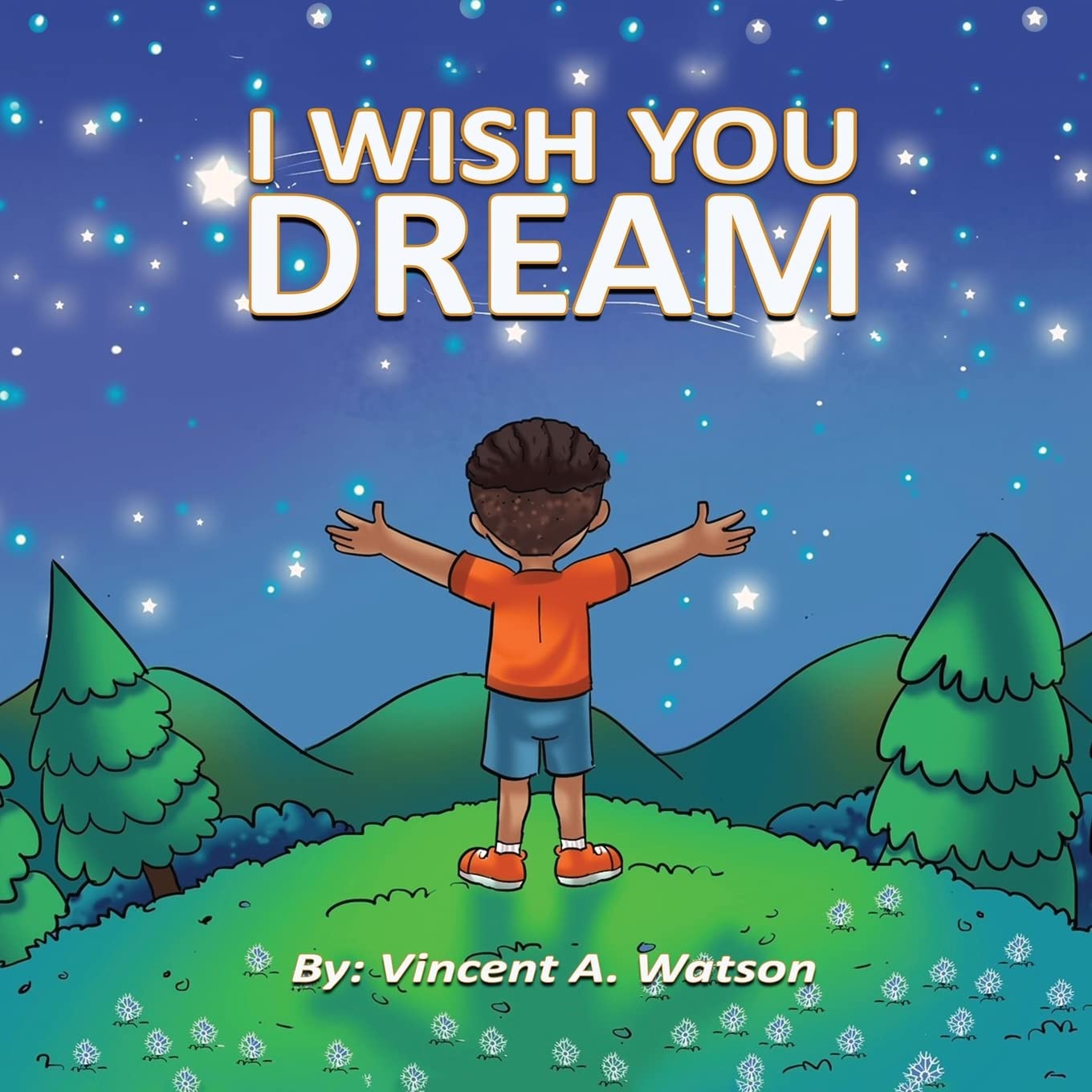

Vincent A. Watson’s I Wish You Dream is a tender and imaginative picture book that celebrates the beauty of childhood wonder. Through rhythmic verses and vivid imagery, it invites children, and adults, to dream freely and boundlessly. Each page spins a new fantasy: a pirate adventure, a moonlit game of hide and seek, a tea party in Paris with a talking spoon. The book feels like a lullaby wrapped in color and curiosity, carrying a gentle message about love, hope, and the power of dreams.
Reading this picture book felt like being pulled back into the easy magic of childhood. The writing flows like a song, simple and pure, yet filled with heart. The rhymes feel natural, not forced, and the scenes are whimsical without being overly sweet. I caught myself smiling as I pictured gumdrops falling from the sky and dinosaurs crossing deserts. It’s playful, sure, but it also holds a quiet sincerity. Watson doesn’t just tell children to dream, he tells them to keep dreaming, no matter what.
What I love most is the emotion tucked between the lines. There’s this sense of warmth that feels personal, almost like a parent whispering encouragement at bedtime. The dedication to his children and “all the kids around the world” makes it even more heartfelt. The language is simple, but the message is big.
I’d recommend I Wish You Dream to parents who love reading aloud, to teachers who want to inspire imagination, and to anyone who believes dreams matter, even when we grow up. It’s sweet, it’s kind, and it leaves you smiling.
Pages: 32 | ASIN : B0C549CPHC

Such Myths Should Not Be Dismissed
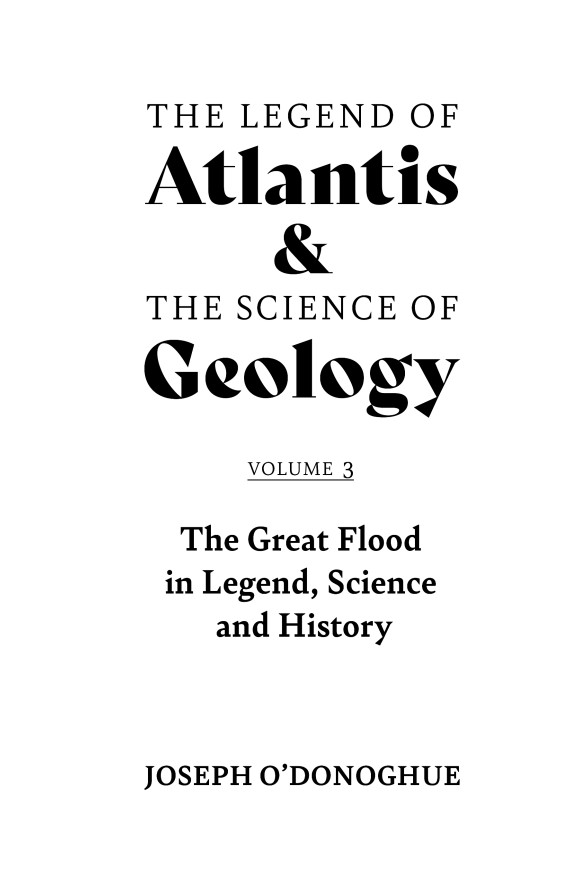
The Great Flood in Legend, Science, and History explores one of the world’s most enduring legends, the Great Flood, and examines geological evidence alongside stories from Mesopotamia, the Bible, Greece, and Native American legends. Why was this an important book for you to write?
This was an important book to write because research into other topics indicated that a major event involving extraordinary flooding definitely occurred about 5,000 years ago, which is about the time that Noah’s Flood is considered to have happened. The evidence used is almost entirely geological and archaeological and comes from orthodox academia.
What were some ideas that were important for you to share in this book?
Important ideas to share are that myth and legend might indeed be based on real events and such myths should not be dismissed as based solely on the imaginations of our forebears. This book shows that a flood such as Noah’s did occur and was caused by the close approach and pass-by of a cosmic body such as a comet.
Did you find anything in your research on this topic that surprised you?
Probably the most surprising thing was the abundance of scientific evidence testifying to a great flood as having occurred in the deep past.
The Legend of Atlantis & The Science of Geology is a fascinating series that sheds new light on geological events. What can readers expect to learn about in Volume IV of the series?
Volume IV of the series for the most part addresses the archaeology of the Mediterranean region, from Greece to the Levant and around to Egypt, where the evidence is analyzed and compared with the standard mainstream interpretation. This region is home to a considerable number of archeological puzzles that are difficult or impossible to explain via standard doctrine. The book also examines the surface geology of Egypt and North Africa and finishes up with an exploration of the enigmatic buildings on the Maltese Islands.
Author Links: GoodReads | Amazon
This book takes a very different approach to the Great Flood, and floods in general, as compared to academic geology or archaeology. As before, the book deals with the legend of a great flood in a serious, open-minded, and scientific way, in an effort to determine whether there is something behind these flood legends, or if, indeed, they can be dismissed as easily as orthodoxy claims.
The Great Flood legend, and many others are first discussed, including those of the Makah and Klallam we examined in volume 1. The book then deals with how geomythologists treat the Great Flood legend. Unsurprisingly, modern geology gives these legends no credence whatever, and explains the Flood in the usual fashion of a mere local flood exaggerated into a great global disaster. That or a bolide impact causing a tsunami or a sill-overtopping flood into the Black Sea.
Considering the parallels between the Great Flood legend and those of the Makah and Klallam, a comparison seems compulsory, and, as we recall, the nature of the Native American flood descriptions suggested a cosmic body as being the most likely cause, which cause might possibly be the same for the Great Flood in Mesopotamia.
The first part of the book, therefore, examines the Flood from the point of view of legend and makes a case for why the legend cannot be so easily dismissed.
Building on that conclusion, the second part of the book addresses the Great Flood, and major floods in general, from an entirely scientific viewpoint. We begin with the early days of modern science in the sixteenth century and the first efforts to explain the Flood scientifically. Two scientists, Edmond Halley and William Whiston suggested a cometary cause, the reason being that there appears to be nothing on or within the earth that could cause such a flood as described in the Bible.
As the natural sciences developed during the eighteenth century, much of the evidence seen all over Europe was interpreted as due to large-scale flooding, and the term “diluvialism” came into use. While it was initially thought that the flooding in question was due to Noah’s Flood, by the end of the century it was generally held that the evidence implied that a much different and far more powerful flood was involved.
By the early nineteenth century, Noah’s Flood had been abandoned as the cause of the evidence by the majority of geologists and a much more dynamic flood was envisioned. Again, a comet was proposed as the cause and diluvialism remained a general belief until Charles Lyell published his books in the early 1830s, promoting uniformitarianism, which denied the reality of major flooding as ever having occurred.
Since Lyell was inspired by the theories of James Hutton, who advocated an infinitely old earth with geological change happening too slowly to be observed, we take a close look at Hutton’s famous Siccar Point unconformity. Contrary to Hutton’s conclusions, this book finds that Siccar Point represents a catastrophic event and not a long slow sequence of gradual change.
An examination of two long-recognized outburst floods due to natural dam failures follows and both are, in fact, found to be misinterpretations of the evidence by the geologists involved.
The book then moves to the realm of archaeology and we begin with Leonard Woolley and the evidence of a major flood in the valley of Mesopotamia. Woolley found exceedingly thick layers of sediment at the site of Ur of the Chaldees, and other such layers were found at many other sites. While the evidence was “explained away” as a number of individual floods, a close study finds that they are all synchronous and due to one flood, the Great Flood of legend.
Further, a cuneiform tablet shows a comet in the sky at 3123 BCE, close to the estimated date of the Flood from other evidence. Hence, this book proposes that the Great Flood occurred in 3123 BCE.

I then had a story to write!

Snoodles in Space: Escape from Zoodletraz follows a Zoodle who breaks a rule by getting a pet, he winds up in a prison no one has ever escaped from. What was the inspiration for the setup of your story?
The inspiration came from my illustrator, Andy Case. In November 2023, he released his first album, Leap of Faith. There were three songs that came one after the other that set up the story in my head. Literally, it was one song after the other! “Lost Souls in the Dark” had that guitar rift that remined me of U2’s “Sunday Bloody Sunday” but in a darting kind of way, and I pictured Snoodles flying through space to rescue our heroes. The next song “Break Free” had a slower guitar play and reminded me of a spaceship slowly rising from the planet. Then came “Should Have Sent a Card”. It is a hysterically funny song about someone trying to write a love song and failed. Because he failed, he sings out “I should have sent a card!”
I then had a story to write!
In your story, Droodle meets some amazing new characters. What was your inspiration for their characters’ interactions and backstories?
Well, they are inspired by Pop Culture! Swifty Swoodle is definitely Tayor Swift. Grandfafoodle was inspired by the crazy father of Dick VanDyke in Chitty Chitty Bang Bang. The Trash Can Cats was inspired by seeing a bunch of cats around a trash can looking for mice in NYC.
What were some goals you set for yourself as a writer in this book?
This is the fourth book in the series. I couldn’t write a book just to write a book knowing that it was not up to the first three. I had to write something that would surpass them, and make the universe of character bigger and the story crazier. I felt with this book, it was “mission Accomplished!”
I hope the series continues in other books. If so, where will the story take readers?
We will find out that Cloodle did not come from the planet Zoodle! Similar to the Superman story, Cloodle is a baby on a planet that is disintegrating because of global warming, and he is put in a small spaceship with his poodle, Krazoodle, and lands on the planet Zoodle. Strap up because you will be in for quite a ride?
Author Links: GoodReads | Facebook | Website
Enter a cast of brilliantly bonkers heroes: noodle-powered scientists, intergalactic musicians, talking cats with trash can drum kits, and a villain so cranky he reads self-help books about revenge. There’s also a Jalapeño Popadoodle Noodle, a flying Balloonadoodle, and something called a Cloakadoodle Swoodle Car. Don’t ask, just roll with it.
This wackadoodle tale is packed with vibrant art, making it perfect for young and old readers who love silly stories, bold visuals, and absolutely zero boring parts.
Whether your kid’s obsessed with noodles, aliens, or saying the word “Groodle” over and over again, Snoodles in Space: Escape from Zoodletraz! is the laugh-out-loud ride you’ve been waiting for.
Time to get ready for your NEXT GREAT ESCAPE!
It’s Just the Spark

The Broken Weathervane follows a woman trying to unravel a family mystery who takes a new job with an English professor who is working on a biography that he does not realize is tied to her family. What was the inspiration for the setup of your story?
My dad shared a family story about his father and uncle who were in business together with a younger brother who struggled quite a bit. The two older brothers did everything in their power to help him succeed in his own businesses and later let him work at theirs. I loved the way they cared for him despite all the difficulties they encountered.
This was the spark of the 1950s timeline in my novel. However, it’s just the spark. It’s not a story about my family, and the characters took on lives of their own.
In the 2015 timeline, I needed two people at cross purposes with each other—both seeking the same information for different reasons.
I found Leslie to be a very well-written and in-depth character. What was your inspiration for her and her emotional turmoil throughout the story?
It was important for Leslie to have understanding of mental health issues, some from experience, some from study and observation. Having safeguarded her family’s identity and history her entire life, she wrestles with how to handle newfound information she’s been wondering about for years.
Since her life had to overlap Greg’s at the university, I gave her an education background (previously a high school English and literature teacher) and made her a grants officer at the college so she’d have to work directly with Greg from time to time.
Part of her turmoil comes from keeping secrets from Greg who doesn’t even know she’s part of the Buckwalter family that he’s been researching. While honoring her grandmother’s wishes for privacy, she could be putting Greg in jeopardy by withholding information.
What were some themes that were important for you to explore in this book?
In the 1950s timeline, one of the characters deals with mental illness. My hope is to reduce the stigma of mental illness by learning about it, discussing it, and having empathy for those who suffer.
Directly related is the question of transparency and truth. When is it important to be transparent and when should privacy and protection of loved ones take priority? There are no easy answers.
The Broken Weathervane is conducive to great book club discussion. There are resources and nine questions at the back of the book and on my website. I’d be happy to visit any book club in person or via Zoom.
What is the next book that you are working on, and when can your fans expect it to be out?
My next book is historical fiction, as usual, but it goes back further into time than my other books. Rain in the Wilderness is Biblical fiction set in the time of Christ. The main character is Rebekah, mother of three adult children. One son works for a Roman centurion; another despises all things Roman.
In Jerusalem and beyond, the Jews writhe under the oppressive Roman Empire, longing for a political Messiah. At the center of controversy, Jesus of Nazareth seems an unlikely prospect. Ruthless debates unite his enemies while further dividing Rebekah’s family.
After years of research and writing, I’m thrilled this novel will finally be published on October 13, 2026.
Author Links: GoodReads | Website | Bookbub | LinkedIn
As Leslie Wickersham, Raymond University grants officer, seeks information to unravel a family mystery, English professor Gregory Stafford seeks an elusive interview with one more Buckwalter relative for his upcoming author biography. While Greg and Leslie guard coveted details from each other, her goals are further complicated by letters of blackmail threatening to reveal all she has worked hard to hide.
In this dual timeline novel alternating between 2015 and the 1950s, loyalty is tested and secrets abound when family honor collides with truth. Leslie grapples with the trade-off: how far will a person go to help a loved one thrive?
MY SEXUAL AWAKENING AT 70


My Sexual Awakening at 70 is a raw and daring memoir about rediscovery. Author Lynn Brown Rosenberg lays her life bare, tracing the path from a childhood steeped in repression and control to a late-in-life explosion of freedom, sensuality, and truth. The book moves between her past, domineering parents, a complicated marriage, and years of self-doubt, and her present, where she embarks on an unapologetic journey of sexual and emotional awakening. Through online encounters, erotica, and unfiltered introspection, Rosenberg chronicles not just the story of an older woman reclaiming pleasure, but of a human being learning to stop asking for permission to exist.
I found myself amazed by the honesty. It’s fearless. The writing feels like someone thinking out loud, recalling memories, laughing at herself, and still managing to hit deep emotional truths. There’s something disarming about how Rosenberg admits her confusion and her cravings in the same breath. I admired her courage. At times I cringed, sometimes I smiled, and more than once I felt protective of her. The story doesn’t hide behind metaphor or decorum. It’s blunt, messy, and completely alive.
The tone swings from tender reflection to explicit sexual detail abruptly. The writing isn’t polished in a literary sense, but it’s authentic. I could feel the author working through her shame, sentence by sentence. And that, more than perfect phrasing, makes the book resonate. It’s not erotica for titillation. It’s confession. It’s a woman wrestling with the ghosts of her upbringing and winning, one awkward online chat and vibrator purchase at a time. The humor, the pain, the wonder, they all spill out in a way that feels real.
I’d recommend this memoir to anyone who’s ever felt cut off from their desires or silenced by expectation. It’s not a book for the faint of heart; its sexual content is frank and unfiltered, but beneath the surface, it’s relatable. It’s about reclaiming voice, body, and agency, no matter how late in life that happens. It’s also a reminder that it’s never too late to grow, to take risks, and to feel alive again. I think people who appreciate honest, self-examining memoirs like Eat, Pray, Love or The Sexual Life of Catherine M. will find this deeply resonant.
Pages: 318 | ASIN : B00OH0HUHK
The Magician’s Wife

Lora Jones’s The Magician’s Wife is a taut and layered mystery that begins with a dazzling stage illusion and ends in something far darker and stranger. The story follows Clare Deyes, a small-town journalist who gets pulled into the disappearance of Angel Devereaux, a magician’s glamorous assistant who vanishes during a live TV performance. What starts as curiosity turns into obsession, dragging Clare into the world of illusionists, deception, and secrets that twist tighter with every chapter. Jones builds a world that feels both familiar and dreamlike, where each reveal feels earned yet surprising.
I loved how Jones wrote with restraint but always hinted at chaos beneath the surface. The pacing was clever, slow and careful when it needed to be, then suddenly sharp and breathless. Clare’s voice felt authentic, flawed, a little sarcastic, and completely human. I could feel her frustration and fear as her investigation blurred the line between truth and illusion. Some parts made me laugh in disbelief, others made me uneasy in that delicious, can’t-put-it-down way. The writing itself was crisp and vivid, not fancy or distant, and it carried emotion without ever trying too hard.
What surprised me most was how emotional the story became. It wasn’t just about a missing woman or a trick gone wrong; it was about grief, guilt, and the lengths people go to hide from themselves. I found myself caring deeply for Clare, even when she made bad choices. The book made me think about how truth can be an illusion too, how easily we buy into the stories we’re told. There were moments that genuinely chilled me, not because of ghosts or gore, but because of how real the manipulation felt. Jones doesn’t just write about magic; she writes about the hunger for belief.
I’d recommend The Magician’s Wife to anyone who enjoys mysteries with heart, readers who like their thrillers smart but not pretentious, and anyone who appreciates a story that keeps you guessing long after the last page. It’s for people who love a bit of strangeness mixed with grit. It’s clever, haunting, and unexpectedly moving.
Pages: 382 | ASIN : B0FV92H5RQ
Uncommon Sense – For the Voters Who Can Save America from Itself

David Givot’s Uncommon Sense is a raw, unfiltered, and unapologetic deep dive into the heart of American dysfunction. The book sets out to diagnose the disease of modern politics, tracing its symptoms through history, culture, and ideology. Givot blends civic education with rant, reflection, and rally cry. He moves from the founding documents of the United States to the wreckage of today’s polarized climate. Along the way, he weaves lessons about government, power, media, and morality into something that feels part history textbook, part barroom sermon, part therapy session for a divided country. It’s loud, often funny, sometimes harsh, and always honest.
Givot’s writing is conversational but sharp. He swears, he jokes, he gets sentimental, and then he slams you with a paragraph that makes you sit up straight. He’s angry, but the anger comes from love. Love of country, love of reason, and maybe even a stubborn hope that we aren’t too far gone. He doesn’t coddle anyone. Both parties take hits. The reader gets hit too. At times, it reads like a wake-up call, a challenge to stop being lazy thinkers and to take back the idea of citizenship. What makes the writing work is its rhythm. Sentences snap. Thoughts come in bursts. There’s no polished political language, just a man trying to talk sense in a world that’s lost it.
I’ll admit, I argued with him in my head more than once. He reminds you that real patriotism isn’t about cheering your team; it’s about caring enough to question it. He calls out hypocrisy wherever he finds it, and though he uses humor to soften the blows, the message cuts deep. Reading this book, I felt frustrated, amused, and oddly hopeful. That’s a rare mix, and it’s what kept me turning pages.
In the end, Uncommon Sense isn’t for everyone. If you prefer quiet agreement or delicate politics, this won’t be your thing. But if you’ve ever yelled at the news or wished someone would just say what we’re all thinking, this book will resonate with you. It’s for voters who still believe America can do better, who want to understand how it went off the rails, and who don’t mind being a little uncomfortable while figuring it out. It’s a loud, messy, heartfelt call to think harder, talk honestly, and demand more, from ourselves and from the people we elect.
Pages: 400 | ASIN : B0FH2W8FF6
Tremor in the Hills
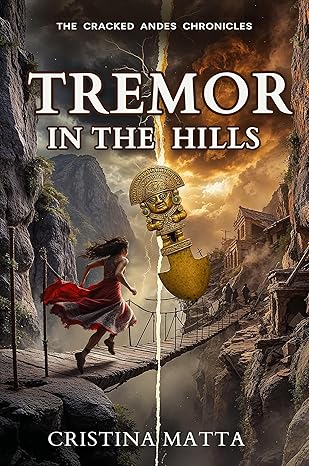
Cristina Matta’s Tremor in the Hills is a gripping young adult mystery set in post-earthquake Peru. The story follows Tamara, a teenage girl struggling with trauma after surviving a devastating quake. When she returns to Manchay to visit her family, her best friend K’antu’s husband is found murdered, and K’antu vanishes. Torn between fear and guilt, Tamara sets out to find her friend and uncover the truth. What unfolds is part mystery, part emotional reckoning, and part cultural portrait, full of vivid landscapes, buried secrets, and human fragility.
The writing is intimate and immediate. I could feel the grit of the Peruvian desert, the tremor beneath the earth, and the weight of Tamara’s panic as if it were my own. Matta writes trauma the way it exists — not in neat scenes, but in waves, sudden and unstoppable. Her sentences don’t just tell a story; they echo the disjointed rhythm of someone haunted. I loved how she wove the cultural and historical context naturally into the dialogue and environment. It didn’t feel like a history lesson. It felt lived-in. Real. Still, sometimes the prose tripped over itself, moving too quickly when I wanted it to breathe. I found myself rereading passages not because I didn’t understand them, but because I didn’t want to miss a single heartbeat of emotion.
The characters felt raw, even when they frustrated me. Tamara’s self-absorption made sense, and K’antu’s silence spoke louder than most people’s screams. What stayed with me most, though, wasn’t the murder mystery. It was the quiet undercurrent of guilt, survivor’s guilt, social guilt, the guilt of privilege. Matta doesn’t lecture; she just shows what happens when the world falls apart unevenly and who gets to rebuild. The dialogue felt real and unpolished in the best way, and the tension between classes and families simmered beneath every conversation. There were moments where the pacing slowed or where I wished a secondary character had been fleshed out more, but those dips didn’t shake my connection to the story.
This isn’t just a story about murder or earthquakes. It’s about what happens afterward, when you’re left standing on uneven ground. Tremor in the Hills will stay with readers who crave emotion more than perfection. It’s ideal for anyone who loves coming-of-age stories with a dark edge, mystery readers who like their puzzles tangled with human pain, or anyone who’s ever tried to rebuild themselves after everything cracked open.
Pages: 282 | ASIN : B0FQ26XKFB



 LITERARY TITAN