Blog Archives
Plans: A Haterius Family Adventure


Plans by Pamela Percival is a Christian family adventure novel that blends domestic suspense, international travel fiction, and coming-of-age family drama. At its center is Aggie Haterius, a widowed cybersecurity professor raising three strong-willed daughters: twins Kae and Domi, and their younger sister, Claudia. A long-awaited summer trip begins just as Aggie’s professional success attracts dangerous attention. Percival tells the story through multiple viewpoints, giving readers access to Aggie’s protective instincts, the twins’ changing relationship, and Claudia’s struggle to find her own place within the family.
The suspense grows from two connected threats. Aggie’s work on the highly classified Mojave Project has made her valuable to governments and criminals, while a delusional colleague, Dr. Robert Sterling, has become increasingly violent. Once the family reaches Israel, the book develops into a cybersecurity thriller and international conspiracy story. Sterling’s attacks are immediate and personal, while the stolen software creates a broader danger. The combination gives the novel an unusual identity, mixing a stalker thriller with technological intrigue and a mother’s determination to protect her children.
Family life provides the book’s emotional center. Kae, Domi, and Claudia argue, tease, compete, and defend one another with convincing intensity. Their sightseeing, hotel stays, meals, and mishaps give the novel the texture of a detailed family travel adventure. Claudia’s desert excursion is especially important because it lets her become the informed, confident sister for once. Faith also plays a role, making this clean Christian suspense novel as interested in courage, loyalty, and providence as it is in danger. The measured, scene-by-scene storytelling allows readers to spend plenty of time with the Haterius family before the plot takes its largest turn.
That turn transforms Plans into speculative time travel fiction while setting up the larger Haterius Family Adventure series. A desert sandstorm, an assassin, an extraordinary lightning event, and a seemingly impossible disappearance bring the novel to a striking cliffhanger. The included preview of No Plans, Book Two, reveals that Aggie and the children have entered a world where ancient Aramaic is spoken and camels have replaced modern transportation. Readers who enjoy Christian family fiction, multi-POV adventure novels, cybersecurity suspense, and time travel series will find plenty to explore here. Plans is a story about a capable family whose careful preparations lead them into an adventure far beyond anything they imagined.
Pages: 291 | ASIN: B0GY4N5142

Literary Titan Gold Book Award: Fiction

The Literary Titan Book Award honors books that exhibit exceptional storytelling and creativity. This award celebrates novelists who craft compelling narratives, create memorable characters, and weave stories that captivate readers. The recipients are writers who excel in their ability to blend imagination with literary skill, creating worlds that enchant and narratives that linger long after the final page is turned.
Award Recipients














The Voice of Cuba by Amarilys Rassler
Visit the Literary Titan Book Awards page to see award information.
Literary Titan Silver Book Award

Celebrating the brilliance of outstanding authors who have captivated us with their skillful prose, engaging narratives, and compelling real and imagined characters. We recognize books that stand out for their innovative storytelling and insightful exploration of truth and fiction. Join us in honoring the dedication and skill of these remarkable authors as we celebrate the diverse and rich worlds they’ve brought to life, whether through the realm of imagination or the lens of reality.
Award Recipients











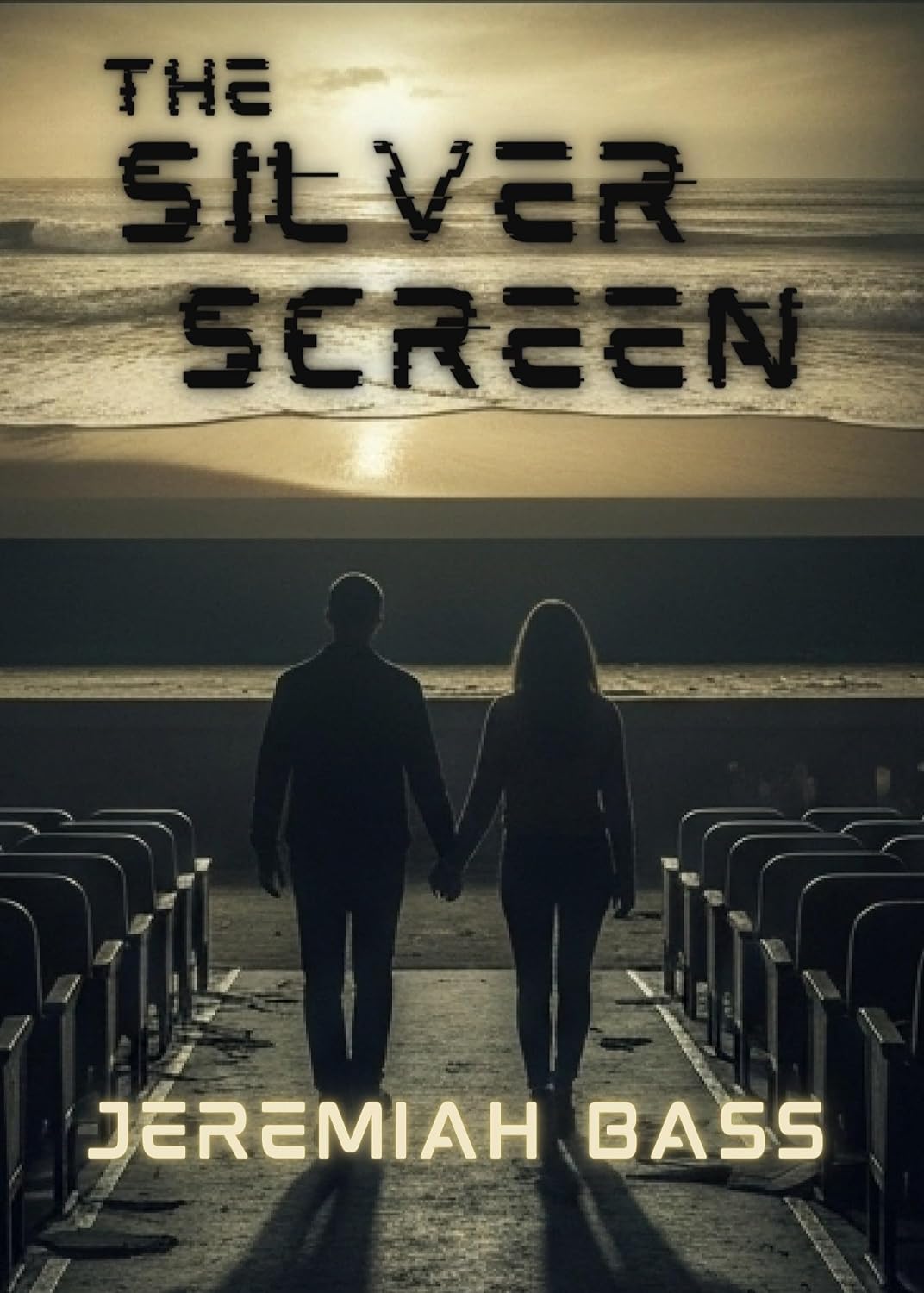


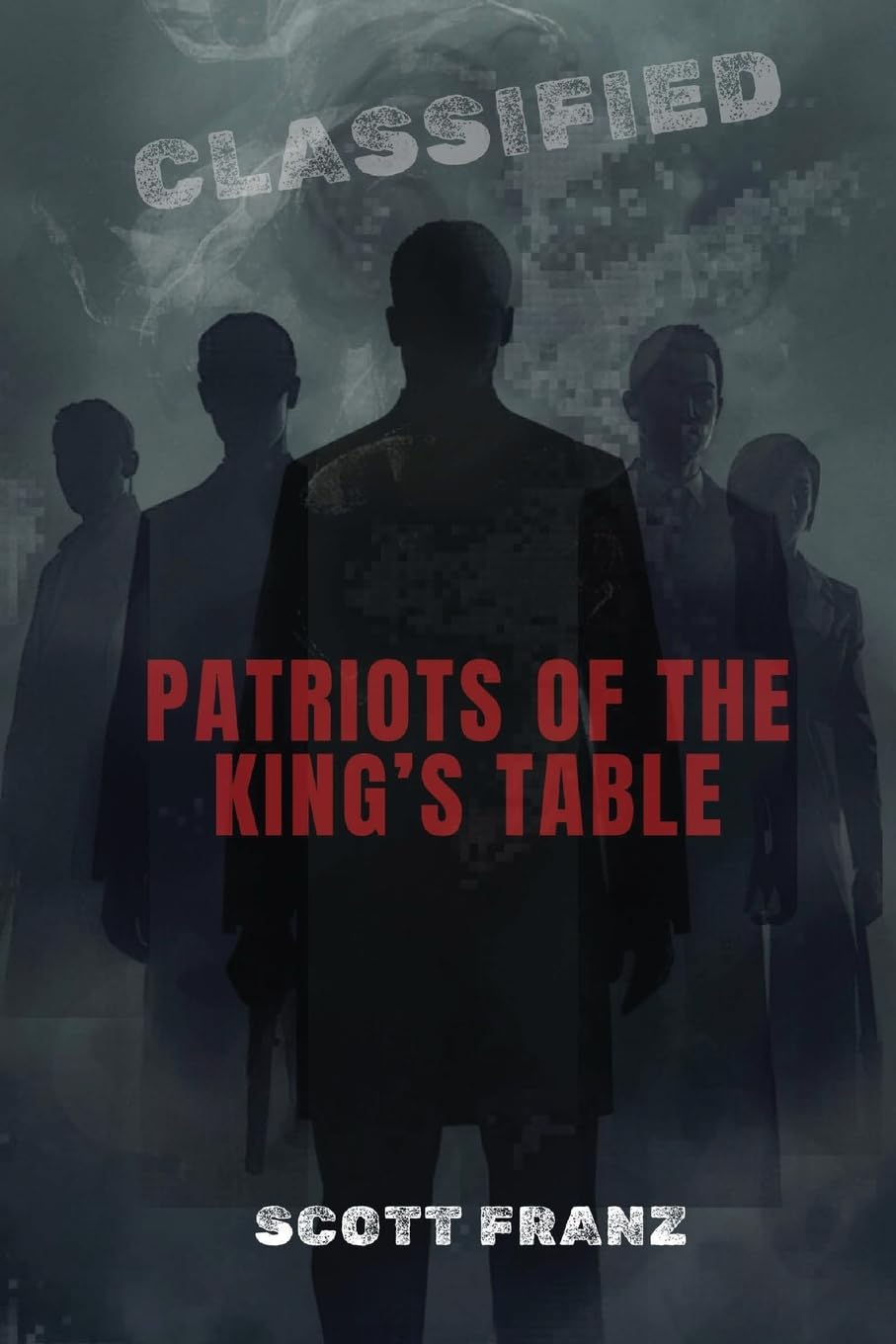
ȚEPEȘ: VLAD III DRACULA by Sebastian Valerius
Out of the Water by K Browning
The Galaxy of Kon-Ki: Waking on Earth by Colin Nimer
Visit the Literary Titan Book Awards page to see award information.
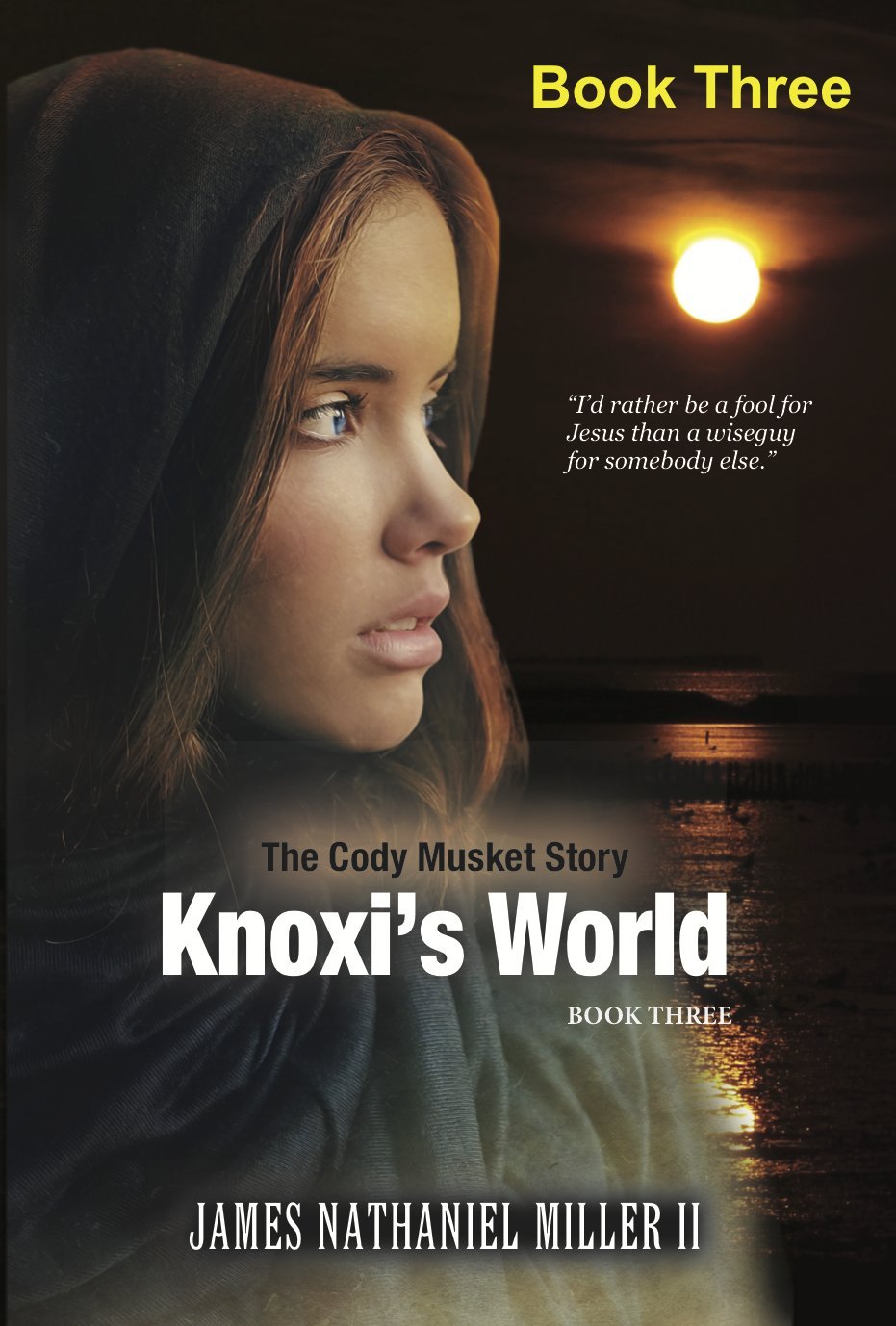
Knoxi’s World

Knoxi’s World by James Nathaniel Miller II is a sprawling Christian action thriller that mixes human-trafficking conspiracies, college basketball, romance, covert rescue missions, political intrigue, and futuristic quantum technology. The story follows Knoxi Musket, an eighteen-year-old University of Texas freshman whose plans for basketball and a future in politics are interrupted when she becomes involved with Alexis Blanca, a trafficking survivor hiding behind the identity of Tejano star Glorietta Zomata. That encounter draws Knoxi and her extended circle into an international corporate scheme designed to protect and profit from forced labor. It’s a big, crowded story, but its central concern stays personal: what happens when someone sees another person suffering and decides that walking away isn’t acceptable.
Knoxi is an appealing lead because her courage comes with fear, confusion, and emotional consequences. She can confront a hostile reporter, fight an attacker, fly into danger, and make hard decisions under pressure, but the book also lets her grieve over the people she can’t rescue. Her faith isn’t simply part of the setting. It shapes her choices, her relationships, and the way she understands responsibility. The strongest scenes often involve survivors such as Alexis, Robbie, and Peaches. Their experiences give the conspiracy a human cost, while the Muskets’ lively family relationships keep the story from becoming relentlessly grim. Humor, romance, sports talk, and affectionate teasing regularly break through the tension.
The novel moves with the restless energy of a television action series. Chapters often end on gunshots, revelations, disappearances, or sudden changes of plan, and the narrative keeps widening until it includes cartels, compromised officials, media corporations, pirates, secret military technology, and a corporate merger with global consequences. Readers of Ted Dekker may recognize the combination of Christian conviction, physical danger, moral confrontation, and heightened reality. Miller’s approach is warmer and more family-centered than Dekker’s darker psychological suspense, though. He’s especially interested in loyalty, marriage, parenthood, and the idea that ordinary acts of compassion can ripple outward. The futuristic inventions occasionally function like narrative wild cards, but they fit the book’s enthusiastic, anything-can-happen spirit.
What I liked most wasn’t the weaponry or the global plot. It was Knoxi’s realization that rescue work leaves wounds even when the mission succeeds. The book gives victory a complicated emotional texture, allowing her to feel relief, guilt, exhaustion, and renewed purpose at the same time. Rolfe Sagan’s surprising role also adds some welcome moral complexity, transforming a hostile media figure into someone whose final actions help expose the conspiracy, although the ending deliberately leaves questions about his fate. Knoxi’s World is earnest, energetic, and openly devotional, with a generous belief in courage, redemption, and the power of stopping for one vulnerable person.
Pages: 297 | ASIN : B0797LYXJN
Literary Titan Gold Book Award: Fiction
The Literary Titan Book Award honors books that exhibit exceptional storytelling and creativity. This award celebrates novelists who craft compelling narratives, create memorable characters, and weave stories that captivate readers. The recipients are writers who excel in their ability to blend imagination with literary skill, creating worlds that enchant and narratives that linger long after the final page is turned.
Award Recipients





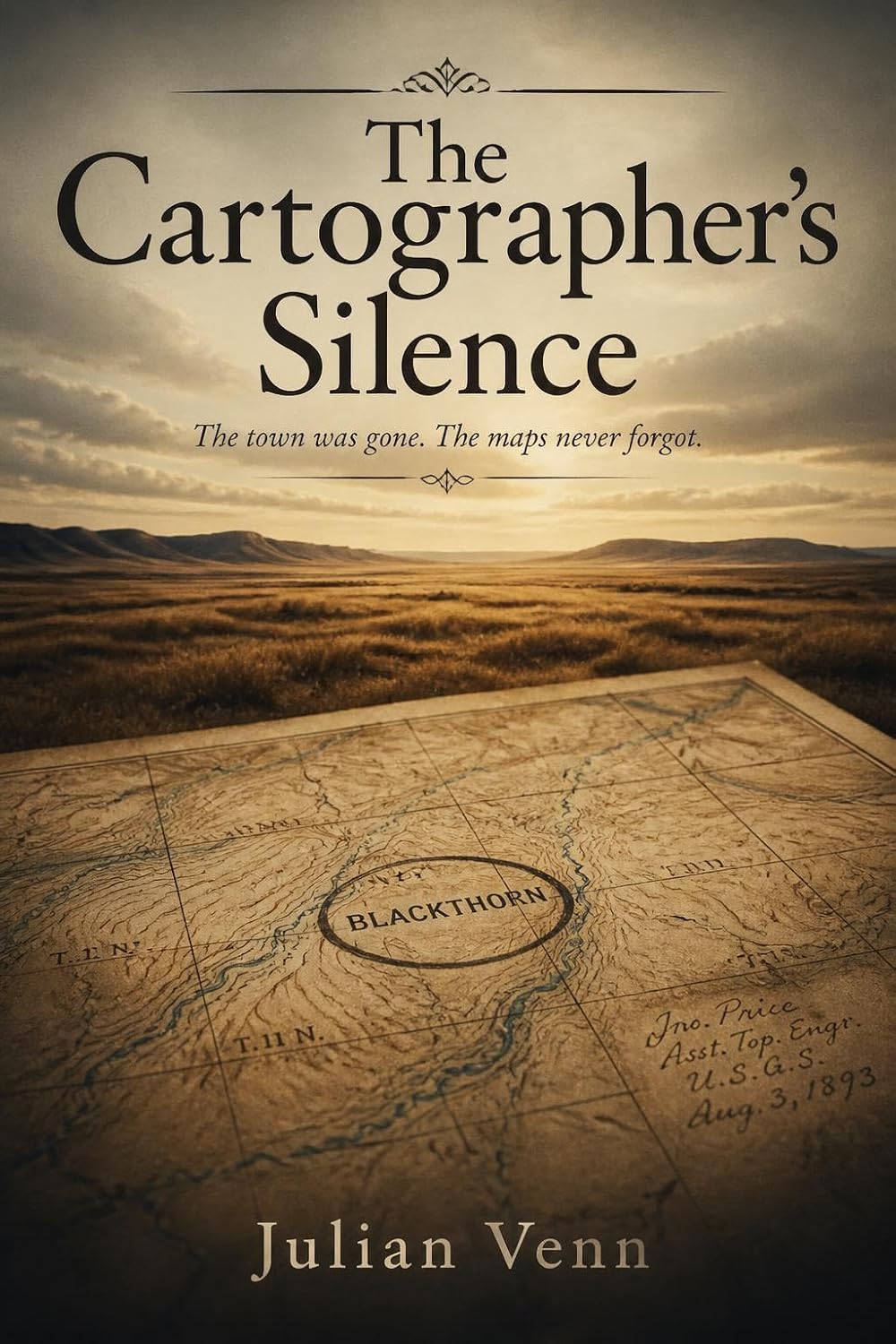


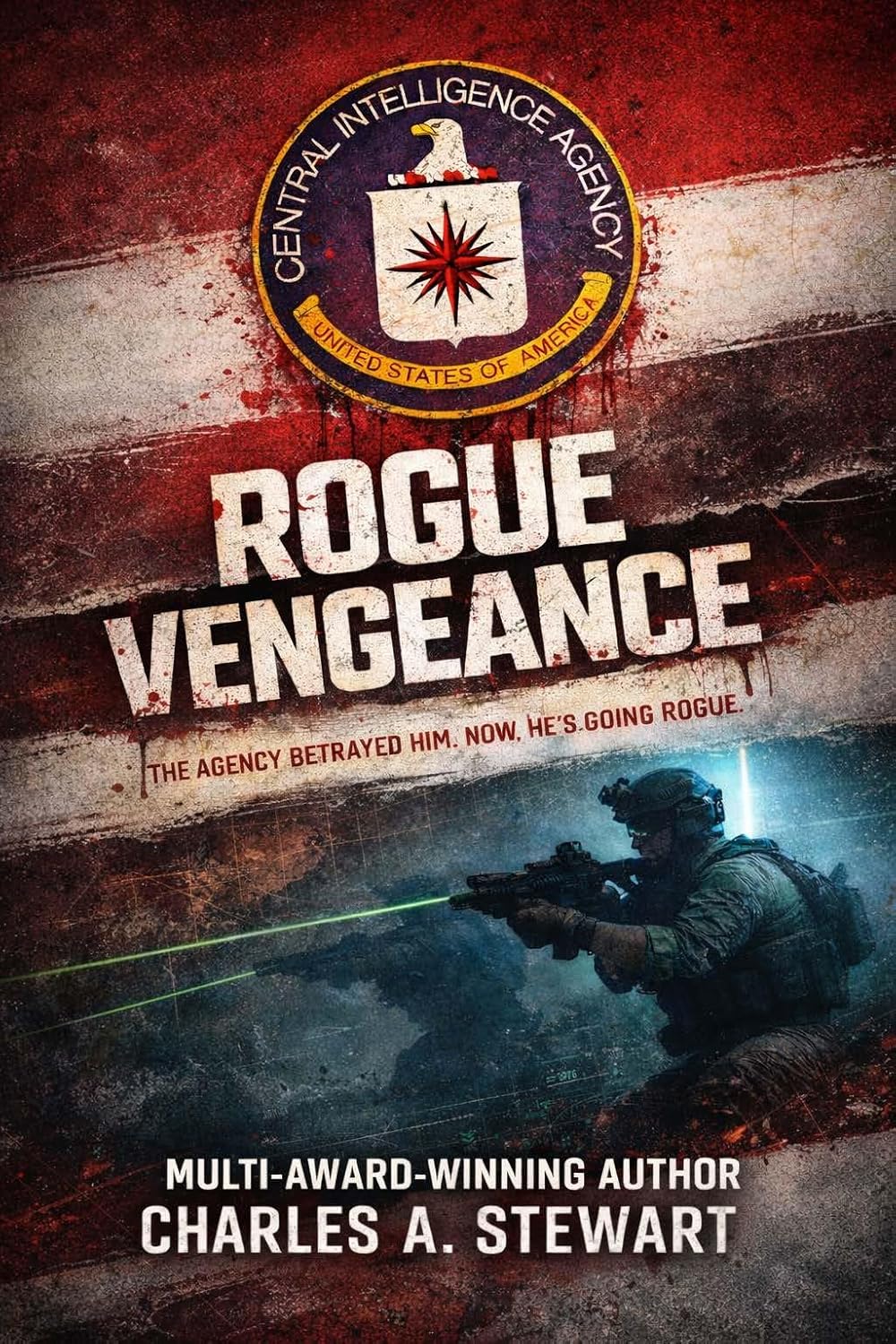


Restoration by Laura Brooke
Even Angels Wear Leather Jackets and Ride Motorcycles by J.A. McGovern
Visit the Literary Titan Book Awards page to see award information.
Literary Titan Silver Book Award
Celebrating the brilliance of outstanding authors who have captivated us with their skillful prose, engaging narratives, and compelling real and imagined characters. We recognize books that stand out for their innovative storytelling and insightful exploration of truth and fiction. Join us in honoring the dedication and skill of these remarkable authors as we celebrate the diverse and rich worlds they’ve brought to life, whether through the realm of imagination or the lens of reality.
Award Recipients













Crescent City Requiem by Brian Kaufman
The Suicide Council by Victer Hugo Basurco
Departure from Innocence by WILLIAM WILSON
Steel & Ballast by Markella Kara
Visit the Literary Titan Book Awards page to see award information.
How Do You Live Without Love?
How Do You Live Without Love?, the first volume in Anthony Bradshaw’s Dying Church series, follows Wesley Aames, a widowed pastor beginning a new assignment at New Covenant Methodist Church in Asheville. The congregation is aging, financially strained, and tangled in internal politics, while Wesley is still grieving the deaths of his wife and carrying guilt over his distant relationship with his daughter. What begins as a story about reviving a church gradually becomes a broader exploration of loneliness, suicide, community, and the emotional cost of believing you should be able to save everyone.
Wesley is the center of the novel, and his combination of humor, compassion, impulsiveness, and unresolved sorrow makes him easy to care about. He forms relationships with teenagers, elderly church members, troubled families, a wounded dog, and several people living at the edges of the community. These encounters give the book its warmth. Small acts such as sharing food, repairing a porch, listening to a frightened caller, or sitting beside someone in grief often matter more than Wesley’s sermons. The large cast can take some time to sort out, but many of the supporting characters develop distinct personalities and create the sense of a town where everybody’s life touches somebody else’s.
Bradshaw writes in a direct, accessible style that mixes serious subjects with teasing dialogue, church gossip, food, music, and Wesley’s frequently sarcastic inner commentary. The humor keeps the novel conversational even when the story deals with suicide, racism, homophobia, religious conflict, and bereavement. At times, the repeated jokes and extended conversations slow the pacing, and some conflicts are drawn in broad strokes. Still, the emotional through line remains strong because Wesley’s struggle is personal. He wants to lead with love, but he has to learn that love doesn’t give him control over what other people choose or protect him from failure.
I’d recommend this book most to readers who enjoy character-driven Christian fiction, small-town stories, and novels about imperfect people building community through practical kindness. It should also appeal to readers interested in the everyday work of ministry, especially the complicated space between faith, institutional politics, and human need. The ending provides a dramatic climax while leaving Wesley’s healing unfinished, which fits the opening volume of a series. More than anything, the novel presents love as a daily responsibility: listening, feeding, forgiving, showing up, and continuing to care even when the outcome can’t be guaranteed.
Pages: 280 | ASIN: B0FKSSCMV8
A Prophetic “Frame” For The Novel

The Time of the Seventh Angel follows journalists, political operators, military figures, and shadowy power brokers as Cold War paranoia, biblical prophecy, media manipulation, and nuclear brinkmanship drive the world toward a terrifying decision. What was the inspiration for the setup of your story?
A simple question, difficult to answer so many years after I began it, in 1982. The overriding risk of Nuclear War had literally been brought home to me at the time of the Cuban Missile Crisis. As a Royal Canadian Naval officer, I was studying at university when I received a phone call ordering me back to active service. I had a young family (my wife, a son of 2, another baby boy). I could not tell them what I was told, and with one more phone call I would have to leave them. Victoria, British Columbia, had Canada’s West Coast naval base. It was Soviet North American Target 35. Only 30 miles south of our main windows, hidden by the Olympic range, was Target 1: The US Navy’s Nuclear Submarine dock in the Hood Canal.
What were you most interested in exploring about the relationship between news, spectacle, and political control?
I wanted to show how intertwined and reinforcing these factors had become by the early 1980s, and how swiftly they now affected each other; frequently becoming a self-fulfilling prophecy. Hence my decision to use the Book of Revelation as a prophetic “frame” for the novel. The Internet has put that cycle on steroids.
Many characters are caught between personal conviction and large systems of power. Which character was the most challenging to write, and why?
Some of my characters, like the TV reporter Pete Mathias and his research assistant, Eleanor, have personal names. Others are known only by a signifying title, like the Coordinator, or the Civilian Director. I found it far more difficult to describe them because, although they seem deliberately anonymous, almost cardboard cliches, in their interactions and reactions, they have to be shown as all too human.
What do you hope readers take away from the book’s treatment of nuclear fear, democracy, faith, and public belief?
The most that any author can hope for a book is that an always hugely valued reader finds it lingering for a while in their mind. If this book makes us think that perhaps, against all odds, as individuals we can still speak up to the political and economic forces and algorithms trying to remove our humanity from their platforms and equations … that would be “something to write home about.”
Author Links: Website | Amazon
At 90, Silver Dagger finalist (1979) David Gurr returns with a final novel that rewards patience and attention. Although begun half his lifetime ago, The Time of the Seventh Angel foretells the events of 9-11, and beyond. It stands today at the rare intersection of literary fiction and thrilling geopolitical suspense. Gurr brings a seasoned, unmistakably authoritative voice to a story that shatters the fault lines of global power, nuclear brinkmanship, medical certainty, and spiritual belief.
It begins with a disturbance no intelligence system can explain. A mysterious stranger appears in Ukraine. The secret police fall to their knees. When an impregnable US nuclear command center is breached, the unthinkable follows. In Washington, Moscow, and Jerusalem, those entrusted with power are forced to confront a possibility they cannot contain or define.
The simultaneous, inexplicable Russian release of a Nobel Prize winner bringing a possible cure for cancer raises further questions, unsettling political, medical, and religious circles alike. As tensions escalate, the US Constitution and thermonuclear grand strategy collide with an ominous warning from antiquity.
Awakening the prophecies of the Book of Revelation, Gurr crafts a narrative that is as intellectually ambitious as it is suspenseful. This is a work for readers who appreciate fiction that challenges, provokes, and lingers—where the ultimate stake is nothing less than the future of our humanity itself.
An ancient warning that feels closer than ever.


