Blog Archives
Mental Health Crisis

The Stress is Gone Method helps readers navigate stress, anxiety, and trauma via emotional awareness and exercises centered around self-reflection. Why was this an important book for you to write?
I feel this material is so important right now because effective mental health care is so hard to find. The mental health crisis is compounded by stigmas, waiting until the last minute to ask for help, long wait times before appointments are available, etc. Personally, I have seen thousands of clients quickly improve their mental health by learning how to address problems from the inside, as opposed to searching for solutions on the outside.
How much research did you undertake for this book, and how much time did it take to put it all together?
This book is a culmination of the past 25 years of professional experience in the field. The techniques are time tested; first by myself, and second by my clients and students. I now train a broad range of mental health professionals, school guidance counselors, and suicide prevention specialists in my methods. The reach of these techniques continues to grow.
Why was it important for you to include a workbook for your readers?
Often I’m asked, “Why did you write a workbook?” It’s because the human race has a lot of work to do. Another book to read and not interact with, not engage with, that doesn’t help you explore yourself, would be just another book on the shelf. But something that causes a person to look deep inside themselves, and then guides them through practical steps to reduce their stress and anxiety, I felt would be my best service to humanity.
What is one thing you hope readers take away from the advice you offer in The Stress is Gone Method?
I hope readers take away a few things; (1) they can take control back from stress if they focus on what’s happening inside their body, (2) they can release anxiety and emotional pain, and heal traumatic memories, and (3) they can find all the answers they seek inside themselves in deep meditation.
Author Links: GoodReads | Instagram | Facebook | Website | Amazon
• Traumatic Events
• Caring for Elderly Parents
• Work, Finances, or School
• Caring for a Child with Special Needs
• Out-of-Control Family Situations
• Abusive or Narcissistic Relationships
• Personal or Family Health Crises
• Generational or Ancestral Trauma
• Loss of a Loved One
• Legal System or Medical Trauma
• Exhaustion from Placing Everyone Else’s Needs Before Yours
• Being Raised by Abusive, Addicted, or Neglectful Parents
This book allows stress to enlighten us as triggers become teachers and self-love fills the hole that trauma left in our soul.
The Suicide Prevention Family Handbook
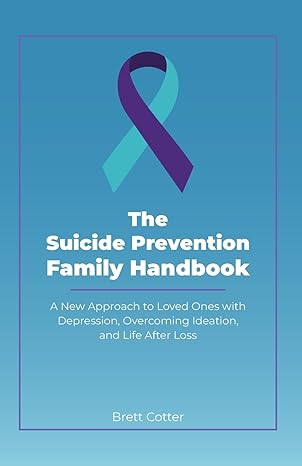

The Suicide Prevention Family Handbook, by Brett Cotter, is a deeply compassionate and practical guide for those facing the realities of depression, suicidal ideation, and grief. The book serves as a roadmap for families and individuals navigating these challenges, offering step-by-step techniques to provide support, regain emotional balance, and rebuild life after loss. While it does not replace professional medical or psychological treatment, it complements traditional approaches by focusing on mindfulness, emotional release, and effective communication strategies.
One of the most powerful aspects of this book is its emphasis on the role of emotional pain in suicidal ideation. Cotter explains that emotional pain is seeking to be “seen, heard, and loved.” This perspective shifts the focus from simply preventing suicide to addressing its emotional root causes. The techniques he provides, such as the 5 Prompts, which encourage open-ended, compassionate listening, are practical and immediately useful. His step-by-step breakdown of how to hold space for a loved one, particularly the sections on body language and tone, make this guide stand out. It’s not just about what to say but how to be with someone in pain, and that nuance is essential.
Cotter’s personal anecdotes make the book feel intimate and real. His description of working with veterans struggling with PTSD and suicidal ideation, along with his own past experiences with emotional pain, add authenticity to his methods. The story of how he guided someone out of suicidal ideation in 2003 by simply listening, grounding himself, and asking, “Please tell me more,” is a striking example of how small shifts in approach can make a life-saving difference. It’s one thing to discuss theories of emotional healing, but Cotter’s book is packed with real-life examples that prove the effectiveness of his techniques.
Another strong point is his approach to grief. He acknowledges that loss, especially from suicide, can be overwhelming, but he doesn’t offer empty platitudes. Instead, he provides tangible exercises, like the Letting Go with Love Visualization and Calling Loved Ones Into Our Dreams, which allow people to continue their relationship with lost loved ones in a meaningful way. His insight that guilt after a loved one’s suicide is a natural survival mechanism, rather than an indicator of personal failure, is a revelation that could provide comfort to many struggling with loss.
The Suicide Prevention Family Handbook is for anyone who has a loved one struggling with depression, those dealing with their own suicidal thoughts, and individuals grieving a tragic loss. It’s not just for mental health professionals; it’s written for everyday people who want to learn how to truly support those in pain. Cotter’s writing is clear, heartfelt, and filled with empathy, making it an accessible and invaluable resource. If you’re looking for practical tools to help yourself or someone you care about, this book is well worth the read.
Pages: 58 | ASIN : B0DPJKWXDT

The Stress is Gone Method

Brett Cotter’s The Stress is Gone Method is a hands-on guide designed to help readers navigate stress, anxiety, and trauma. It provides a step-by-step process that combines breathwork, emotional awareness, and self-reflection exercises. The workbook is structured with techniques aimed at stopping stress quickly, healing deep-seated trauma, and creating a lower-stress lifestyle. Cotter pulls from years of experience in coaching and trauma recovery to provide readers with practical, easy-to-follow methods for reclaiming peace in their daily lives.
Cotter avoids overcomplicating things, making it easy for anyone, regardless of experience with self-help work, to jump in and start applying the techniques. The Stress Stopper Breathwork method, for instance, is explained so simply that it feels natural to try right away. When he describes touching the tension, breathing deeply, and repeating “I’m okay,” it feels like a small, doable shift, yet it can have a huge impact. I found myself trying it while reading and noticing an immediate sense of calm. The book constantly encourages actionable steps, which sets it apart and a step above many other self-help books
Another aspect I found compelling was how Cotter approaches trauma. Instead of getting lost in clinical explanations, he writes with a tone that feels understanding and personal. The chapter on “Releasing Emotional Pain in Minutes” stood out to me because it acknowledges that some stress isn’t just about the moment, it’s about unresolved pain that needs deeper work. The guided exercises in this section, such as writing freedom statements and identifying core fears, push the reader to confront emotions in a way that’s gentle but effective. It felt refreshing to read a book that doesn’t just tell you to “let it go” but actually shows you how.
Some parts of the book reinforce key concepts multiple times, which can be helpful for deepening understanding. Techniques like breathwork and affirmations are presented in slightly different ways across chapters, making it easier to absorb and apply them in various contexts. This approach is especially beneficial for those using the workbook over time, as it ensures that important ideas are always within reach. Even if you’re looking for quick insights, the repetition means that no matter where you start, you’ll still get a solid foundation in the core principles.
This workbook is a fantastic tool for anyone looking to actively work on stress management and emotional healing. It’s especially useful for those who struggle with anxiety, past trauma, or recurring negative thoughts. If you prefer a hands-on approach to self-improvement rather than just theory, this book is well worth diving into. Cotter’s methods are simple but powerful, and if you commit to using them, you’ll likely see real changes in how you handle stress and emotional pain. Whether you’re new to self-care or already deep into personal development, The Stress is Gone Method provides valuable techniques that you can integrate into daily life with ease.
Pages: 79 | ASIN : B0DST7MPMM



 LITERARY TITAN