Blog Archives
Corvus: A Crow’s Story


Shallen Anne Chitwood’s Corvus is a warm and accessible children’s novel about courage, friendship, grief, and personal growth. Set among a community of crows living near a family farm, the story follows Corvus, a young crow whose fear of flying separates him from his siblings and threatens his place within the flock. His unlikely friendship with Clarence Silkwood, a proudly theatrical monarch caterpillar, gives the narrative its humor and emotional center. Together, their parallel journeys show that transformation can be physical, emotional, or both.
Clarence’s lively first-person narration makes the natural world feel immediate and entertaining. His elaborate titles, comic confidence, and conversational asides create a playful voice that should appeal to young readers, while his observations introduce facts about crows, monarch butterflies, migration, metamorphosis, and animal behavior. These educational elements are integrated into the characters’ experiences. The book’s central idea is expressed clearly when Clarence tells Corvus, “We all grow and change in our own way.”
The novel also gives meaningful attention to loss and responsibility. Valia’s devotion to Corvus, the Cedar Clan’s communal mourning, and Clarence’s acceptance of his limited lifespan allow the story to address death with honesty and tenderness. These scenes carry genuine emotional weight without losing sight of the intended audience. The book’s strongest moments often arise from simple acts of loyalty, as when Clarence observes, “Sometimes that is the best thing you can do for a friend. Just be there.” Such passages give the story a compassionate understanding of how friendship can sustain someone through fear and sorrow.
Corvus presents bravery as a quality developed through love, experience, and purposeful action. Corvus’s eventual flight is satisfying because it grows from everything he has learned about himself, his family, and his responsibility toward others. The conclusion brings the novel’s themes of metamorphosis and self-knowledge together while preserving the wonder and humor of Clarence’s narration. With its memorable animal characters, gentle instruction, and sincere emotional arc, Corvus offers young readers an engaging story about discovering the strength to become fully themselves.
Pages: 143 | ASIN : B0H4HTLL98

Teaching Through Action

Babies on Board Part 2 follows an iguana, a parrot, a squirrel, and a mouse who band together to visit the beach in the middle of the night to help sea turtle hatchlings safely reach the ocean. What was the inspiration for the setup of your story?
I moved to Florida in 2013, and I started to take notice of all the wonderful wildlife and sea creatures that live here in this amazing state. My first residence was right on the beach, and it just happened to be sea turtle nesting season, which occurs May through November ( also Hurricane season). I first noticed the poles with yellow tape all along the beach, and then I met actual volunteers who sit next to the nest at night and wait for the hatchlings to break free from their shells. This occurs exactly two months after the female turtle lays her eggs. The baby sea turtles must make the long trek from their nest to the water, where they will swim to freedom. Only half of the baby turtles survive because there are many predators on land ( crabs, snakes, birds) and sea (sharks, dolphins, barracuda, grouper) waiting to gobble them up. Also, the babies do get confused by the street lights, if there are any around. They instinctively crawl toward the moonlight, which is always over the ocean. This magnificent journey inspired me to educate children about these adorable little sea creatures who are the greatest of survivors.
How did the concept of teamwork among such different animal characters first develop?
The concept for my series started out with a friendship between Grumpy the Iguana and Green Parrot. Afterwards, neighbors in Flamingo Park were introduced into the storyline, like Mr. Squirrel and adopted friend, Little Mouse.
Do you have a personal favorite character to write scenes for?
I love all the characters because they each have their own individual personality. Grumpy is the brains. Green Parrot brings sensibility. Mr. Squirrel is a perfectionist, and Little Mouse is a kid who used to be scared but is now fearless.
How do you balance storytelling with factual environmental education?
I try not to preach, and by teaching through action, I think children will be more willing to absorb the message.
Author Links: GoodReads | X (Twitter) | Facebook | Website | Amazon
Babies on board (part 2) continues the story. Grumpy and friends return to the beach, only this time it is in the middle of the night. They are there to make sure that all of the baby turtles make it safely to the sea where their father anxiously awaits their arrival. But as we all know, nothing ever goes smoothly when it comes to
Grumpy the Iguana, the Green Parrot, Mr. Squirrel and Little Mouse. Follow along and watch as our heroes fight against time and a street light to help the baby sea turtles find their dad..
Babies on Board Part 2 (A Grumpy the Iguana and Green Parrot Adventure)

Babies on Board Part 2, by Susan Marie Chapman, follows Grumpy the Iguana, Green Parrot, Mr. Squirrel, and Little Mouse as they return to the beach in the middle of the night to help a giant sea turtle’s babies make it safely to the ocean. What begins as a moonlit rescue mission becomes a gentle lesson about sea turtle hatchlings, artificial light, teamwork, and the quiet courage it takes to do the right thing when small lives are depending on you.
I liked how the story balances adventure with tenderness. There’s a real sweetness in watching these four friends hold hands in the dark, admit they’re scared, and still keep going. It’s such a small moment, but it says something lovely about bravery: children don’t have to be fearless to be helpful. The writing is simple and earnest, with bits of humor from Mr. Squirrel and Little Mouse that keep the story from feeling too serious. The book feels like it’s trying to comfort and teach at the same time, and mostly, it succeeds.
I appreciated that Chapman introduces children to sea turtle conservation without making the lesson feel cold or lecture-heavy. The danger of artificial lights confusing hatchlings is woven into the plot in a way that children can understand, and the instruction not to touch the baby turtles gives the story a nice sense of responsibility. Natalia Loseva’s artwork has a soft, hand-drawn charm that suits the nighttime setting beautifully. The deep blues, sandy browns, moonlit water, and tiny turtles create a calm, watchful mood. Some pages are sparse, but that openness works, especially when the beach feels wide and dark, and the baby turtles seem so small against it.
I found Babies on Board Part 2 to be a warm and thoughtful picture book with a sincere environmental message and a tender emotional core. It feels like the kind of children’s book I’d read aloud slowly at bedtime, letting my child linger over the moon, the ocean, and the little turtles finding their way home. I’d recommend it for young animal lovers, families who enjoy gentle adventure stories, and parents looking for a sweet way to start a conversation about helping wildlife and caring for the natural world.
Pages: 237 | ASIN : B09GV6TCNQ
A Boy and His Lion
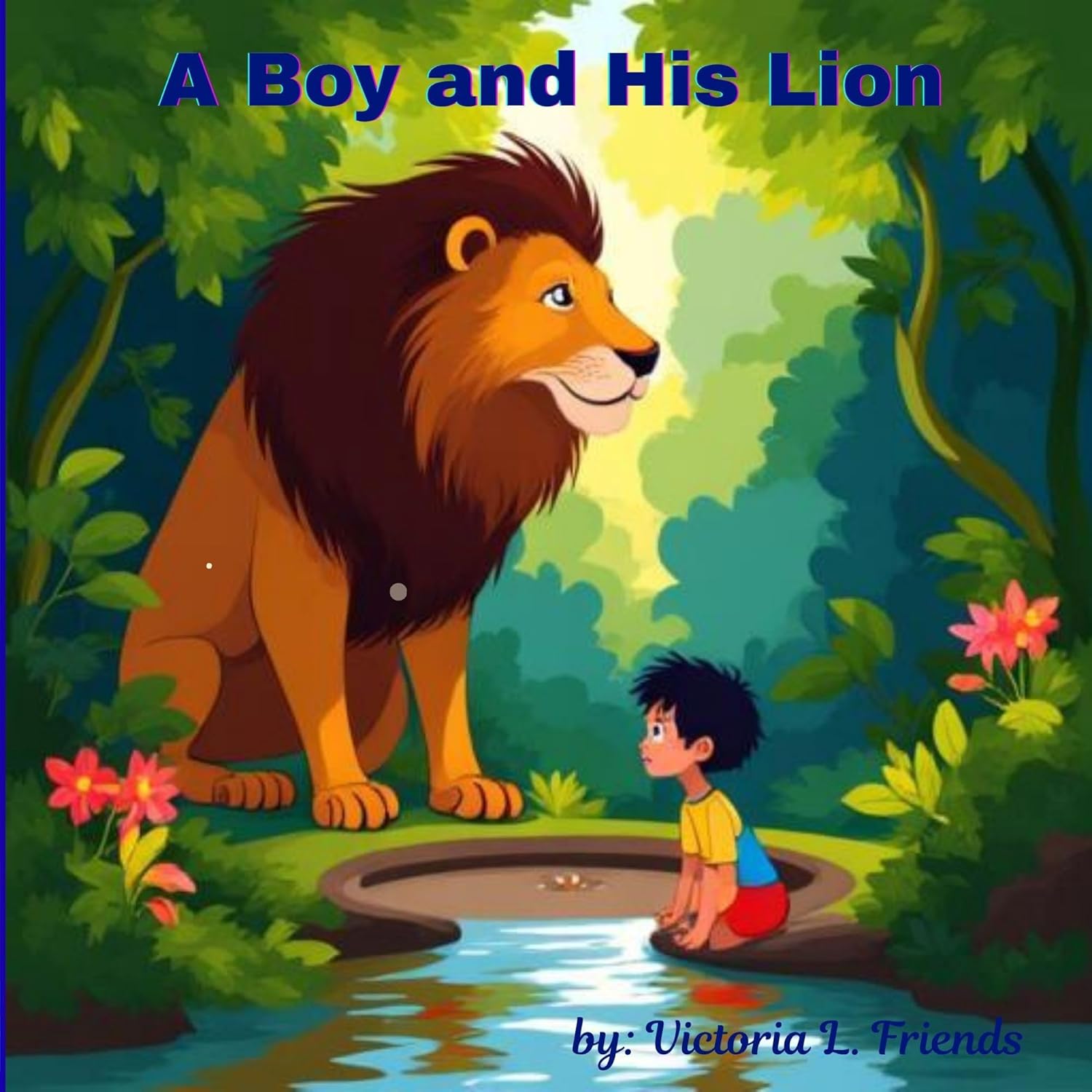

A Boy and His Lion follows Kadence, a young boy from Indonesia, as he invites readers on a jungle adventure with his best friend, Jay the Lion. Together, they meet a lively cast of animals, including an orangutan, a sea turtle, an elephant, a chimpanzee, a tiger, and a Komodo dragon, while taking time to rest, share jackfruit, and dream about a future safari in Africa. It’s a simple, friendly journey built around curiosity, companionship, and the joy of noticing the natural world.
I liked the book’s open-hearted sense of wonder. The story doesn’t rush toward a dramatic conflict, and I actually found that gentle pace comforting. It reads like a child telling you about the best day ever, where every creature is a discovery and every stop matters. The writing is direct and easy for young readers to follow, with a conversational rhythm that makes the book feel like an invitation rather than a lesson. Some of the animal facts are tucked in lightly, which gives the story an educational spark without weighing it down.
The artwork gives the picture book much of its warmth. The bright jungle greens, soft blue rivers, and cheerful animal expressions create a safe, welcoming version of adventure, one that feels imaginative. I liked the sweetness in Kadence’s friendship with Jay the Lion, especially in the quieter picnic scenes, where sharing jackfruit becomes a small but meaningful moment of closeness.
A Boy and His Lion is a tender and colorful children’s book with a sincere love of travel, animals, and friendship at its center. It has the feel of a bedtime adventure, calm enough to soothe but bright enough to stir a child’s imagination. I’d recommend it for preschool and early elementary readers, especially children who love animals, jungle settings, and gentle stories about exploring the world with a trusted friend.
Pages: 25 | ASIN : B0GHZ7GTG4
Defuse, Don’t Escalate

Pippin and the Prickly Dilemma follows a kind-hearted little dog who is bullied by a larger dog, and he faces a difficult choice that reveals the true power of empathy, forgiveness, and doing what’s right. Why do you think it’s important for children to see examples of empathy in difficult situations?
Typically, children can be quite selfish and often see humour in other people’s discomfort. Showing a child that putting yourself in the other person’s shoes (being empathetic) usually results in a better outcome for all and builds feelings of connection.
Meatball begins as a bully but grows—how did you approach writing his transformation in a believable way?
Meatball needed to be shown that despite his aggressive and bullying behaviour, others would still come to his aid when he needed help. This gave him the motivation to rethink and adjust his own attitude and come to realize that it is better to cooperate and enjoy the company of others rather than trying to dominate.
The story introduces intimidation in a way that feels safe for young readers. How did you balance seriousness with reassurance?
Young children can be easily upset by scary, bullyish behaviour. I aimed to show that Pippin’s positive reactions, though not instantly changing Meatball’s actions, paved the way for him to later adjust his outlook towards his new companions.
What do you hope children understand about making good choices when they’ve been treated unfairly?
I hope that children will learn that it is important to employ strategies to defuse aggressive and bullying behaviour rather than to escalate them.
Author Website
Find out in this exciting ‘doggy’ adventure.
This picture book features interactive elements.
Pippin and the Prickly Dilemma

Pippin and the Prickly Dilemma by Julia Seaborn is a charming, heartfelt children’s story about a small dog named Pippin and his loyal friend, Blossom the possum. What begins as a simple trip to the park soon unfolds into an unexpected adventure. The story opens with a situation that will feel familiar to many young readers: meeting someone new who is not especially kind. When Pippin and Blossom encounter Meatball, a much larger dog who barks at them because of their size, the book introduces intimidation and unfair judgment in a gentle, accessible way.
What makes this story especially meaningful is its strong emphasis on kindness in the face of unkindness. The narrative does not simply dwell on events. Instead, it draws attention to the choices the characters make, and that is where its message shines most clearly. Pippin and his friends respond with compassion, even when compassion is not deserved. As a result, Meatball’s eventual accountability feels earned, sincere, and believable. The story suggests that empathy can soften hostility. It shows that offering help, even to someone who has treated you poorly, can open the door to growth and understanding. That moral feels organic rather than forced, which makes it all the more powerful for young readers. Beyond the story itself, the book also includes enjoyable extras such as a maze, trivia questions, and interesting facts about dogs, adding an educational dimension to its entertainment value.
Richard Hoit’s illustrations add another layer of warmth and perfectly complement the tone of the story. The artwork is colorful, inviting, and undeniably cute, making the book instantly appealing to young audiences. One of its greatest strengths is the animals’ expressiveness. Their emotions are clear and easy to read, whether they are showing confrontation, concern, or joy. These visual details make the story even more accessible, especially for children who are still building confidence in their reading skills.
Pippin and the Prickly Dilemma is a wonderful choice for young readers, parents, and educators seeking a story that promotes empathy, forgiveness, and friendship. It is highly recommended for children who enjoy animal-centered stories with meaningful lessons and interactive elements that continue the experience beyond the final page.
Pages: 32 | ASIN : B0GNZFSZ36
Fang, Bang and the Midnight Mouse: The Call From Buckingham Palace

Fang, Bang and the Midnight Mouse: The Call from Buckingham Palace is a funny and fast-moving picture book about two cat detectives who get called to Buckingham Palace to protect a giant wheel of cheddar at the King’s birthday ball. Of course, things do not stay calm for long. A sneaky mouse shows up, the cheese goes flying, and the whole story turns into a goofy royal chase before midnight. It is packed with humor, bright illustrations, and a playful mystery that feels perfect for a read-aloud.
I had a really good time with this picture book. It feels warm, silly, and full of life. Fang and Bang are easy to like right away, and I loved the addition of Tilly the guard dog because she gives the team a fresh spark. The writing keeps things moving. It has that nice storytime rhythm. I also really liked the interactive parts where you look for the Midnight Mouse in the scenes. That kind of thing makes a book fun to share, and it would have kept me hooked as a kid.
What stood out most to me was how the book mixes fun with heart. It’s not just chaos and cheese, even though that is a big part of the charm. There is teamwork, problem-solving, and a sweet sense of friendship running through it all. The illustrations are a huge part of the magic, too. They are colorful, lively, and full of little details that make each page feel busy in the best way. I also love the bonus bit about the history of cheddar cheese. That is such a wonderful extra. It made me smile because it feels unexpected and clever.
I would definitely recommend this children’s book to parents, grandparents, teachers, and anyone reading with kids around ages four to eight. It’s especially good for children who love animals, gentle mysteries, and stories that invite them to join in. I think it would shine at bedtime, during classroom read-alouds, or in family storytime. For me, it’s the kind of book that kids would ask for again, and the kind adults would not mind reading over and over.
Pages: 32 | ASIN : B0FQ63PCH3
Fresh, Funny Ideas

The Adventures of Mo follows a curious dog who finds a key in the forest and decides to go on an adventure, traveling across all 50 US states to try to return it to its owner, making new friends along the way. What sparked the idea for Mo and his cross-country adventure?
The original inspiration behind The Adventures of Mo was to honor our beloved family dog, Mozart, after we lost him to cancer. As a retired journalist/writer, I used my skills to convert my grief into a playful adventure for kids, one that turns discovery about the US–its land, people, and places–into smart fun. Mo’s focus is on learning US geography through stories, not memorization.
The book has laugh-out-loud moments alongside quieter, thoughtful ones. How did you strike that balance?
I had to unfocus so I could focus. I unfocused by talking long walks, swimming, and even vacuuming! This is when I developed story ideas along with balanced laugh-out-loud and thoughtful moments. My mind had to be clear to make room for fresh, funny ideas.
How did you decide which facts to include without making it feel like a lesson?
I dug deep into every state to uncover fun facts that kids may not learn in the classroom. That research became the backdrop for each story, creating learning opportunities for readers without them realizing it. Mo complements classroom lessons about US geography and can also prompt fun conversations around the dinner table.
What kind of curiosity do you hope this story sparks in young readers?
To encourage readers–regardless of age–to wonder about the different people who live in this country, where they live, how they live, or simply to learn more facts about US states that might surprise them. Mo can help them imagine a world beyond their own backyard or neighborhood.
Author Links: GoodReads | Facebook | Website | Amazon


