Blog Archives
Creating a Unique Creature
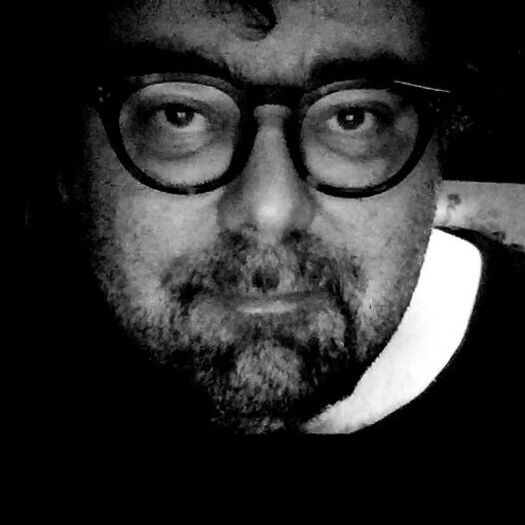
JaqueJaw follows a broken, brilliant man with childhood trauma, a twisted fascination with chaos, and unchecked scientific ambition, who creates the ultimate predator and unleashes it on hikers and townsfolk, leaving a trail of death and destruction in its wake. What was the inspiration for the setup of your story?
The inspiration for the setup of the story: I had an image of one of my characters pop in my head before writing. Benji Crudry. I saw him talking to a group of scouts in my mind and the JaqueJaw was peering through mangled brush, as they were sitting upon logs around a campfire in the woods. In the final draft of JaqueJaw though, Crudry talks to Albie and Nathan and they see the JaqueJaw weave in and out of view. So, slight change.
Were you able to achieve everything you wanted with the characters in the novel?
I am generally happy with the characters I’ve created. This being noted, I think there could be room to delve deeper into each character and possibly create stories based upon the individual characters e.g. more of their lifestyles, their dreams/interactions, pre and post. There could be offshoots in other words depicting their minds and associated attributes including their various flaws/dysfunctions. The impetus of the story or the skeleton of the story, if you will, originally revolved around the premise of writing a simple type trope where a monster i.e. the JaqueJaw attacks a variety of people and kills them off mercilessly. I realized later on that I needed a type of storyline and other characters that could serve to embellish the story and flesh it out more to better entertain.
What were some themes that were important for you to explore in this book?
The theme of revenge seems to be embedded in human nature via jealousy and hate/rage. I am interested in understanding why people and why my characters do what they do and perhaps more importantly, how they do what they do, all in all. The theme of social interaction is big on my list as well to explore. How are the characters interacting with one another? What motivates them to act, and how do they treat one another based on their flaws and attributes in general? Additionally, another theme I found important to explore was/is the idea of JaqueJaw and how to make it frightening to readers. Consequently, I found that Bardd needed to be portrayed as having a type of “hypnotic romantic” relationship with JaqueJaw in terms of subjective creation and exploration of creating a unique creature, which even though frightens Bardd, still makes him proud and protective of his creation because he created it. So, in this way, there is a type of egomania and moxie in Bardd and also a curious contradiction here. That is, there’s an equation of fear and love that Bardd has for JaqueJaw, but also a willingness, especially towards the end, to give up and forget about his creation and even Darla, his sister, in the end. These aspects serve to provide David L. Bardd with more complexity I feel.
What is the next book that you are working on, and when can your fans expect it to be out?
I’m working on a romance story now. It’s too early for me to pin a date of release. To provide some context, JaqueJaw and A Love Refracted In A Stream took me about seven years to write(I started them both circa 2017) So, it will depend upon a couple of things, in terms of actual writing and editing. Also, the preparation and “finalization” of the manuscript (with a publishing group) may be an issue.
Author Links: GoodReads | X (Twitter) | Website | Amazon
JAQUEJAW: A Horror Story


JaqueJaw is a chilling tale that blends genetic science, backwoods folklore, and psychological unraveling into a brutal and oddly poetic horror story. The novel follows the gruesome rise of a monstrous creature, the Jaquejaw, engineered deep in the woods of New Jersey by a broken, brilliant man named David L. Bardd. With childhood trauma, a twisted fascination with chaos, and unchecked scientific ambition fueling him, Bardd becomes obsessed with creating the ultimate predator. The story unfolds in a fragmented, fever-dream structure, alternating between past and present, visions and reality, offering a tapestry of madness, myth, and gore as Bardd’s beast is unleashed on hikers, townsfolk, and, ultimately, himself.
I liked the writing style. It’s raw, jagged, and often poetic. Hanson’s prose doesn’t play it safe. Sentences dart, stutter, and roar just like the monster they describe. One page feels like a nightmare; the next, a tragic journal entry. There’s a strange beauty in the horror, especially in Bardd’s hallucinations and his descent into isolation and obsession. The Jaquejaw is more than a monster. It’s a metaphor for guilt, trauma, and the madness of unchecked genius. Hanson doesn’t just want to scare you; he wants you to squirm, reflect, and maybe even feel a little sorry for the monster and its maker.
This book is not an easy ride. It’s dense. It veers off into tangents. Characters sometimes feel like sketches pulled from a dream, not fully real, just symbols or shadows in Bardd’s spiraling mind. But somehow, that works. It makes you feel like you’re in a warped fairytale told through the mind of someone unraveling. Still, I found myself wishing for more grounding at times. The horror is vivid and unrelenting, viciously imaginative, but the emotional weight is what lingers. Bardd’s loneliness and the strange tenderness he sometimes shows is the reason why Jaquejaw stuck with me.
JaqueJaw is brutal, weird, and doesn’t hold your hand. But for fans of horror who appreciate raw, unfiltered storytelling and want something with psychological bite beneath the blood and teeth, this book delivers. It’s like Frankenstein meets The Thing with a heavy splash of hallucinogenic dread. If you like your horror loud, sad, and just a little too close to home, then JaqueJaw might just burrow into your brain and stay there.
Pages: 157 | ASIN : B0DW3MSMVW



 LITERARY TITAN