Blog Archives
Dreaming Big
Dance Masters: Interviews with New York’s Dance Teachers is a collection of interviews conducted over four years with legendary dance teachers from New York, spanning ballet, jazz, tap, and modern dance. Why was this an important book for you to write?
As I stated in my introduction, I was obsessed with capturing the thoughts and experiences of master dance teachers who were giving away what they worked so hard to get. It was a four-year project, and I was completely immersed in it on so many different levels, from reading dance-related books to taking numerous dance classes and seeing all kinds of dance performances. At the time, I had just been through a major illness, and dance was my road back to wholeness. Although the book is about dance, it’s about much more than dance. It’s about overcoming obstacles, learning to live, having hope, dreaming big, and the history of many different artistic mediums like Broadway, live television, etc. The stories are very diverse and inspirational.
What were some ideas that were important for you to share in this book?
To keep striving, that it is possible to achieve things against the odds, that dance and movement are not just physical but connected to the entire self. It’s about learning to live fully.
What was the most challenging part of writing this book, and what was the most rewarding?
Every single interview in this book was taped and transcribed by hand. All had to be edited for clarity. I did a tremendous amount of research to explore the topic from all possible angles, so I asked challenging questions and/or a great variety of questions, tailoring each interview to the individual. Writing a book is time-consuming, and this was a four-year project. But I came away from every interview filled with excitement and on a high. It’s rewarding to see the fruits of my labor in a book that is exactly as I visualized it to be and what I wanted it to be. I feel oral history will be lost if not put in book form, and each individual had such a rich experience. I’m really proud of the result of my labor and the information contained in the book, which is timeless.
What is one thing that you hope readers take away from Dance Masters?
I want readers to be inspired, to understand what made each of these individuals great, and to know so much more about dance history and the resilience of the human spirit.
Author Links: GoodReads | Amazon
How to Find God on the Dance Floor


Marlene Rhein’s How to Find God on the Dance Floor is a soul-stirring collection of poetry that doesn’t tiptoe—it stomps, dances, and rages its way across the messy floor of human emotion. Rhein paints an unfiltered portrait of what it means to crave connection, wrestle with loneliness, and dig through the ruins of trauma in search of joy, self-worth, and transcendence. At its core, this is a book about movement—of body, of spirit, of memory—and the sacred power of music, particularly house and hip-hop, as a lifeline to God, to self-love, to sanity.
This is not the tidy, soft kind of poetry you wrap in a Hallmark card—this was truth with cracked lipstick and a pounding bassline. Rhein’s voice is funny, furious, messy, and sharp as glass. The poems are wild and untamed. They jump from nightclub floors to childhood wounds, from pop culture absurdity to sacred vulnerability, and somehow, it all holds together. There’s something deeply cathartic about the way she refuses to keep it cute. She says what we’ve all felt but were too afraid or ashamed to admit. That sometimes you need to dance to remember you’re still alive. That sometimes love comes in the form of sweat and strobe lights, not church pews and neat prayers.
I loved how she blends humor with heartbreak. One minute I was laughing at a dig about pop music at the dentist’s office, the next I was crushed by the weight of a poem about childhood neglect. It’s a rollercoaster, but one you don’t want to get off. Her writing is vulnerable in a way that makes you want to both cheer and cry for her. She doesn’t flinch from her pain or disguise it in metaphor—she spills it, owns it, dances through it. Her spirituality isn’t the polished, book-club kind. It’s gritty, found in flashing lights and gut-level knowing. She makes you believe that healing is possible, even if it’s slow, sweaty, and filled with bad DJs and loneliness.
This book is for anyone who’s ever felt like they didn’t belong, anyone trying to claw their way out of depression, anyone who finds God not in silence but in the chaotic joy of movement. It’s for the feelers, the survivors, and especially the dancers. If you’ve ever needed a reason to get off the couch and reclaim your magic, this book might just be your anthem.
Pages: 112 | ASIN: B0FBX5PDXZ

Harmonious Living
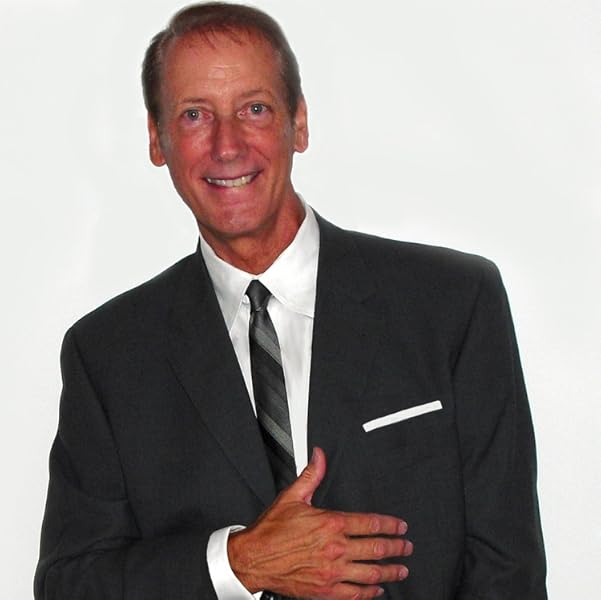
Three Minutes to Heaven: Musings of a Ballroom Dancer explores the transformative power of dance, weaving personal anecdotes and philosophical insights into a poetic guide for living gracefully. Why was this an important book for you to write?
The stories in this book represent ideas that came bubbling up in my psyche during my dance education. The feelings I experienced were quite unique and presented a challenge to me to express them in words. I didn’t plan to write a book, but over the years I had quite a collection of these writings which made their way to a book via the desire to share them with others.
How do you balance technical insights with philosophical reflections to engage both dancers and non-dancers?
Dancers are drawn to dance for the movement, the social interaction, the music, and many other superficial reasons. But often without even realizing it, the reasons for dancing go much deeper. As they learn about dance, dancers are also learning about life. The immersion into dance carries with it a natural force guiding a new way to think about things. Through extrapolation, these lessons help dancers become more aware of the opportunities to engage in much deeper experiences in their everyday lives. The technical aspects of dance can be dry, so I tried including some in poetic fashion. Dancers immediately recognize the technical jargon, while those who never before engaged in partner dance training seem to become more curious, often ending up pursuing dance.
What were some themes that were important for you to explore in this book?
It’s easy to fall into life’s mazes that go in circles. You might be caught in a deadend job, a relationship that’s not working, or behavioral patterns that prevent personal growth and success. Every dancer at some point is asked the simple question in casual conversation — “Why do you dance?” This tiny nudge toward introspection can often lead to bigger questions, like “Why am I working this job? or “Why am I in this relationship?” or even “What is my purpose on this Earth?”, ultimately showing a way out of the maze. The core theme running throughout the book is that dance, as a microcosm of life, can teach us about life by focusing on analogous situations between dance and life. For example, Chapter 8, “Foundations,” and Chapter 18, “The Beauty of Entanglement” attempt to describe how you can address things that go awry in your life with the same approach you use to fix glitches in your dance technique. Other related themes include analogies between navigating the dance floor, improved mindfulness, dancing to the beat of the music, and harmonious living.
What’s the most meaningful feedback you’ve received from readers about how this book has impacted their view of dance or life?
I learned from a friend that she gave a copy of the book to her elderly landlady and noticed on occasion that her eyes became blurry with tears as she read certain passages. When my friend asked if she was ok, the landlady indicated some of the writings touched off happy memories. Perhaps she was a dancer in her youth and was touched by the nostalgia. Perhaps others are touched by reading what they’ve always felt but could never formulate the words to express those feelings. To me, it’s gratifying, as my hope has been that at least one chapter in this book would touch the reader in some special way – on the dance floor or on life’s journey.
Author Links: GoodReads | Facebook | Website | Amazon
Recommended as inspirational reading one chapter each day during a quiet moment at the beginning or end of the day.



 LITERARY TITAN