Blog Archives
Within and Without


Within and Without, by James Richard Hansen, is a compact poetry collection built around attention to: morning light, ocean sounds, music, dreams, grief, love, and the strange private weather of the mind. The book begins in quiet observation, with poems that often use nature as a doorway into reflection. In “Dawn,” Hansen writes, “Every nuance of tree and flower, / breeze and glittering light, / shows the way to freedom,” and that line captures much of the collection’s spirit. These poems are less about dramatic turns than about noticing what’s already there and letting it open into feeling.
The first half of the book moves between landscape and inner life with a steady, meditative rhythm. The Pacific, rain, moonlight, fire, trees, and stars appear again and again, not as decoration, but as companions to thought. In poems like “Oceanic Events,” “Finding My Stride,” “Catharsis,” and “Peace,” Hansen uses the natural world to describe the self coming into focus. His images are clear and accessible, and the poems often feel like moments from a walk, a window, or a quiet evening that slowly become something more personal.
There’s also a recurring sense of struggle in the collection, but it’s handled with restraint. “Serpent,” “Reconciliation,” “Night,” and “Internal Itinerary” bring in fear, loneliness, frustration, and spiritual searching, yet the book keeps returning to renewal. Hansen’s speakers look inward without getting stuck there. Even when a poem begins in heaviness, it often finds a small source of steadiness: dawn, music, rain, or the act of looking closely. That makes the collection feel honest without becoming bleak.
The second section, Love Poems to Kristen, gives the book a more intimate center. These poems are direct, affectionate, and openly devoted, moving from desire to gratitude to long-term commitment. The language is sometimes grand, but it’s grounded by the sense that these are poems written for a real person over real years, including birthdays, anniversaries, and Valentine’s Day. One of the loveliest moments comes in “Reverie,” where the speaker misses the green flash at sunset and concludes, “But the idea was enough.” That small realization says a lot about the section’s emotional world: memory, love, and anticipation can be as vivid as the event itself.
Within and Without is a sincere and reflective collection about perception, healing, wonder, and devotion. Hansen’s poems are plainspoken in a way that makes them easy to enter, and their best moments come when a natural image and an inward feeling meet cleanly on the page. It’s a book for readers who enjoy poetry that’s contemplative, emotionally open, and rooted in everyday encounters with beauty. The title fits well, since the collection keeps moving between the outer world of sky, sea, rain, and light, and the inner world of memory, longing, faith, and love.
Pages: 64 | ASIN : B0794GLD97

Mulberries In The Rain: Permaculture Plants For Food And Friendship
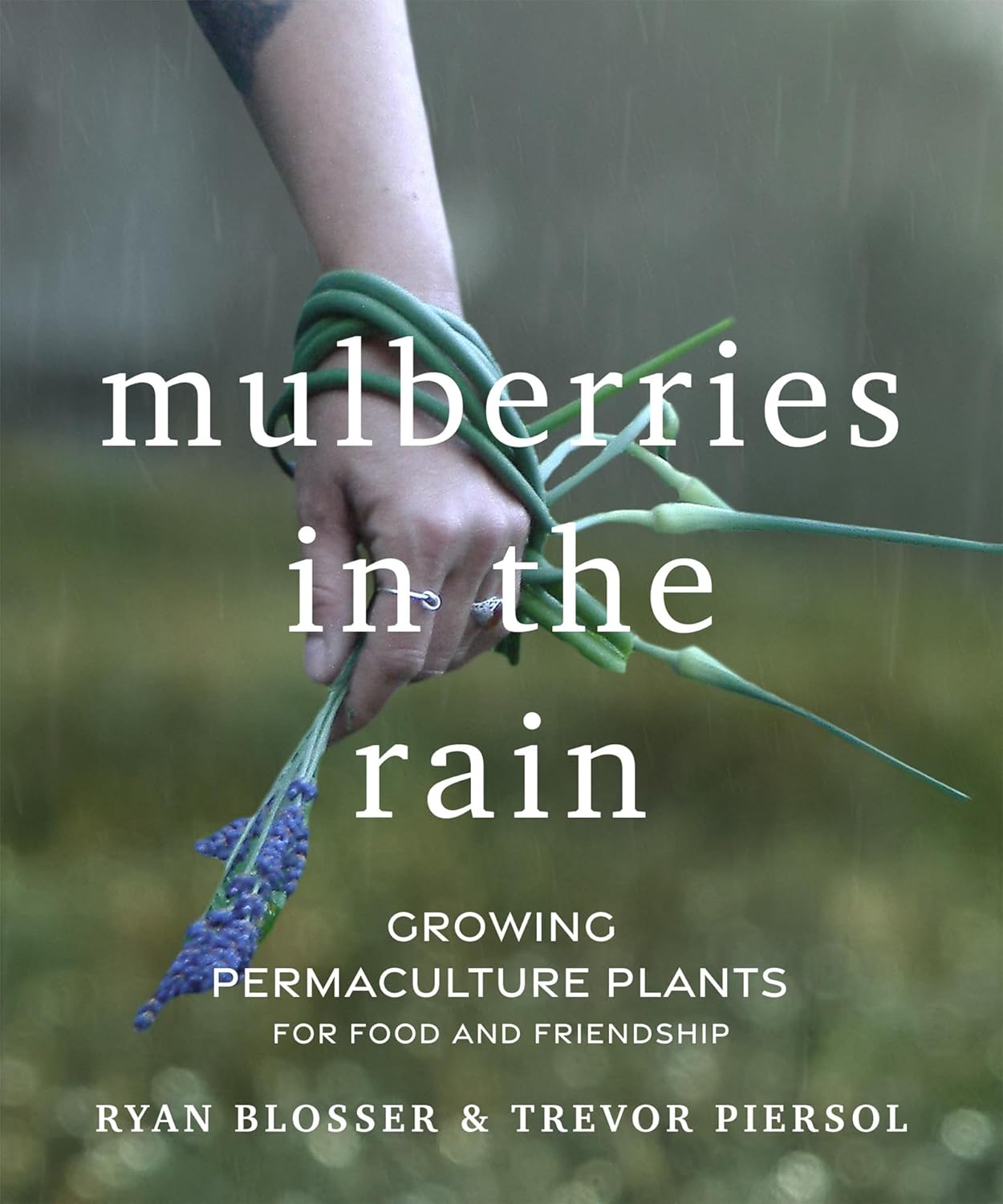
Mulberries in the Rain, is part memoir, part teaching guide, part love letter to plants. It follows two friends, Ryan Blosser and Trevor Piersol, as they build farms, communities, and a shared life of learning through Permaculture. The book blends personal stories with practical frameworks, from the Human Sector to food forests to plant guilds. It paints a picture of people shaped by land and relationships, and it shows how plants become characters in their lives. The authors invite readers to see plants this way, too, and the book moves between narrative, reflection, and guidance on growing dozens of species. It feels like an invitation to slow down and see plants as teachers.
I found myself caught up in the warmth of the storytelling. The tone is friendly. It is confident without trying to sound authoritative. I liked how the writers move between humor and sincerity. One moment, they poke fun at themselves. The next moment, they share something tender about belonging, failure, or learning to listen to land. Their voices feel lived-in and honest, and that drew me in. I also appreciated how deeply human the book is. For a book about plants, it spends a lot of time sitting with the mess and beauty of people, which surprised me in a good way. The Human Sector section especially resonated with me. It made me stop and think about how much our internal stories shape the landscapes we touch.
The loose, talky rhythm of the book has its own charm, and I enjoyed it most when the authors told personal stories. Every time they step into teaching mode, the tone shifts and the pacing slows. That said, the teaching sections still have heart. The reworked Scale of Permanence is thoughtful. The LUV triangle feels like something I could use tomorrow. The 8 Forms of Capital section is full of moments that made me smile, especially the groundhog au vin story. I caught myself nodding at the idea that recipes and jokes and small daily acts can hold entire forms of wealth. The book shines whenever it grounds big ideas in real people doing real work.
I would recommend Mulberries in the Rain to anyone who wants a different way to think about growing things. It is great for new growers who feel overwhelmed and want a gentler entry point or for longtime gardeners who crave a more personal, relational approach. It is also a strong fit for people who work in community spaces or who feel curious about Permaculture but are tired of dry instruction. Blosser and Piersol speak to folks who want stories, feelings, and a sense of connection as much as they want plant lists and guild diagrams.
Pages: 216 | ISBN : 978-1774060032


