Blog Archives
The 12 Bad Dates Before Christmas


The 12 (Bad) Dates Before Christmas, by N.L. DiDeo, follows Evie Holliday, a hardworking architect whose quiet single life is upended when her mother issues a holiday ultimatum: go on twelve dates before Christmas or surrender her romantic future to the “Church Cupids.” What begins as a parade of dating-app calamities becomes something warmer and more surprising when Evie repeatedly crosses paths with Ryan, a charming police officer and single father whose presence feels less like a rescue and more like a well-timed miracle. Set against the festive sparkle of St. Augustine, this clean holiday romance turns bad dates, meddling family, and emotional-support donuts into the scaffolding for a sweet love story.
I had fun with this book because it understands the comic misery of dating without becoming sour about love. Evie’s voice is chatty, self-protective, and genuinely funny, especially when she is cataloging each romantic disaster like evidence at a crime scene. The book’s humor works best when it lets ordinary humiliations swell into operatic little catastrophes: garlic rolls withheld like sacred relics, a karaoke ambush, a mother treating a dating profile like a surveillance operation. There is a buoyant absurdity to the premise, but the story stays grounded through Evie’s affection for her family, her friendship with Lanie, and her growing recognition that being busy is not the same as being fulfilled.
Ryan gives the romance its steadier pulse. I appreciated that he is not written as a flawless fantasy dropped into Evie’s life to solve everything; he comes with responsibilities, a daughter he adores, and enough patience to meet Evie’s chaos with warmth rather than swagger. The relationship develops with a light touch, and the closed-door approach keeps the focus on banter, trust, family integration, and the small rituals that make two lives begin to rhyme. Some of the setups are broad, and the bad dates lean deliberately cartoonish, but that theatrical quality feels baked into the charm. The book is not trying to be austere. It is a frosted sugar cookie with a surprisingly sturdy center.
The target audience is readers who enjoy clean romance, holiday romance, small-town romance, romantic comedy, and Christmas fiction. Fans of Debbie Macomber’s cozy seasonal stories or Jenny Hale’s Christmas romances will likely feel at home here, though N.L. DiDeo brings a more antic, sitcom-bright dating-app energy to the familiar holiday-love framework. This is a cheerful, low-angst read for anyone who wants family meddling, festive settings, sweet chemistry, and a love story that believes embarrassment can be a doorway. The 12 (Bad) Dates Before Christmas is a merry reminder that the road to forever may begin with one truly terrible first date.
Pages: 295 | ASIN : B0GX2YLJJQ

Whispers of Love
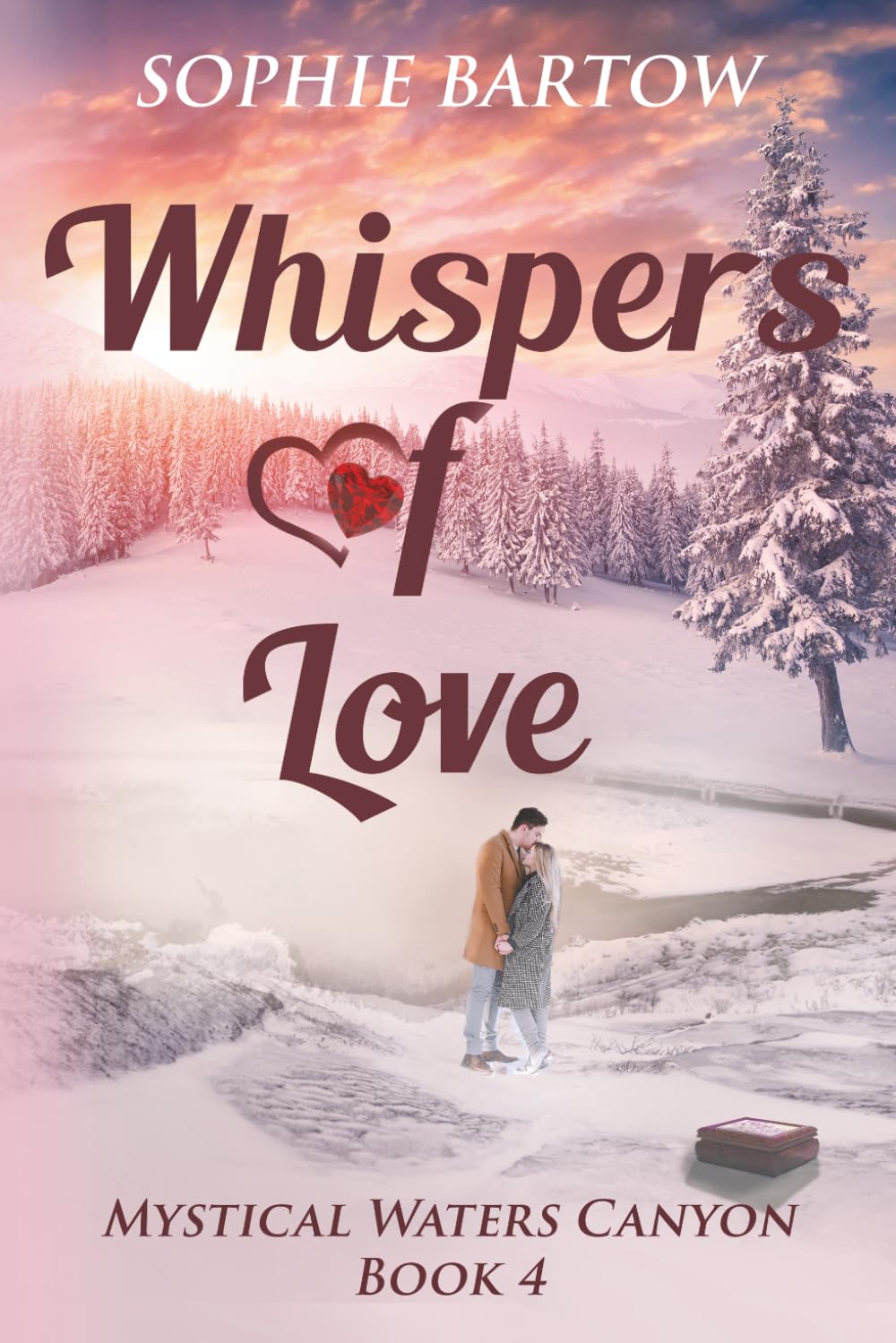

Sophie Bartow’s Whispers of Love is a small-town mystical romance centered on Amy Simpson and Gabe Ricci, two people who already feel woven into Swan Harbor long before they understand what they mean to each other. Amy begins the story engaged to Shawn, but her unease grows until she has to admit that the life she’s moving toward doesn’t fit. Gabe, meanwhile, has been pulled into Swan Harbor’s orbit through his work with The Agency and his friendships with the Simpson family, but his connection to Amy feels more personal, more rooted, and harder to ignore.
The romance works because Amy and Gabe don’t feel like strangers dropped into a love story. They have history, banter, family ties, and a believable awareness of the complications around them. Gabe’s patience with Amy is one of the book’s strongest pieces. He doesn’t push her to become someone else. He notices who she is, especially the restless, airy parts of her, and helps her feel safe enough to listen to herself. When the book says, “You are Air. Your heart’s speaking. Listen to it,” it captures Amy’s whole journey in one neat line.
Around the romance, Bartow builds a busy world full of family dinners, gossip, friendships, old journals, mystical signs, and an ongoing suspense thread involving The Agency, the Lazarus file, and danger connected to Swan Harbor. There’s a lot happening, but the book’s center stays clear: Amy is learning how to choose love without losing herself. The mystical element gives the story a sense of destiny, but the emotional choices still feel human. Amy has to be honest with Shawn, honest with Gabe, and, most of all, honest with herself.
Swan Harbor itself feels like one of the main characters. The town is nosy, warm, funny, and deeply invested in everyone’s happiness, sometimes before they’re ready for that kind of attention. The Simpson family brings a lot of humor and tenderness, especially in the way they circle Amy while still letting her make her own decisions. The old lore about the Canyon, the veil, the clover, and the elements adds a generational layer that gives Amy and Gabe’s romance more texture than a simple friends-to-lovers setup.
Whispers of Love is a romance about listening, choosing, and letting love become steady instead of scary. Amy and Gabe’s story has flirtation, heat, family chaos, mystery, and a strong sense of belonging. By the end, the idea that “Love was a man who could steady her … nothing more, nothing less” feels earned because the book has shown that steadiness in small moments, not just big declarations. It’s a cozy, emotional, and very Swan Harbor kind of love story, perfect for fans of slow-burn romances with a touch of mysticism.
Pages: 390 | ASIN : B0H3DQV3G3
Lifelines

Loving Josephine follows a young woman whose life begins in the shadow of a brothel, finds mercy from a stranger, and learns to face the man whose cruelty shaped her fear. What was the inspiration for the setup of your story?
Loving Josephine grew out of my fascination with the quiet resilience of women who survive circumstances they never chose. I wanted to explore what happens to a young woman whose life begins in a place meant to break her—and what mercy looks like when it arrives in the form of an unexpected stranger. The setup came from my desire to show that even in the harshest beginnings, a single act of compassion can redirect an entire life. Josephine’s world is rough, but her spirit is tender, and I wanted readers to feel both truths from the very first pages.
How did you balance Jo’s vulnerability with her strength?
Balancing Jo’s vulnerability with her strength meant honoring the truth of what she’s lived through. Losing her mother so young left her without the one person who might have protected her, and that loss shaped both her fear and her longing. She’s been shaped by fear, but she hasn’t lost her capacity for hope or connection. I wrote her with the understanding that courage doesn’t always look loud or defiant—sometimes it’s the quiet decision to keep going, to trust again, to face the person who once held power over you. For me, Jo’s vulnerability isn’t a weakness; it’s the very place her strength grows from.
Why do you think female friendships and mentorships are such powerful storytelling elements?
Women often become each other’s lifelines. In stories—and in real life—female friendships and mentorships create spaces where women can be seen, believed, and strengthened. These relationships offer a kind of emotional refuge that allows characters to grow in ways they couldn’t on their own. In Loving Josephine, the women who cross Jo’s path help her reclaim pieces of herself she thought were lost. Their presence reminds her she’s not alone, and that kind of support can change the trajectory of a life.
What do you hope female readers see in Jo’s journey?
I hope women see that healing isn’t linear and that their worth isn’t defined by where they started. Jo’s journey is about reclaiming her voice, her safety, and her sense of self—slowly, imperfectly, and bravely. If readers walk away feeling even a small spark of recognition, that they, too, can rise from the shadows of their past and step into something gentler and truer—then Jo’s story has done what I hoped it would.
Author Links: GoodReads | X (Twitter) | Facebook | Website | Amazon
One journey.
One life hanging in the balance.
Chicago, 1879. Fourteen‑year‑old Josephine is expelled from boarding school and sent back to the St. Louis brothel where she was raised. There she finds her mother gravely ill and held under the control of a ruthless strongarm. Stranded in a world she barely understands, Josephine steels herself as danger closes in and faith becomes her only refuge.
Hundreds of miles away in Rosewood, West Virginia, newlywed Beth Wallace receives a bewildering letter meant for a man long gone. Its message unlocks long‑buried secrets Beth never imagined, awakening a conviction she cannot ignore. Trusting God’s prompting, Beth leaves her new family and sets her face westward, determined to answer a call she never expected.
As Josephine fights to survive and Beth races toward Missouri, their lives converge in a journey marked by peril, providence, and the quiet courage of women who refuse to surrender.
Loving Josephine is a Christian historical romance woven with suspense, redemption, and grace. Set in the post‑Reconstruction South, it continues the saga begun in Loving Beth, bringing to light the hidden past that will change both their lives forever.
This is Book Two in the Daughters of Appalachia series and continues the story of Beth and Jacob from Loving Beth. Readers will enjoy this book best after reading Book One.
Whispers of Blue Ridge

Whispers of Blue Ridge is a contemporary small-town romance with a strong family-drama thread, and at its core it follows Savannah Gray, a young woman tied to her family’s North Georgia winery, and Jake Rollins, a rodeo rider who arrives in Blue Ridge carrying guilt, charm, and unfinished business. Their connection starts with friction, slides into attraction, and then opens into something heavier as the book folds in grief, old wounds, buried truths, and the question of whether home is a place, a duty, or a person. It’s very much a story about love, but also about healing and what it costs to finally face the past.
What stayed with me most was the setting and the mood. Author Nina Purtee clearly loves this world of vineyards, mountain roads, fairs, rodeos, and small-town rituals, and that affection comes through on the page. I could feel the dust, the chill in the morning air, the hush around the vines, the buzz of the fairgrounds. The writing is earnest and direct, and when it works best, it gives the book a warm, openhearted pull. I also liked that the romance is built on glances, banter, and emotional hesitation before it leans into bigger feelings. Now and then, the dialogue or inner thoughts spell things out more than I needed. Still, I found the sincerity hard to resist. The book wears its heart right out in the open, and I mean that as a compliment.
I also appreciated the author’s choices around burden and responsibility. Savannah is not just waiting around to be swept off her feet. She is rooted, tired, loyal, and quietly restless, which made her feel more grounded to me than a lot of romance leads. Jake, on the other hand, arrives with the shape of a familiar romantic hero, but the book gives him pain and conscience, not just swagger. I liked that the story keeps circling the idea that people can get trapped by grief just as easily as they can be held by love. The Italy thread, the family secrets, and the accident in Jake’s past all push the novel beyond a simple cowboy-meets-winery-girl setup. Not every turn surprised me, and some scenes felt more melodramatic than natural, but I never felt the book was cynical or lazy. It wants to believe that people can choose tenderness over fear.
I think this is the kind of romance that will work best for readers who want emotional comfort, scenic atmosphere, and a story that takes both longing and family history seriously. I would recommend Whispers of Blue Ridge most to readers who enjoy contemporary romance, women’s fiction, and small-town stories where healing matters as much as chemistry. If you want a heartfelt, conversational, big-emotion read with wine country, rodeo energy, and characters trying to make peace with the lives they’ve inherited, this one has a genuine pull.
Pages: 290 | ASIN: B0GYLJZ8CH
Old Hurt and New Possibility

The One Who Ghosted Me follows a guarded geologist who discovers her new project lead is the man who ghosted her five years ago and now wants a second chance to make things right. Why explore ghosting as a central emotional engine?
Ghosting has become such a familiar wound in modern dating, and my first instinct was the same as most people’s—it felt like a cowardly act. But I wondered, what if it wasn’t? What if someone disappeared not because they didn’t care, but because they cared so much they didn’t see another way out? That question, and the emotional wreckage it leaves on both sides, became the foundation of Amelia and Jonathan’s story.
What drew you to writing Amelia as someone fiercely protective of her independence, and what makes her different from typical contemporary romance heroines?
I’m a deeply independent woman, and I’ve always been drawn to a heroine who can take care of herself rather than waiting for someone else to provide for her. But romance also holds this fantasy of being truly taken care of by your partner, and the friction between those two desires can cause real internal conflict.
Amelia is different because she’s a scientist and outdoorsy, which isn’t common in the genre. After twenty years as a geologist myself, I wanted to write a woman whose competence is just part of who she is, not a quirk, not a fake-it-til-you-make-it costume. She knows what she’s doing out there. Trusting someone with her heart was the harder job.
Why do you think readers are drawn to unresolved love stories, and what makes second-chance romance especially powerful for you as a writer?
I believe most people carry at least one unresolved love story—the one that got away, or the one that ended before it should have. Reading about characters who get back together and finish what was left unfinished lets us vicariously experience that possibility. It’s about hope.
As a writer, second-chance romance gives me something a first-meeting story can’t. The characters know exactly which buttons to press and exactly where the wounds are. That history creates a kind of tension that’s impossible to manufacture from scratch. I find that space, between old hurt and new possibility, compelling to write. And for this series in particular, the idea of second chances runs far deeper than one book. But readers will have to keep reading to understand what I mean by that.
Is this the first book in the series? If so, when is the next book coming out, and what can your fans expect in the next story?
The One Who Ghosted Me is Book 1 of the Fontaine Series. Book 2, Melanie and Brandon’s story, will be released early in 2027. Book 2 turns up the heat with an enemies-to-lovers pairing that readers will have already seen coming.
Melanie Foxx doesn’t believe in soulmates. Brandon Fontaine definitely doesn’t believe in past lives. Forced to team up for Amelia and Jonathan’s wedding-venue challenge, they clash over everything—except their inconvenient attraction.
But when old family wounds collide with eerie flashes of “we’ve been here before,” they’ll have to choose: repeat the same heartbreak … or finally rewrite the story their souls keep trying to tell.
Author Links: GoodReads | Facebook | Website
Rainmere, Washington. In this close-knit Pacific Northwest town, Amelia Preston refuses to give up control. With people counting on her at home, the romantically gun-shy young widow stays focused on turning her contract job into a full-time career. But her opportunity to land a position with benefits comes under threat when she learns the new project lead is the guy who swept her off her feet five years ago… and then vanished.
Jonathan Fontaine longs to make things right. Still shouldering a mountain of guilt over the woman he let slip away, the outdoorsy geologist hopes the next three months of working side-by-side will end in forgiveness. So when she needs help avoiding her friends’ unwanted matchmaking, he steps out of his carefully constructed personal life and offers himself up as a fake boyfriend.
Insisting on strict boundaries to avoid getting burned again, a nervous Amelia softens her rules in the face of their undeniable chemistry. But though Jonathan might be hearing wedding bells, he doesn’t know how to break free from family duty and embrace his own happiness.
Is this an all-too-common repeat heartbreak, or a rare second chance at true love?
The One Who Ghosted Me is the flirty first book in the Fontaine Family contemporary romance series, featuring second-chance workplace romance with touches of the supernatural. If you like emotional depth balanced with humor, characters you’ll want as friends, and places that feel like they’re part of the cast, then you’ll adore Erica Devon’s addictive tale.
Buy The One Who Ghosted Me for a swoon-worthy escape today!
Return To Holden
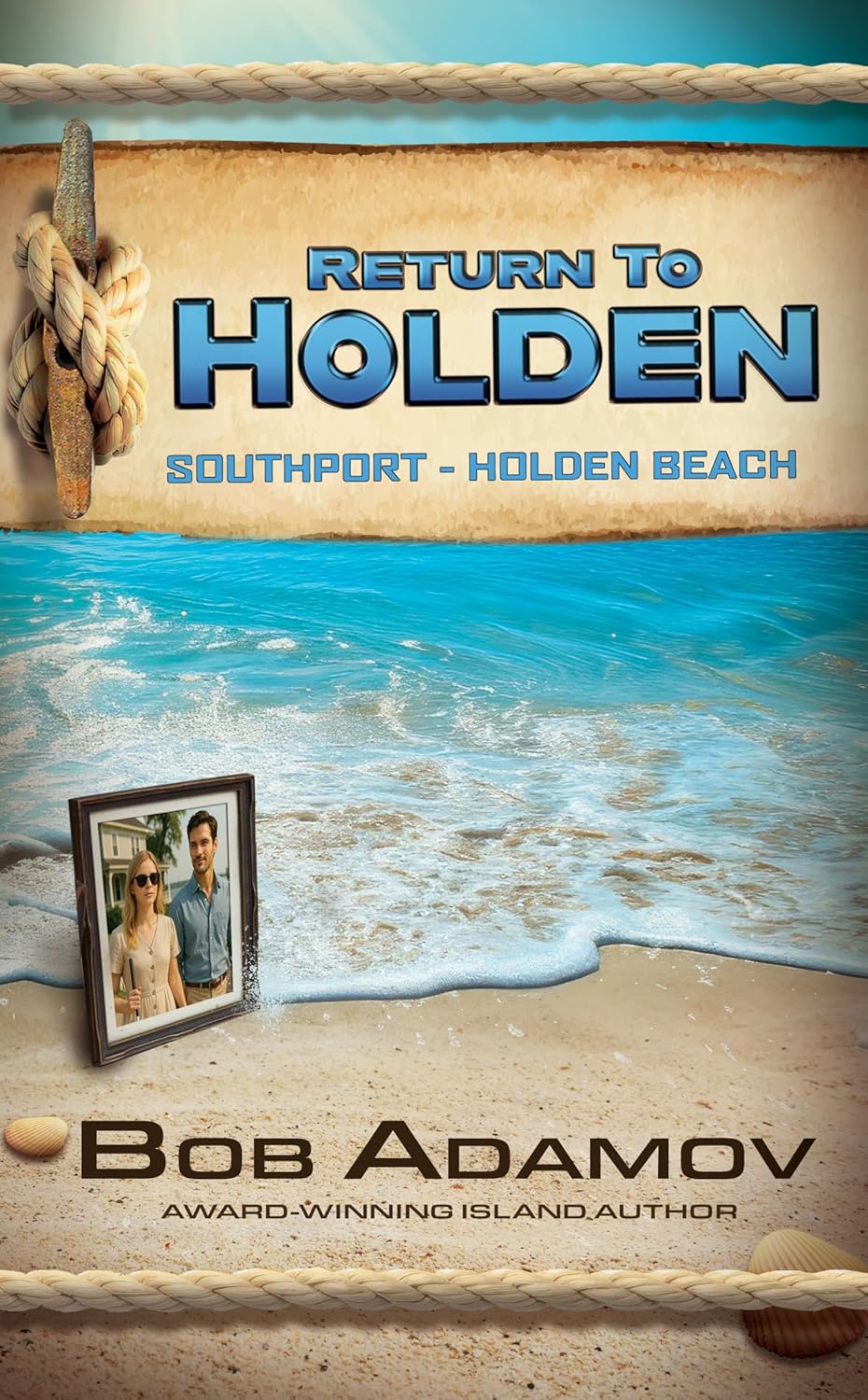
In Return to Holden, author Bob Adamov drops a battered drifter, Ty Brady, into the rain-washed streets of Southport, North Carolina, where a chance collision in a cozy corner store leads him to Bree—a young woman who’s blind but unnervingly perceptive—and to Bree’s Aunt Jo, who offers Ty a cheap apartment above her carriage house if he’ll trade rent for repairs. The setup feels almost like a seaside reset button—until the book steadily reveals why Ty ran in the first place: combat ghosts, contractor work gone wrong, and a violent past that refuses to stay “back there.”
What surprised me is how much the novel wants you to live in its setting before it asks you to fear for it. The early chapters luxuriate in porch swings, the Cape Fear River, freighters sliding through the channel, and the small-town mechanics of kindness, especially via Weeds, the local handyman-oracle who is equal parts comic relief and grizzled guardian. Bree, too, is written with a steadiness I appreciated: her blindness isn’t treated as a decorative vulnerability so much as a different instrument panel—she reads tone, tempo, hesitation. That makes the romance work better than it has to, because it grows out of attention rather than just proximity.
Then the darker thread tightens. Ty’s confessions land with a blunt, unvarnished ache, PTSD rendered less as a plot coupon than as a nightly weather system he can’t outrun. And when the antagonists start closing in (the kind of men who speak in threats like it’s their native language), the book pivots into genuine romantic suspense: a hunted man trying to become ordinary, a new love forming right where danger can find it, and collateral grief that hits the household hard. The story occasionally telegraphs its emotional beats, but the sincerity won me over, and the ending, centering on Bree’s courage and deepening love for Ty and Ty’s decision to stop running, feels earned.
This one’s for readers who like romantic suspense, coastal mystery, small-town thriller, and second-chance romance, the kind of story where danger prowls just beyond the porch light, but community still counts for something. If you enjoy Nicholas Sparks’s The Notebook but sometimes wish the tide brought in more menace along with the moonlight, you’ll feel at home here. Return to Holden is a story of love, loss, and survival.
Pages: 225 | ASIN : B0GBPV786N
The One Who Ghosted Me
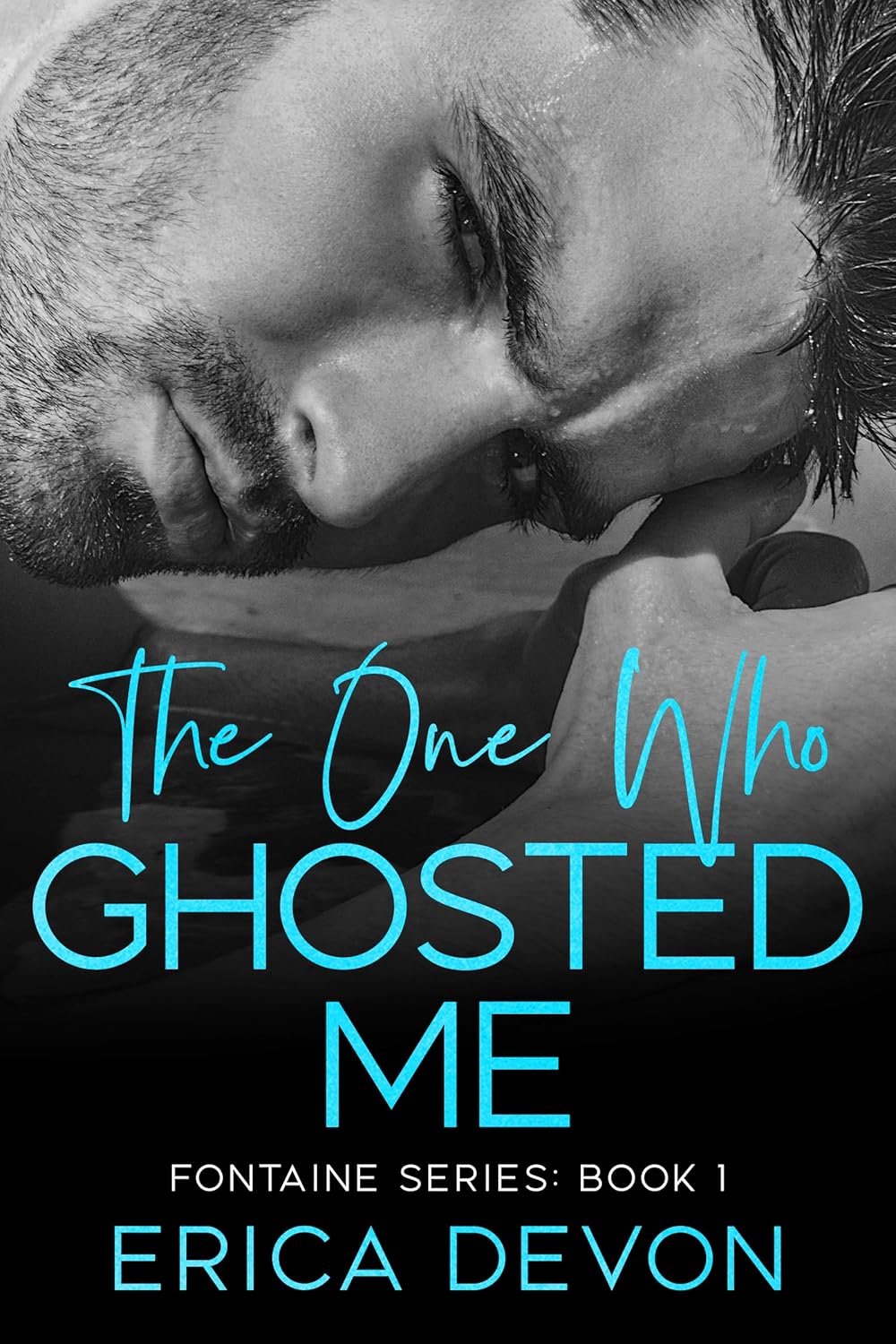
Erica Devon’s The One Who Ghosted Me drops me into a second-chance collision: Amelia Preston, still raw from being abruptly cut off by Jonathan five years earlier, is rebuilding a life in Rainmere, Washington, juggling contract geology work and a strange, high-security assistant gig for an unseen employer (WJ7 Inc.) at a looming estate. Then Jonathan reappears as the lead on a high-stakes merger asset project, and the past isn’t just unresolved, it’s booby-trapped, with old loyalties, new pressures, and a secret that finally explains why he vanished.
That old-school, can’t-look-away tension Devon builds when two people know each other’s soft spots and still choose each other’s bruises is enthralling. Amelia’s voice has a flinty, self-protective edge that feels earned (she’s not “guarded” in the decorative way; she’s done), and Jonathan is written with a believable burden, competent, loyal, and quietly wrecked by the consequences of doing the right thing. When the book finally lays out the whistleblower/protective-custody truth behind the ghosting, it doesn’t erase the damage, but it does sharpen the moral dilemma into something you can bite into.
I came for the romance reparations and stayed for the atmosphere. The story keeps slipping little splinters of mystery under the skin. An old journal, a tucked-away map, a chapel with a digital lockbox, and those recurring “that’s odd” sensations (the metallic smell, the forest’s almost-guiding presence, the too-perfect feeling of rightness) add a faintly uncanny undertow without tipping the book into full paranormal. And when the external world punches in, merger fallout, professional brinkmanship, and the Brazil transfer that lands like a guillotine, the love story doesn’t float above “real life”; it gets dragged through it.
If you like contemporary romance, second-chance romance, workplace romance, slow-burn, and a dash of romantic suspense / gothic-leaning mystery, this is aimed squarely at you, especially if you enjoy heroines who insist on stability and still risk tenderness, and heroes who have to choose integrity over the neat, impressive life-plan. The late-book glow-up (including wedding plans and the found-family warmth) lands like sunlight finally hitting a cold room. If you’ve ever devoured a Nora Roberts romance for its grounded emotion plus a low, steady hum of secrets, Devon’s approach will feel like a close cousin, modern, outdoorsy, and just a little haunted. The One Who Ghosted Me is a story about the cost of silence, and the fierce, stubborn relief of being chosen out loud.
Pages: 488 | ASIN : B0GDSKD3LS
Forgiveness and Love

The Last One to Know follows a man from first love to first heartbreak and a second chance, as faith, divorce, and hard-earned wisdom teach him that love isn’t proven by how tightly you hold on, but by knowing when to let go. Was Ziggy inspired by personal experience, observation, or pure imagination?
Ziggy was largely the result of a combination of personal experience and imagination. His reaction to adultery was based on the observation of a wonderful Christian man who has always been an inspiration to me because of his capacity to show grace and forgiveness.
Ziggy’s voice is plainspoken and detailed, almost diary-like—what drew you to that style?
I often fail to understand what women think and feel, and I have to have it explained to me. Having the main character trapped in that male perspective allowed me to show his confusion and his inability to understand some of the things happening in his life. Most romances are written from a feminine perspective or an omniscient narrator. Ziggy’s struggles to grasp what is happening and why are an important part of his struggle. Female friends explain things to him, and he wrestles with God to find the right path.
What were some themes that were important for you to explore in this book?
Domestic violence, adultery, and divorce were my primary concerns. I wanted to show how these issues can damage and change multiple lives with devastating consequences. On a lesser level, I touched on abortion, racism, and standing for the right without regard to the consequences. These are real-life problems that touch every life to some extent. I tried to address them with compassion and a light touch of humor.
What do you hope Christian readers take away from the way faith is portrayed here?
The importance of forgiveness and love, even when you are hurting, as shown by Siegfried. Lisa’s graciousness in acting contrary to her own self-interest, even when it causes her great pain, is an important part of faith. She is an example to all.
Author Links: GoodReads | Facebook | Website | Amazon
In The Last One to Know, Siegfried Abel (who hates his name) struggles as he navigates physical attraction, passion, friendship, humor, and all the other aspects that draw two people together.
Siegfried has a strong sense of right and wrong. At times, it seems as though he is tilting at windmills. Will he be successful? Or will those who are more powerful take him down again, and again?
Will he find love, and how will he know it’s the woman of his dreams when he meets her?
Join Siegfried and a host of complex characters as he grows from adolescence to maturity, finding love where he least expected.
In this Clean Christian Romance, you will agonize with Siegfried as he deals with issues of life’s unfairness, disappointments, and betrayal. It is an arduous journey marked by heartache, happiness, and ultimately love.


