When I think back on The Raven Moonstone, the first thing that comes to mind is the mix of everyday teenage struggles colliding with sudden tragedy and then spiraling into strange, magical chaos. The story follows Noah Farmer, a lanky high schooler who loses his parents in a bizarre accident and stumbles into a world where ravens seem to watch his every move and dusty old books hold actual spells. Goats, clowns, bullies, and oddball townsfolk all swirl together as Noah tries to deal with grief, responsibility, and this creeping sense that his life is turning into something both terrifying and extraordinary. It’s a coming-of-age tale wrapped in fantasy, but grounded in small-town life and the pain of loss.
Some of the early chapters felt slow, almost like the story was meandering around Noah’s world. But then, the weirdness started seeping in, and I couldn’t look away. The librarian turning into a goat had me laughing, and the recurring image of ravens circling overhead gave me chills. What really hit me, though, was how raw Noah’s grief felt. The anger, the guilt, the numbness, they all rang true to me. I’ve read plenty of fantasy where characters lose people and move on in a page or two, but here the pain lingers. It weighs down the story, and that made me care about Noah in a way I didn’t expect.
Some passages soared, pulling me straight into Noah’s mind, and others dived into description or dialogue. Still, I kept turning pages. There’s a quirky charm in the way goats keep showing up as both comic relief and accidental victims of Noah’s magic. The book has that mix of dark and light that reminds me of small-town ghost stories told around a campfire. You know it’s a little ridiculous, but you’re hooked anyway. And the author isn’t afraid to let things get messy, whether it’s family tension, awkward friendships, or magic that never quite works the way Noah hopes.
The Raven Moonstone is entertaining. It’s full of heart, strangeness, and some genuine emotional punches. I’d recommend it to readers who enjoy young fantasy that doesn’t shy away from grief or from being a little weird. If you like stories where magic collides with everyday life, where humor and sadness sit side by side, this book will be right up your alley.
The Hunt for Alesta kicks off Mark K. McClain’s “The Ruinous Curse” series with the story of Barrett, a prince caught between duty, prophecy, and personal longing. As his kingdom teeters on the edge of war, Barrett discovers not only that magic might live inside him, but also that he’s at the heart of a much larger destiny. Alongside loyal friends Zanora, Gaia, and Unger, he battles dark forces, navigates hidden tunnels and magic festivals, and must decide whether to wield ancient power or follow a simpler path. The book weaves friendship, fear, and growing up into a quest full of danger and mythic weight.
What stood out most to me was how deeply human Barrett felt. He’s not some perfect hero. He hesitates, he doubts, and he fumbles through his feelings for Zanora like any teenager would. That made his story so much more relatable. The magic and world-building had a classic fantasy feel, but the dialogue kept it fresh. There’s a bit of whimsy here, like talking doors, cheeky magical creatures, and floating gossip orbs, but it’s grounded by the looming threat of war and the emotional weight of loss. McClain isn’t afraid to slow down for a tender moment or dive into darker territory.
The setup took a while, and while I enjoyed the time with the characters, I found myself itching for the real stakes to kick in. Still, once the action started, especially with the chase through Ashton and the reveal of Barrett’s power, I was hooked. There’s also a lot of prophecy talk, which can get a little heavy-handed, but it didn’t stop me from caring about the choices Barrett had to make. McClain manages to keep the story from veering into cliché by injecting heart into every turn, even when the tropes feel familiar.
The Hunt for Alesta is a heartfelt and imaginative coming-of-age story wrapped in the trappings of high fantasy. I’d recommend it to younger readers who loved the early Percy Jackson books or fans of coming-of-age tales in magical worlds like Eragon or the Earthsea Cycle. It’s for those who want magic with emotion, action with meaning, and friendships that feel real. It spins a tale worth following, and I’m excited to see where Barrett’s story goes next.
Do You Believe in Miracles? follows a once shy teenage boy who discovers a hidden realm where he is a powerful wizard and now must decide to remain in that world or return to his mortal life.What was the inspiration for the setup of your story?
Two things stand out. My previous epic fantasy saga is titled The Death Wizard Chronicles, and it contains adult content that makes it appropriate for 18 and older. But I have five daughters, and the youngest one — who is a voracious reader — couldn’t bring herself to read DW. The ol’ you can’t picture one of your parents even thinking such things. So she asked me if I could write something appropriate for the 13+ age group. Hence, my teen fantasy adventure series Dark Circles was born. Do You Believe in Miracles? is book 3. The second thing that stands out is that the setting for Dark Circles is based on a small town in rural Upstate South Carolina that is near to where I currently live.
Were you able to achieve everything you wanted with the characters in the novel?
The short answer is yes. The long answer would go on forever. So I’ll give you the middle-length answer. 😀 I went to great effort to give each of my major characters real and recognizable traits such as their physical appearances, emotional responses, personality quirks, and their values, beliefs, and morals. For example, Charlie’s growth from a timid teen to a powerful wizard built slowly throughout the narrative. If you read carefully, you’ll be able to see this growth step by step, almost like walking up a long set of stairs.
What was the initial idea behind the Dark Circles Trilogy, and how did that transform as you were writing the series?
The initial idea came from the title. The trilogy is called Dark Circles for a specific reason. When teens from the real world enter the fantasy world, they are unable to sleep because an evil being haunts their dreams and is intent on killing them. Therefore, when they return to the real world, they have dark circles beneath their eyes from lack of sleep. I carried this theme throughout the series, though it became less important as the story picked up speed.
What is the next book that you are working on, and when can your fans expect it to be out?
I’m working on two books: a novel and a memoir. The novel is titled Bhayatupa the Great: The Dragon Wars and is a prequel to my six-book adult epic fantasy titled The Death Wizard Chronicles. It should be available by June 2025. The memoir is titled The Adventures of a Florida boy and it chronicles what it was like to grow up in the 1960s on the west coast of Florida, a time when kids roamed wild and free. I’ll be shopping this to publishers and agents soon, so I’m at their mercy as to when it will be available.
Dark Circles is the winner of ten prestigious international awards. From the author of The Death Wizard Chronicles comes an award-winning adventure suitable for teens and adults.Do You Believe in Miracles? is book 3 of Dark Circles, a fantasy trilogy for readers 13 and older. This is a fascinating coming of age series for fans of J.K. Rowling, Neil Gaiman, and Brandon Sanderson.
Book 1: Do You Believe in Magic? (May 25, 2023) Book 2: Do You Believe in Monsters? (Oct. 23, 2023) Book 3: Do You Believe in Miracles? (April 21, 2024)
Synopsis: When Charlie Magus enters a fantastical world hidden deep in the forest, his life is turned upside down. The timid 13-year-old transforms into a powerful wizard wielding formidable magic. In the real world, life goes on as usual. But in the fantasy world, a war is brewing that will dwarf all others. Charlie’s newfound powers stand between victory and defeat. But in which world does he truly belong? Dark Circles is an adventure of epic scope. Only those with a hero’s heart will dare to stand at Charlie’s side as he battles an army of monsters led by an evil being of immense power.
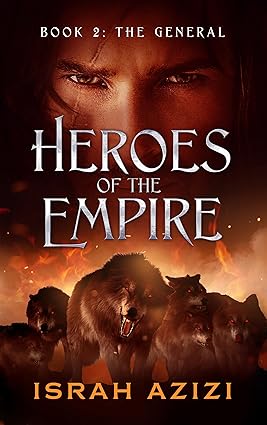
Mordon finds himself a captive in enemy territory, his world shattered as he confronts the moral complexities of his situation. Faced with an opportunity for redemption and power, Mordon must make a pivotal decision that will shape his destiny. Meanwhile, Coralie, the rightful queen, grapples with the immense challenges of leadership. Her kingdom is besieged by external threats and internal dissent, reeling from a recent attack by the Dark Lord Prolus. With the looming threat of the Tariqin army, Coralie is under immense pressure to protect her people and preserve their honor, even if it means forging alliances with unlikely allies. As the narrative unfolds, the fates of Mordon and Coralie become increasingly intertwined, leading to a compelling convergence of their storylines.
Heroes of the Empire Book 2: The General by Israh Azizi deftly explores themes of betrayal, power struggles, survival, love, and family relationships. The inclusion of strong female characters like Natassa and Coralie, who take the lead and fight in battles when necessary, is particularly noteworthy. Despite being perceived as weaker by their male counterparts, these women rise to the occasion, demonstrating resilience and strength. The world-building is impressive, with characters that have unique names, vivid descriptions of kingdoms, and creative language that paints a clear picture in the reader’s mind. The dialogue is engaging and unpredictable, adding depth to the characters and keeping the reader on their toes. The romance elements, such as Velamir’s attraction to Kasdeya and the budding relationship between Jax and Krea, add a pleasing layer of complexity to the story. The author’s creativity shines throughout the novel, with vivid descriptions that fully immerse the reader in every scene. To fully enjoy this series, it is recommended that you read the previous installments, though the character guide at the beginning of the book is particularly helpful in understanding the intricate web of relationships and backstories.
Heroes of the Empire Book 2: The General is a captivating blend of action, intrigue, and rich character development. With its strong themes of power, betrayal, and resilience, it offers an immersive reading experience that keeps you engaged from start to finish. The vivid world-building and unpredictable plot twists make it a compelling addition to any fantasy lover’s bookshelf, with Coralie’s courageous leadership leaving a lasting impression. Whether you’re new to the series or a returning reader, this book delivers a satisfying and thrilling journey.
Magical realms in literature captivate the imagination by offering boundless possibilities, and Charlie Magus is the hero who brings this novel to life. Do You Believe in Miracles? by Jim Melvin is the third book of the Dark Circles trilogy. It follows 13-year-old Charlie Magus, who stumbles into a hidden realm within the forest, changing his world forever. Once a shy boy, Charlie becomes a mighty wizard with extraordinary abilities. While life continues normally in his everyday world, the fantasy realm is on the brink of a colossal war. Charlie’s magic could decide the outcome, but he faces a tough choice: remain in the world of mortals or reside forever in his newly discovered world.
Melvin’s talent for creating vivid, immersive descriptions pulls you into the magical world he’s crafted. Each scene is rich with detail, making the fantastical elements feel real and immediate. From the intricate spell work to the majestic landscapes, the book’s visual splendor is truly impressive. The way Melvin paints these images with words makes the fantasy realm come alive. You can almost see the shimmering magic and feel the atmosphere of each setting. This ability to create such a vivid world adds a layer of depth to the story, enhancing both the action and emotional moments. The book is a visual feast that keeps the reader engaged and invested in the adventure. Melvin’s writing style ensures that the fantastical elements are not just decorative but essential to the story. The detailed imagery helps to build a rich, immersive experience that draws you into every aspect of the narrative. The magic and settings are described with such clarity that they become an integral part of the story, making each moment feel both epic and personal.
Do You Believe in Miracles? captured my heart with its exceptional visual and narrative artistry, making it a must-read for fans of the genre.
In Arsalan the Magnificent, author Tolbert transports readers to a realm where magic-infused architecture shapes towering buildings and majestic structures. The protagonist, Arsalan, renowned as a magical architect, experiences a dramatic fall from grace when one of his most celebrated creations collapses, unraveling both his professional accolades and personal life. Disgraced and disheartened, Arsalan embarks on a poignant journey to find his daughter, who has fled to escape a perilous courtship with a nefarious prince. This quest leads him to a deeper understanding of his identity beyond his architectural achievements.
Tolbert skillfully crafts a character in Arsalan that resonates with readers, endowing him with a blend of charm, personality, and relatable humanity seldom seen in contemporary fiction. The narrative is seamlessly interwoven, showcasing Tolbert’s expertise in creating a compelling and coherent story. This novel offers a refreshing deviation from the typical combat-centric fantasy genre, presenting a magician whose legacy lies in creation rather than destruction.
The storyline captivates and entertains, maintaining momentum with minimal lapses into tedium or repetition. Supporting characters enrich the narrative, contributing depth and progression to each chapter. This imaginative tale redefines the portrayal of magic, presenting it as an integral element of world-building and human experience.
Arsalan the Magnificent is a highly recommended read for fantasy enthusiasts, particularly those fascinated by the interplay of magic and the human condition, offering a distinctive exploration of a world brimming with enchantment.
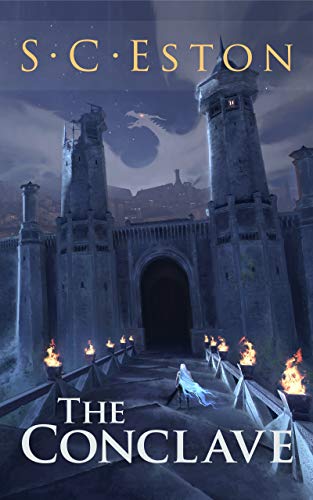
The Conclave is a fantasy novel in the world of Arvelas and begins with a worry amidst the protectors of the realm who have recently chased away a threat to their city. What was the inspiration for the setup to your story?
Arvelas is a place I’ve been traveling to since my early teenage years. I created this world after a good friend introduced me to the Advanced Dungeons and Dragons role-playing game, where you have one host presenting the adventure and several players acting out the characters.
We initially played using adventure sets, which provided all the information about the characters and events of the game, as well as the locations where everything took place, often with maps. I quickly decided to create my own world, called it Arvelas and started hosting gaming sessions. With a world of my own, I was suddenly not limited to the content that was provided. I could create an infinite number of original adventures.
Over the years, Arvelas changed based on my preferences as well as those of the players. I continuously updated the rules, and added new villages and cities, mysterious and magical places, or new characters, all based on our favorite books, movies, or video games. These changes molded Arvelas into the universe it is today.
I believe it is one of the players who suggested I write stories to expand on the game. After all, as the host of most of our games over the years, I was doing exactly that: creating stories. Because I know the world so well and because I love it so much, it was an easy transition.
The first story I published was a short story titled ‘Zanathu‘. It is available for free download on my website. ‘The Conclave’ came next.
Your characters are intriguing and well developed. What were some driving ideals behind your character’s development?
One of the biggest challenges I encountered while writing ‘The Conclave’ was its large cast of characters. The story is fairly short and I was worried that readers wouldn’t be able to tell them apart. For that reason, I spent a significant amount of time debating which characters to include and how best to introduce them.
In the end, I decided to keep most of the initial characters, because the story required it. The idea of bringing them to the secret meeting one by one was inspired by the first part of the book ‘Hyperion’ by Dan Simmons. Simmons’s introduction is much more lengthy and he only has three characters, but I enjoyed meeting his protagonists one at a time and thought it could work for ‘The Conclave’.
It’s interesting to note that two of the main characters, Onthar and Argon, were in essence created by players during a campaign we played more than twenty years ago. It was important to me to stay true to their depiction of both characters and to respect the relationships they had built during the gaming sessions.
What were some themes that were important for you to explore in this book?
I didn’t set out with a theme in mind, but due to the format of the book—many characters sparing back and forth—relationships quickly came to the forefront. The book explores a wide variety of friendships, companionship, and rivalries, touching on the themes of loyalty, honesty, and trust, as well as the significance of love and forgiveness. Come to think of it, relationships and their intricacies are explored in my other books as well.
What is the next book that you are working on and when will it be available?
I’m currently finalizing the first installment in a massive epic fantasy series called The Lost Tyronian Archives. The first book is titled ‘The Stranger of Ul Darak’, and it’ll be available later this fall. The novella ‘The Burden of the Protector,’ which I published in 2016, is a prequel to the series.
I’m also in the preliminary phases of a project where readers will be able to directly participate and influence the development of a dark fantasy series. My goal is to involve them in early versions of each story, gather their feedback and adapt the final version based on the comments I collect. I call this initiative the Baneseeker Project (the series is titled ‘The Baneseeker Chronicles’) and I’m planning on kicking it off early in 2023.
Finally, I just completed a short story for an upcoming anthology around the theme of Winter. The story takes place in Arvelas and tells us about Zebu, one of its most powerful and renowned wizards. The anthology is titled ‘Winter Paths’ and will be available in the Fall.
The details of each of my stories or projects can be found on my website www.SCEston.com.
It all came down to this.A traitor.~The city of Telstar has been freed and the enemy defeated. In the streets, the townspeople are celebrating, singing and drinking to the promise of better days to come.Yet, at the top of an abandoned tower, a secret meeting is about to take place. Although victory was attained, questions remain unanswered. Some of Telstar’s deepest secrets got out and the impregnable city almost fell. It is unclear who betrayed the city and some will not sleep until the culprit answers for the betrayal.Onthar, a high warrior dedicated to Tyr, deity of courage, takes it upon himself to call on emperor and queen, wizard and warriors, elf and orc, all heroes of the battle, to meet in secrecy and find out who among them betrayed his city.But these are serious charges and these are powerful individuals. The meeting could easily turn into a confrontation, and if it does, it could achieve what the enemy could not: destroy the very city they all want to protect.
The Conclave by S. C. Eston is a fantasy book based in the world of Arvelas. The book begins with a worry amidst the protectors of the realm who have recently chased away a considerable threat to their city. The city is rebuilding, and people think the worst is behind them. The Seeker, however, is not so sure about that. The air is chilling, and a feeling of dread continues to seep within his heart. Onthar, the Seeker, calls a meeting of all the Vanguards and important people in a secret place. The meeting is to plan the further course as well as to find out about the traitor amidst them.
Eston’s writing style is engaging and flows smoothly. The interest spikes as we get deeper into the story making it hard to put the book down. The flashbacks and episodic introductions are used to explain the city’s current situation. Most of the actions and events are discussed in retrospect. The oscillation between past and present is visible and keeps the reader’s interest.
Even while being vague, the author can arise the sense of dread and fear that plagues the characters. However, the description of characters is effective and prevents them from merging in the shadows. Each character has its own story, which is reflected in the book.
I enjoyed reading this book with a fast-paced narrative with multiple characters and viewpoints. The shift in narratives is clear and makes the reading experience enriching. The book ends on an ambiguous note with a promising sequel to this story. However, the threat hasn’t been obliterated even though the story comes to an end. It will be amusing to read more about the world of Arvelas and the realm of Tilia.
The Conclave is a captivating epic fantasy novel. Young adult and teen readers who want a fast-paced, action-filled adventure with powerful characters will find this novel hard to put down.











 LITERARY TITAN