Blog Archives
Moonstone: The Winter’s Twins Series Book 1


J. W. Murray’s Moonstone, the first book in the Winter’s Twins series, is a sprawling young adult epic fantasy adventure filled with cloudships, floating islands, winged warriors, ancient weapons, political schemes, strange creatures, and a prophecy that pulls a group of young champions into a much larger conflict. The story begins by following several seemingly separate lives, including the street-smart orphan Traiden, the sheltered and fiercely competitive gymnast Cassille, the guarded Queen Elenya, and Marek Jaad, an experienced cloudship captain who can sense disturbances in time. Their paths gradually converge as evidence emerges that an old enemy called the Legion is returning and that a set of mysterious stones may be the key to stopping it.
The world-building is the novel’s biggest attraction. Murray doesn’t treat the cloudships as decorative fantasy vehicles. Their navigation, rigging, weather hazards, crew hierarchy, and customs shape everyday life, giving the book a convincing airborne culture. The Six Kingdoms also feel distinct, with their own rivalries, beliefs, fighting traditions, and social rules. There’s a lot of terminology to absorb, especially early on, but the details reward readers who enjoy getting thoroughly immersed in a new setting. The book’s guiding idea appears in the warning, “Then remember, coincidence does not exist. The Pallomand was always pulling the strings.” That line captures the pleasure of watching scattered characters, relics, dreams, and political maneuvers become parts of the same design.
Traiden and Cassille give this coming-of-age fantasy novel its approachable emotional center. Traiden’s humor, loyalty, and instinct for improvisation make him easy to root for, while Cassille’s pride and hunger for independence give her a sharper edge. Their early friction develops into a believable partnership as they face danger, separation, loss, and the unsettling discovery that their roles may have been chosen long before they understood them. Marek provides a useful counterweight. He’s capable and experienced, but his skepticism about prophecy keeps the story from becoming a simple chosen-one tale. The supporting cast is large, sometimes almost too large to track casually, yet figures such as Dagor, Pattan, L’dai, Harnen, and Morab bring humor and personality to the journey.
Readers who enjoyed Philip Pullman’s The Golden Compass may recognize a similar blend of young protagonists, unusual technology, animal-like allies, competing powers, and a cosmic mystery hidden beneath an adventurous surface. Moonstone is more expansive and nautical in its storytelling, with the cloudship crew functioning much like the company in a traditional seafaring epic. It also spends more time on technical world-building and introduces its central cast through multiple storylines before fully joining them. That measured structure creates anticipation, though the number of names, titles, invented words, and historical references makes this a book best read with attention.
The ideal target audience is teen and adult readers who enjoy steampunk fantasy, airship adventures, magical quests, and ensemble casts. Its violence and political intrigue give it enough weight for older readers, while its young heroes, lively humor, creatures, competitions, and sense of discovery should appeal strongly to teenagers. Moonstone works as both a grand introduction to the world of Winter’s Twins and the opening movement of a longer story. It closes with important relationships transformed and the larger conflict coming into focus, leaving its heroes headed toward an uncertain destination.
Pages: 536 | ASIN : B0GZR2D2KV

Wishes and Choices: MorKano’s Wish

Wishes and Choices: MorKano’s Wish, by D.B. Thomas, is a young adult fantasy novel about Kit, Mythral, Cat, and their allies trying to protect the Realms after MorKano’s defeat proves less final than everyone hoped. The story blends magic, time inversion, dark wizards, dragons, gryphons, and a layered three-realm world, but its real focus is on the weight of choices. Kit has wished for adventure and romance, and now she has both, along with danger, responsibility, and the awful knowledge that saving others can demand more than courage.
What I liked most is that the book does not treat fantasy as only a spectacle. There are spells, magical duels, and cosmic stakes, but the heart of the novel is much more grounded than that. Kit is powerful, but she is still young, still learning, still wondering if she is making the right call. Mythral, meanwhile, carries regret like a stone in his pocket. I found that reflective thread compelling. The author keeps returning to the idea that mistakes are not always cleanly separated from victories, which gives the story more emotional texture than a simple good-versus-evil adventure.
The writing has a lively, direct style, and Cat’s interruptions give the book a playful classroom-story feel. Sometimes those asides are funny; sometimes they slow the momentum, but they also make the novel feel distinct. The author seems interested in teaching as much as entertaining, especially when the story moves into ideas about power, self-control, mentorship, prejudice, and protecting those who are vulnerable. The book can be heavy on explanation, but there is sincerity here, and you can really feel that throughout the story. The book wears its moral questions openly, without pretending not to care.
I would recommend Wishes and Choices: MorKano’s Wish to readers who enjoy young adult fantasy with strong magical systems, chosen-family bonds, time-travel complications, and a clear moral center. It will especially appeal to fans who like their fantasy adventurous but thoughtful, with characters who pause between battles to ask what their choices have cost and what kind of people they want to become.
Pages: 224
How the Winterlilies Grow
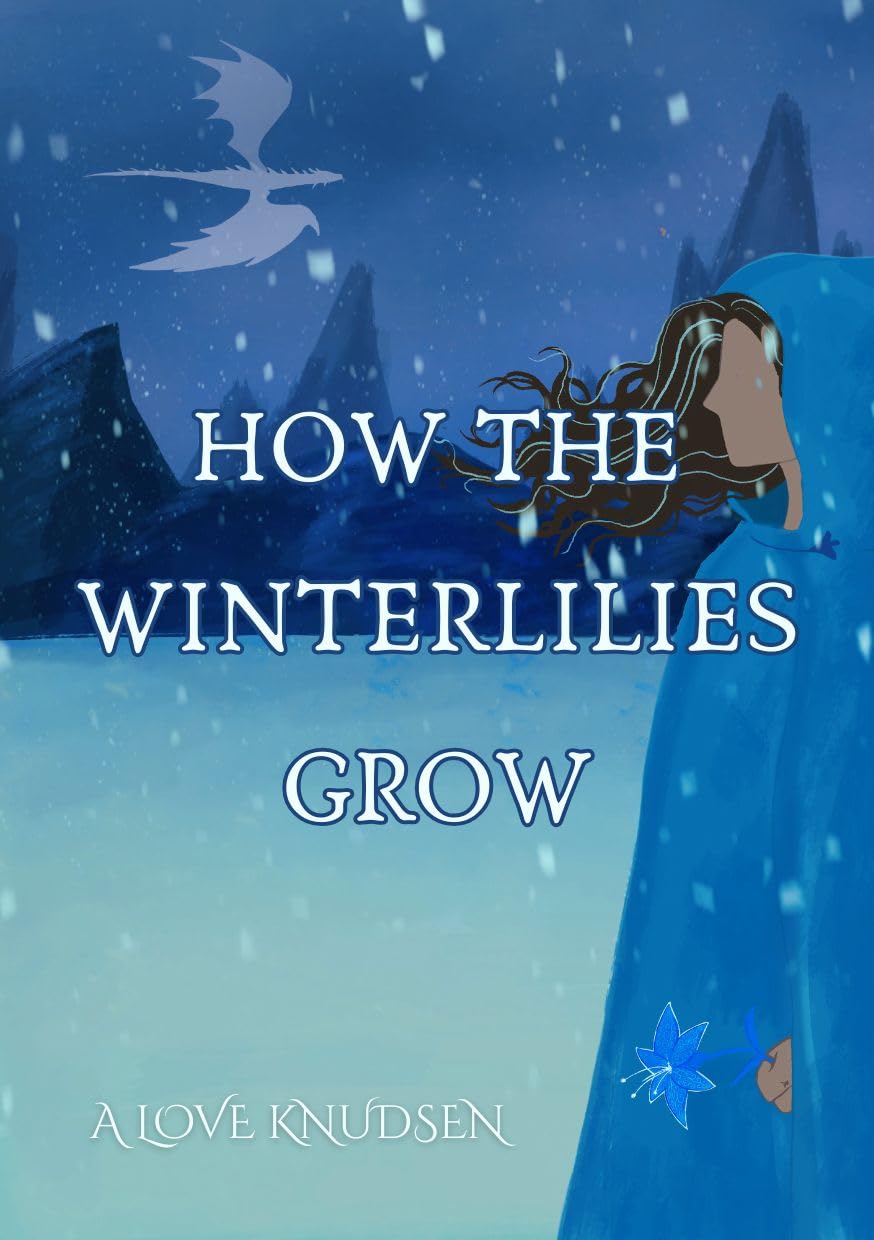

How the Winterlilies Grow follows Aradella, a young woman desperate to save her mother from the deadly Aurora Veins, as she is pulled from her ordinary life of candles and marketplace worries into a kingdom-shaking quest for the legendary winterlily. What begins as a search for a healing flower widens into a journey through dwarven bargains, goblin negotiations, sea voyages, hidden gardens, spiritual testing, and open rebellion against King Draven’s cruel rule.
I was most drawn to the way the book treats courage as something trembling rather than polished. Aradella is not a fearless heroine carved from marble; she is anxious, stubborn, tender, and often overwhelmed. That makes her growth feel earned. Her search for the winterlily becomes more than a plot device. It becomes a crucible where grief, faith, control, and surrender all meet. The story’s Christian elements are direct and unmistakable, but they work best when woven into Aradella’s fear of losing her mother and her slow realization that she cannot carry the whole world by herself.
The novel also has an appealing classic fantasy feel. There are dwarves, goblins, sirens, magical weapons, winter-bound towns, royal decrees, secret histories, and a climactic ball that turns into something far more dangerous than ceremony. The story’s abundance makes the pacing feel crowded, and some scenes pause to explain feelings that the action already suggests. Still, I found the sincerity of the book hard to dismiss. Its best moments have a lantern-lit quality: warm, earnest, and bright against snow.
I think this book is best suited for readers who enjoy Christian fantasy, young adult fantasy, adventure, fairy-tale quests, and faith-based coming-of-age stories. Fans of C. S. Lewis’s moral clarity and Gail Carson Levine’s enchanted-kingdom sensibility may find familiar pleasures here, though this story leans more openly into devotional reflection. How the Winterlilies Grow is a snowy quest about healing, but its deeper bloom is trust. A tender fantasy where faith flowers in the coldest places.
Pages: 338 | ASIN : B0GX2Y96BD
The Depth of Darkness

The Depth of Darkness, by Alisse Lee Goldenberg, is a young adult fantasy novel and the fourth book in The Children of Colonodona series. The story returns to Colonodona after the death of King Navor, where Queen Sitnalta is drowning in grief, Princess Audrina is carrying guilt and the pressure of her future crown, and strange attacks across the kingdom hint at something far more painful than an ordinary monster. What begins as a mystery about a creature in the dark slowly becomes a story about grief, family, identity, and the hard work of choosing love even after terrible loss.
I was impressed with how personal this fantasy feels. Yes, there are trolls, magic, cursed wishes, royal politics, and old secrets, but the heart of the book is quieter than that. It sits with people who are trying to keep going after being broken. Sitnalta’s sorrow feels heavy and lived in, and Audrina’s frustration with the crown gives the story a strong emotional center. I liked that the author doesn’t treat grief as something neat or noble. It’s messy. It makes people withdraw, snap, doubt themselves, and miss what is right in front of them.
I also liked the way Goldenberg uses fantasy not just for spectacle, but for emotional questions. What makes someone a monster? What does it mean to be yourself when magic, duty, and other people’s fear keep trying to define you? Those ideas run through the book without turning it into a lecture. The writing is direct and often very tender, especially in scenes between Audrina, Gertrude, Sitnalta, Lucas, and Najort. The story leans on dialogue and recap, especially for readers who may not remember the earlier books, but I didn’t mind that because the relationships are the real engine here. The book cares deeply about its characters, and you can feel that on the page.
The Depth of Darkness will probably mean the most to readers who enjoy character-driven series with fairy-tale roots, found family, royal drama, and magic tied closely to emotion. I would especially recommend it to readers who have followed The Children of Colonodona from the beginning. It’s not just about fighting the darkness outside the castle. It’s about facing the darkness that grief leaves behind, and finding, slowly and imperfectly, a way back into the light.
Pages: 266 | ASIN : B0H42CLHBZ
Library in the Clouds: Children of the Blue Knight

Library in the Clouds: Children of the Blue Knight, by Hal Olsoe, is a fantasy adventure about Gwen and Landon, two children forced onto the road after their home is burned, their father is killed, and their mother is taken. What begins as a desperate journey to find her slowly opens into something larger, involving old powers, hidden knowledge, political betrayal, and a legendary library that feels half myth and half warning. At its heart, though, this is a story about siblings trying to survive when the world has asked far too much of them.
What I appreciated most was how grounded the book feels, even with its gods, kingdoms, sacred places, and ancient books. Olsoe does not rush the children from one grand fantasy set piece to the next. Instead, the story spends real time on hunger, sore horses, bad inns, dirty clothes, fear, and the small choices that keep people alive. It gives the fantasy genre some dirt under its fingernails. Gwen, especially, carries much of that weight. She’s brave, but not in an easy way. Her courage is practical, tired, and sometimes harsh. Landon brings a softer counterpoint, and I found their bond to be the emotional center of the book. They argue. They misunderstand each other. They keep going anyway.
The author’s worldbuilding is ambitious, and I could feel how much thought went into the gods, temples, social order, and history of the realm. The appendices reinforce that sense of a wider world beyond the immediate plot. The story leans on travel and explanation, and some sections move more slowly than readers expecting constant action might prefer. But that slower pace also allows the book to breathe. The danger feels earned because the quiet moments matter, too. I was especially drawn to the way the book treats knowledge. The library isn’t just a magical idea. It becomes a question: who gets answers, who controls them, and what happens when wisdom turns into a weapon? That stayed with me.
I would recommend Library in the Clouds to readers who enjoy character-driven fantasy adventure with medieval settings, sibling stories, and a sense of myth woven through everyday hardship. It will appeal most to readers who enjoy quests that are as much emotional as physical. This is not a light romp through a magical kingdom. It’s more like a long road taking you to beautiful places, frightening places, and worth following if you like fantasy that takes both its world and its young characters seriously.
Pages: 220 | ASIN : B0GZP9FP8Q
The Crash of Worlds

The Crash of Worlds by Alisse Lee Goldenberg is a fantasy adventure about what happens when disaster, grief, politics, magic, and family loyalty all collide. The story opens with the destruction of Coralnoss after Marcus’s warnings are ignored, then follows Zayna as she tries to save what is left of her people, Lucas as he searches for a way to reach her, and Audrina as she faces hard questions about love, duty, and whether she truly wants the throne. It’s a deep fantasy novel, with kingdoms, spells, royal conflict, sea voyages, and magical communication, but its real weight comes from human problems: fear, prejudice, pride, loss, and the need to ask for help.
I like how grounded the book feels, even when the world is full of magic. Goldenberg does not treat the disaster as a quick plot device. Zayna’s chapters linger in the mud, hunger, ruined homes, and the awful silence after a community has been broken. It gives the fantasy stakes a physical heaviness. At the same time, the writing is direct and accessible, which makes the emotional turns easy to follow. Some moments are blunt, but that plainness also works in the book’s favor. Grief is not always elegant. Sometimes it’s just one foot in front of the other, carrying supplies, calming a baby, and trying not to fall apart.
I also found myself thinking a lot about the author’s choices around leadership. Audrina’s storyline is not just about being a princess in love with Gertrude. It’s about the cost of being visible in a world that may not accept you. Her conversations with Navor are some of the warmest parts of the book, and they give the story a tender center. Then there’s the contrast with Parven, whose cruelty shows how family and power can become dangerous when pride is mistaken for principle. The book is curious about what makes a ruler good, but it’s also candid about how institutions fail people. The council ignores Marcus. Coralnoss pays for it. Later, survivors still hesitate to accept help because old fears are hard to shake. That felt painfully believable.
I would recommend The Crash of Worlds most to readers who enjoy character-driven fantasy with royal drama, found family, queer representation, and emotional stakes that matter as much as the magical ones. Readers who like sincere storytelling, big feelings, and a fantasy world built around loyalty and survival will likely appreciate it. It’s best for fans of accessible YA-style fantasy who want adventure, heart, and a reminder that rebuilding after loss is rarely clean, but it’s still possible.
Pages: 282 | ASIN : B0GY65N8BK

The Island of Mystics

The Island of Mystics is a young adult fantasy that leans hard into emotion, family tension, and the ache of feeling out of place. It picks up with characters already carrying real damage, and that matters. The book opens with grief, moves into separation and escape, and then widens into a story about love, duty, guilt, and belonging. What stood out to me most is that it isn’t built around a single quest so much as a web of relationships under strain. That gives it a more intimate feel, even when the setting gets larger and stranger.
What really gives the book its shape is the way the author lets emotional pain drive the plot. Lucas is crushed by guilt and convinced the people around him would be better off without him. Audrina is trying to hold onto love while living under royal expectations. Gertrude gets pulled between devotion and self-erasure in a way that feels painfully sincere. None of that reads like background decoration. It’s the engine of the story. Even a line as simple as “Nothing lasted” carries weight because that fear keeps echoing through the book in different forms.
I also liked how the fantasy world is presented. The island setting, the mermaids, the unusual birds, the castle details, and the sense of hidden history give the novel a colorful, storybook surface. The book keeps bringing things back to character. It’s less interested in showing off lore for its own sake than in asking what a magical world feels like when you’re scared, heartsick, or trying to choose between love and responsibility. The setting feels vivid, but it never pushes the people out of the center.
The writing has a sincere, openhearted quality that fits the material. Sometimes it’s earnest to a fault, but more often that directness helps. The book is at its best when it lets characters say exactly what they fear, want, or regret. One of my favorite lines comes near the end: “This is not goodbye. This is only until we meet again.” It’s romantic, a little defiant, and very much in tune with the novel’s belief that separation doesn’t have to mean erasure. That same spirit runs through the whole book.
The Island of Mystics is a heartfelt fantasy that cares deeply about its characters and takes their feelings seriously. It’s a book about wounded people trying to find one another, trying to forgive themselves, and trying to imagine a future that isn’t already chosen for them. I came away thinking of it less as an adventure story with emotional stakes and more as an emotional story told through fantasy. That ends up being its real strength. It knows what it wants to be, and it commits to it.
Pages: 236 | ASIN : B0GT26F94N
On Emerald Wings


On Emerald Wings opens like a fireside tale and then keeps widening until it feels like a full sky. It begins with the Green Wizard Verridon carrying a hidden infant to the hermit Althea, who becomes Godmother to Andreana, or Andi, and raises her deep in the Emerald Forest with the horse Zalaryn as her other guardian. Years later, Andi is a practical, tree-climbing forest girl whose life is split between herbcraft, Green magic, and her wonderfully unruly friendship with Rowan, a pooka with mismatched eyes and a talent for turning any quiet moment into chaos. When Andi’s attempt to save the Emerald Stag leaves the forest wounded, the story shifts into a larger quest involving a fallen kingdom, the rise of the Raven Queen, and the mystery of Andi’s true identity, all building toward battles in Oakfield that are both personal and political.
The book has that rare middle-grade or young YA fantasy quality where the world is enchanted, but the feelings inside it are recognizably human and sometimes sharply painful. The scene with Andi and Rowan facing the hexenwolves is thrilling on its own, but what lingers is the cost of it, the terrible moment when Andi realizes that saving the stag has stripped the trees bare and placed her out of balance with the forest she loves. That choice gives the book moral weight. I also found the found-family thread genuinely affecting. Godmother and Zalaryn feel authentic, bruised by history, loving in slightly guarded ways, and the mystery around their past gives the early chapters a quiet ache. Rowan, meanwhile, is the spark in the tinder. The prankster energy, the blunt loyalty, the sheer comic force of that personality kept the book from ever becoming solemn for too long. I was especially taken with the Starlight Vow because it turns friendship into something ceremonial and binding without draining it of warmth.
As for the writing itself, I found it earnest, vivid, and often charming. Author Jesse Whipple has a strong instinct for comic voice. The owl in the prologue, Rowan’s dead-serious nonsense, and even Andi’s dry reactions to pompous figures like the absurdly titled Corvinous give the book a buoyant rhythm that kept me smiling. I also think the author is at their best when writing movement and transformation. Andi crashing through branches, discovering the physical fact of her dragonwing body, or hurling herself into danger on the steps of the library all have an immediacy that makes the action easy to picture. This is not fantasy trying to reinvent the genre from the ground up. I felt it was more interested in restoring old pleasures with sincerity: balance versus corruption, magic as stewardship rather than domination, courage as something tied to loyalty and grief rather than swagger. That old-fashionedness mostly worked on me.
I admired the way the book lets wonder coexist with responsibility, and the way Andi’s growth never feels abstract but bodily, costly, and intimate. The final stretch, with its exhaustion, aftermath, and hard-won survival, left me satisfied while still making room for more story. My overall feeling is that this is a deeply likable fantasy, generous in spirit and grounded in affection for its characters. I’d recommend it especially to readers who want classic quest fantasy with warmth, younger heroes who feel emotionally real, animal and forest magic, and a strong found-family core.
Pages: 243 | ASIN : B0CW1J2QQH


