Blog Archives
Humans Are Perfectly Imperfect

Pleasure to Purpose follows a sex worker raised in a family torn apart by mental illness who, after a traumatic experience, adopts a horse, starting her on the road to becoming politically active in sex worker rights and discovering that love is not out of her grasp. Where did the idea for this novel come from?
My friend massages horses, and Scarlett’s rescue horse, Franco, was one of her clients. When my friend told me about a prostitute/dominatrix who rescues horses, my first thought was how kind and compassionate she must be…not just to rescue horses, but to be a dominatrix. During our first meeting I mentioned that to Scarlett, and she thanked me for understanding. I wasn’t sure where the conversation would go after the initial meeting. In fact, I decided not to follow through on writing her story. But when I reached out to her, Scarlett told me she’d just had to euthanize Franco, and we stayed on the phone for an hour. That led to weekly conversations that eventually made me realize there was a book among my thirty-five pages of notes.
What are some things that you find interesting about the human condition that you think make for great fiction?
Humans are perfectly imperfect. We’re organisms who, for the most part, strive to learn, to grow, to become better than we were yesterday. It’s the cracks, the imperfections that form a base for a story, and the striving that pushes the story along. In my opinion, humans are stories in and of themselves, and every single one should be told in some form.
Did you find anything in your research of this story that surprised you?
BDSM (bondage, discipline, sado-masochism) was not part of my world prior to meeting Scarlett, so it was a little surprising to learn about it. Additionally, differentiating the reality of sex work versus what is sold to us through the media was a steep learning curve for me, and Scarlett was patient and incredibly forthcoming in educating me. But what surprised me the most is on a psychological level. Two things actually. After spending three hours with Scarlett at our first meeting, I went directly to the music school where I teach classical voice primarily to children. The juxtaposition of the two worlds (hers vs. mine) rocked me so hard that I felt physically ill. That surprised me for sure. Also, Scarlett made it very clear to me at her first meeting that she had not been abused, she is not a victim in any capacity. I took her at her word…until I read her medical records from the time she was 3.5 years old. As I got to know her better, I gently approached the subject, telling her that from what I read in her medical records, she was abused. She became quiet, then acknowledged it to be true. Having said that, I agree that Scarlett is not, and never will be, a victim. She’s a fighter and will go down swinging. I love that about her.
What is the next book that you are working on, and when will it be available?
I am currently re-writing a 13-story children’s book series by R.E. Lynch. His widow asked if I would rewrite them with an eye toward today’s 8-10 year-olds. The first story, Eliot Higgenbottom & Grace Cohen Adventures: King Solomon’s Mines, is out with beta readers now and is looking good! I’m not sure when the series will be released, as I’m shopping for an agent.
Author Links: TikTok | GoodReads | X | Facebook | Instagram | Website
But as a sex worker navigating a dangerous world, Scarlett’s journey was far from over.
Following the murder of a fellow sex worker, Scarlett became politically active on behalf of sex worker rights. Her newfound confidence spurred her to build a relationship with an often-absent father, only to learn that he had terminal cancer.
Scarlett had always avoided having a boyfriend, believing it incompatible with her job. But then Thomas appeared, a former client who met her where she was. As Marco and Thomas proved that unconditional love existed and that family could be chosen, Scarlett created a new life for herself.
As Scarlett fought for herself, her horses and a new family, she discovered that the best kind of fairy tale was the one you never saw coming. Will Scarlett find the courage to claim a happily-ever-after she didn’t know she wanted?
For fans of stories about resilience, unexpected love and the strength of chosen family.
An Exciting True Crime Spree
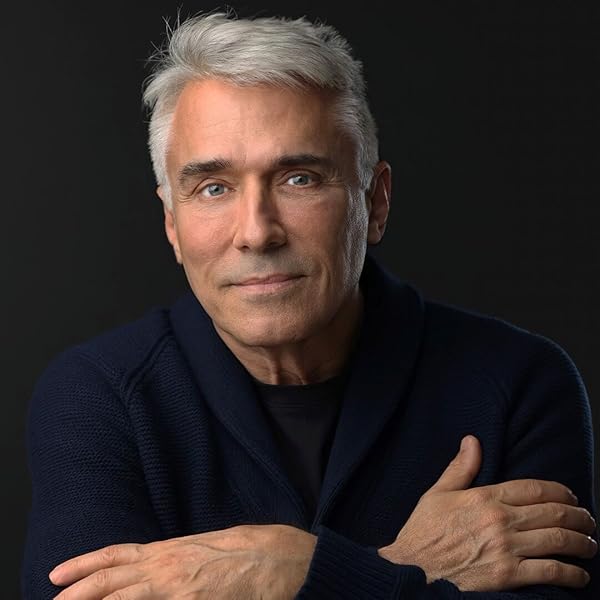
Flew Too High: A Gay Drug Smuggler’s Transcendent Odyssey invites readers into your life and visits the turbulence of your youth, transporting them to the late 1970s, a time of self-discovery, rebellion, and excess. Why was this an important book for you to write?
Initially, I wanted to share my story as an exciting true crime spree. I thought “No one will believe this happened…”.
The more I dug into it, I uncovered years of fear and resentment, as well as the difficult journey I shared with my immigrant father.
What were some ideas that were important for you to share in this book?
Even though decades have passed, the world feels the same in so many ways. How difficult it must be for someone who feels or looks different to be accepted by their peers and society.
Believe in yourself and your abilities in times of crisis. Everyone faces challenges, and just when you think there’s no answer, no way out of an impossible situation, moments of grace and perhaps providence can sweep in and save you. I’m not religious, but I do believe in Spirit. My story is proof of something greater watching over me. I believe it watches over you, too.
What was the most challenging part of writing your memoir, and what was the most rewarding?
Getting honest about my past actions, how I hurt so many people as a result of my drug addiction and reckless behavior. It was the most thorough inventory I have ever conducted.
On the flipside, I was able to reweave and reevaluate my relationship with my father, who I resented for so many years. I was finally able to see how much he did for me in spite of my blinders.
What do you hope is one thing readers take away from your story?
We all make poor decisions at some point in our lives. Forgive yourself and others and let go of the past. Everyday is a new beginning.
Author Links: GoodReads | Facebook | Website
Little Boy, I Know Your Name: A Second-Generation Memoir from Inherited Holocaust Trauma
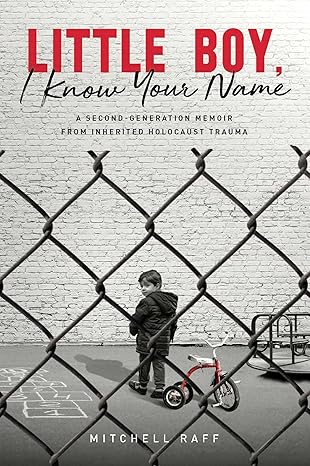

Readers looking for a book that hits you right in the feels and leaves you thinking long afterward, will not want to miss Little Boy, I Know Your Name by Mitchell Raff. This memoir dives into the author’s life, showing how inherited trauma from the Holocaust shaped him and the people around him. It’s raw, emotional, and brutally honest, painting a picture of a childhood full of pain, survival, and moments of unexpected love.
From the first chapter, this book pulls no punches. Raff shares heartbreaking stories of his abusive mother and the chaos that surrounded his young life. One scene that will stick with me forever is when his mom threw him out of the house into the cold night. It’s gut-wrenching, and I couldn’t help but feel for the little boy he was. But there’s balance in the way he writes. He also talks about the kindness and stability he found with his uncle and aunt, who stepped in as surrogate parents. Their love gave the story some much-needed light, and I found myself rooting for them just as much as for Raff.
The focus on his childhood trauma is the primary focus of the book, and I found myself wishing for more information about his father’s struggles or his adult life. But maybe that’s the point, though. It really allows readers to sit with the weight of everything he went through. A moment I remember was when his therapist called him a “well-dressed poser.” It was a wake-up call for Raff and, honestly, a moment that made me reflect on my own life, too. We all wear masks, don’t we?
What really makes this book special to me is how it tackles inherited trauma. Raff’s family, like so many Holocaust survivors, tried to bury the pain. But it seeped through in ways they couldn’t control. It’s these quiet and powerful memories that make the book more than just a story about one man’s struggles.
By the time I finished, I felt a mix of heartbreak and hope. The ending, where Raff reflects on his son Joshua and the possibility of breaking free from the cycle of pain, strikes just the right note. It’s not a happily-ever-after, but it’s real, and it left me believing healing is possible.
I’d recommend Little Boy, I Know Your Name to anyone who loves memoirs that dig deep. If you liked The Glass Castle or Night, Raff’s writing will resonate with you. It’s not a breezy read, but it’s the kind of book that reminds you of the strength it takes to confront the past and move forward.
Pages: 235 | ASIN : B0CLL22MMG

Surviving the Stroke: A Minute with God: A Recovery and Rehabilitation Guide
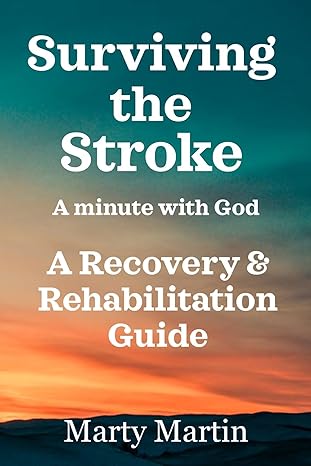
Marty Martin’s Surviving the Stroke: A Minute with God is both a recovery memoir and a practical guide for those navigating the turbulent aftermath of a stroke. The book chronicles Martin’s harrowing experience with a hemorrhagic stroke and his extensive rehabilitation journey, weaving personal anecdotes with actionable advice. From the initial trauma to the daily realities of therapy and family dynamics, Martin lays bare his vulnerabilities, offering hope and camaraderie to readers facing similar struggles.
What struck me most was Martin’s ability to blend raw honesty with humor. Early in the book, his description of the initial moments of his stroke—his leg buckling and his puppy, Izzie, licking his hand as he struggled to reach his phone—is both heart-wrenching and oddly endearing. This balance of gravity and levity continues throughout, making the narrative compelling and relatable. Martin’s conversational tone, especially when recounting his struggles with spasticity and the quirks of therapy, makes you feel like you’re sitting across from a friend who’s baring their soul.
One of the standout sections is Martin’s emphasis on attitude as a critical factor in recovery. He doesn’t shy away from admitting his initial struggles with self-pity but quickly pivots to the importance of embracing his new reality. The book shines in its actionable advice for stroke survivors and caregivers. From navigating hospital protocols to understanding the “toddler effect” of relearning to walk, Martin’s insights are grounded in lived experience. I found his tips on overcoming spasticity and the benefits of speech-to-text technology particularly useful.
Surviving the Stroke is more than a memoir; it’s a lifeline for those grappling with the aftermath of a stroke. Martin’s candid storytelling, bolstered by his unwavering determination and faith, makes this book a valuable resource. I recommend this book to stroke survivors, caregivers, and even medical professionals seeking to understand the human side of recovery. If you’re looking for a guide that mixes practical advice with heartfelt storytelling, Marty Martin’s journey will leave you inspired and better prepared to face life’s toughest challenges.
Pages: 111 | ASIN : B0DQHT2658
Honoring Those Who Endured
Leap Year Torn Apart is a deeply emotional and poetic exploration of personal and collective memory, set against the backdrop of Stalinist Russia. Why was this an important book for you to write?
Writing this book was a deeply personal journey for me. It began with the birth of my daughter, who is named after my late mother. She was born in April, just a few days before the anniversary of my mother’s passing. This poignant timing became an emotional catalyst for me to leave my daughter—and future generations—a lasting account of the tragedy that befell our family.
As I delved into the writing process, the story naturally evolved. What began as a deeply personal recounting of loss expanded into a broader reflection, connecting our family’s suffering with the shared pain of thousands of families during the final years of Stalin’s rule.
What were some ideas that were important for you to share in this book?
I have long wanted to preserve the events that shaped my family’s history before we planted our roots in Canada. It was important to highlight my parents’ determination, resilience, and especially my mother’s unwavering commitment to preserving her cultural and ethnic identity, even in the face of immense hardship.
I also hope the book serves a larger purpose. Believing in the power of storytelling—that “the pen is mightier than the sword”—I want future generations to develop a deeper appreciation for our historical struggles. My hope is that, through understanding these struggles, they will gain a stronger sense of themselves and the enduring strength of the human spirit.
How did you decide what to include and leave out in your book?
Childhood memories don’t unfold as a straightforward timeline; they linger as flashpoints—events that imprint themselves deeply on the subconscious, especially when they’re marked by tragedy. These moments stay with us forever.
For example, I could never forget accompanying my grandmother to meet my father when he returned from the Gulag or those monthly trips we made together to collect a meager allowance because she had been designated as my guardian. These memories were already vivid and complete in my mind. My task as a writer was simply to capture them honestly, without embellishment or omission.
What do you hope is one thing readers take away from your story?
I hope readers understand that the notion of people like us leaving Russia because we were unpatriotic, greedy, or selfish is entirely false.
It is no exaggeration when I wrote: “…thousands grew up like me, their lives’ pages torn out by evil.” If anything, I should have said tens of thousands. The lives of countless families were shattered and destroyed by Stalin and his enablers.
I firmly believe that those who left Russia once the gates of freedom opened carried with them profound memories of suffering, many just as tragic as my own. I hope my story not only sheds light on these truths but also honors those who endured similar fates.
Author Links: GoodReads | Book Review
The English translation is followed by the rhymed Russian original.
Initially written in Russian and translated into English by the author in collaboration with the late Canadian-American poet Jayne Berland, this tale draws heavily from Soviet media narratives of the time.
These publications maligned Jews who were leaving the Soviet Union in growing numbers, accusing them of unpatriotic motives, material greed, and selfishness.
This propaganda aimed to obscure the harsh realities faced by Jews in Russia: feelings of exclusion, limited opportunities for professional advancement, and restricted access to prestigious educational institutions. Jewish individuals who publicly resisted these injustices faced severe persecution, as did those who chose to emigrate, encountering both humiliation and state opposition to their cultural identities.
This rhymed narrative serves as a powerful counterpoint to Soviet propaganda.
It is a factual account of what befell one Jewish family during Stalin’s final years-a time when his paranoia turned viciously against the country’s Jewish intellectual and medical communities. Stalin’s delusions, abetted by his brutal security apparatus, cast a shadow over all Jews in positions of authority, civilian or military.
To survivors-and more often, to the families of those who perished during Stalin’s purges-the Presidium of the Supreme Court of the USSR would later send official letters, some reading: “The case of [individual’s name] is hereby dismissed based on complete absence of evidence of a crime.”
One such letter arrived for the author’s father as well.
This rhymed tale is intertwined with the emotional arrival of a daughter, named after the author’s late mother, and stands as a lasting tribute to one family’s resilience and legacy.
Strong and Loving Connection

The Gift of Parenthood is a heartfelt and personal memoir that takes readers on an emotional journey from infertility struggles to the joys and challenges of open adoption. Why was this an important book for you to write?
It was important to share my parenthood journey. There is a stigma surrounding infertility and adoption, and society tends to shy away from these topics. By shedding light with a very personal experience, I hope to enlighten and inspire others.
What were some ideas that were important for you to share in this book?
Infertility is one of the most challenging things I’ve ever gone through. Being unable to have a child of your own can be devastating, but with time husband and I were able to heal and consider adoption.
Adoption has granted us the gift of parenthood and a bonus family. It’s been an unbelievable blessing for both sides.
What is a common misconception you feel people have about open adoptions?
That open adoption is unhealthy… our experience has been far from that. We put in the work to build a strong and loving connection with my son’s birth family and are respectful of each other’s needs.
What was the most challenging part of writing your memoir, and what was the most rewarding?
At first, I couldn’t figure out how to get the word out while respecting my teenage son’s wishes for privacy. But, he was comfortable with me writing under a pen name and even suggested using my phone’s memoji as my picture.
The actual writing part came naturally. Hearing how our story has touched others has been the most rewarding part.
Author Links: GoodReads | Facebook | Website | Amazon
Emaline Ashe’s memoir shares an intimate look into her emotional journey to become a mom. A few years into their marriage, she and her husband Liam were young, healthy, and ready to have several kids.
Life had different plans in store for them when unexplained infertility hit like a ton of bricks. After many years of medical treatments, Emaline and Liam embarked on an alternate path to become parents. This new path led to an unexpected open adoption and a bonus family.
Emaline’s true story is one of hope, loss, and resilience. It captures the devastation of infertility and shows just how life-changing adoption can be for all involved.
Leap Year Torn Apart


Leap Year Torn Apart by Alex Khayutin is a deeply emotional and poetic exploration of personal and collective memory, set against the backdrop of Stalinist Russia. This rhymed tale captures the legacy of the author’s mother, a woman whose unwavering faith and tragic passing continue to resonate across generations. Khayutin intertwines his family’s suffering with broader themes of resilience, identity, and displacement, all while reflecting on the enduring impact of history on personal lives.
Khayutin’s writing struck me with its raw honesty and vivid imagery. Take, for instance, his description of the grandmother walking through a bustling train station, clutching a small package with trembling hands but no visible tears. This scene, filled with sensory detail, melting ice cream, the sound of May Day parades, effortlessly evokes both the innocence of childhood and the weight of historical trauma. The juxtaposition of such tender moments with stark depictions of persecution is a testament to Khayutin’s ability to navigate the full spectrum of human experience.
I found the narrative’s structure particularly compelling. The non-linear storytelling, jumping from childhood memories to reflections on Stalinist atrocities, mimics the fractured nature of memory. In one haunting passage, Khayutin recalls his mother’s questioning by the KGB. The relentless repetition underscores the grinding toll of systemic oppression. This choice of form amplifies the emotional impact, making the reader feel as though they are piecing together fragments of a broken past. Some lines, while beautifully written, required re-reading to fully grasp their meaning. This style, while evocative, might challenge readers unaccustomed to lyrical prose. Yet, the effort to unpack these lines feels rewarding, as they carry layers of meaning that deepen upon reflection.
Leap Year Torn Apart is a powerful and intimate portrayal of loss, perseverance, and legacy. Khayutin’s voice is both unique and universal, speaking to anyone who has grappled with their place in history or sought to preserve the memory of loved ones. I’d recommend this book to readers who appreciate poetic storytelling, historical narratives, and heartfelt reflections on family and faith. It’s a story that lingers, much like the memories it seeks to honor.
Pages: 40 | ASIN : B0DMKZHVJN
The Merchant of Venus: The Life of Walter Thornton
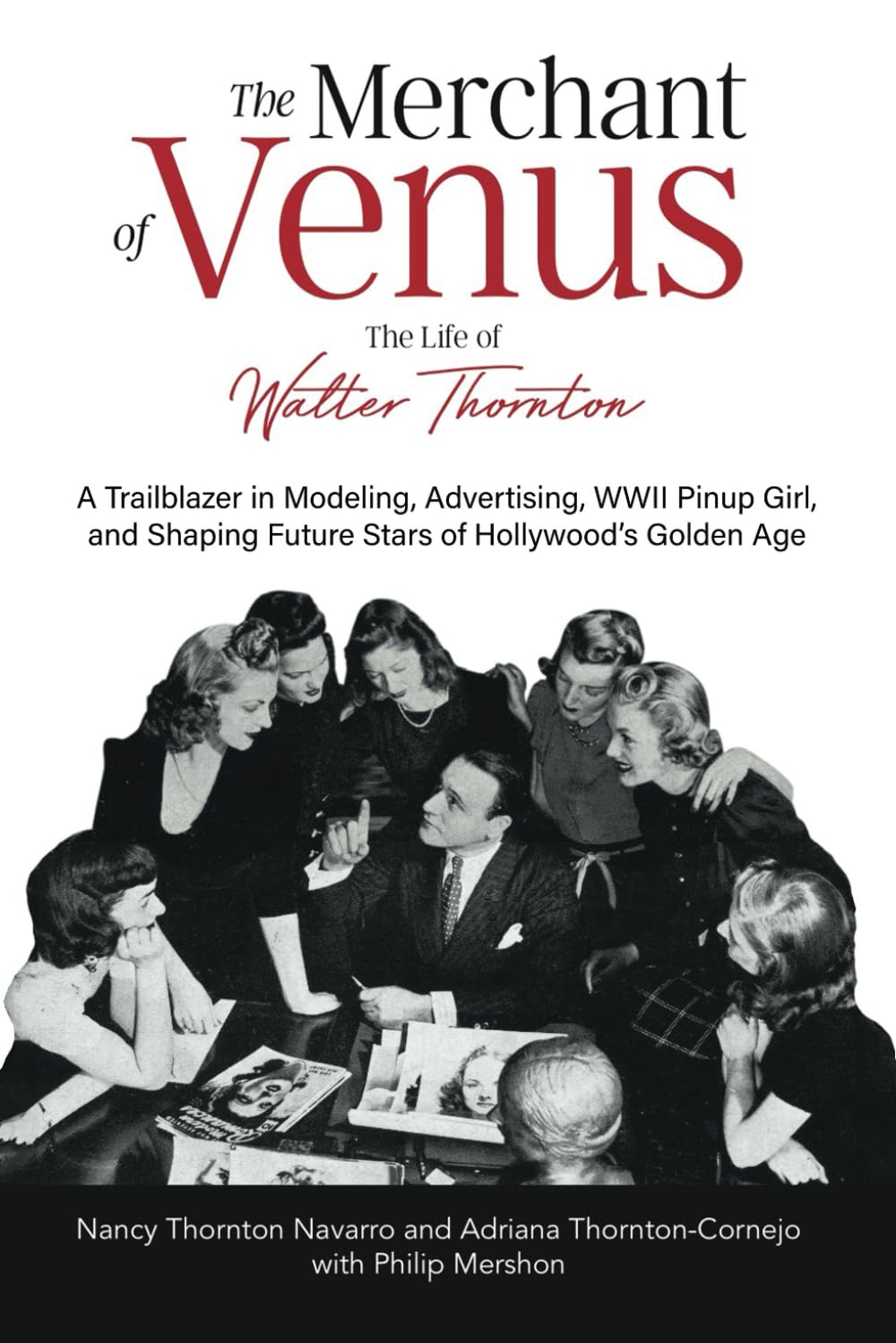
The Merchant of Venus is a spellbinding biography of Walter Thornton, a man whose life reads like a movie script, complete with dizzying highs, dark lows, and incredible transformations. Written by his daughters, Nancy and Adriana, this book is both a labor of love and a remarkable piece of historical storytelling. It delves into Thornton’s rise from a homeless orphan in Ohio to an internationally known modeling agent and “The Merchant of Venus.” Through archival photos, letters, and vivid storytelling, the authors reveal a man who was as enigmatic as he was larger-than-life.
I enjoyed the sheer richness of Walter Thornton’s life. The book vividly recounts his childhood hardships—being abandoned as an orphan and surviving brutal conditions. One story that stayed with me was about Walter sleeping next to cows in frigid barns for warmth during Ohio winters. His resilience shines through in every page, making his eventual transformation into a leading figure in Hollywood and New York all the more astounding. The authors lovingly piece together fragments of his past, like discovering a photograph of him in the movie Seabiscuit, which sparks the entire journey of uncovering his untold story.
The writing is refreshingly personal. As a biography lover, I found the familial voice endearing, though some parts felt a tad anecdotal. One particularly fascinating chapter, “The Star Maker,” delves into Walter’s success as a modeling agent. The descriptions of his collaborations with figures like Susan Hayward and Arlene Dahl offer an intimate glimpse into the glamour and grit of mid-century Hollywood. The juxtaposition of Walter’s charisma with his steely business acumen kept me turning the pages.
However, the book isn’t afraid to explore the darker facets of Walter’s life. Chapters like “Trials of a Merchant of Venus” outline his struggles with betrayal and accusations that nearly ruined him. These sections ground the biography, reminding us that Walter was human, after all. The detailed anecdotes—such as hosting a traveling circus at his Mexican “castle”—add delightful texture.
By the end, I felt deeply connected to Walter Thornton as both a man and a myth. If you love biographies that are as much about the storytellers as the subject, this one is for you. It’s perfect for fans of Hollywood history, anyone fascinated by rags-to-riches tales, or those who appreciate stories brimming with heart.
Pages: 245 | ASIN: B0CZF5WH15



 LITERARY TITAN