Blog Archives
Different Solutions

The Grubby Feather Gang follows a boy plagued by bullying and fear who finds himself part of a small circle of friends who together find adventure and hope in a village otherwise torn by war and chaos. What was the inspiration for the setup of your story?
I’m really not sure, to be honest. I am very interested in the experiences of those who lived through either or both of the world wars because both wars plunged otherwise peaceful, ordinary people into extraordinary and horrific situations. But I love the idea that different people can have different solutions to the same problems; most young men of fighting age during WW1 wanted – or felt the need – to go overseas and join the fighting whereas some, such as George’s father in the story, believed in a totally different, peaceful approach. The amount of courage needed for either approach must have been immense, and thankfully, most of us today can only imagine what it must have been like to face that dilemma. I’m fascinated by the fact that these experiences, that seem, to us today, to exist only in the realms of fiction, really happened to real people.
What do you find is the most challenging aspect of writing for middle-grade readers?
Other than the usual challenges of writing for any audience, I’m not sure I find anything especially challenging about writing for middle-grade readers. It can be a challenge when you’ve been hired by a publishing company – rather than writing just because you yourself have decided to do so – because if the project is for a young audience the publishers give you a tight word-count which creates restrictions and challenges, ones which, I have to say, I really enjoy working within. However, I wrote The Grubby Feather Gang off my own bat, so I didn’t have those restrictions, even though I did want to keep the book short. But middle-grade is a wonderful age range. I don’t hold back on the complexity of the language I use or the depth of the issues the story tackles. The only thing I do differently when writing for children as opposed to adults is to make the main characters children.
Is there anything from your own life included in the characters in The Grubby Feather Gang?
I’m happy to say that the experiences of the children in this story are very different from mine. I don’t think you have to have experienced something to write about it in a believable way though. I hope I’m right about that! But there often elements of the writer’s personality in the characters they create. George is prone to anger and sulking, and as a child, I was a little like that. (I’ve grown out of it now though!) I would add that I am always warmed by people – real or fictional – who turn out to be more impressive in some way than you originally realised, like Mr Haxby. And in a way, the same can be said of each of the three main characters.
What is the next book you are working on, and when will it be available?
I’m currently working on a novel for adults. Unlike most of what I’ve written before, this is a fantasy novel, with elements of horror. It features werewolves and witches. There is so much literature about such things, so the challenge is to present them in a new way, avoiding stereotypes and tropes, and I think I’ve achieved that…
Author Links: Facebook | Website
Worse still, the school bully hangs George upside-down from the hayloft, and the next day, George gets the cane! So, with a bit of help from Emma, a curious newcomer to the village, he decides to take daring and drastic revenge on both the bully and his teacher. But he could never have predicted what happens next…
The Grubby Feather Gang is the story of four friends helping each other cope with their parents’ problems.
The BigShorts books are short, stand-alone novels for strong Key Stage 2 readers. Each novel is around 100 pages long. The content is rich and detailed, tackling discussion-worthy themes. Being shorter than most novels, BigShorts books are a great length for teachers to read to their class, or for use as guided-reading texts.
A Quiet, Universal Fear
The Moments Between Choices centers around a man who is allowed to see both the consequences of his life choices and glimpse of the man who could have been. What was the inspiration for the setup of your story?
The story began with a dream I had a few years ago. It wasn’t one of those scattered, surreal dreams — it felt frighteningly clear, like being allowed to watch pieces of my life from the outside. Not the big, obvious turning points, but the tiny moments I’d brushed off. The ones you only recognize as important when you see what they added up to.
That experience sat with me for a long time. At first, I wrote the story with myself as the center because that’s where the emotional spark came from. But as the manuscript grew, I realized I needed to protect the privacy of the people who shaped my life — family, friends, even casual figures from childhood. So I created Omar. He became a way to keep the emotional truth while allowing the details to shift into fiction.
The structure came from trying to recreate the feeling of that dream. We don’t remember our lives chronologically; we remember them through sensation — what we touched, ignored, hurt, loved, or failed to see. I wanted each stage of Omar’s journey to feel like a sense dimming out as he comes closer to understanding himself.
More than anything, the novella came from a quiet, universal fear:
If we were suddenly forced to face our choices all at once…would we be proud of what we see?
That was the seed. Omar grew out of that question.
Where did you get the inspiration for Omar’s traits and dialogue?
Omar didn’t come from one person. He grew out of the parts of ourselves we usually ignore — the moments we move too fast, the people we take for granted, the habits we justify because we think there’s always more time. When I first started writing, I pulled from my own blind spots. But as the story grew, Omar stopped being “me.” He became a reflection instead of a replica.
His traits aren’t meant to point to a specific individual. They’re meant to feel uncomfortably familiar. Anybody who reads this novella is, in some way, Omar. Not because they’ve lived his exact life, but because everyone has those small, forgettable choices that slowly shape who they become.
His dialogue came from trying to capture that everyday tone — the half-distracted conversations, the rushed apologies, the small dismissals we don’t even notice. I didn’t want him to sound poetic or polished. I wanted him to sound real…sometimes painfully real. Because in those ordinary moments, you see the entire arc of his life.
Omar is fictional, but the habits that made him are human. That’s why readers recognize him — not as someone they know, but as someone they might be without realizing it.
What are some things that you find interesting about the human condition that you think make for great fiction?
I’ve always been fascinated by the small, almost invisible moments that end up shaping a person’s entire life. Not the dramatic events we expect to remember, but the tiny decisions we barely register — the things we say out of habit, the people we overlook, the apologies we delay because we assume there’s endless time. Those small choices become the architecture of who we are, and most of us don’t realize it until much later.
Another thing that interests me is how people carry two versions of themselves at the same time: who they are, and who they believe they could be “if things were different.” That gap is where a lot of pain — and a lot of hope — lives. It’s also where great fiction usually hides.
And then there’s memory. We don’t remember our lives in clean timelines — we remember through sensation. A smell, a sound, a sudden feeling in your chest. Emotions come back to us through the senses, not the calendar. That idea shaped the way I wrote this story.
One of the things I love about fiction is the freedom it gives you. You can reach heights you didn’t even know you were capable of. You can follow imagination to places that feel unbelievable — and still land on something emotionally true. Who would’ve thought I’d end up writing a novella based on a dream I had? That’s the power of fiction. It lets you take something fragile, something fleeting, and turn it into a story that might touch someone else.
What makes great fiction, to me, is honesty. Not in a factual sense, but in the way it forces us to sit with something we’ve been avoiding. When a story captures those small, uncomfortable truths about how we love, how we fail, how we change, or how we refuse to — that’s when the human condition feels most alive on the page.
Can we look forward to more work from you soon? What are you currently working on?
Yes, there will definitely be more. Writing this novella opened up a creative side of me I honestly didn’t expect, and I’m already shaping the next project. But right now, I want to give this book the space it deserves. It’s my debut, and I’d like to see how it finds its readers, how people react to it, and hopefully enjoy whatever success it earns.
I’m taking this moment to connect with readers, learn from their responses, and appreciate the journey of having my first story out in the world. After that, I’ll be ready to step fully into the next one — and I’m excited for where that will lead.
Humor, Heart, and Absolute Chaos

Obesseus Feast of Legends follows a hungry hero who, in order to save his world from the war that his former best friend is starting he has to learn the mysterious art of Slam-Fu. What was the inspiration for the setup of your story?
The inspiration came from wanting to build a world where humor, heart, and absolute chaos could coexist. I grew up loving stories where ordinary things—like food—could become extraordinary. Snackland began as a simple joke, but the more I built it, the more it became a living universe with its own politics, rivalries, and deep history.
Obesseus represents unfiltered joy. He’s messy, impulsive, and determined to defend flavor itself. The setup came from imagining what happens when the world tries to regulate joy—and one hero refuses.
How did you come up with the idea for the antagonist in this story, and how did it change as you wrote?
There are many antagonists in the Slam-Fu series. Here are just a few examples.
Monica Mango
Originally, Obesseus’s best friend. Her fall from fun to fanaticism wasn’t planned; it naturally grew from her obsession with “reforming” Snackland. Instead of being evil, she becomes misguided to the point of danger.
Her “Juice Regime” came from exploring how righteousness can twist into extremism.
King Billy Blueberry
Billy rose from jealousy—he’s the ruler who believes Obesseus stole the spotlight that should have been his. As I wrote him, his character deepened into a symbol of insecurity, pride, and the fear of being forgotten. His conflict shows the darker side of leadership.
Espearagas, God of Vegetables
Espearagas was built as the ultimate escalation. He doesn’t want balance—he wants to wipe out flavor entirely. Writing him allowed me to explore how power can become detached from humanity (or food-manity). His declaration of war on flavor gave the series a mythic, epic direction.
Julian Jellybean
Julian is the trickster, the wildcard, the candy-coated menace who stirs chaos across all arcs. He wasn’t even planned originally—he forced his way into the story through sheer personality. Now he’s the thread that ties the conflicts together.
As the series grew, each villain evolved to represent a different kind of conflict—personal, political, emotional, or mythological.
Several more villains are coming, and the chaos will continue. My favorite villain is King Billy Blueberry. His character represents judging others, which is what many people do. Obesseus doesn’t care about being judged; he only cares about protecting what he loves. He loves snacks and Snackland. The Slam-Fu series is a fun way to remind people always to be themselves.
What were some themes that were important for you to explore in this book?
Three big themes anchor the series:
Identity vs. Expectation
Obesseus is unapologetically himself in a world constantly judging him. His journey reinforces that authenticity matters more than fitting in.
The Danger of Extremes
Every villain is extreme in a different direction—too strict, too jealous, too powerful, too chaotic. This allows kids to understand that balance is healthier than obsession.
Friendship Under Pressure
Monica’s transformation is emotional. Billy’s resentment is relatable. Julian’s chaos tests loyalties. Espearagas’s war forces everyone to choose sides.
These dynamics let younger readers grasp how friendships and alliances shift.
And of course, flavor vs. control is the heart of the comedy.
I hope the series continues in other books. If so, where will the story take readers?
There are going to be a lot more food wars. The next Obesseus book is going to be Operation Gravy Blockade. I plan to release that in 2026. What happens when Obesseus has to deal with the consequences of being Snackland’s symbol of rebellion? I plan to add a new faction to Snackland. Stay tuned for Operation Gravy Blockade.
Author Links: Goodreads | X | Website
Bursting with humor, heart, and deliciously absurd action, Obesseus: Feasts of Legends — The Slam-Fu Trilogy (Edition 1) collects three epic adventures from the Slam-Fu universe into one ultimate feast.
American Tiger
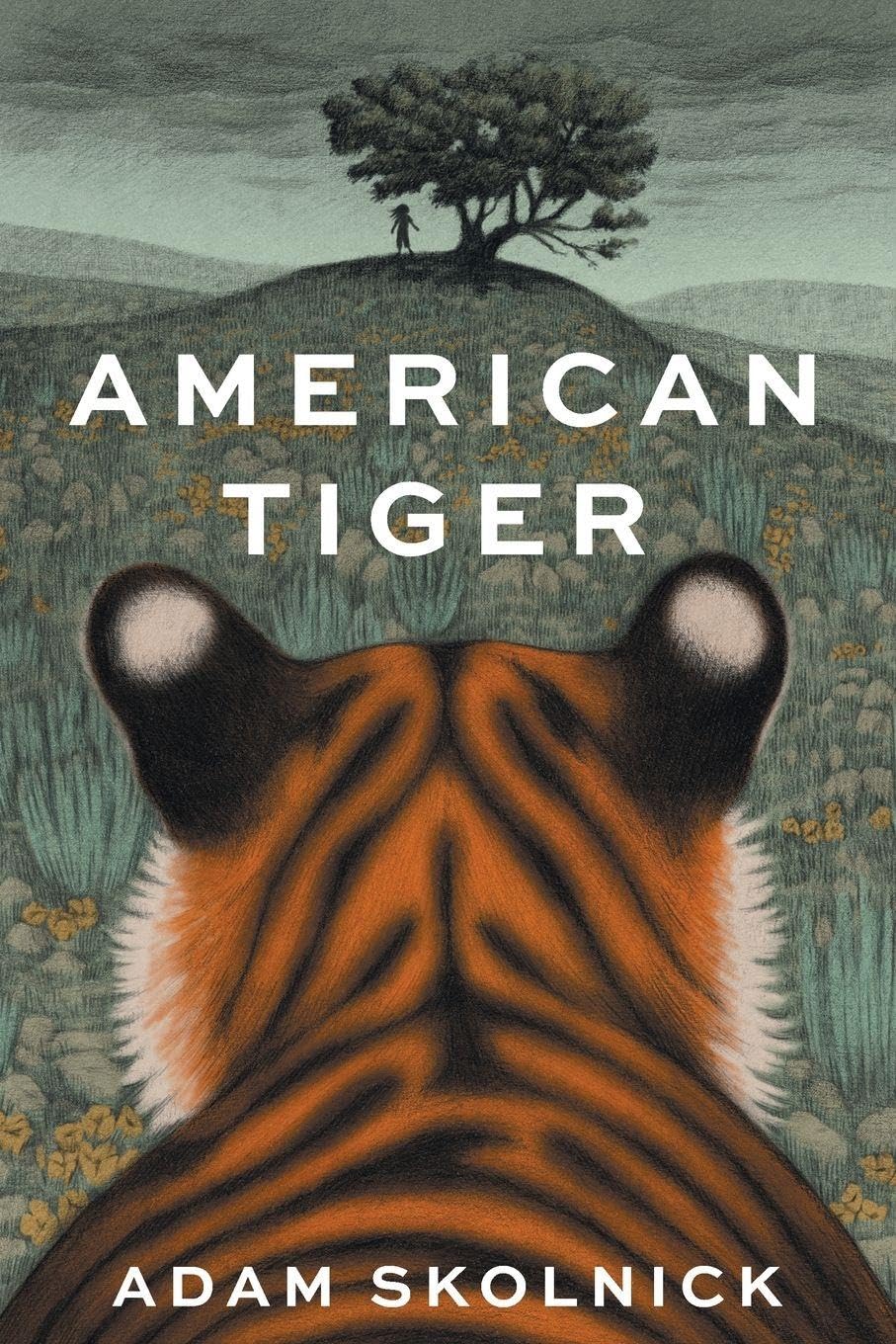

American Tiger follows nine-year-old Bell Tern, a sharp and wildly imaginative kid who becomes the first person in quiet Alisaw Valley to spot a tiger wandering near a Target loading dock. No one believes her, not even her father Jay, a game warden who knows there should be no tigers in Ventura County. As more strange sightings ripple across the valley, the story blends tension, family struggle, and ecological wonder. The tiger becomes a spark that exposes fear, disbelief, and a father and daughter’s effort to bridge the widening gap between their inner worlds. The opening chapters paint Bell’s devotion to drawing and documenting wildlife, her loneliness at school, and Jay’s steady but fraying attempts to raise her while holding the wild at bay.
This book pulled me in fast. I felt a kind of fond ache watching Bell try to prove what she saw. Her imagination is so alive that you can’t help rooting for her, even when it gets her labeled as a liar. The writing hits a sweet spot. It’s warm, direct, and paced in a way that made me forget I was reading. I liked how the author paints the valley around them. The details are simple but vivid. The land feels baked into the bones of the characters. I also noticed how naturally humor and sadness sit together in the scenes. One minute I was smiling at Bell’s oddball survival kit in her backpack. The next I felt a sharp little twist in my chest as the bus full of kids turns on her when she reports the tiger.
I also found myself moved by the relationship between Bell and Jay. Their dynamic is messy in a relatable way that I appreciated. Jay tries so hard to be steady and rational, but he’s worn down. The moment he gets a report of “a striped tail” under a pepper tree, something shifts in him, and I felt it. The writing lets him be flawed without judgment, and that made me care even more. The stakes get bigger as the search spreads. Experts arrive, each with their own trauma or agenda, and everything grows more tangled. I liked that the book never leans into cheap danger. Instead, it digs into fear, memory, loss, and what wildness means in a world that keeps shrinking.
The story touched that soft place where wonder and grief live side by side. I kept thinking about how a giant animal roaming the suburbs could expose so much about the humans who live there. The book surprised me. The writing has heart. It’s clear and calm on the surface, but there’s a current running underneath it that pulled me along.
I’d recommend American Tiger to readers who enjoy character-driven stories with a strong sense of place. It’s great for people who love literary fiction that carries a hint of adventure and for anyone drawn to stories about family, nature, and the things we try to believe in. It would also hit home for readers who like books told through the eyes of kids who see the world in ways adults forget.
Pages: 326 | ASIN : B0FTGLN6X2

Forced Apart


Forced Apart follows Calista Snipe and Skyler McCray as they face the toughest challenge of their young lives. Cali’s family circumstances pull her away from Parkington, away from her friends, and away from Sky. The story blends teen romance, grief, loyalty, and the strange mix of fear and hope that comes with growing up. Most of the book lives inside Cali and Sky’s thoughts, and it shows how two smart teens try to hang on to each other while the world pulls at them. The plot stretches from the shock of unexpected separation to the daily grind of starting over in a new town, all while their old group of friends tries to keep their bond alive. Even with kidnappings in the characters’ past and danger never far away, the heart of the book is emotional rather than violent. It feels more about surviving change than surviving threats.
The writing style felt open and honest, almost like reading a long personal letter from two teenagers who speak before they filter anything. Sometimes the pages run hot with emotion. Other times, they slow down to simple moments like sitting in a car or walking up a hill. I liked that shift in pace. It pulled me in because it felt real. Life for these characters is loud one minute and quiet the next. I did wish, at times, for shorter scenes or tighter dialogue. Still, the sincerity in the writing won me over. The author clearly understands how teens overthink everything and still try to sound brave.
The ideas inside the book struck me more than the plot itself. The loneliness of being uprooted. The heavy tug of first love. The fear of losing the people who make you feel safe. Those themes sat with me long after I finished reading. I felt frustrated for Cali as she tried to be mature about the choices her parents made, even when those choices broke her heart. I felt Sky’s emptiness when he tried to fill the silence she left behind. The book reminded me how fragile teens can be and how strong they become when they figure out who they want to be in the middle of all that pressure. I also appreciated the look into friendships that feel like family. The group around Cali and Sky is full of loyalty and messy humor. Those moments softened the sadness and made the story feel fuller.
I would recommend Forced Apart to readers who enjoy emotional coming-of-age stories, especially ones that lean into romance and friendship. Teens who like character-driven books will connect with Cali and Sky. Adults who work with teens may also find value here. The book would speak most to anyone who has been forced to start over in a new place and felt the ache of leaving people behind.
Pages: 374 | ASIN: B0FRNN1R22
New Harmony: A Mother’s Story of Love and Loss
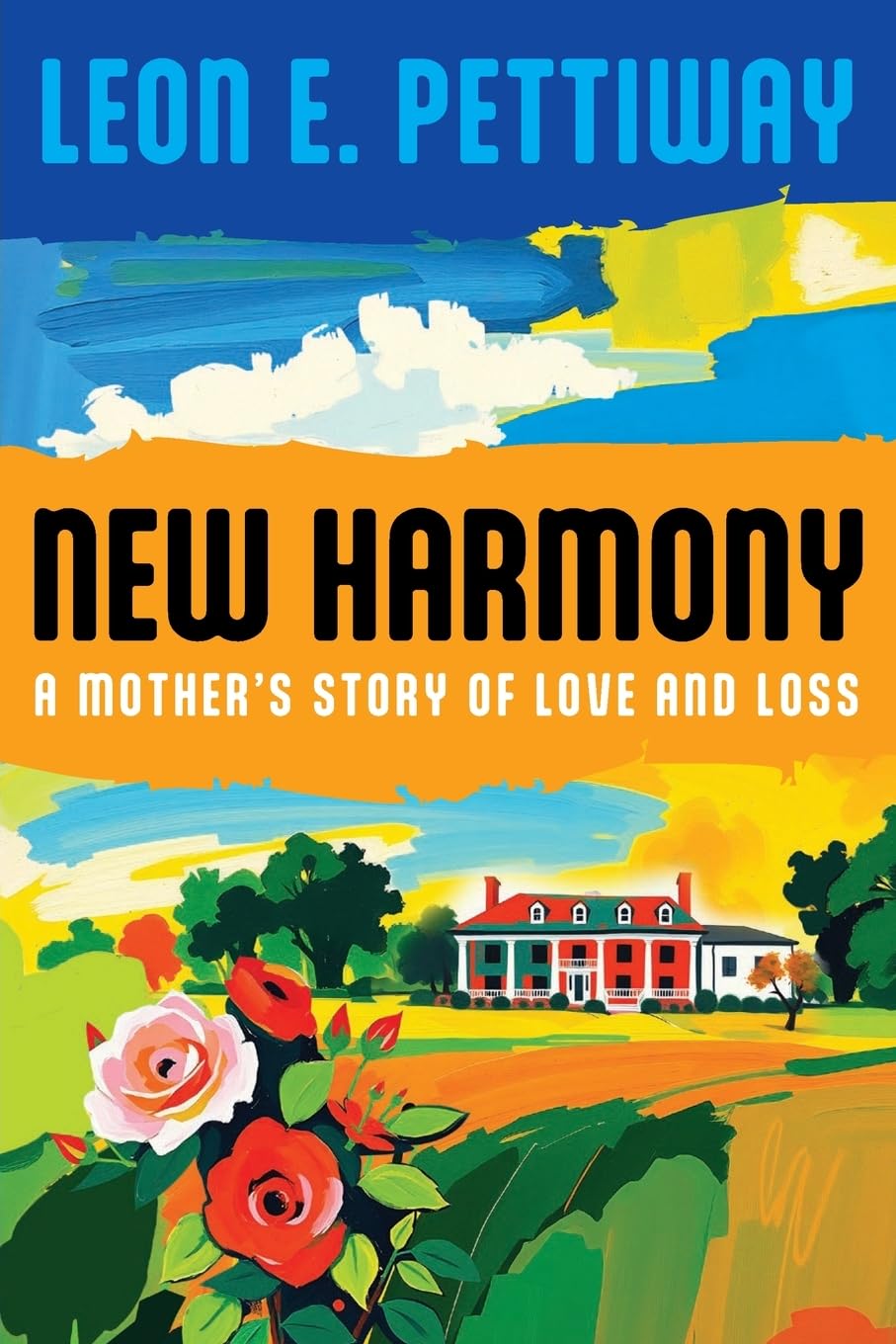
New Harmony opens with a grieving mother, Margaret Butler, recounting the gut punch of losing her teenage son to racist violence in 1949. The story reaches backward through her memories as she traces the long chain of choices, injustices, and quiet heartbreaks that shaped not only her life but the world that destroyed her boy. The novel moves between Margaret’s childhood on a South Carolina plantation, her uneasy ties to the white Demmings family, and the sorrow-filled road toward the truth behind her son’s death. It is a story made of memory, pain, stubborn hope, and the weight of generations.
I was pulled straight in by Margaret’s voice. The writing has this rhythm that feels lived in. Soft at times, sharp at others, always honest. The author doesn’t dress anything up. He lets Margaret speak in her own cadences, and I loved how that drew me closer to her world. I could feel the heat of the fields, the hush of the church during the funeral, the tightness in her chest when the pastor’s words sliced open her grief. The scenes in the Big House hit me hardest. They’re full of beauty on the surface and danger right underneath, and the writing captures that quiet tension so well.
Certain moments were very emotional and thought-provoking. The way Margaret watches the small signs of how power works. The way she tries to shield her children, even though she knows she can’t keep the world off them. The book doesn’t rush. It sits with the hard parts. And the ideas about how small acts, good or bad, weave themselves into a life stayed with me. The whole story feels like someone laying out a quilt square by square. Every piece matters.
By the end, I felt a mix of sadness and admiration. Sadness for everything this family carries and admiration for the strength that keeps rising up through the story. I would recommend this book to readers who want a powerful character voice, who like stories rooted in the South, and who don’t mind being pulled into heavy truths. It’s especially good for anyone who values fiction that feels real enough to leave a mark.
Pages: 374 | ASIN: B0G348J1KP
Bathed in Ink and Blood

Bathed in Ink and Blood opens as a dark, magic-laced fantasy that follows two threads: Noddum’s brutal clash with Brist, the infamous Butcher of Greenlake, and the quieter, more intimate story of twins Dacre and Esmee as they undergo the Test that reveals their signamantic abilities. Right away, the book establishes itself as epic fantasy with grimdark edges, mixing the political tension of a kingdom cracking at the seams with the personal stakes of people trying to survive systems that see them as tools or threats.
Reading it felt like slipping into a world that’s heavy with history. The magic system built around ink, brands, and carved symbols is vivid and tactile. I found myself leaning in during sections, partly because the author writes pain and power in a way that’s blunt but also strangely tender. The early chapters around Dacre and Esmee hit me hardest. Their innocence, their hope, and then the slow realization that their mother may have just sold them made my stomach drop. Author Robert Laymon doesn’t rush those moments. He lets them sit, lets them ache. It works.
On the other side of the story, Brist’s chapters are sharp and unsettling. He’s haunted, vengeful, messy, and written in a way that made me feel both wary of him and weirdly sympathetic. His scenes drip with tension. Even when he’s still, the writing hums. I appreciated how the author doesn’t treat violence like spectacle. It’s brutal, sure, but it’s also shaped by emotion, regret, and purpose. The dynamic between Brist and the people around him feels lived-in, like a group stitched together by survival rather than trust. It adds weight to the plot and makes his arc more interesting than a simple revenge story.
Raya is an interesting character because she starts out feeling overlooked in a family obsessed with power, but she slowly shows how strong and capable she is. We see flashes of her compassion, like when she notices how her father mistreats the servants, and those moments make it clear she’s nothing like the rest of the Adans. I think Raya is a standout character whose quiet resilience, empathy, and determination make her compelling.
By the time the two storylines start bending toward each other, the world feels wide and dangerous. The writing style helps with that. It’s clear but atmospheric, not bogged down by jargon, and the pacing keeps you moving. Some chapters are quiet and reflective. Others are teeth-clenching. The mix makes the book feel grounded, even when the magic flares bright.
If you like fantasy that leans dark but stays character-driven, with a magic system that feels both fresh and gritty, this will likely hit the spot. Fans of grimdark, epic fantasy, and stories that explore power, loyalty, and the price of survival will probably enjoy Bathed in Ink and Blood the most.
Pages: 439 | ASIN : B0FLRP6TYX
Mosswood Apothecary

Mosswood Apothecary is a cozy fantasy novel that follows Rowan Mosswood, a gentle, anxious botanical alchemist who accidentally grows invasive fungi during exams and packs dirt in his suitcase because it helps him think. After barely securing his graduation, he’s sent north to Frostfern Valley to study the region’s dwindling magic. What he finds there isn’t just a research assignment. It’s a quiet mountain town with withering crops, a long-abandoned greenhouse, a warm carpenter named Jimson, and a community that slowly becomes his home. The book blends slice-of-life pacing, soft magic, queer romance, and small-town healing, ending with Rowan opening his own apothecary and saying yes to a wooden ring carved from the oldest tree in the forest. It’s all very tender and very intentional.
The writing is simple in the best way: unhurried, a little vulnerable, and often funny without trying too hard. The worldbuilding leans more cozy than epic, even though the setting includes universities, automatons, and intricate alchemical sigils. What grounded me most were the sensory details that weren’t flashy: dirt under Rowan’s nails, windows iced in delicate patterns, the smell of elderflower tea hanging from the rafters.
I also loved how the story lets Rowan be soft. In so much fantasy, magic is about power or destiny, but here it feels like craft, patience, and care. Rowan’s magic grows wilder and more unpredictable the farther north he goes, and instead of turning that into a high-stakes threat, the author uses it to show how Rowan is changing, too. The romance builds the same way. Jimson isn’t swoony in a scripted sense; he’s solid, warm, and fully part of the town’s rhythm. Their relationship grows like something planted, slow at first, then steady, then suddenly blooming so clearly that by the time the Winter Festival proposal arrives, it just feels right. Even the townsfolk, with their worn-down farms and quiet pride, become part of Rowan’s chosen family, which gives the whole book the emotional softness of queer cozy fantasy at its best.
Mosswood Apothecary feels like TJ Klune’s The House in the Cerulean Sea crossed with the gentle, craft-centered magic of Travis Baldree’s Legends & Lattes, delivering a story that’s just as warm, queer, and quietly transformative. If you enjoy cozy fantasy, queer romance, or stories where magic supports character growth rather than overshadowing it, this book will be completely your vibe. It’s especially lovely if you like narratives about chosen family, rural communities, and soft magic that feels more herbal than explosive.
Pages: 392 | ASIN : B0FH5L8X2F



 LITERARY TITAN