Blog Archives
Worthy of Love and Attention
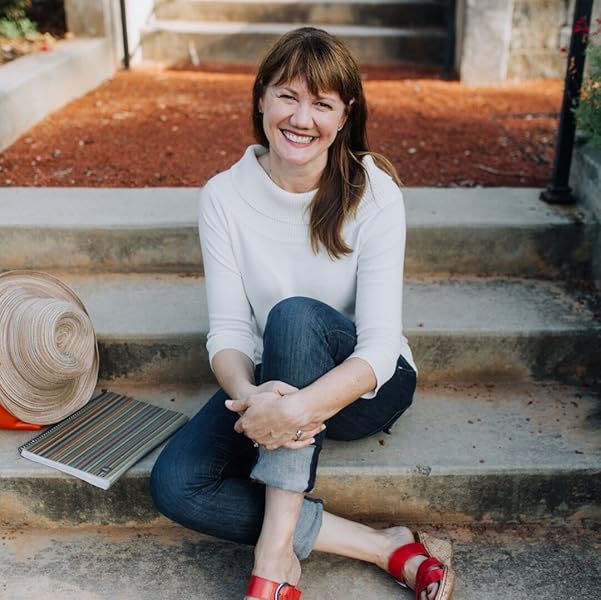
Hope for Moms: It’s Tough Out There, but So Are You is more than a self-help guide to parenting; it offers readers a mix of personal stories, practical advice, and emotional validation of the unpredictability surrounding motherhood. Why was this an important book for you to write?
I have a heart for moms who are struggling or feel overwhelmed, but who are actually doing a much better job at motherhood than they give themselves credit for. I know what it is like to look around and think that everyone else knows what they are doing—that’s a lonely feeling. I started out as a blogger and I eventually found that I needed a bigger container to write about some of the tough topics that were important to me. This book is about some of the curveballs we were thrown as a family, but also about how we’ve grown as a result. We’re braver now.
What are some of the ideas that it was important to share?
Being a mom is just hard and that’s not because moms are doing something wrong. I want moms to feel empowered to figure out what will support them most during this journey of raising kids. At the end of each chapter, I have questions or quotes that help the reader apply my observations to their own lives. I also wanted to emphasize that caring for ourselves as moms isn’t ONLY so we can care for others; we need to tend to ourselves because we are lovely humans who are worthy of love and attention.
What was the hardest thing for you to write about?
Probably it was most challenging to write about some of the things we needed to change once we adopted the twins, who are African-American. Talking honestly about race is always risky, but also always important. I write that I’d confused being progressive with being anti-racist. Essentially, we didn’t know how white we were until we started looking at the world through a new lens. Nonetheless, it was really important to me that I was honest and open when writing this book: not only about race but also about the ways being a parent is humbling and ultimately redemptive.
What is one thing you hope readers will take away?
I hope readers will feel less alone when they finish Hope For Moms. I hope they’ll remember that we all make mistakes, but we keep trying. I hope they’ll have some tools for not only surviving motherhood but thriving. I hope they will feel valued, encouraged, and strengthened.
Author Links: Website | Instagram | Facebook | Amazon
Many of us did everything we could to prepare for becoming moms, but there just wasn’t any way to know what might lie ahead. Most of us have, at one point or another, looked around and wondered if we are alone in our parenting challenges.
Hope for Moms offers a heartfelt guide for mothers navigating both the joys and heartbreak of being a mom, sharing Anna McArthur’s personal journey through parenting difficulties such as learning disabilities, LGBTQ+ identities, and adoption. Structured around a triage plan that helped the author prioritize her family’s needs, it includes practical insights, quotes, and reflection questions to support moms in their journey of resilience and soul care. With gentleness and humor, McArthur provides reassurance to mothers, reminding them they have the strength to not only survive motherhood, but thrive.
If you’re a mom who feels overwhelmed by the curveballs life has thrown your way, you aren’t alone—yes, it’s tough out there, but so are you!
Hope For Moms
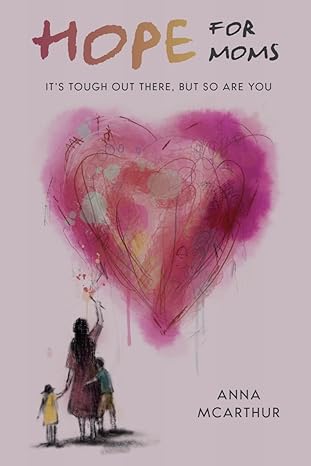

Anna McArthur’s Hope for Moms is a raw, heartfelt guide for moms navigating the unpredictable joys and struggles of parenting. The book offers a mix of personal stories, practical advice, and emotional validation, making it feel less like a manual and more like a conversation with a wise and understanding friend. McArthur divides her insights into three categories: Yes, No, and Maybe. She helps moms determine what’s essential, what can be let go, and what is worth reconsidering as they move forward. She covers everything from the exhaustion of early motherhood to the deeper challenges of raising kids with learning disabilities, LGBTQ+ identities, and racial complexities within an adoptive family. The book reassures moms that they are not alone and provides a roadmap for embracing imperfection while finding strength.
McArthur doesn’t sugarcoat motherhood. In Chapter 1, she recalls an overwhelming moment when her two-year-old staged a sit-in at preschool while her infant screamed in his carrier. A stranger offered to help, but McArthur reflexively refused until the woman ignored her resistance and just stepped in. This moment perfectly illustrates the lesson of the chapter: “Remember to keep accepting help.” I found this so relatable. How many times have we moms insisted, “I’ve got it,” when in reality, we’re drowning? The book is filled with these little reminders that strength isn’t about doing it all alone; it’s about knowing when to lean on others.
Another powerful moment comes in Chapter 3 when McArthur describes her son Caleb coming out as gay in a rural Georgia high school. She admits that despite being a progressive Christian and vocal about LGBTQ+ rights, she didn’t handle it as well as she wished. Fear clouded her initial response. But instead of dwelling on guilt, she took steps to grow and support her son, from reading parenting guides to treating his relationship with the same warmth she would any of her other children’s. This chapter hit home. We all want to believe we’ll react perfectly in big parenting moments, but often, we stumble before finding our footing. McArthur’s transparency in these moments makes her advice feel accessible rather than idealistic.
One of the most eye-opening sections is Chapter 10, where McArthur realizes she has been disappearing into her children’s lives. It took her therapist bluntly asking, “How are you?” for her to recognize she had no answer outside of updates on her kids. That was a gut punch for me. As parents, it’s so easy to wrap our entire identities around our children’s needs, but this chapter gently nudges moms to reclaim space for themselves. She takes horseback riding lessons just for her, no kids involved. This kind of intentional self-care isn’t about spa days or bubble baths but about rediscovering who we are beyond motherhood.
I’d recommend Hope for Moms to any mother who has ever felt overwhelmed, inadequate, or just plain exhausted, which, let’s be real, is every mom at some point. It’s especially relevant for moms facing unexpected challenges, whether it’s special needs, adoption complexities, or simply the relentless pressure of parenting. McArthur writes with humor, warmth, and just the right amount of tough love. Reading this book felt like sitting across from a friend who has been through it all and is offering me a hand to hold. If you need a reminder that you’re not alone and that you don’t have to get it all right, this book is for you.
Pages: 168 | ISBN : 1643435604

Failure is Part of Learning
The Ultimate Other is a mix of memoir and self-reflection examining your experiences as a woman, a mother, a Jew, and a professional through a deeply personal and thought-provoking exploration of identity, otherness, and self-reinvention. Why was this an important book for you to write?
This was an important book to write for 3 reasons:
- It was a cathartic process for me to understand and give a narrative to my own experiences
2. It was important for me to be able to support others and share my learnings, to try and alleviate some of the difficulties of others going through a paradigm shift in their life, personal or professional
3. It is a thought piece about the importance of understanding yourself, having empathy for yourself, being kind to yourself and letting go. In my view, this is the first stage of a self-actualization process that will then allow space to have empathy for others. Once you understand your own values, triggers, and biases, you are in a much better position to have empathy for others – at home, at work, in teams and community. I believe this is the first step to reducing polarising and improvising social cohesion in our fragmented workplaces and society.
I appreciated the candid nature with which you told your story. What was the hardest thing for you to write about?
The most difficult thing to write about was my failures – the vulnerability and humility required to see my own contributions in the things that went wrong was very hard. Also writing about my family, my Jewishness, and including the word Jew in the title, at this moment in history was a very difficult decision to make.
What were some ideas that were important for you to share in this book?
The primary idea in the book was about positioning yourself as the problem to solve and having empathy for yourself to do so. Seeing failure as learning and being able to iterate and try something else to get you to where you want to be is also important.
What do you hope is one thing readers take away from your story?
That the most important measure of success is your own, and you get to curate and narrate your own story.
Author Website
As the primary carer for three children and stretched by competing identities, her sense of otherness was first created by her gender. Like many professional women struggling to fulfil their potential, after her divorce Jackie began rebuilding her identity and trying to understand her internal narrative. And then the thread that had been there the whole time – her Jewish identity – was brought to the fore by events in the Middle East. Combined with her status as a divorced woman, she became The Ultimate Other.
A curious, lifelong learner, Jackie delved into the world of design thinking and discovered that she could use these powerful identities to reconstruct her life – by treating herself as the work in progress that needed to be iterated. Using design thinking, Jackie learned to treat herself with empathy and embrace her otherness.
In this deeply personal and vulnerable book, Jackie lays out the reflections, processes and activities that she utilised and experienced on her journey, and offers readers the opportunity to do the same.
The Ultimate Other
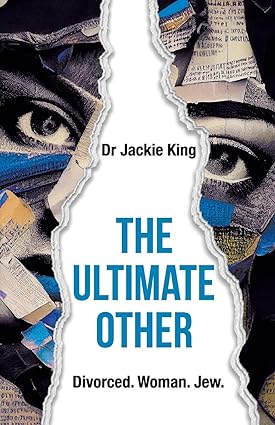
Jackie King’s The Ultimate Other is a deeply personal and thought-provoking exploration of identity, otherness, and self-reinvention. Through a mix of memoir, self-reflection, and design thinking, King dissects her experiences as a woman, a mother, a Jew, and a professional navigating a world that often forces her into the margins. She uses design thinking as a framework to reconstruct her life, breaking it into phases: empathize, define, ideate, prototype, and launch. The result is a raw, honest, and incredibly relatable account of what it means to find and reclaim oneself.
One of the most compelling aspects of this book is King’s vulnerability. She doesn’t sugarcoat her struggles, whether it’s the suffocating burnout of motherhood, the financial insecurity of divorce, or the alienation of being an outsider in various aspects of her life. In one of the most gut-wrenching sections, she describes waiting nine months for her PhD results, only to be dismissed by a male interviewer who tells her she “wasn’t the right fit” because she had taken time off to raise her children. The way she captures the slow, grinding erosion of confidence in spaces that fail to value women’s experiences is both infuriating and deeply validating.
Another standout theme in The Ultimate Other is the power of reframing failure. King doesn’t present a linear success story but instead embraces iteration, failure, and self-discovery as part of the process. She recalls her first experience as a consultant, where she undervalued her own expertise, only to have a client double her rate and push her to see her worth. These moments make the book feel like an encouraging nudge rather than a set of rigid self-help principles. King shows how stepping away from predefined expectations, whether in relationships or careers, is a necessary act of self-preservation.
Perhaps the most emotional part of the book is her discussion of generational trauma, particularly as a Jewish woman. The weight of history, her grandfather’s Holocaust survival, the fear that lingers in Jewish identity, and the rise of modern antisemitism shape her sense of self in ways she is still unpacking. She describes visiting Yad Vashem and seeing the name of her grandfather’s aunt, who perished in Auschwitz, carved into stone. That moment cements the idea that trauma isn’t just something inherited, it’s something carried, worn, and eventually understood in personal and political ways.
This book is perfect for women who feel stretched too thin, undervalued, or trapped in expectations they never consciously agreed to. It’s for anyone who has ever felt like an outsider, whether due to gender, religion, or career choices. King’s writing is sharp, introspective, and incredibly human, sometimes heartbreakingly so. She doesn’t offer easy solutions but instead provides a roadmap for navigating discomfort, embracing change, and designing a life that feels authentic. If you’re looking for a book that acknowledges the messiness of personal growth and celebrates the courage to redefine success, The Ultimate Other is a must-read.
Pages: 83 | ASIN : B0DG9BX3Z6
The Child Becomes the Caregiver

The Night Garden: Of My Mother is a memoir that delves into the intricacies of familial bonds, offering an exploration of love, frustration, and the ties between mothers and daughters. Why was this an important book for you to write?
To be honest, I don’t know that I ever weighed the importance of writing this book. If I had, Night Garden may have developed much more heavy-handedly, suppressing the real life of these characters — as they finally are just that, characters. Traditionally, I am a fiction writer, so I have learned how to allow characters their own lived lives on the page.
At the same time, the mother/daughter dynamic has always been central to my writing, to my novels, however subconscious. In my first novel, Blue Glass, I naturally fell into the first-person perspective of an only child, which I am, to explore the nuanced mother/daughter relationship. The mother in that novel is entirely fictional – I honestly don’t know where she came from, as she is the complete opposite “character” of my mother. But what I do think I pulled from—again, subconsciously—was the integral bond between my mother and me; that intensity of love and devotion of the only daughter.
Though I have to say, this memoir was finally so much harder to write than my novels because the subject was right there in front of me – it was lived. What was most difficult was finding the structure – writing of scene comes naturally to me, and many of these moments I dramatized through the years as they were happening. Other scenes are a kind of consolidation of events, to concentrate a truth. I think I knew I had strong material here, even if it was hard to write. And perhaps in the writing, I was able to objectify in a way that offered me a layer of emotional protection—the harder that things became for me and my mother, the more I wished I could distance myself from it all.
What were some ideas that were important for you to share in this book?
The Night Garden chronicles a period in my life when I was deeply divided between my roles as a mother and daughter, by both distance and powerful emotional pulls—I had my two children in my 40s when my mother was already in her late 80s. When my mother falls and breaks her hip, what I recall best is being unable to nurse my three month old while she was in Emergency, the physical feeling of being torn between my mother’s needs and my children’s. This torn feeling I believe is far more universal than we realize, as women are having children later in life. Granted, my situation was even more skewed, as my mother too had me later in life. But there is something to be said for the fact that birthrates have fallen in every age group except for women in their forties. Women, whether in relation to children or their own parents, are still most likely to be the designated primary caregivers.
I appreciated the candid nature with which you told your story. What was the hardest thing for you to write about?
I think the hardest was reliving that period when my mother manifested dementia — it was a quick and deep descent in her last two years, and one much darker than I experienced with my father — my father’s deterioration was over the span of 13 years, and while he was diagnosed with Alzheimers, the terrain of his dementia was much gentler. No deep descents. My mother would find herself locked in empty churches, dental chairs and in jail. The hardest moment was when she no longer recognized her own home, what she’d always referred to as her “happy house;” and in that lack of recognition, I already felt left behind, as I would wandering that house alone once she was gone.
The second hardest was writing about the grueling lesson of navigating the dementia, one I learned from her aide who had witnessed this dynamic between child and parent so many times before. She understood my desperation in needing to convince my mother that she was not actually locked in a church, but at home in bed with her beloved two cats. In my denial was indeed, a refusal to let go. So instead of trying to convince my mother that she wasn’t locked in a church, I learned how to soothe her in the moment, to promise I would send a parishioner drive her home. But my desperation finally was born out of a stubborn denial — on some level, however old we are, we are still the child unable to imagine losing a parent, however fraught that relationship was or wasn’t historically. Once stripped of our role as child, how do we reimagine ourselves? And how might this reimagining impact our own roles as mothers?
What do you hope is one thing readers take away from your story?
I’ve already received messages about how Night Garden is helping those currently in caregiving roles, whether or not they are balancing young children as well. I do hear mostly from women, who appreciate my candor about conflicted feelings: unable to bear that thought of losing a parent— of our role as child— while resentful of the toll caregiving is having on our own lives and mental health. We are no longer a society of extended families — at best, we are families scattered across the country, so that usually the caregiving does fall to one child, one sibling. Readers of my story I hope will feel a little bit less alone in what finally may be an inevitable quagmire, but also forgive themselves for feeling conflicted; the child/parent relationship is resounding in its complexity, if not always rooted in unconditional love.
Author Links: GoodReads | Website
As her mother’s dementia worsens, Chandice warns the author about other daughters “gone crazy” watching their mothers become unrecognizable-after her mother’s death, the author is admitted to a psychiatric ward, where she sleeps the “sleep of the dying,” as her mother slept in her final weeks. But in the timelessness of this ward, she can wonder: was her closeness with her mother not of best friends, but something inherent in their dispositions as a writer and artist-in that compulsion to be seen and heard? With empathy and affectionate comedy, The Night Gardencandidly explores what it means for a daughter to have her focus fractured by conflicting responsibilities while still seeking, above all else, her mother’s approval, protection and love
The Gift of Parenthood: From Infertility to an Open Adoption
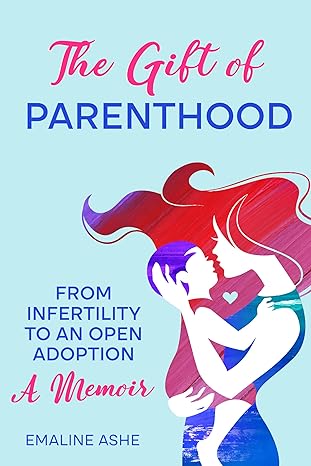
The Gift of Parenthood is a heartfelt and deeply personal memoir by Emaline Ashe that takes readers on an emotional journey from infertility struggles to the joys and challenges of open adoption. Ashe’s candid storytelling captures her years-long battle with infertility, her eventual decision to adopt, and the complexities of raising a child within an open adoption framework. The book serves as both a testament to resilience and a guide for those navigating similar paths.
The writing struck a perfect balance between vulnerability and humor. Ashe doesn’t shy away from exposing her raw emotions, whether she’s describing the devastation of a failed IVF treatment or the anxiety of waiting for an adoption match. One moment that stuck with me was her description of feeling of being “stranded on infertility island,” a phrase she revisits to paint the alienation and loneliness of her experience. Her honesty in recounting even the smallest victories, like the first time she and her husband Liam saw their son Aiden’s ultrasound, had me tearing up. It’s a rollercoaster of hope and heartbreak that makes you root for her every step of the way.
The way Ashe portrays the adoption process is as enlightening as it is emotional. Her account of meeting Aiden’s birth mother, Hannah, and forming a relationship based on mutual respect and love was deeply moving. One of my favorite parts of the book was when she detailed the open adoption agreement and how their blended family grew through years of mutual effort and trust. Ashe writes about the awkward early visits, the raw emotions of Hannah’s decision, and how they all found a rhythm in their relationship. It was inspiring to see how Ashe reframed the challenges of open adoption as opportunities to grow closer to Hannah and her son Dylan.
Ashe’s voice throughout the memoir is both relatable and engaging. She has a knack for making heavy topics approachable, injecting moments of humor and lightness where they’re most needed. For instance, her anecdote about Aiden’s all-nighter as a newborn brought a much-needed laugh amid heavier discussions of loss and grief.
The conclusion ties everything together beautifully. Ashe reflects on how her journey transformed her understanding of family and motherhood. Her gratitude for her son and her relationship with his birth family shines through in every sentence. I found her acknowledgment of how adoption enriches and complicates lives particularly poignant. For anyone considering adoption or grappling with infertility, this book feels like a warm, guiding hand.
I recommend The Gift of Parenthood to anyone interested in stories of resilience, parenthood, or adoption. It’s also a wonderful read for those who enjoy memoirs about the triumph of the human spirit.
Pages: 48 | ASIN : B0CW6ZVYQM
The Night Garden: of My Mother
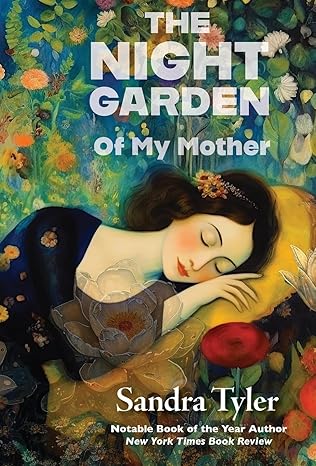
Sandra Tyler’s The Night Garden: Of My Mother delves into the raw intricacies of familial bonds, offering an exploration of love, frustration, and the unshakable ties between mothers and daughters. The memoir presents Sandra, a woman in her early 40s with two young children, who is thrust into the role of caregiver as her 86-year-old mother faces severe health challenges. The arrival of Chandice, a blunt and opinionated caretaker, creates tension, sparking conflicts that leave Sandra caught in an emotional tug-of-war. When her mother passes away, Sandra’s grief culminates in a mental breakdown, leading her to a psychiatric ward where she confronts the deeper layers of her relationship with her late mother.
The narrative echoes the surreal familial dynamics often found in John Irving’s works, such as The Hotel New Hampshire. Sandra’s inner turmoil mirrors the universal struggle many adult children face when the roles of caregiver and dependent reverse. Her mother, once an independent force, becomes vulnerable, forcing Sandra to grapple with the bittersweet realities of caretaking. The tension between Chandice and Sandra’s mother is laced with both humor and sadness, reflecting the often absurd but deeply emotional complexities of elder care. Tyler captures these moments with sharp precision, making readers oscillate between laughter and tears. Sandra’s stay in the psychiatric ward becomes a transformative journey. Stripped of distractions, she reflects on her mother’s life, their shared artistic temperaments, and the paradox of loving someone who could also inflict the most pain. This period of introspection feels less like a breakdown and more like a painful but necessary rebirth. It’s here that Sandra begins to reconcile her grief, acknowledging the beauty and difficulty of her bond with her mother. The result is a deeply cathartic narrative arc that resonates with anyone who has navigated the tangled emotions of losing a loved one.
Tyler’s ability to dissect the parent-child relationship is unmatched. She portrays the paradoxical nature of familial love with unflinching honesty—how the same person can be a source of comfort and exasperation, joy and sorrow. The humor threaded through the memoir softens the melancholy, making the story as entertaining as it is reflective.
Few memoirs tackle the complexity of family with such insight and grace. The Night Garden: Of My Mother is a must-read for anyone grappling with aging parents, the weight of caregiving, or the bittersweet nature of love. Tyler’s prose cuts to the core, reminding us that even the most difficult relationships can leave behind gardens of meaning and growth.
Pages: 288 | ISBN : 195313677X

Sharing Their Journeys

Working Mothers Inspiring Others is a collection of stories from 18 working mothers from many walks of life in which they share both their parenting challenges and triumphs. Why was this an important book for you to write?
When I returned to work after having my own children, I found myself questioning how others were managing it all the time. The struggle is real when you have young children and still want to have a thriving career, and I couldn’t find anything that shared the raw honesty of what it is really like. So, I decided to create the resource myself. I am all about supporting and uplifting others, and this book does exactly that.
You have pulled together a wonderful collection of inspiring stories. What was the collaboration process like with the co-authors?
It has been amazing. There have been lots of relationships and collaborations created from the co-authors in the book. They have all been very supportive and equally as passionate about the messages we are delivering from chapters.
I appreciated the candid nature with which these stories were told. What was the hardest thing for you to write about?
I think I speak for all the co-authors when I say–it’s always hard to share the deepest insights of ourselves. The fear of judgment, of loved ones or others reading what we really think and feel and that causing any form of criticism or misunderstanding. A feeling that mothers are all too familiar with, and I am incredibly proud of all the co-authors for pushing themselves out of their comfort zone and sharing their journeys in such an honest and vulnerable way.
What do you hope readers take away from this collection?
I hope that mothers take away the confidence to make what they want and need to happen. There is no easy way to juggle a career and motherhood, but there are always ways we can operate better. I hope mothers know they are not alone in whatever stage of the motherhood journey they are in, and this book creates the support and understanding that many mothers need.
Author Links: GoodReads | Facebook | Website | Amazon
How do they handle the endless demands, the societal pressures to ‘do it all,’ and the guilt of feeling stretched too thin?
Here’s the truth: You’re not alone.
Author Sarah Maconachie shares her own journey and the stories of 17 other remarkable women who’ve faced these exact challenges. When Sarah returned to work as a mum of three, she was hit hard by the push-and-pull of wanting a fulfilling career while also being present for her children. She’s now the founder and CEO of Work Hard Parent Hard, a platform dedicated to supporting parents in redefining their purpose and finding fulfillment without losing themselves to exhaustion and guilt.
If you’ve ever found yourself overwhelmed, wondering if it’s possible to balance a career you love with the joy of motherhood, this book is your lifeline. Through the personal and powerful stories of career-driven mums—CEOs, lawyers, entrepreneurs, and more—you’ll see just how possible it is to flourish in both your professional life and your role as a mother.
Meet the inspiring women: Sarah Maconachie, Vicky Wren, Tracey Vermaak, Stacey Webb, Cheryl Edwardes, Tania Gomez, Sarah Coleman, Kerry McNamee, Carla Lombardo, Lisa Younger, Ashley McGrath, Nicola Veal, Leisa Van Geest, Fiona Yue, Kate O’Hara, Sandra Morell, Alicia White, and Michelle Travis.
From navigating challenging childhoods and single parenthood to overcoming career transitions and realising that personal development can be the most essential aspect to success as a working mum – these women have each found ways to create balance. They have challenged societal norms and the status Quo, realising what they feel they ‘should’ do isn’t always the right way for them, and they have created their version of balance that works to thrive in their careers without sacrificing their role as a mother.
What you’ll take away from Working Mothers Inspiring Others:Raw, Real Stories: This isn’t your typical ‘how-to’ parenting book. It’s filled with the honest truths of working mums who’ve been through the highs and lows, offering a look into what worked well, what didn’t, and what they’d do differently.
Relatability & Support: Finally, feel truly seen and heard. These stories reflect your own struggles and victories. You’ll walk away feeling less alone, with a new sense of belonging to a community.
Balance Strategies That Work: These mums have tried, tested, and honed approaches that have allowed them to thrive at work and at home. Each story is packed with tips and strategies you can try.
Empowering Takeaways & Worksheets: You’ll find actionable advice, hands-on worksheets, and steps you can use to make positive changes in both your work and home life.
Inspiration to Embrace Both Roles: This isn’t about just getting through the chaos—it’s about flourishing. This book is for mums who want to feel empowered, balanced, and confident in their dual roles as dedicated mothers and driven professionals.
Are you ready to feel seen, to gain new strategies for creating balance, and to be inspired to redefine what ‘having it all’ looks like for you? Working Mothers Inspiring Others is here to support and uplift you through every twist and turn of your own journey as a working mum.
Plus! Check out the companion book, Working Dads and Balancing Acts, where 20 dads share their own real and honest journeys.



 LITERARY TITAN