Blog Archives
Why Mommy? Mommy Why?: A Children’s Book for Parents
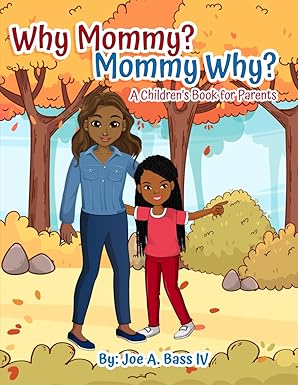

Why Mommy? Mommy Why? by Joe A. Bass IV starts as a tender and heartwarming story about a mother and daughter’s daily routine, filled with love, curiosity, and a playful call-and-response dynamic. Shami, a bright and inquisitive little girl, constantly asks “Why, Mommy?”—a sweet and familiar habit many parents will recognize. The book takes a sudden, gut-wrenching turn when Shami’s mother, caught up in the chaos of life and personal struggles, misses critical warning signs of a devastating event that her daughter tries to share. The final revelation is a powerful and harrowing lesson about the importance of listening to our children, even when life feels overwhelming.
The writing is simple and approachable, making it feel like an easy bedtime story—until it isn’t. The early pages lull the reader into a sense of comfort, with charming exchanges like when Shami’s mother gently reminds her to brush her teeth or buckle her seatbelt. These moments feel authentic, highlighting the warmth of their bond. But the shift in tone is shocking. The car accident introduces a layer of tension, but even then, the story seems to focus on a mother’s perseverance. When Shami’s behavior subtly changes—her refusal to laugh, her reluctance to sit—the heartbreak of hindsight sets in. The story brilliantly captures the small, everyday distractions that can make parents overlook what’s right in front of them. It’s a painful but necessary reminder that children communicate in ways beyond words.
This book left me reeling. The final reveal was a gut punch. The realization that Shami had been trying to speak all along but wasn’t truly heard is devastating. The writing doesn’t rely on overly dramatic language, which makes it even more powerful. The restraint in storytelling lets the weight of the events sink in naturally. It made me feel guilty, sad, and deeply reflective—exactly what a book like this should do. The message at the end, urging parents to be present and listen, is haunting in its simplicity.
I would recommend this book to parents, caregivers, and educators—anyone responsible for a child’s well-being. It’s not an easy read, especially for those sensitive to the subject matter, but it’s an important one. It forces you to pause and reconsider how often you truly listen to the children in your life. This book is a warning, a lesson, and a plea wrapped into one.
Pages: 31 | ISBN : 1963737148

The Child Becomes the Caregiver

The Night Garden: Of My Mother is a memoir that delves into the intricacies of familial bonds, offering an exploration of love, frustration, and the ties between mothers and daughters. Why was this an important book for you to write?
To be honest, I don’t know that I ever weighed the importance of writing this book. If I had, Night Garden may have developed much more heavy-handedly, suppressing the real life of these characters — as they finally are just that, characters. Traditionally, I am a fiction writer, so I have learned how to allow characters their own lived lives on the page.
At the same time, the mother/daughter dynamic has always been central to my writing, to my novels, however subconscious. In my first novel, Blue Glass, I naturally fell into the first-person perspective of an only child, which I am, to explore the nuanced mother/daughter relationship. The mother in that novel is entirely fictional – I honestly don’t know where she came from, as she is the complete opposite “character” of my mother. But what I do think I pulled from—again, subconsciously—was the integral bond between my mother and me; that intensity of love and devotion of the only daughter.
Though I have to say, this memoir was finally so much harder to write than my novels because the subject was right there in front of me – it was lived. What was most difficult was finding the structure – writing of scene comes naturally to me, and many of these moments I dramatized through the years as they were happening. Other scenes are a kind of consolidation of events, to concentrate a truth. I think I knew I had strong material here, even if it was hard to write. And perhaps in the writing, I was able to objectify in a way that offered me a layer of emotional protection—the harder that things became for me and my mother, the more I wished I could distance myself from it all.
What were some ideas that were important for you to share in this book?
The Night Garden chronicles a period in my life when I was deeply divided between my roles as a mother and daughter, by both distance and powerful emotional pulls—I had my two children in my 40s when my mother was already in her late 80s. When my mother falls and breaks her hip, what I recall best is being unable to nurse my three month old while she was in Emergency, the physical feeling of being torn between my mother’s needs and my children’s. This torn feeling I believe is far more universal than we realize, as women are having children later in life. Granted, my situation was even more skewed, as my mother too had me later in life. But there is something to be said for the fact that birthrates have fallen in every age group except for women in their forties. Women, whether in relation to children or their own parents, are still most likely to be the designated primary caregivers.
I appreciated the candid nature with which you told your story. What was the hardest thing for you to write about?
I think the hardest was reliving that period when my mother manifested dementia — it was a quick and deep descent in her last two years, and one much darker than I experienced with my father — my father’s deterioration was over the span of 13 years, and while he was diagnosed with Alzheimers, the terrain of his dementia was much gentler. No deep descents. My mother would find herself locked in empty churches, dental chairs and in jail. The hardest moment was when she no longer recognized her own home, what she’d always referred to as her “happy house;” and in that lack of recognition, I already felt left behind, as I would wandering that house alone once she was gone.
The second hardest was writing about the grueling lesson of navigating the dementia, one I learned from her aide who had witnessed this dynamic between child and parent so many times before. She understood my desperation in needing to convince my mother that she was not actually locked in a church, but at home in bed with her beloved two cats. In my denial was indeed, a refusal to let go. So instead of trying to convince my mother that she wasn’t locked in a church, I learned how to soothe her in the moment, to promise I would send a parishioner drive her home. But my desperation finally was born out of a stubborn denial — on some level, however old we are, we are still the child unable to imagine losing a parent, however fraught that relationship was or wasn’t historically. Once stripped of our role as child, how do we reimagine ourselves? And how might this reimagining impact our own roles as mothers?
What do you hope is one thing readers take away from your story?
I’ve already received messages about how Night Garden is helping those currently in caregiving roles, whether or not they are balancing young children as well. I do hear mostly from women, who appreciate my candor about conflicted feelings: unable to bear that thought of losing a parent— of our role as child— while resentful of the toll caregiving is having on our own lives and mental health. We are no longer a society of extended families — at best, we are families scattered across the country, so that usually the caregiving does fall to one child, one sibling. Readers of my story I hope will feel a little bit less alone in what finally may be an inevitable quagmire, but also forgive themselves for feeling conflicted; the child/parent relationship is resounding in its complexity, if not always rooted in unconditional love.
Author Links: GoodReads | Website
As her mother’s dementia worsens, Chandice warns the author about other daughters “gone crazy” watching their mothers become unrecognizable-after her mother’s death, the author is admitted to a psychiatric ward, where she sleeps the “sleep of the dying,” as her mother slept in her final weeks. But in the timelessness of this ward, she can wonder: was her closeness with her mother not of best friends, but something inherent in their dispositions as a writer and artist-in that compulsion to be seen and heard? With empathy and affectionate comedy, The Night Gardencandidly explores what it means for a daughter to have her focus fractured by conflicting responsibilities while still seeking, above all else, her mother’s approval, protection and love
The Night Garden: of My Mother
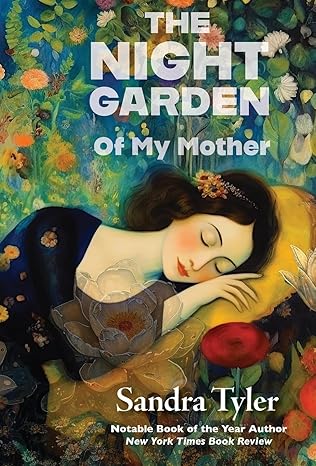
Sandra Tyler’s The Night Garden: Of My Mother delves into the raw intricacies of familial bonds, offering an exploration of love, frustration, and the unshakable ties between mothers and daughters. The memoir presents Sandra, a woman in her early 40s with two young children, who is thrust into the role of caregiver as her 86-year-old mother faces severe health challenges. The arrival of Chandice, a blunt and opinionated caretaker, creates tension, sparking conflicts that leave Sandra caught in an emotional tug-of-war. When her mother passes away, Sandra’s grief culminates in a mental breakdown, leading her to a psychiatric ward where she confronts the deeper layers of her relationship with her late mother.
The narrative echoes the surreal familial dynamics often found in John Irving’s works, such as The Hotel New Hampshire. Sandra’s inner turmoil mirrors the universal struggle many adult children face when the roles of caregiver and dependent reverse. Her mother, once an independent force, becomes vulnerable, forcing Sandra to grapple with the bittersweet realities of caretaking. The tension between Chandice and Sandra’s mother is laced with both humor and sadness, reflecting the often absurd but deeply emotional complexities of elder care. Tyler captures these moments with sharp precision, making readers oscillate between laughter and tears. Sandra’s stay in the psychiatric ward becomes a transformative journey. Stripped of distractions, she reflects on her mother’s life, their shared artistic temperaments, and the paradox of loving someone who could also inflict the most pain. This period of introspection feels less like a breakdown and more like a painful but necessary rebirth. It’s here that Sandra begins to reconcile her grief, acknowledging the beauty and difficulty of her bond with her mother. The result is a deeply cathartic narrative arc that resonates with anyone who has navigated the tangled emotions of losing a loved one.
Tyler’s ability to dissect the parent-child relationship is unmatched. She portrays the paradoxical nature of familial love with unflinching honesty—how the same person can be a source of comfort and exasperation, joy and sorrow. The humor threaded through the memoir softens the melancholy, making the story as entertaining as it is reflective.
Few memoirs tackle the complexity of family with such insight and grace. The Night Garden: Of My Mother is a must-read for anyone grappling with aging parents, the weight of caregiving, or the bittersweet nature of love. Tyler’s prose cuts to the core, reminding us that even the most difficult relationships can leave behind gardens of meaning and growth.
Pages: 288 | ISBN : 195313677X

The Good Daughter Syndrome: Help For Empathic Daughters of Narcissistic, Borderline, or Difficult Mothers Trapped in the Role of the Good Daughter

Katherine Fabrizio’s The Good Daughter Syndrome is an eye-opening exploration of the often fraught mother-daughter relationship, specifically focusing on empathic daughters of difficult, narcissistic, or borderline mothers. The book dives deep into the concept of “Good Daughter Syndrome,” explaining how these dynamics trap daughters in cycles of guilt, self-doubt, and emotional dependency. Fabrizio combines her professional expertise as a psychotherapist with personal anecdotes, offering practical exercises and thoughtful advice to help readers navigate and ultimately heal from these patterns.
Fabrizio’s writing is empathetic, clear, and refreshingly direct. I appreciated how she balanced psychological insights with actionable steps. For example, her discussion of the “Never-Good-Enough Trap” in Chapter 5 resonated deeply with me. She doesn’t sugarcoat the emotional toll of being caught in this role but pairs her observations with gentle guidance on setting boundaries. Her ability to address these painful realities without becoming overly clinical makes the book engaging and approachable.
One thing I liked most about the book is Fabrizio’s explanation of how unresolved maternal trauma can be passed down. Her example of a mother unconsciously reacting to her child’s needs as if facing her own unresolved childhood wounds was both heartbreaking and enlightening. It felt like a lightbulb moment, illuminating how these dynamics aren’t about blame but understanding and breaking harmful cycles.
I also found Fabrizio’s use of real-life scenarios and scripts especially helpful. The exercises in Chapters 12–15, where she outlines how to rewire emotional responses and escape common traps, are practical and empowering. These sections make the book feel like a toolkit for change, not just a collection of reflections. However, I would have liked more examples of daughters successfully transforming their relationships with their mothers, as most of the anecdotes highlight the challenges rather than the victories.
The Good Daughter Syndrome is a must-read for women who find themselves overly enmeshed with a difficult mother and are seeking a way to reclaim their lives. It’s especially powerful for those who feel stuck between resentment and guilt. This book would resonate with anyone who values self-help with a compassionate, relatable voice and isn’t afraid to confront the complexities of their family dynamics.
Pages: 272 | ASIN : B0C9G4MZJY
Control is an Illusion

In Rootbound: A Mother’s Journey, A Daughter’s Pain., you share some of the most challenging aspects of your mother-daughter relationship and the fears and traumas that preceded your amazing healing journey. What inspired you to share your story with readers?
Melanie- I wanted to help other moms avoid the mistakes I made because of fear. I also wanted to help the moms who already made those mistakes make efforts toward repairing the damage. I knew that if I shared my experience, it would only be half of the story. That’s when I asked Amanda to write the book with me. She of course said yes.
Amanda- My mom approached me with the idea and felt like the work we had done to heal ourselves and our relationship could be beneficial for others to find freedom in their own stories. We had multiple people make comments on our relationship and how they wished they had the type of connection with their mom or daughter as we did. I have always wanted to write a book and loved the idea and said yes without hesitation.
I appreciated the candid nature with which you both told your story. What was the hardest thing for you to write about?
Melanie- Chapter 6 titled Rootbound was the hardest for me. I share some heart-wrenching awakenings and losses in that chapter.
Amanda- I think the depth of vulnerability we get into throughout the book felt very scary to share with the world. You can’t take those things back once it’s out there. I was very aware of the potential backlash that may come with sharing various traumatic life experiences in such a candid way.
What is one piece of advice you wish someone had given you when you were younger?
Melanie- I wish someone would have told me about control being an illusion and taught me how to have boundaries instead.
Amanda- I wish someone had told me to take the pressure off myself and helped me understand how to do that.
What is one thing you hope readers are able to take away from your experience?
Melanie- I want the reader to know they are not alone. I hope they can take away a little bit of bravery to face the unaddressed parts of their story.
Amanda- I hope they can connect to it and find themselves in our story. And for those that do connect to it, I hope that it brings a sense of feeling seen and that they are not alone in this journey, and that restoration in parent/child relationships is possible.
Author Links: GoodReads | Facebook | Website
Synopsis:
In “Rootbound: A Mother’s Journey. A Daughter’s Pain,” we share the poignant story of a mother and daughter who courageously embarked on a path to healing. This book is not a how-to guide for achieving a perfect relationship; it’s a testament to the power of love and healing, offering hope to those seeking reconciliation and true connection within their own families.
What to Expect:
A Sense of Wholeness: Find solace in knowing you are not alone in facing the myriad of challenges that can arise within family life. Our experiences may mirror your own, and our shared journey will make you feel seen and understood.
An Inside Peek into Our Healing Journey: We offer you an intimate look at our healing process, both together and separately. Filled with photos, tips, and resources, our story will inspire and guide you on your own path to understanding and growth.
A New Perspective: Discover not only new insights into your family’s history but also the potential for transformation in your future. Witness the power of love, healing, and reconciliation that brought us together and see how it can happen for you too, with dedication and effort.
Beliefs and Topics Covered:
Breaking the Chains of Control: Our family was shaped by a parenting style rooted in fear and control, and we explore how it affected us and our relationships.
Navigating Faith and Family: Our beliefs influenced our family dynamics and life views. We share how faith played a role in our healing process and how the systems of religion gave fear a highway.
Conquering Shame and Pain: Delve into the emotional challenges we confronted, how we worked through them, and how healing is an ongoing journey.
Our journey was never easy, but we believe that healing and reconciliation are within reach for everyone. “Rootbound” is an invitation to join us and find inspiration and encouragement, wherever you may be in your life. Pick up your copy today and let our story inspire you to embrace growth, love, and connection. Click the buy now button and start your healing journey!
Rootbound: A Mother’s Journey, A Daughter’s Pain.

Rootbound: A Mother’s Journey, A Daughter’s Pain., by Amanda and Melanie Huggard, is a deeply moving memoir that chronicles the healing journey of a mother-daughter duo. Melanie, a controlling and overbearing mother, fostered a codependent relationship with her daughter, Amanda. As Amanda navigates a divorce, she commits to healing herself, unlearning her codependent behaviors, and building healthier relationships with her parents, especially her mother. Melanie, fully aware of how her attempts to protect her children led to negative consequences, acknowledges her fears and traumas. While they cannot change the past, Melanie and Amanda are dedicated to working on the present to create a better future.
The book is beautifully written, with both Amanda and Melanie taking turns as they share their perspectives. This dual narrative provides readers with an objective view, emphasizing that there are no villains in their story—just hurt individuals striving to overcome their demons and improve their lives and relationships. This balanced approach helps readers empathize with both mother and daughter, highlighting their humanity and resilience.
Rootbound is a truly touching story about the complexities of a mother-daughter relationship. It takes immense courage and determination to acknowledge when something is wrong and to face it head-on. Melanie and Amanda approach their struggles, hurts, and traumas with honesty, reflecting on the significant work they have already done on themselves and their relationship. Their openness is both inspiring and heartwarming, demonstrating the power of vulnerability in healing.
Several moments in the book stand out for their raw emotion and honesty. Coming from a psychology background, I was particularly struck by their willingness to share such personal stories. The two share life-altering moments and revelations no parent wants to admit and no child wants to hear. Another poignant moment is found in a letter Melanie writes to Amanda expressing regret for the past but promising to work on these issues for the sake of their relationship.
Rootbound underscores that there is no formula for personal growth or relationship repair. Our traits, attachment styles, and fears often originate within the family unit, and recognizing that what we were taught may no longer serve us is a courageous step. By working on these issues instead of ignoring them, we can improve not only our own lives but also those of our loved ones and future generations. I commend Melanie and Amanda for their honesty and for inspiring others on their healing journeys. Their story is a powerful testament to the transformative power of love and dedication.
Pages: 197 | ASIN : B0CHW26NLP



 LITERARY TITAN