Blog Archives
How Change Really Happens


Sierra Melcher’s How Change Really Happens is part guidebook, part heart-to-heart open discussion, offering readers a warm and honest exploration of personal transformation. Framed around metaphors from nature—trees, butterflies, and lotus flowers—it walks the reader through both the emotional and practical aspects of change. The book is structured in two parts: the first dispels common myths about transformation, and the second offers a “tool belt” of strategies to help you move through life’s messier moments with more grace, awareness, and intention. It’s clear this book was written by someone who not only teaches these lessons but lives them.
I found Melcher’s writing style incredibly approachable. She doesn’t lecture—she chats. Reading this book felt like talking to a wise friend who isn’t afraid to laugh at life’s chaos while still taking your growth seriously. There’s a deep tenderness in how she shares her own stumbles and breakthroughs. I appreciated that vulnerability. And she doesn’t pretend to be a flawless guru either. She reminds you constantly: you’re the expert on your own life. That humility made the whole thing feel more real. The idea of “micro-shifts”—tiny, consistent actions—was a standout for me. It took the overwhelming bigness out of “transformation” and made the process seem manageable.
The book leans heavily into metaphors, and many of them were beautiful. The butterfly one, for instance, is familiar territory in self-help, but Melcher does offer a more nuanced view of it. Her insights about the fear of change, the pushback from others, and the need to sit in discomfort instead of forcing outcomes felt deeply relevant. She doesn’t sugarcoat things. Change is hard. Messy. Sometimes lonely. But she makes you feel okay about that. Like you’re not broken for struggling.
I’d recommend this book to anyone standing at the edge of something new—whether that’s a life transition, a career shift, or an internal reckoning. It’s especially good for folks who are burned out on the hustle culture and looking for a gentler, more sustainable way to grow. If you’ve ever felt stuck but unsure why, or if the idea of transformation feels too big to tackle, this book will meet you exactly where you are and gently nudge you forward.
Pages: 118 | ASIN : B085H9LGG9

Happiness Isn’t a Destination

I Just Want to Be Happy is a Self-Help guide that offers readers practical, fun & relatable strategies to boost mental well-being based on the latest information in neuroscience. Why was this an important book for you to write?
I wrote I Just Want to Be Happy because as a psychologist, I’ve seen firsthand how many people struggle with the belief that happiness is always just out of reach—something they’ll achieve once they get the promotion, find the right relationship, or check off the next big goal. But the truth is, happiness isn’t a destination; it’s something we can cultivate, notice and experience right now.
Most self-help books are not based on any research or evidence at all, so it felt very important to create something that bridged the gap between science and everyday life in a practical and hopefully engaging way.
This book isn’t about vague positivity or unrealistic promises, it’s about real, actionable strategies that anyone can use to shift their mindset, build resilience, and start feeling happier right away. Most importantly, I wanted to create something doable—because improving our mental well-being shouldn’t feel like another overwhelming task on a never-ending to-do list.
What were some ideas that were important for you to share in this book?
One of the biggest ideas in I Just Want to Be Happy is that happiness isn’t something we passively wait for—it’s something we create through small, intentional choices. Many people believe they’ll be happy when certain external conditions are met, but research shows that our habits, thoughts, and daily actions have a much greater impact on our well-being than we realize.
I also wanted to challenge some common misconceptions about happiness. For example, a lot of people think they have to eliminate all negative emotions to be happy, but that’s simply not true. Happiness and struggle can coexist, and learning how to navigate challenges with resilience and self-compassion is a crucial part of emotional well-being.
Another key idea is that happiness isn’t just a mindset—it’s a whole-body experience influenced by neuroscience. Our brains are wired to focus on threats and negativity, but we can train ourselves to shift our attention and build mental habits that support a more positive, fulfilling life. That’s why I included simple, science-backed strategies that help readers rewire their thinking patterns in a way that feels natural and doable.
Finally, I wanted to make sure this book was practical. The strategies in the book are designed to be fun, flexible, and easy to incorporate into everyday life, so readers can start seeing real changes without feeling like they have to overhaul everything at once. Each chapter is a standalone so that a reader can just pick the book up and start reading wherever they are drawn to at that point in time. Each chapter is divided into action steps of varying levels of difficulty so that wherever you find yourself on a given day in terms of your mood or your motivation, there will be something there for you to incorporate into your day to begin to feel better.
How much research did you undertake for this book, and how much time did it take to put it all together?
Writing I Just Want to Be Happy was a blend of years of professional experience, deep research, and a passion for making science-backed strategies accessible. I’ve spent my career studying and applying concepts from neuroscience, positive psychology, and cognitive behavioral therapy (CBT), so in many ways, this book is a culmination of knowledge I’ve been gathering for a long time.
For this book specifically, I dove into the latest research on happiness, mindset shifts, and mental well-being—pulling from studies in neuroscience, psychology, and behavioral science. I wanted to make sure that everything I shared was not only backed by evidence but also practical and relatable for everyday life.
As for how long it took, from the initial idea to a finished manuscript, the process spanned several years. Writing, refining, and making sure the book was engaging and actionable took time, but I wanted to create something that felt both research-based and easy to apply—so readers wouldn’t just learn about happiness but actually start experiencing more of it.
What is one thing you hope that readers take away from I Just Want to Be Happy?
If there’s one thing I hope readers take away from I Just Want to Be Happy, it’s that happiness isn’t something you have to wait for—it’s something you can start cultivating right now, exactly where you are. You don’t need a perfect life, a perfect mindset, or perfect circumstances to feel happier. Small shifts in how you think, what you focus on, and how you show up for yourself each day can make a real difference.
I want readers to feel empowered, knowing that they have more control over their happiness than they might have believed. It’s not about chasing some future moment when everything falls into place, it’s about learning how to create joy, meaning, and fulfillment in the present, no matter what challenges life throws your way.
Author Links: Facebook
Organized into a series of engaging, standalone chapters, psychologist Dr. Heidi McKenzie provides a range of techniques suitable for beginning, intermediate, and advanced happiness seekers. Whether it is practicing gratitude, incorporating mindfulness, or fostering social connections, you’ll find immediately actionable steps tailored to your needs. Embrace these science-backed methods to cultivate more joy, reduce stress, and create a life filled with more of what you love and less of what you don’t. Your journey to more happiness starts here.
When I Surrender

Taboo is an anthology that shatters societal silences, offering personal, empowering stories about resilience and the unspoken truths of human experience. What inspired you to curate such a diverse range of stories, and how did you decide which topics to include?
I shared a bit about how the book project came into being in my chapter. My daughter (8 at the time) asked me about menstruation and in the course of the conversation she also asked why the topic is so secret. My answer was that so many important life topics are taboo, and that got me thinking. If we are not discussing the most important parts of life we are doing a disservice to ourselves and one another.
When it comes to how to choose which topics to include I learned long ago to leave it up to fate a bit. I can’t micromanage what people are passionate to write about and share. Rather When I surrender and let people share the most amazing combinations present themselves.
How did you ensure that the contributors felt safe and supported while sharing such vulnerable experiences?
This is an essential part of all writing and even more so in this project. Being vulnerable is terrifying especially in such a public and permanent format as a published book. Learning how to claim our truth and move into a place of courage to share honestly is a fundamental part of how we support people to become authors in the first place. The taboo topics are yet another form of courage and an incredible self acceptance and personal evolution happens as a result.
What was the biggest challenge in assembling Taboo, and how do you hope it will impact societal perceptions of these often-avoided topics?
It is not easy to find people willing to share the most hidden and judged parts of themselves. It required patience and persistence; most great efforts do.
We all came together with the faith and belief that if we could muster the strength to share our truth we could start a ripple effect getting a few more people reading, thinking, feeling, examining and sharing their own taboo stories. Eventually we can open up space for honest sharing where there previously hadn’t been. That is our deepest intention.
What is the next book that you are working on and when will it be available?
I am personally writing a book on the cyclical creative methodology I teach to the authors in my community. I hope it will be available in Spring of 2025.
We are curating another anthology at the moment examining Men’s Mental Health, another taboo topic, one that deserves a lot more openness and attention. We are really proud of the people we have brought on so far. We hope to have this published in time for Father’s Day.
Author Links: GoodReads | Facebook | LinkedIn | Website
This powerful collection unearths the hidden truths of womanhood, trauma, identity, and survival, revealing the emotional depth and resilience of women from diverse backgrounds. With unflinching honesty, these stories shatter the silence surrounding deeply personal and universal experiences, offering both healing and hope.
Inside this transformative anthology, you will discover:
A diverse lineup of all-female authors united in their courage to challenge taboos.
Unvarnished perspectives and lived realities, offering insight into the complexities of our society.
A call to action to end the silence, inspiring readers to embrace their own truths and join the movement for change.
This book is more than a collection of stories—it’s a declaration that some things should never be silenced. Prepare to connect, reflect, and be moved as these women’s voices echo the unspoken truths we all carry.
Taboo: Stories That Can’t Be Told
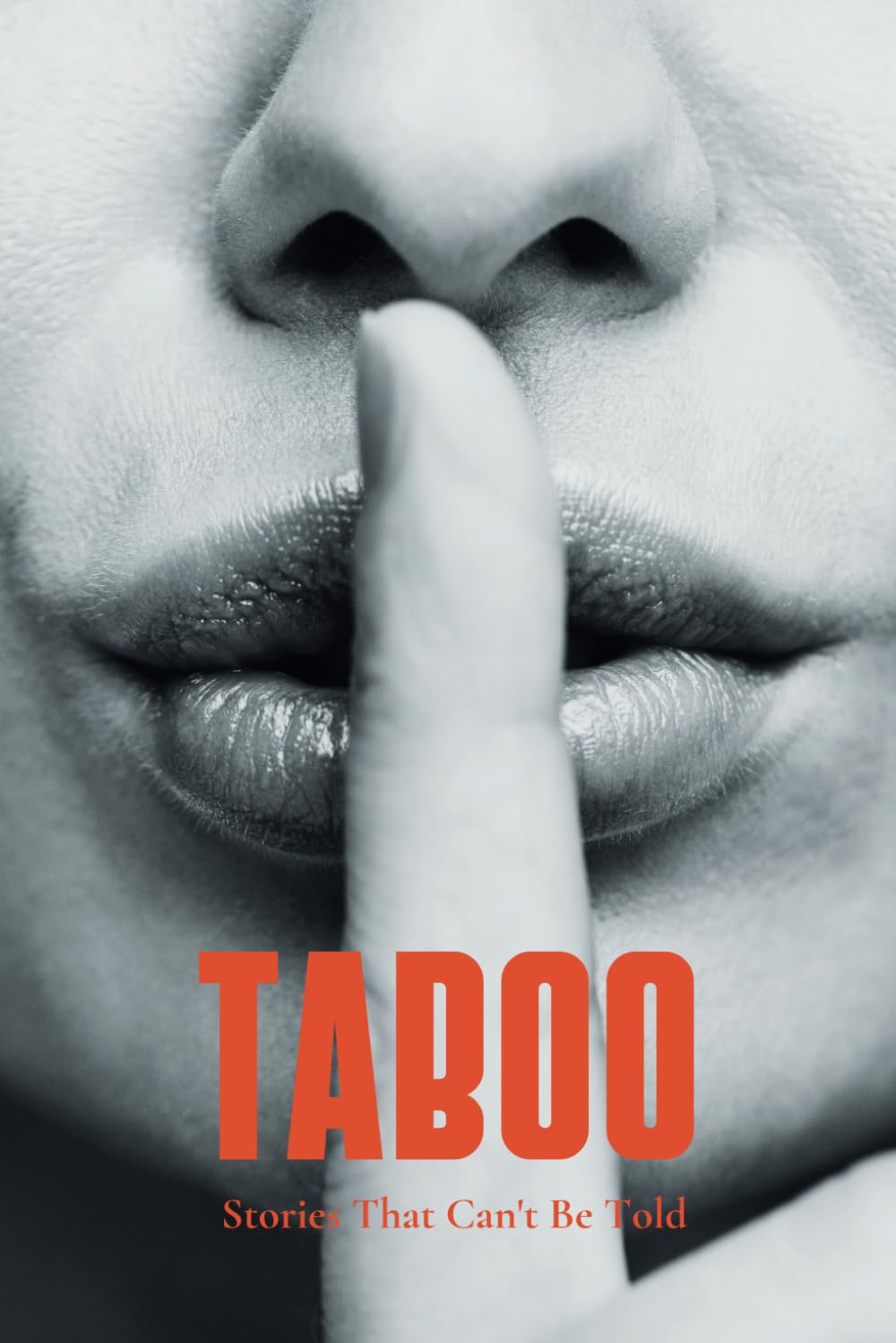
Taboo is an anthology of personal and raw stories that address topics often shrouded in silence, ranging from cultural expectations and personal identity to societal taboos around wealth, health, and trauma. Compiled by Sierra Melcher and published by Red Thread Publishing, this collection is as much a testimony to human resilience as it is a call to break the silences that confine us. Each chapter tackles a different taboo, such as sexual assault, financial independence, and menopause, offering readers a lens into struggles that are both deeply personal and universally resonant.
One of the book’s strongest suits is its unapologetically honest tone. In Roje Khalique’s chapter, The Power of Not Fitting In, I was moved by her recounting of growing up amidst racial tension and classism in 1980s East London. Her reflections on how societal biases diminished her self-worth are gut-wrenching yet hopeful as she transforms rejection into a source of empowerment. The nuanced way Khalique connects her personal experience to larger systemic issues made me pause and reflect on the pervasive nature of bias and resilience.
Jess Bryan’s Soulful Wealth takes a bold and practical approach to discussing money. Bryan’s honesty about breaking generational money taboos and her own transformative journey of grief struck a chord in me. Her idea of “soulful wealth,” where finances align with personal fulfillment, feels both revolutionary and accessible.
Bianka Kuhn-Thompson’s essay on menopause, Howling at the Moon, deserves special mention. This chapter educates and empowers, reframing menopause as an opportunity for growth and self-discovery. Her narrative is laced with humor and tenderness as she recounts her wife’s battle with cancer and its unexpected journey through induced menopause. The vulnerability in her storytelling left me feeling connected to the text, and her practical tips on reframing discomfort into empowerment were refreshing.
Taboo is intense, evocative, and deeply emotional. While the rawness is a strength, it can also overwhelm readers who are not prepared for the depth of vulnerability shared. That said, this book is a gift for those seeking connection in shared humanity, especially readers ready to challenge societal norms and explore their own unspoken truths.
pages: 144 | ASIN: B0DP3FQRPG

A Feeling of Community


Notes From Motherland: The Wild Adventures of Raising Humans is a heartfelt collection of essays capturing the rollercoaster that is motherhood. Why was this an important book for you to write?
It is easy to feel isolated and alone on the motherhood journey. This book is important because it gives voice to the wide variety of experiences people have as they approach motherhood and while on the path itself. I wanted a resource for people that spoke not only to the joy but to the myriad other feelings people have. Sadly, people often find it difficult to find places to express their more vulnerable feelings about such a common thing as being a mother. My hope is that this collection provides a place for people to get a look into the breadth of feeling and experience that accompanies motherhood, that they find a sisterhood, and they the feel less alone.
What were some ideas that were important for you to share in this book?
That there is not just one “valid” experience of or approach to motherhood, that we are all different and bring different things to the journey and experience of motherhood. Again, my hope is that people find this to be a supportive, informative resource. It’s not a “how to” resource but one that hopefully engenders a feeling of community.
How did you decide what to include and leave out in your collection of essays?
We invited a variety of authors to share their experiences and reflections and it was their choice what to share. So we did not hand-pick the topics or experiences that were offered.
What do you hope is one thing readers take away from your anthology?
I hope readers take away a sense of inclusion, support, and hope that they are not strange or bad or alone in their mothering or in their perhaps ambivalent feelings about the experience. Motherhood is SO complex. I think it is unreasonable to expect people to only feel joy and yet the cultural message that is often delivered is that there is something wrong with us if we have less than happy feelings about it.
Chris Chandler Author Links: GoodReads | Facebook | Website | Amazon
Sierra Melcher Author Links: GoodReads | Facebook | Website | Amazon
Through laughter and tears, these women reflect on the lessons learned, the bonds formed, and the growth experienced through motherhood. Each story is a testament to the strength, resilience, and love that defines the mother-child relationship.
Notes from Motherland is a celebration of the universal joys and challenges of motherhood, offering insight, support, and inspiration to mothers everywhere. Whether you’re a new mom, a seasoned parent, or simply curious about the complexities of motherhood, this anthology is sure to resonate with you. Join these women as they share their stories, reminding us all of the beauty and chaos that comes with raising humans.
Coauthors:
- Chris Chandler
- Jennifer Rhode
- Sandi Phinney
- Audra Romeo
- Sierra Lynn Riddle
- JoEllen Leigh Irizarry
- Jessica Stokes
- Erika Hull
- Brandee Melcher
- Ashley Wize
- Reah Hagues
- Rena McDonald
- Frances Trejo-lay
- Sierra Melcher
Notes from Motherland: The Wild Adventure of Raising Humans
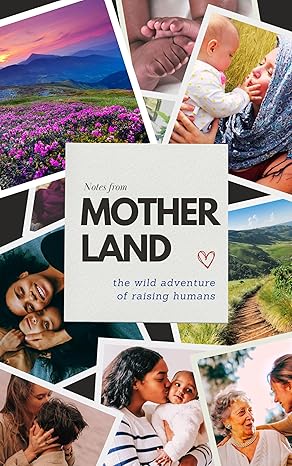
Notes From Motherland: The Wild Adventures of Raising Humans is a heartfelt collection of essays capturing the rollercoaster that is motherhood. A tapestry of emotions, struggles, and triumphs, the book offers a raw and honest glimpse into the complex journey of parenting. Each story is a window into the wild world of raising humans, exploring themes from pregnancy expectations and the messiness of motherhood to the bittersweet experience of watching your children leave the nest. It’s a celebration of vulnerability, a testament to the resilience of mothers, and a nod to the universal challenges of nurturing life.
What I loved most about this book is its unflinching honesty. Chris Chandler’s essay, “Leaving the Nest,” captures that sense of raw anxiety and bittersweet freedom when a parent prepares to let their children fly on their own. Her metaphor of hawk parents fiercely protecting their young before they learn to soar perfectly encapsulates that protective instinct mixed with the sadness of separation. I felt Chandler’s pain and uncertainty, the aching yet hopeful anticipation as her sons set off into the world. It was relatable and had me nodding in agreement, thinking about all the messy and conflicted feelings parents experience. The writing was beautiful yet unpretentious, and that emotional punch stayed with me.
Then there’s Sierra Melcher’s “Mother Magic,” which almost feels like a love letter to motherhood. The way she describes those magical, mundane moments, like her child’s blueberry-stained smile or the sleepy snuggles of early morning, made me smile and ache with nostalgia. Melcher beautifully captures the paradox of wanting to savor every moment while knowing that change is inevitable. It’s poetic and deeply immersive, yet she keeps it grounded. Her reflections on raising a child in a foreign land and experiencing every day as an adventure added an extra layer of intrigue. The imagery and sensory details pulled me into her world, making even the simplest events feel significant.
This book is for anyone who wants to understand the complexities of parenthood. It’s messy, poignant, and beautiful. The stories are varied, with each writer bringing a fresh perspective and their unique voice, which keeps the book engaging. I’d recommend Notes From Motherland to anyone craving a deep and emotional read that doesn’t sugarcoat the hardships of raising humans but celebrates the joy and lessons along the way.
Pages: 172 | ASIN : B0CZPNYFYT


