Blog Archives
Hope of Recovery
In Being Broken, you share the traumas of your childhood, heartbreaking losses, and how you were able to face the damage that shaped your life. Why was this an important book for you to write?
I had to understand how things could have gone so terribly wrong that my sister had to pay the ultimate price, with her life. I’m not a spiritual person, so I needed to believe that this was preventable; that there was a rational and reasonable explanation for this tragedy. Not only that, I needed to better understand my part and be able to forgive myself for either my inability to act in time, or if I had become apathetic to her plight from years of dealing with it. But the journey allowed me to view my own life from a better perspective. It allowed me to dig deep into the traumas of my past and move forward with forgiveness of myself and the fact that I was not responsible for what happened to either of us.
I appreciated the honesty and raw emotion throughout your memoir. What was the hardest thing for you to write about?
Top of that list is my sister’s death. I was so overcome with shame and guilt about not being able to save her, the only way to deal with it was to write about it. I was having a hard time articulating what I was going through, and to write it all out was relieving since the rumination during grief can be very overwhelming. However, equal to how difficult her death was, learning and writing about my sister’s rape was extremely difficult. As I wrote in the book, our parents downplayed my sister’s rape to the point where they were trying to convince me it didn’t happen. Because of their manipulation, I believed them, and the guilt and shame I felt when I read about it in her journals was heartbreaking. Knowing that I wasn’t there for her like I should have been while she was dealing with that trauma, alone, made me feel absolutely horrible. Understanding now it is not my fault, but the fault of my parents’ manipulation of me, that I wasn’t there for her during the most difficult time of her life allowed me to forgive myself.
What is one misconception you believe many people have about growing up in abusive homes?
That children, and even adults, can see and understand that they are being abused, and that escaping the situation is obvious. Many people in abusive relationships are unaware that they are experiencing abuse. I didn’t understand that my sister and I were being abused by our parents until after her death. The narcissistic front of family perfection that our parents projected out into the world made it very difficult for anyone to believe us when we talked about what was going on in that house. Further, the nature of the abuse caused us to live in fear of talking about it. To even consider sharing what was going on with us, we knew the consequences would be severe. And lastly, the amount of control my parents had over my sister’s life precluded any ability for her to escape. They had full control over everything in her life: her car, her lease/rental properties, her phone, money, even her son when she was deemed incapable of caring for him – and they constantly threatened to take it all away if she didn’t behave as they wanted. Truly understanding what was happening to us took a lot of study on my part; years of work through my sobriety, and then grief. By then, it was too late for her, but it continues to help me heal.
What is one thing you hope readers take away from your experiences?
That if you are experiencing the same type of abuse, or have in your past, that you are not alone and there is hope of recovery. The common statistic is that 1 in 4 children experiences a form of abuse. It doesn’t have to be physical or sexual abuse, the most horrific types; it could be any type of mental or emotional abuse. Everyone experiences trauma, even the same trauma, differently based on their formative childhood years. Studies show that a child who experiences repeated forms of abuse has a very altered brain than one who does not. However, through neuroplasticity, therapy, and work, we can manage the challenges of Complex Post-Traumatic Stress Disorder to rewire our brains to live healthy, improved lives and still accept and integrate what we faced as children.
Author Links: GoodReads | Bluesky | Facebook | Website | Amazon
The son, brother, stepson is the only one left to pick up the pieces. He begins a journey of the self and finds out the truth of his family. After going over letters, notes, emails, videos, and text messages, he uncovers a disturbing picture of the abuse his sister suffered at the hands of their parents. He also begins to better understand his own struggles with mental health and substance addiction because of the trauma and abuse he also suffered from their parents.
Follow the son as he looks through his family history to discover the generational abuse that trickled down through the years. Learn about how parents who suffer from narcissistic personality disorder emotionally abuse and manipulate their children. See how the abuse and trauma becomes mental illness in the abused, and how they fall into vicious traps of addiction, eating disorders, self-harm, and complex post-traumatic stress disorder. Witness the transformational change of the son as he works on the recovery of his inner child and tries to become the man he was meant to be.
Prepare to Quit


After reading Prepare to Quit: Finding the Keys to a Spirit-Filled Life Beyond Alcohol by Rose Ann Forte, I found myself deeply moved, both as a reader and as someone who values honest, faith-centered transformation. The book is a heartfelt and structured guide for those who are considering breaking free from alcohol dependency. It walks through eight “keys,” each representing a step toward not just sobriety, but a more meaningful, Spirit-filled life. Forte combines personal testimony, Scripture, neuroscience, and actionable exercises to help readers reframe their relationship with alcohol. Rather than jumping straight to quitting, she focuses on preparing to quit mentally, emotionally, and spiritually, which feels more compassionate and more effective.
Reading this book felt like listening to a wise friend who has been through it. Forte doesn’t lecture or shame. She opens up with real vulnerability about her own drinking habits, the way alcohol snuck into every part of her life, and how hard it was to admit it had become a problem. I enjoyed the honesty. And then she ties that into how God led her through recovery, not with force or fear, but with patience and truth. The writing is plainspoken, sometimes even chatty, but always sincere. I liked how she used simple, relatable metaphors like puzzles, paths, keys, and crosses to illustrate big, complex ideas. It helped the book feel grounded and made the process of quitting alcohol feel like a journey you can actually take.
What I appreciated most was how practical the book is without ever being rigid. Forte suggests journaling, support groups, visualization, and self-investment, but never in a “this is the only way” kind of tone. She invites you in. She gives tools and Scripture, then steps aside and lets you wrestle with what works for you. That level of grace and flexibility is rare in self-help books, especially those tackling addiction. I did sometimes wish the writing had more variation in tone, it leans on encouragement and Scripture, which is beautiful, but I think a little more narrative storytelling or emotional contrast might’ve made certain moments land harder.
I’d recommend Prepare to Quit to Christians who feel stuck in a cycle with alcohol or who are just beginning to question their drinking habits. It’s gentle, but not soft. It’s hopeful, but not naïve. And most of all, it’s built on a foundation of faith and renewal, rather than shame. Whether you’re exploring a sober-curious path or seriously considering giving up alcohol for good, this book can help you feel less alone and far more equipped.
Pages: 120 | ASIN : B0F1TMH2D2

Serenity and Freedom
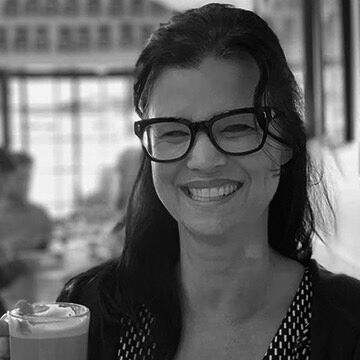
Baby Darlin’ is an illustrated memoir that explores your life that has been shaped by addiction, abuse, and generational trauma. Why was this an important book for you to write?
It is important for me to tell my story to help other survivors by unveiling the shame and secrets and giving them hope. Writing it in first person allowed me to really identify with the pain from the trauma and work through it and in the end feeling an ultimate sense of serenity and freedom.
What was the most challenging part of writing your memoir and what was the most rewarding?
The rape scene in the chapter “Oleander” was the most challenging to relive for the sake of explaining disassociating from my body. I had to take a lot of gentleness breaks.
The most rewarding part of my book to write was the last chapter, “The Seaglass Story.” It’s a light-hearted, humorous piece. In recovery, I struggled with identifying with a higher power who I could trust. I questioned If I let go of my addiction would it be there to relieve the obsession, and guide me. Find out in “The Seaglass Story.”
How has writing your memoir impacted or changed your life?
It has changed my life by giving me a sense of freedom and self-love. It has opened the door to allow readers to share their experience with me which has been the most gratifying experience.
What do you hope is one thing readers take away from your story?
I would like the reader to find their voice, speak their truth, and squash their shame.
Author Links: GoodReads | Instagram | X (Twitter) | Facebook | Website | Amazon
Most of them are dead.
Silence is broken and the secret unearthed.
Surviving the Cajun Curse, her mentally ill momma calls her, Baby Darlin’. Pig calls her Brillo and takes away her innocence by using her to escape his own twisted mind. Her cousin Willy, calls her Snaggle but she doesn’t care, she thinks they will marry someday. Her Papa, a recovered alcoholic, her hero. Her Grandma, the ever present Shamer, is a dark shadow to remind her of her worth. Her drug & love addiction takes her through a series of abusive love stories and finally she proudly escapes into the loving arms of a higher power.
This illustrated memoir brutally rips off the bandaid and exposes the stigma around child sexual abuse, with compassion and insight through the eyes of a brave little girl, Baby Darlin’.
Should’ve Been Dead: Lessons from a Crack Addict Who Broke Free
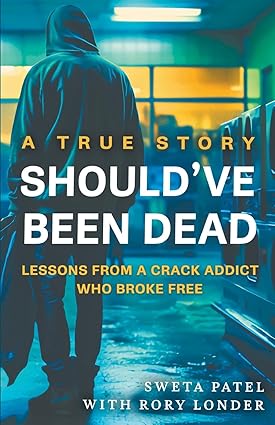

Should’ve Been Dead is a gripping memoir that dives into the tumultuous life of a former crack addict who miraculously transformed his life from the depths of addiction to become a successful businessman. Written by Sweta Patel, with Londer’s candid input, the book chronicles Rory Londer’s journey from the streets to owning a million-dollar home improvement business, all while battling his demons and coming to terms with his past.
I enjoyed this book because I found the narrative to be raw, unapologetic, and often heart-wrenching. The book offers readers a visceral glimpse into the struggles of addiction and the relentless pursuit of redemption. It doesn’t shy away from the grim realities of addiction. Early chapters like “Moment of Crisis” and “Stuck Like Chuck” vividly depict Rory’s desperation, from robbing a gas station to surviving the terror of crack houses. These scenes are not easy to digest, but they are necessary to see what life was really like for him.
The writing pulls you into Rory’s world, where paranoia and fear are constant companions. The book also highlights Rory’s painstaking recovery. In chapters such as “Fork in the Road” and “Keep Your Side of the Street Clean,” readers see him gradually rebuild his life. These sections are marked by small victories that slowly add up. The writing here becomes more reflective and offers a glimpse into Rory’s internal transformation. He’s not merely quitting drugs he is reshaping his entire existence. The emotional depth in these parts is profound and leaves a lasting impression.
What sets this memoir apart for me is its dual perspective. Patel, a teacher who invited Rory to speak to her students, doesn’t just observe his journey, she shares how it affected her life. This intertwining of narratives adds a unique layer to the book. It becomes more than Rory’s story and becomes a testament to the ripple effect one person’s life can have on others. Patel’s reflections add depth and makes the memoir more relatable and engaging.
Should’ve Been Dead is a story of resilience, transformation, and hope. Rory Londer’s journey is heartbreaking and uplifting and is a powerful reminder that change is possible no matter how deep one has fallen. This book will resonate with anyone seeking inspiration or understanding of the human capacity for redemption.
Pages: 232 | ASIN : B0CVG46NL9
Pioneers of Leisure
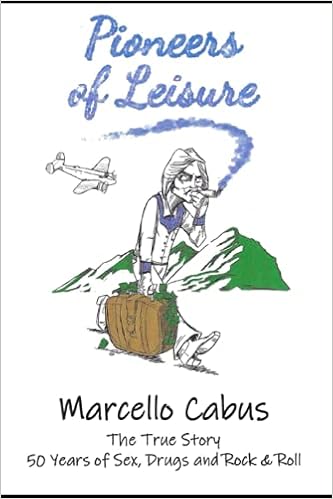
Experience the wild and unforgettable journey of Marcello, a young boy who started polishing shoes and ended up building a drug empire in Denver. In the memoir Pioneers of Leisure, Marcello Cabus and Nicholas Werle take you on a trip down memory lane, back to the 1960s and the revolution of culture. With honesty and vividness, Marcello’s life story unfolds. From his initial exposure to marijuana to becoming a well-known drug dealer, he achieved tremendous success in everything he reached for. However, his life was not without its downfalls and struggles. The authors delve into his battle with addiction and the toll it took on his life and the people he loved.
Pioneers of Leisure is not just a tale of drugs and addiction but of adventure and traveling. Marcello also shares his love for skiing, being a DJ in Boulder, and opening a boutique that made clothes for the music industry’s big names. As you read on, you will be immersed in his experiences attending and hosting parties for legendary musicians like Rolling Stones, Cheech and Chong, Jimi Hendrix, Bob Dylan, and many more. Readers are taken on the thrilling and adrenaline-pumping journey as Marcello travels through Europe, selling LSD while living life to the fullest. We also get an inside look as Marcello learns the art of smuggling in Kashmir while risking his life. But amidst all of this, Marcello’s desire to alleviate world hunger led him to create and patent a dehydrator, a well-intentioned project that took up over 10 years of his life. Unfortunately, despite his efforts, Marcello was slandered and wrongly accused, leading to a court-ordered rehab program, which was considered the toughest in the country.
Marcello’s story is one of immense strength, love, and adventure, peppered with failures and tragedies. It’s a breathtaking read that will leave you feeling inspired. Pioneers of Leisure is an endless adventure that explores the metamorphosis of hipsters to hippies, with Marcello’s story being an integral part of that cultural shift. Whether you’re a fan of memoirs or not, this book is a must-read that will take you on an unforgettable ride.
Pages: 296 | ASIN : B096BJ146M
I Was Dying…Then I Changed My Mind
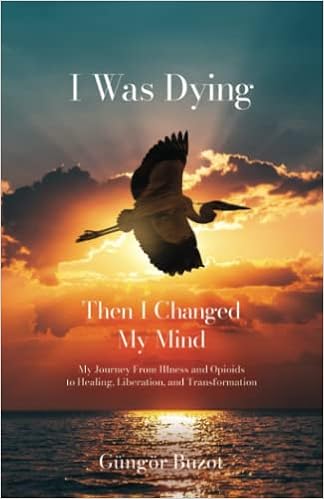
Güngör Buzot is a woman from Turkey who takes exceptional pride in her appearance with perfectly manicured nails, neatly combed hair, and an exceptional sense of style. She exudes love for her children and her husband. She showcases an empathetic heart to friends and strangers alike. She, however, has been riddled with pain for 61 years. The first illness presented itself when she was only 6 -months old. During the 61 years, she underwent 20 surgeries and was prescribed countless medications. She traveled between 5 countries in search of a cure. Ultimately, she was in so much pain that she begged her family to end her life.
I Was Dying, Then I Changed My Mind, by Güngör Buzot, is an exceptional story of a woman who has lived in pain for 61 years but undertook a difficult journey to release herself from the pain. Buzot, aged 69, provides an incredible insight into her journey of chronic illness. Her book reminds you of journal entries, which lean into the authenticity and transparency of her story. The book immediately captures your attention when Güngör decides that euthanasia is the only remedy to end her suffering. Güngör takes you back to Turkey in 1953 and takes you along her life journey, where every moment of joy was overshadowed by her pain. The reader spends the entirety of the book rooting for her healing.
I Was Dying, Then I Changed My Mind, by Güngör Buzot is a great read for those who are open-minded, as they will thoroughly enjoy this book about the power of self-healing and alternative medicine. Buzot’s journal-style writing makes this book easy to read. It is not peppered with medical terms that are difficult to understand. I highly recommend this book to everyone on a journey of healing the mind, body, and soul.
Pages: 132 | ASIN : B0BNP5WH7D



 LITERARY TITAN