Blog Archives
An Ocean Life


T.R. Cotwell’s An Ocean Life is a character-driven novel chronicling the emotional and physical journey of Mark, a stressed-out tech entrepreneur, as he attempts to unwind with his family during a long-awaited trip to Maui. The story moves fluidly between vivid underwater exploration, tense family dynamics, and quiet introspection. While Mark tries to reconnect with his wife Cecilia and their daughters, old habits and personal ambitions resurface, threatening the fragile balance he’s trying to hold onto. At its heart, the book is about reckoning with aging, love, guilt, memory, and the pull of the ocean.
What I liked most about Cotwell’s writing was its intimacy. The prose is sharp but unpretentious, and there’s a warmth in the way he describes both the mundane and the majestic. The dialogue felt natural and unfiltered. Scenes like the failed dinner reservation or the late-night beach encounter made me cringe and laugh at the same time. I felt for Mark, even when he was being a bit stubborn. Cotwell doesn’t paint his protagonist as a hero, and that’s what makes him believable. The underwater scenes are particularly special. There’s a kind of reverence in the way Cotwell writes about the sea. It’s calm, awe-filled, and precise.
Some sections about startup life or diving gear got a bit long. I appreciated the detail, but occasionally it slowed the momentum. I enjoyed Mark’s inner monologue, and I wished Cecilia’s voice came through more. She’s clearly grappling with a lot. Still, their tension is what kept me hooked. They’re two people still in love, trying to remember how to show it, trying to find each other again in the chaos of family, work, and life.
An Ocean Life is tender and thoughtful. It’s for people who have ever felt torn between what they want and what they’ve promised. I’d recommend this book to anyone who enjoys quiet stories with emotional depth, especially readers who have weathered a few storms of their own.
Pages: 347 | ASIN : B0D2L2SBBL

Connections Make the World Go Round

Before We Arrived follows three people, each marked by loss, resilience, and quiet strength, who seek refuge at a goat sanctuary; they find not only healing but also a found family. What was the inspiration for the setup of your story?
First I’d like to thank Literary Titan for the interview. I absolutely loved writing this novel and am thrilled it’s resonating with people on a deep level.
The idea for the rescue sanctuary came easily. I adore animals and the notion that they have the power to aid in the healing process for humans. ‘Herd’ species—goats, donkeys, horses, and alpacas—were chosen because they need each other as well as their human caretakers. It was also a way to inject a bit of fun into the mix with their shenanigans. I was keen to have the work volunteers live on-site, enjoying shared meals and private sleeping spaces. I’ve had personal experience with various forms of communal living and it made sense to incorporate that. I wanted King Solomon Sanctuary to serve as an interactive setting that chunks of the story arcs could pivot around. The workers have the option to come and go as they please during off-hours but most choose to stay in close proximity to one another and the animals—it’s their own special tight-knit community of second chances.
Henry, Rivka, and Jayce all come to the sanctuary for different reasons, holding onto trauma that has kept them closed off until now. What was the inspiration for the relationship that develops between the characters?
Connections make the world go round. In Before We Arrived we witness the interactions within each of the biological families, as well as between the narrators and secondary characters as new friendships are forged and old ties change shape. All three families have struggled through adversity, and we learn the details of their backstories as the chapters progress. The world can be harsh and cold, relationships complicated and messy. What are the multitude of elements that guide our path and our decisions? Can we build a meaningful life after experiencing tragedy? How do we best care for ourselves and each other? These are the kinds of questions that motivate me to create stories.
What were some themes that were important for you to explore in this book?
I’ll preface this answer by noting that I did not set out to write a book specifically about grief and resilience; that just happened organically as the outcome of each character’s story and their relationships with one another.
The novel explores questions about race/culture/identity, the short and long-term effects of personal and generational trauma, family dynamics, and issues around marginalization. I’ve also had a perennial fascination with ancestral memories, so that was layered in, along with the underlying truths about the universality of suffering and the value of connection and empathy. Naturally some of these themes overlap.
What is the next book that you are working on, and when can your fans expect it to be out?
Before We Arrived was recently released and I’m not quite ready to think about beginning a new project. Writing does energize me so another novel is within the realm of possibilities.
Author Links: GoodReads | Website
In the summer of 2005, three dissimilar people—Henry, a grieving Black landscaper; Rivka, a restless Jewish social worker; and Jayce, a guarded Indigenous archaeologist—find their lives colliding in quiet, powerful ways.
From New England to Vietnam, this lyrical novel traces their search for peace, meaning, and joy amid the rubble of personal and ancestral trauma. Lush, moving, and deeply human, Before We Arrived is a celebration of resilience, found family, and love in its many forms.
Before We Arrived is a soulful, literary journey through grief, healing, and unexpected connections. Fans of James McBride and Lily King will feel right at home.
Before We Arrived
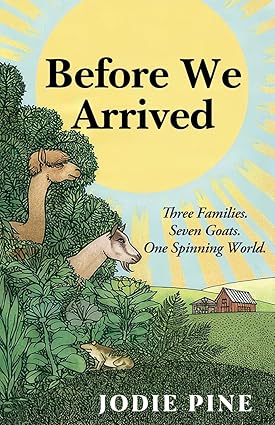

Jodie Pine’s Before We Arrived spins a beautiful tapestry of interconnected lives across time, grief, and healing. Told through alternating chapters set between 1975 and 2005, the story traces three families—each marked by loss, resilience, and quiet strength—as they find each other through fate and a shared sanctuary. A former archaeologist, a social worker, and a man recovering from injury and trauma become unlikely kin under the roof of a goat sanctuary, of all places. But it’s more than goats. It’s about second chances, and third. It’s about holding sorrow in one hand and still reaching out with the other.
As a widow, I didn’t expect this book to hit me like it did. From the very first chapter with Henry and his mangled hand, I felt my heart slide into that familiar hollow space. The line—“trying so hard to keep things light”—caught in my throat. That’s exactly what it’s like when you’re walking around with your grief zipped up under your coat. Henry’s story reminded me how healing doesn’t look like a movie montage. It’s awkward, reluctant, even a little muddy. His growth is slow but steady, like learning how to breathe again after forgetting for a while.
Then there’s Rivka. Oh, Rivka. I adored her. The way she stepped into Nina King’s quiet, grief-soaked apartment, dripping wet and uninvited, but still offering help with a kind firmness—it was deeply moving. Her voice felt familiar to me, like someone I would’ve met. Her compassion for baby David, and her refusal to flinch in the face of Nina’s silence or mistrust, showed the kind of stubborn kindness I’ve come to cherish in my own life. The moment when Nina finally lets her hold the baby? That nearly did me in.
Jayce’s chapters, especially the funeral scene and the pact he makes with his mother, stirred something in me. We can’t disappear with our dead. I loved how his archaeology background tied into the theme of digging—literally and emotionally—for what’s been buried. His arc wasn’t flashy, but it was profound. Quiet endurance. I know it well.
What Jodie Pine does so beautifully is show how people can be shattered and still be whole. There are no villains here, just folks doing their best with their pain. The prose is warm and alive, sometimes messy, just like real conversation. I chuckled more than once—especially during Henry’s first day with the goats—and found unexpected joy in the ordinary moments: Rivka eating Fig Newtons at her desk, David fixing a bike, a fox sculpture on a table. These small details made the world feel lived-in, like someone left the light on for you.
This book is for anyone who’s ever been broken open and needed help stitching themselves back together. It’s for people who are lonely but not hopeless. For readers who don’t mind stories that move like real life—with detours, overlaps, long silences, and sudden beauty.
Pages: 395 | ASIN : B0FG3L2V5Q
The Last Ayer
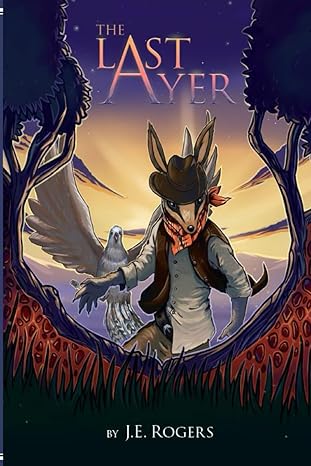

The Last Ayer by J.E. Rogers is a richly imagined, adventure-packed tale set in a fantastical version of Australia, where talking animals face ecological ruin and tyranny. The story follows Keera, a spirited young numbat with a mysterious past, as she uncovers her identity as the last of a sacred line known as the Ayers. Aided by a quirky band of animal allies, including the mimicking lyrebird Echo and the flamboyant bowerbird Griffin, Keera stands against Jago, a ruthless perentie lizard bent on domination. What begins as a story of survival quickly evolves into a narrative about nature, memory, and the courage to face your purpose.
The writing felt warm and whimsical, with a tone that dances between lighthearted banter and moments of quiet intensity. I really enjoyed how the characters spoke. There’s an earthiness to their voices, a kind of dusty charm that suits the world they inhabit. The dialogue, while sometimes leaning into a kind of theatrical rhythm, gave the book its pulse. Rogers has a knack for pacing and a keen sense for building small moments that echo large themes, like the cost of progress and the value of community.
What stood out to me was how energetic and fast-paced the storytelling felt. It moved with real momentum. The names, places, and lore were full of color and imagination, and the story never lingered too long in one place. Big moments and plot twists came quickly, which kept the tension high and the stakes clear. Keera is without a doubt the emotional center of the story, and I found myself wanting to know even more about what was going on beneath the surface. That curiosity speaks to how engaging she is as a character. There’s a deep sense of care in every scene, and it’s clear the author poured real heart into this world.
The Last Ayer is a heartfelt journey best suited for middle-grade readers or older kids with a love for animal tales, fantasy worlds, and environmental themes. It’s a great fit for readers who liked Redwall or Watership Down, but want something a little more modern, a little more playful. Rogers clearly loves these creatures and this world, and that love comes through in every description of a gum tree, every rustle of the outback wind. I’d happily recommend this to families, classrooms, or anyone looking for a story that blends fun and meaning with just enough danger to keep you turning the page.
Pages: 202 | ASIN : B0F5C4XFLJ
Pontus and Electra to the Depths of the Sea
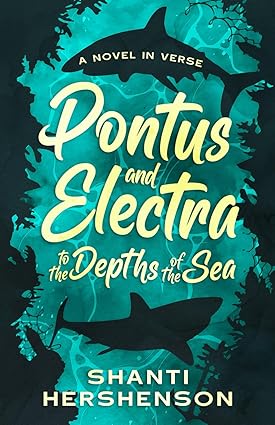
In Pontus and Electra: To the Depths of the Sea, Shanti Hershenson weaves a lyrical, aching tale of two lonely great white sharks—Pontus and Electra—who find purpose and connection in each other. Told in a poetic, vignette-like structure, the book alternates perspectives, blending environmental commentary with raw emotion and surprising tenderness. Against the backdrop of warming oceans, human threats, and grief, Pontus and Electra navigate fear, loss, companionship, and ultimately love, diving deeper into the sea and each other.
I didn’t expect to get emotional reading about sharks, but here I am, completely gutted and grateful. Hershenson writes with a dreamy style that’s both tender and brutal. Lines float like seafoam and then crash like waves. I loved the way she captures the loneliness of the ocean, of being “one-of-a-kind,” of searching the blue void for someone who understands. And when Pontus meets Electra? I held my breath. Their relationship builds slowly, clumsily, beautifully. It’s not just a romance, it’s survival, forgiveness, and healing.
There’s no traditional plot arc, and the prose leans on repetition and abstraction. But for me, it worked. It made the ocean feel mythic, the sharks feel ancient and sentient. The environmental message about pollution, overfishing, oil spills, and the cruelty of finning hits hard, but it never feels preachy. It’s heartbreaking because it’s told through creatures just trying to live. The parts about Electra losing her mother were absolutely wrenching.
Pontus and Electra is a love story, yes, but also a quiet plea to look deeper, to care more, to recognize the wild hearts beneath the waves. I’d recommend this book to readers who enjoy poetic storytelling, character-driven narratives, or marine life in fiction. Teens and adults alike could connect with it. It’s especially perfect for fans of lyrical prose and gentle speculative stories.
Pages: 139 | ASIN : B0F6VX7GDB

A Wee Problem

Katerina Langley’s A Wee Problem is a deeply emotional and gripping story told from the perspective of a young livestock guardian dog named Wee. The book follows Wee and her family as they struggle to survive on a neglected farm, navigating threats from humans and predators alike. As their small world collapses, the story blossoms into a powerful tale of resilience, sacrifice, and growth. It’s part coming-of-age, part survival saga—told with heart, teeth, and muddy paws.
What got me right away was how alive the writing felt. The opening chapter throws us into the harsh reality of Wee’s life. The author captures emotions—fear, hunger, loyalty—with raw, physical language. It’s not poetic. It’s not polished. It’s real. And that makes it powerful. Langley doesn’t just want you to read about these dogs—she wants you to feel the dirt in their fur and the ache in their bellies.
Then there’s the emotional weight of the relationships. Wee and her brother Fur bicker and play, but they rely on each other in a world that’s turned cruel. Their mother is a complex figure—loving, strong, but breaking under the weight of loss and danger. That moment when she sends Wee and Fur running while she stays to face the coyote was gut-wrenching. I had to stop reading for a second. And when she returns, bloodied and barely alive, it doesn’t feel like a victory. It feels like the cost of love. Langley’s writing in these scenes is at its best: urgent, heartbreaking, stripped bare.
There’s also a slow burn of hope beneath all the struggle. Wee’s growth from a frightened pup to a determined survivor is subtle but moving. Her decisions get braver. Her thoughts get sharper. This book makes you care. You don’t just want these characters to survive. You want them to be okay. And that’s what sticks with you.
I’d recommend A Wee Problem to anyone who loves stories about animals, survival, or family. Especially readers who can handle the raw stuff—the loss, the violence, the quiet despair. This isn’t a fluffy farm tale. It’s tough. It’s tense. But it’s also full of heart. Langley has written something that feels lived in and loved. It’s not just a story about dogs. It’s a story about fighting to hold onto what matters when the world stops caring.
Pages: 413 | ASIN : B0DS52P491
Archie Bunker, Fred Flinstone, and Mr. Magoo

Alone at Home follows an elderly man’s solo escapades and everyday misadventures while his wife is away, leaving him with just her cat for company. What was the inspiration for the setup of your story?
I wanted to write another story outside of my mystery/adventure series. Being a fan of Home Alone, I thought a senior citizen version would be interesting, especially if I could craft a character who was a blend of Archie Bunker, Fred Flinstone and bumbling Mr. Magoo. I love cats and decided to center a relationship around conflict with the cat, the nerighboe’s 8-year-old grandson and a couple of well-meaning, but intrusive neighbors. It’s a hilarious romp in the beginning of the book, leading up to Christmas Eve when it turns serious.
What were some themes that were important for you to explore in this book?
Relationships and a haunting memory that contributed to the main character’s grumpiness. The actual twist takes place on Christmas Eve when it changes to a story of redemption.
This is a fun and entertaining novel. Did you have fun writing it?
This was an enjoyable book to write as I drew on real life, humorous experiences from friends and relatives as well as my own clumsiness. My own interactions with my grandsons made their way into the book.
What is the next book that you are working on, and when will it be available?
Breakwater Bay will be out this spring. It’s a mystery/adventure primarily set in The Congo. Filled with peril, our protagonist, an investigative reporter, finds himself teamed up with an ex-Navy SEAL and a slippery-tongued British reporter as they fight disaster at every turn while trying to investigate a dark secret.
Author Links: Facebook | Website | Book Review
His days are filled with hilarious mishaps, from a battle of wits with a cheeky seagull to the relentless interruptions by neighbors. George’s quest for peace is perpetually sabotaged by the precocious grandson of the lady next door among other uproarious incidents.
“Alone At Home” is a heartwarming story of redemption. As George grapples with a haunting memory, he embarks on a journey of self-discovery. It’s a Christmas classic in the making, peppered with wit, the resilience of the human spirit, and the transformative power of forgiveness.
Alone At Home

Bob Adamov’s Alone at Home is a delightful and heartwarming story that combines humor, nostalgia, and everyday misadventures into a tale of an elderly man’s solo escapades while his wife is away. Set in the charming, oak-lined streets of Southport, North Carolina, the book captures the small-town spirit and a protagonist’s stubborn yet endearing quest for independence. George Ivers, the crotchety octogenarian left to his own devices, inadvertently stumbles through a series of hilarious situations that highlight his aversion to change and his begrudging love for his wife’s cat, Snookums.
One thing I loved about this book is its sheer ability to make me laugh out loud. The scene where George inflates an old pool, only to lose a battle of wits against a smug seagull, had me grinning from ear to ear. It’s so relatable; we’ve all had those moments where something as simple as a bird or broken chair becomes an unexpected foe. The physical comedy in these scenes is top-notch, and Adamov’s writing really brings it to life. George’s antics with his mischievous neighbor’s grandson, Hudson, further add to the humor, especially the “brain freeze” ice cream race. These moments felt both absurd and believable—a testament to Adamov’s skillful depiction of everyday chaos.
The writing captures not only humor but also a sense of melancholy. Beneath George’s gruff demeanor lies a man grappling with aging and longing for his past vitality. It’s these tender moments that make George more than just a comical old man; they make him deeply human. Adamov’s choice to weave humor with vulnerability is brilliant, making the story much richer. It’s impossible not to sympathize with George, even when he’s scheming against the cat or his noisy neighbors.
I’d recommend Alone at Home to anyone who loves character-driven, slice-of-life stories filled with humor and heart. It’s a light, enjoyable read that reminds us to find laughter in life’s absurdities and appreciate the quirks of those we hold dear. For anyone who’s ever dealt with an unruly pet or meddlesome neighbor, this book is a must-read.
Pages: 124 | ASIN : B0DP1GQY47


