Blog Archives
Awe and Tenderness

Who Are We, Really? follows three inseparable tadpole friends who go on an adventure to figure out who they are meant to be and learn an important lesson in the process. What was the inspiration for your story?
As a mother, watching my little one grow, explore, and dream inspired me to write this story. One moment in particular sparked the idea for this book. I was walking with my son along a trail here in New England when we came upon a small pond filled with tadpoles. My son immediately scooped up a few into his hands. His eyes opened wide with wonder. It was the first time he had ever held tadpoles, and watching him study them so carefully, with such awe and tenderness, was pure magic. I knew then that I wanted to capture a part of that beautiful moment — to preserve the innocence, curiosity, and joy that childhood brings.
What were some educational aspects that were important for you to include in this children’s book?
One important educational aspect I wanted to explore in this story is self-discovery. While we all grow and change, who we are goes far beyond our appearance. It is our actions, choices, and character that truly define us. Another educational aspect that I also wanted to explore is creative thinking. Children learn through play, exploration, and imagination. Imaginative play is a vital part of childhood, helping them grow, make sense of the world around them, and discover more about themselves. In Who Are We, Really, the tadpoles imagine themselves as sharks, turtles, and dragonflies. This encourages children to play with different possibilities and outcomes and explore different perspectives.
What scene in the book did you have the most fun writing?
The scene where the three friends discover they have become frogs. Joey, the most stubborn and spirited of the trio, continues to believe they are dragonflies, even though his reflection in the water reveals the truth. In that moment, I wanted to capture a simple yet powerful idea — that who we are comes from within. It isn’t our appearance that defines us, but our feelings, our choices, actions, and the kindness we carry inside.
What story are you currently in the middle of writing?
I am currently illustrating my fourth book, and I started writing my fifth. It tells the story of a bear cub trying to make friends in a forest where all the animals fear him. At its heart, it is a gentle reminder about kindness, acceptance, and seeing beyond appearances.
Author Links: GoodReads | Facebook | Website | Instagram | Amazon
Who Are We, Really? is a heartwarming adventure with three tiny tadpoles―Polly, Molly, and Joey―on a BIG quest to figure out what (or who) they’re meant to be. Sharks? Turtles? Dragonflies? The sky’s the limit when you’ve got imagination!
Along the way, they meet wise creatures, swap wild ideas, and stumble onto a truth bigger than any dream: the best thing you can be….is yourself.
With vibrant, handmade watercolor collages and a story packed with heart, humor, and the power of believing in yourself, Who Are We, Really? is perfect for little dreamers ages 0–7—and anyone who’s ever dared to wonder who they might become.
Bunny and Fawn: The Midnight Creature Mystery
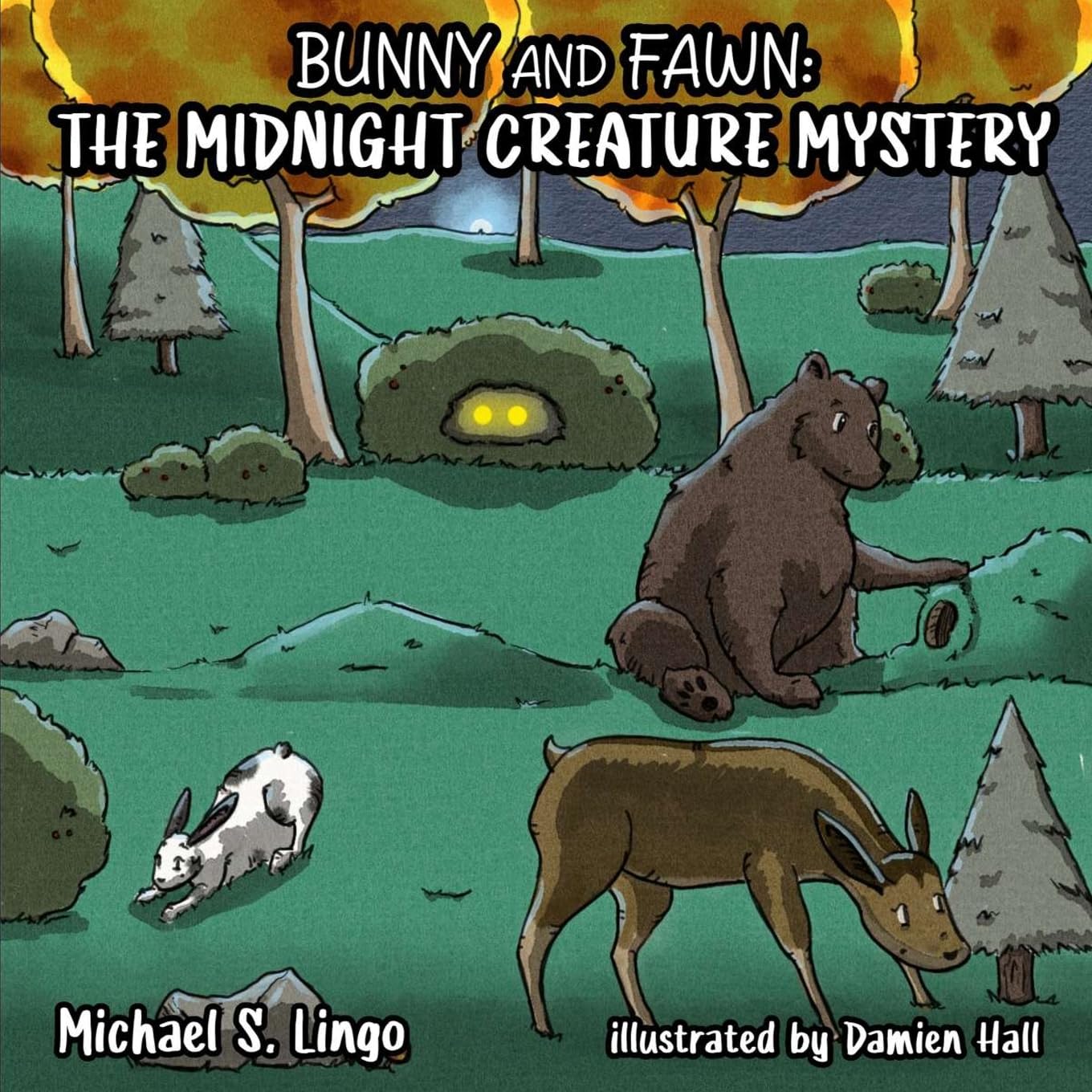

Bunny and Fawn: The Midnight Creature Mystery by Michael Lingo is a delightful and heartwarming children’s story brimming with curiosity, courage, and gentle humor. The tale introduces readers to Bunny and Fawn, who, after a devastating event, must leave the comfort of their cozy hollow log and begin anew in a different corner of the forest, accompanied by their steadfast friend, Bear.
Life in their new woodland home seems peaceful until one night, a strange noise breaks the quiet. Fear ripples through the trio, yet Bunny’s curiosity outweighs her fright. Determined to uncover the truth, she ventures out the next day in search of the mysterious creature. Along the way, they meet Truffles, a timid pig equally frightened by Bunny, Fawn, and Bear. What begins in fear soon turns into friendship, and the four spend a joyful afternoon swimming and laughing together.
Lingo crafts a story that feels alive, almost cinematic, each scene unfolding with the charm of an animated short. The illustrations, lush and nature-centered, bring a soothing tranquility to the pages and perfectly match the tone of the narrative. Bunny’s fear of the unknown is deeply relatable; many children will recognize themselves in her cautious curiosity. Moving to a new place can feel daunting: new faces, unfamiliar sounds, strange shadows. Yet, through Bunny’s journey, young readers learn that the things that seem frightening in the dark often lose their power in the light of day.
Equally touching is the friendship between Bunny, Fawn, and Bear, a reminder that change feels easier when you’re not facing it alone. Bunny and Fawn: The Midnight Creature Mystery is more than a bedtime story; it’s a gentle lesson in bravery, empathy, and the comfort of companionship. Lingo’s work captures the magic of childhood wonder while reassuring readers that fear can give way to friendship, and that even in unfamiliar places, warmth and kindness can be found.
Pages: 42 | ASIN : B0FNQGCMPW

A Father’s Presence
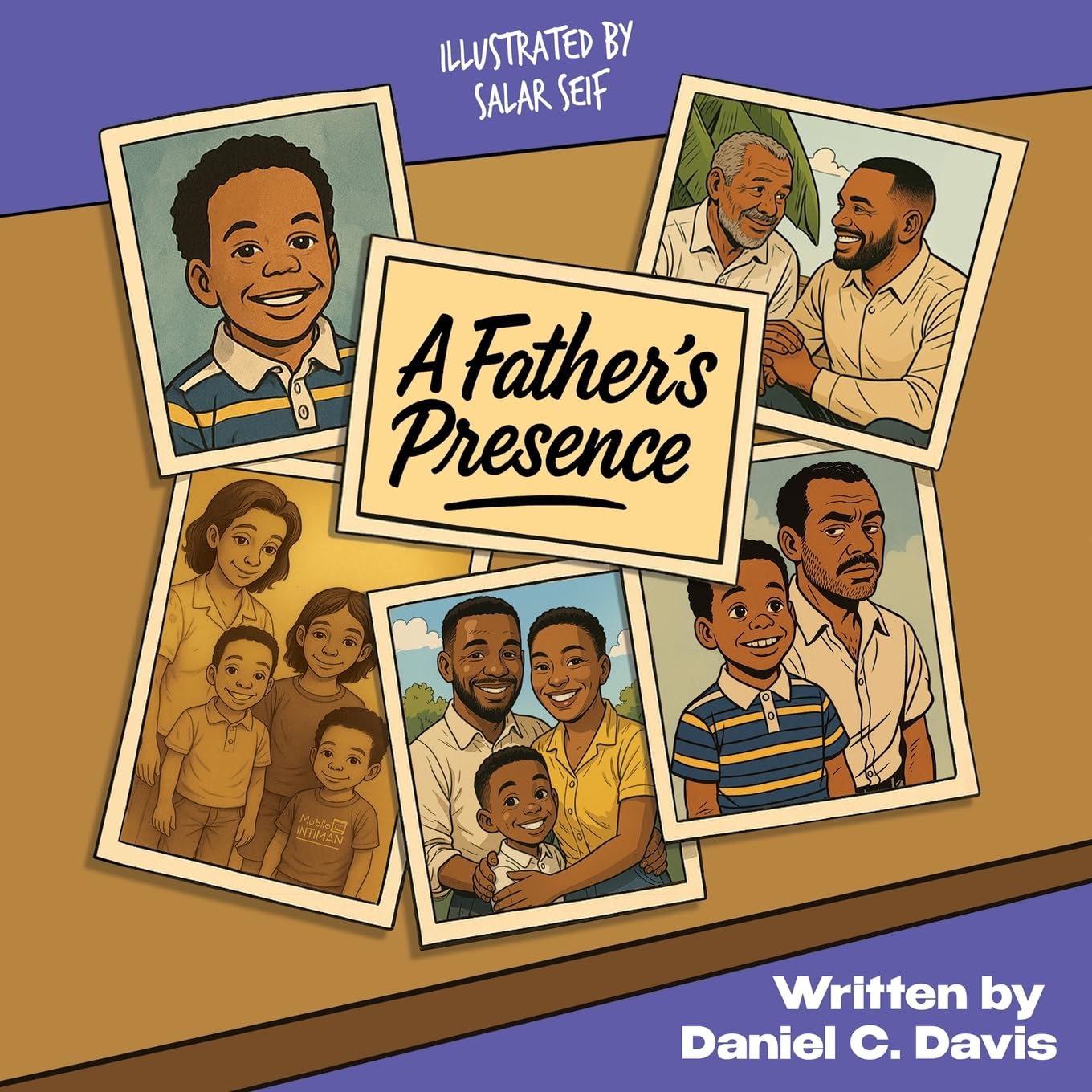
A Father’s Presence tells the story of Curtis and his father, tracing the ripples of absence that echo through generations of men learning what it truly means to “be there.” It begins with a boy whose father, though physically present, feels distant, carrying the quiet ache of growing up without his own dad. Through small, tender moments and the wisdom of mentors like a patient coach, Curtis learns how listening and empathy can heal old wounds. The story blooms into a celebration of connection, showing how one family breaks free from the heavy weight of inherited silence to build something whole and loving.
Reading this children’s book stirred something deep in me. The writing feels honest and simple, yet it cuts right to the heart. Each page carries warmth and quiet power through its words and its illustrations. The author doesn’t hide behind fancy words or big speeches. Instead, he shows us the small gestures like a pat on the head, an empty chair, a son’s whispered promise, that build and break a life. The pacing is gentle, but the emotions sneak up on you. By the end, I wasn’t just reading about Curtis and his father. I was thinking about my own family, about the times I could have listened more or spoken less. There’s something raw and comforting about that.
I loved how the book balances pain and hope. The illustrations by Salar Seif add another layer of heart, soft and sincere, helping the story feel alive. The scene where Curtis and his dad finally spoke, not as man and boy, but as two souls trying to understand each other, that scene hit me hardest. It reminded me that presence isn’t about showing up, it’s about seeing, hearing, and feeling with someone.
I’d recommend A Father’s Presence to anyone who’s ever wished for a deeper connection with their parents, their children, or themselves. It’s a picture book for fathers trying to unlearn the quiet, for sons who crave more than words, and for anyone brave enough to break old cycles. This children’s book doesn’t just tell a story. It gives you a reason to sit down, listen, and start again.
Pages: 20 | ASIN : B0FRQ28YTJ
Everyone Has Something To Offer

No Books For Benjamin? introduces young readers to a lovable little worm who lives and works at the Library of Congress and finds himself heartbroken when a mysterious illness forces libraries across the country to close. Where did the idea for this story come from?
I originally did not plan a sequel to Books For Benjamin. However, in visiting schools and talking to kids, many asked if there would be another Benjamin book, as they liked the character. The idea for this second book came during the pandemic, when so many libraries had to close their doors. I remember feeling how strange and sad it was not to have that space open, and I thought about what it would mean for someone who lived and breathed books every day. The book is my nod to librarians who personally witnessed as a teacher come up with creative ways to get real books into the hands of children. They are the real-life heroes! I thought it would be fun to have Benjamin and friends take on this role.
Do you have a favorite scene in this book? One that was especially fun to write?
It’s actually not one scene, but starts with Ginger, the ant, offering to help deliver books by flexing her muscles and declaring how strong ants are. This is followed by scenes of Whizby, the dragonfly delivering books by air, as dragonflies are super-fast fliers, and Dotty, the ladybug, contributing by landing up and down on a spray disinfectant can. I imagined writing funny scenes where there are a few hiccups with this (For example, the ant group falls like dominoes when one ant ignores “halt” because he is reading a book, one dragonfly accidentally drops his parachute of books on a dog’s head). But ultimately, the plan works. The message I hoped to impart to kids is that everyone has something to offer, no matter how small.
The artwork in your book is wonderful. Can you share with us a little about your collaboration with illustrator Uliana Barabash?
Uliana was incredible to work with. From the very beginning, she just got Benjamin—his warmth, his curiosity, and that spark of determination. We talked through ideas, but honestly, she always surprised me with details that made the illustrations feel alive. Seeing her bring Benjamin’s world to life was one of the most rewarding parts of this whole process. I just get a big smile every time I look at this purple worm she illustrated with his crazy hair and funny expressions. Kids have often thanked me for writing a story about a not-so-often-loved character, but I really know it is Uliana’s magical illustration and choice to make him purple that turned this character into a lovable one.
Can you give us a glimpse inside the next book in the Benjamin and Friends series?
Yes! In the next book, Benjamin ventures outside the library and starts to discover that stories aren’t only found in books—they’re in people, places, and even in the adventures we have. He meets some new friends who help him see the world in new ways. It’s really about friendship, resilience, and finding stories everywhere you look. I am also trying to imagine a story where Benjamin helps reluctant readers find the magic in books!
Author Links: GoodReads | X | Facebook | Website
Benjamin the worm loves his job at his favorite library – reading, organizing, and receiving letters from kids who share their favorite books. Yet, everything changes when a strange illness sweeps across the world. Schools close. Libraries shut their doors. And suddenly … no more books!
With the help of his clever and determined friends, Benjamin sets out on a mission to bring books back into children’s hands.
Because stories matter. And heroes come in all shapes … even squiggly ones.
Shogologo Babies

The story follows Auntie Miisher, who wakes up each morning with a sign that she will have a baby by dusk. Each day of the week brings a new child, and each baby is tied to the cultural significance of being born on a particular day. Their names, traits, and destinies reflect the traditions of West African day naming. The rhythm builds as we meet Kwesi, Ajua, Kobina, Ekuba, Aba, Kofi, Amba, and more, until Auntie Miisher finally decides she has had enough babies. Alongside the story are playful rhymes, interactive activities, and bright illustrations that capture both humor and heritage.
Reading this felt whimsical and rhythmic. I liked the way the repetition pulled me along, almost like a song, with each new baby bringing a fresh description and name. There’s something very charming about how each baby is tied to nature and elements like breezes, sunsets, waves, and trees. It felt magical and grounding at the same time. The writing has a sing-song quality that would work well when read aloud, especially to young children.
What really stood out to me was how the book weaves in culture without being heavy-handed. The idea of day names and their meanings is not only explained but also celebrated through the babies’ personalities. It’s educational without feeling like a lesson. The trilingual presentation (English, French, and Ga) adds another layer, making it both inclusive and rich.
This is a joyful, vibrant children’s book best suited for young children and families who enjoy storytelling traditions. It would be especially meaningful for readers with connections to West African culture, but honestly, any child could find delight in the rhyme and repetition. I’d recommend it to parents who like to read aloud with energy and to classrooms that want to celebrate diversity and language in an engaging way.
Pages: 100 | ISBN : B0FRYJV96C
Just the Way I Am: A Sam the School Bus Story
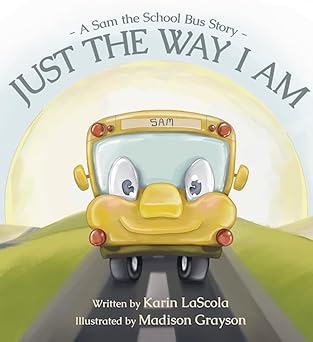
In Just the Way I Am, readers meet Sabrina, a brand-new school bus brimming with anticipation for her very first day on the job. Determined to win the children’s approval, she devises an ambitious plan, each day she will dress in a different theme. One morning, she’s a rockstar, the next a carpenter. By the end of the week, though, Sabrina discovers the truth: trying to reinvent herself daily is exhausting, and ultimately unnecessary. The children don’t admire her costumes, they cherish her for who she truly is.
Sabrina’s nerves mirror the feelings of countless children at the start of a school year. Will she fit in? Will she be liked? Even with her schedule memorized, uncertainty gnaws at her confidence. This gentle parallel captures the universal anxieties of children stepping into new environments.
The core of Sabrina’s journey lies in her belief that she must mold herself into what others expect. She polishes, prepares, and imagines every possible way to impress, only to realize that such efforts deepen her self-doubt. The book delivers a meaningful metaphor: striving too hard to conform often distances us from our authentic selves.
With the warm support of her friends Sam and Gupta, Sabrina learns that friendship does not demand perfection or performance. It blossoms when we are genuine. The message is timeless, reassuring children who may feel pressured to change just to be accepted.
Beyond its moral, the book layers in delightful educational touches. The days of the week appear in vibrant illustrations, while playful rhymes and colorful word art immerse young readers further. Orange for “carpenter,” shimmering blue for “jewel,” these choices create a multisensory experience that reinforces early learning. Parents and caregivers will find Sabrina’s story a natural springboard for conversations about friendship, nerves, and individuality.
Warm, uplifting, and filled with heart, Just the Way I Am resonates with both children and adults. It reminds us all that the truest friendships and deepest confidence emerge not from who we pretend to be, but from embracing who we already are. Whether shared at bedtime or read before the first day of school, Sabrina’s story offers comfort, courage, and joy.
Pages: 48 | ASIN : B0FKSKTRH1
Have Fun With Your Fandom


How to Celebrate Your Fandom is an interactive guidebook structured around 52 activities designed to help fans of any age dive deeper into their chosen fandoms, showing readers that you are never too old to find your passion. What was the inspiration for the original and fascinating idea at the center of the book?
NICHOLAS SEIDLER: We had an experience at a convention, in which we went to a panel on fanzines, and the presenters at the front of the room were talking about how difficult it is to make one. I was honestly totally disappointed in the panel, because doing a fanzine is as simple as writing down your thoughts on a piece of paper, making copies of it, and sharing it with others who are interested in the same topic. The point of entry should be so simple and available to everyone, but the fanzine editor presenters — in an attempt to make themselves a bit self-important – were giving bad advice to the audience. It actually demotivated the new and younger fans in attendance. After that panel, we had a conversation about how we needed to give fans better advice and encourage anyone to be a part of whatever fandom they are interested in!
STEVEN WARREN HILL: Together, we all became friends through our shared interest in several fandoms. We sought to express our enthusiasm for promoting “best practices” among fans by fostering positivity, encouragement, representation, and camaraderie, while rejecting the negative aspects of certain portions of fandom.
LIBBY SHEA: When I was brought into the project, the original idea for the title was “How to Be a SuperFan.” To me, that felt like we were setting a “higher level” of fan, which could very easily be used to separate and discourage those that may already feel excluded. All I could think of is 8-year-old me being told “Oh, you aren’t a superfan because you haven’t done everything in the book” and that set a negative tone for something that we all wanted to be very positive. So, we transitioned away from putting a label on fans to focusing on how to be more involved in what you enjoy. All of us (the authors) have become friends by being in the same fandom and celebrating what made our friendship as strong as it is, is the core of what inspired this book.
ROBERT WARNOCK: We’ve seen too much negativity in fandom over the years. We wanted to write something that was inclusive and non-judgmental, especially if someone was just starting out in their fandom.
What were some ideas that were important for you and the other writers to share in this book, and how did you come up with the activities you suggest?
ROBERT WARNOCK: It was important to keep the activities at the beginning fairly simple, so we didn’t intimidate new fans. We started thinking of activities in a brainstorming session at a convention.
LIBBY SHEA: Because this is a book aimed primarily at kids, teenagers, and those just entering into the fandom space, we really wanted it to be a guide of how to be an overall positive influence in fandom. So often you hear of fans taking it too far and forgetting that everyone they interact with are still people. The activities are there to give you a starting place. We originally came up with over 100 ideas, but wanted to focus on 52, so that you could do one a week for a year and allow yourself to deep dive into your fandom. They are in order from easiest to (our perceived) most difficult to complete. When coming up with our final list of ideas, we tried to keep in mind what it would actually look like for a younger child to complete them. We kept the ideas generic enough so that if you had limited money or resources, you could still have fun and feel like you’re a part of something.
STEVEN WARREN HILL: Coming up with the ideas was a lot of fun. Some of the ideas stemmed from odd things we did ourselves when younger. Once we had a long list of ideas, we grouped them in several different ways (such as by difficulty, and how much we liked each one) and also eliminated the ones that were too similar to others. As Libby said, we decided the final list should number 52, so they could be weekly goals, adding another functional facet to the book.
NICHOLAS SEIDLER: We also realized that fandom was a very broad topic – and we wanted to give advice that applies to them all. Whether someone is a bibliophile, a sci-fi fan, interested in gaming, likes to cheer for a sports team, enjoys horseback riding, music, or whatever, the advice in the book applies to their interests. We chose to select activities that everyone can do, regardless of ability, and they become more complex further into the book, as a person’s fandom and experience grows.
What are some tips you have for older generations that are just now learning to embrace the world of fandom and feel behind the curve from the younger generations, or even like a fraud for not being involved sooner?
LIBBY SHEA: It’s okay that you found your fandom when you did. It’s not about younger or older, and it’s not about how long you’ve been in the fandom. Everyone walks different paths to get to where they are. What matters is how you show up to engage today. Feel safe and confident in the knowledge that you are a fan now and that’s all that matters.
STEVEN WARREN HILL: I used to bristle somewhat at younger people joining the same fandom that I’ve been in for decades, for the usual flawed reasons, until I realized that without young people joining my fandom, the fandom would just keep aging until it died. We need to remember, first and foremost, that if someone says they are a fan of something, then they ARE, even if they enjoy it in a different way. Conversely, for older people who have privately been fans of something and are only just stepping into fandom, my number one tip is to treat all your fellow fans as equals, regardless of anything, especially their age or the extent of their knowledge.
ROBERT WARNOCK: It’s never too late to get started. Your involvement can be as immersive as you want it to be. Be observant early on in your involvement to get a lay of the land, so to speak.
NICHOLAS SEIDLER: Be your authentic self. If you love something, own it – most people will love you for it. It’s our interests and fandoms that make us interesting.
What is one thing that you hope readers take away from How to Celebrate Your Fandom?
LIBBY SHEA: Everyone has to start somewhere. When you finally get to the point of feeling fully immersed in your fandom, embrace others who are just starting out, pass this along to them, and join in their journeys.
ROBERT WARNOCK: That anyone can be involved in whatever fandom they choose, at whatever level they choose.
STEVEN WARREN HILL: That it’s okay to focus on positivity! Not just the positivity of your specific interest, but positivity among your fellow fans and across other fandoms.
NICHOLAS SEIDLER: And have fun. We interviewed over 30 fans from ages 5 to 101 years old (their interviews appear in the book) and that was the advice they each shared with us — have fun! I think that’s what our book is all about.
Author Links: GoodReads | X | Facebook | Website
Fandoms build friendships and communities through many engaging activities. With the help of this book, you can learn new ways to enjoy being a fan. Inside are numerous pathways that one can connect with others with similar pursuits! Whether it is through starting a collection, dressing in cosplay, writing a blog, or attending a convention, each of these brings happiness to those who participate.
This book also contains interviews with fans of all ages (5 to 101), who tell their stories and share how they participate in their hobbies. Celebrate your fandom and the things that you enjoy the most! Fun Things to Do! New Things to Learn! Cool Things to Try!
No Books For Benjamin?
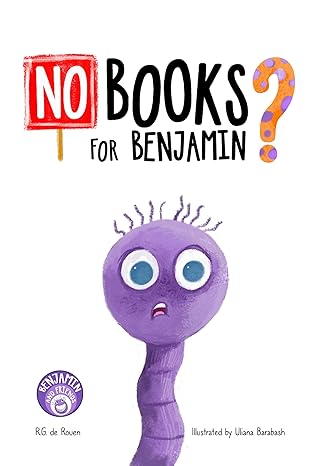
In No Books for Benjamin? by R.G. de Rouen, readers are introduced to an extraordinary little worm with an insatiable love for books. Benjamin isn’t your typical earth-dweller; he lives and works at none other than the Library of Congress, where he enjoys a daily feast of fresh stories and endless pages. Surrounded by the written word, his life couldn’t be more perfect, until a mysterious illness called The Purple Dots sweeps through the country, forcing libraries everywhere to close their doors indefinitely.
Suddenly, Benjamin is left heartbroken. No new books. No new stories. Just silence. Desperate to keep his passion alive, he consults Ms. Nicholas, the wise librarian, and together, with the help of both human and animal friends, they hatch a clever, collaborative plan. But what exactly is their idea? And will it be enough to bring books back into Benjamin’s life?
This delightful picture book is a heartfelt celebration of reading. Benjamin’s charm is undeniable, and children will instantly connect with his wide-eyed enthusiasm and boundless curiosity. He’s not only adorable, he’s inspiring. His determination to find a solution teaches young readers the value of teamwork and creative problem-solving.
What stands out most in de Rouen’s storytelling is his ability to deliver meaningful messages without ever being heavy-handed. The book playfully emphasizes the joy of collaboration and community, with Benjamin and his friends working together toward a common goal. Even the concept of “The Purple Dots” illness, while referencing a challenging event, is portrayed with humor and imagination that will spark giggles rather than fear.
De Rouen enriches the experience further by including a page of fascinating insect facts, tying the story to educational content in a seamless way. His website also features a treasure trove of engaging extras, printable bookmarks, coloring pages, and even a maze that extends the fun long after the last page is turned.
The illustrations by Uliana Barabash are a visual treat. Rendered in bold, full-page acrylic-style paintings, each image bursts with color and whimsy. Her attention to detail and affection for animals, plants, and nature shine through, adding depth and personality to every scene. It’s easy to get lost in the expressive characters and lush backgrounds she’s brought to life.
No Books for Benjamin? is a joyful, imaginative journey that celebrates books, friendship, and perseverance. Charming, educational, and beautifully illustrated, it’s a must-have for any child’s library.
ASIN : B0FQ3R91TG




 LITERARY TITAN