Blog Archives
How to Rewrite Our Lives
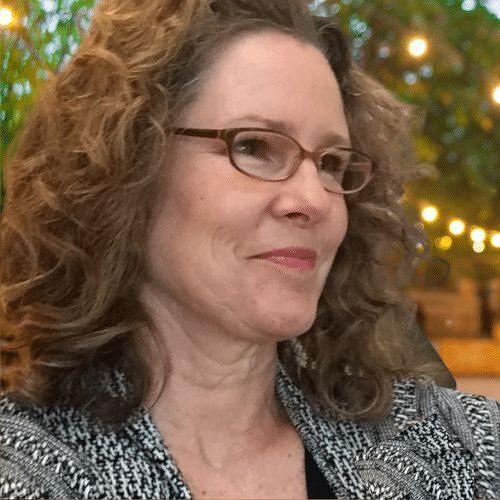
Willower: Rewriting Life After Unimaginable Loss is a heartfelt memoir that delves into the complexities of loss, grief, and resilience, sharing the emotional journey surrounding the tragic death of your son and the toll this unimaginable loss takes on you and the family. Why was this an important book for you to write?
Writing this book was something I needed to do to stay connected to Sam and keep his memory alive. And, writing was a necessary distraction for me, which I later learned. For hours at a time, while concentrating on writing how I was processing and reshaping my loss and grief I was finding some relief from it. I know it seems counterintuitive to write about loss and grief as a way of escaping it, but I came to realize that’s what I was doing. Day after day, year after year, trying to grasp reality, searching for answers and meaning—even if I had to construct my own, creating and crafting this book, then finishing and publishing it is what gave me a focus, a purpose, a reason to live.
What were some ideas that were important for you to share in this book?
One idea was that grieving the death of your child and relearning to live without them, is an unpredictable and lifelong readjustment process.
Another key idea I wanted to get across was that eventually, in time, you do learn to live with the weight of your loss.
But I think the most important idea I wanted to share was that as we migrate through our grief, all we can do is learn how to rewrite our lives and reimagine our stories, the ones we tell ourselves so that we can keep going. As Sam told me in my book’s last chapter: “Imagine the rest, Mommy. And remember, the letters are magic.”
What was the most challenging part of writing your memoir and what was the most rewarding?
The most challenging part of writing this memoir was learning how to write—and then how to write a memoir. After five years of work, I’d sent my “finished draft” to an editor who told me it was a good “first draft.” I was devastated, but learned so much from that experience. I kept at it, the rewriting. Like I said earlier, focusing on this book, on finishing it, is what gave me a purpose, a reason to live. Eleven years later, after taking writing classes, working with a writing coach, and hiring an editor again, my “finished draft” turned out to be my “final draft.”
The most rewarding part of writing this memoir was the magic I experienced while writing the dialogue with Sam. For anyone who’s grieving, I’d recommend—after enough time has passed, and you feel up to it—writing dialogue, a back-and-forth, with your deceased loved one.
What do you hope is one thing readers take away from your story?
After experiencing my story, I hope the reader feels more hopeful and less alone in their grief.
Author Links: GoodReads | Facebook | Website | Amazon
On April 30, 2007, Deanna Kassenoff experienced a parent’s worst nightmare when her nine-year-old son, Sam, collapsed on the playground at school and died from sudden cardiac arrest. Drowning in grief, considering ways to end her own life, Deanna was faced with a choice: give up or rewrite her story, one with a different ending.
A Finalist in the 18th Annual National Indie Excellence® Awards, Willower is a book about using the power of story and imagination to survive the unimaginable. It is the story of a bereaved mother’s urgent quest to find a way to stay connected with her beautiful boy.
Deanna Kassenoff’s memoir takes us into an unfathomable world of the most profound and permanently disorienting experiences: the sudden death of a child. Determined to find meaning in the details of her son’s life, Deanna shows us how it is sometimes our lunacy that pulls us through grief back to living again. Written with stunning honesty, intensity, and eloquence, Willower is an unforgettable and heartbreaking demonstration of the endurance it takes to grieve and the courage it takes to live. This thoughtful and lyrical narrative will change you and stay with you forever.
We use the words widow, widower, and orphan, but there is no word in our vocabulary that identifies the bereaved parent. So, Deanna coined the term willower®. From the words willow, a weeping tree that symbolizes deep mourning; and willpower, that creative source within that provides the superhuman strength and determination it takes to continue on—despite unimaginable loss.
Heal Holistically

UnTraumatized shares mental health techniques, spiritual principles, and your personal stories of God’s healing & recovery. Why was this an important book for you to write?
Sharing my experiences as a memoir helped me to process it and recover from the devastations of my past traumas. I also wanted to empower others as a Mental Health Counselor, how to heal holistically from crisis and trauma with hope and resilience.
Trauma can take various forms and impact each person differently. What ideas were important for you to share in this book so that it would be relatable to a wide audience?
Acknowledging a person’s pain and suffering to safe people and counselors and providing spiritual, professional, and personal knowledge for every reader to feel hope to heal.
What is one thing you hope readers take away from your book?
God is the ultimate healer of all pain, grief, and loss. He redeems us through His unconditional love, forgiveness, prayer, healing, and the support of family, friends, and counselors.
What is the next book that you are working on, and when will it be published?
My next book focus is likely going to be about living a resilient life through the wisdom of God.
Author Links: GoodReads | Amazon



 LITERARY TITAN