Blog Archives
The Empowerment Revolution
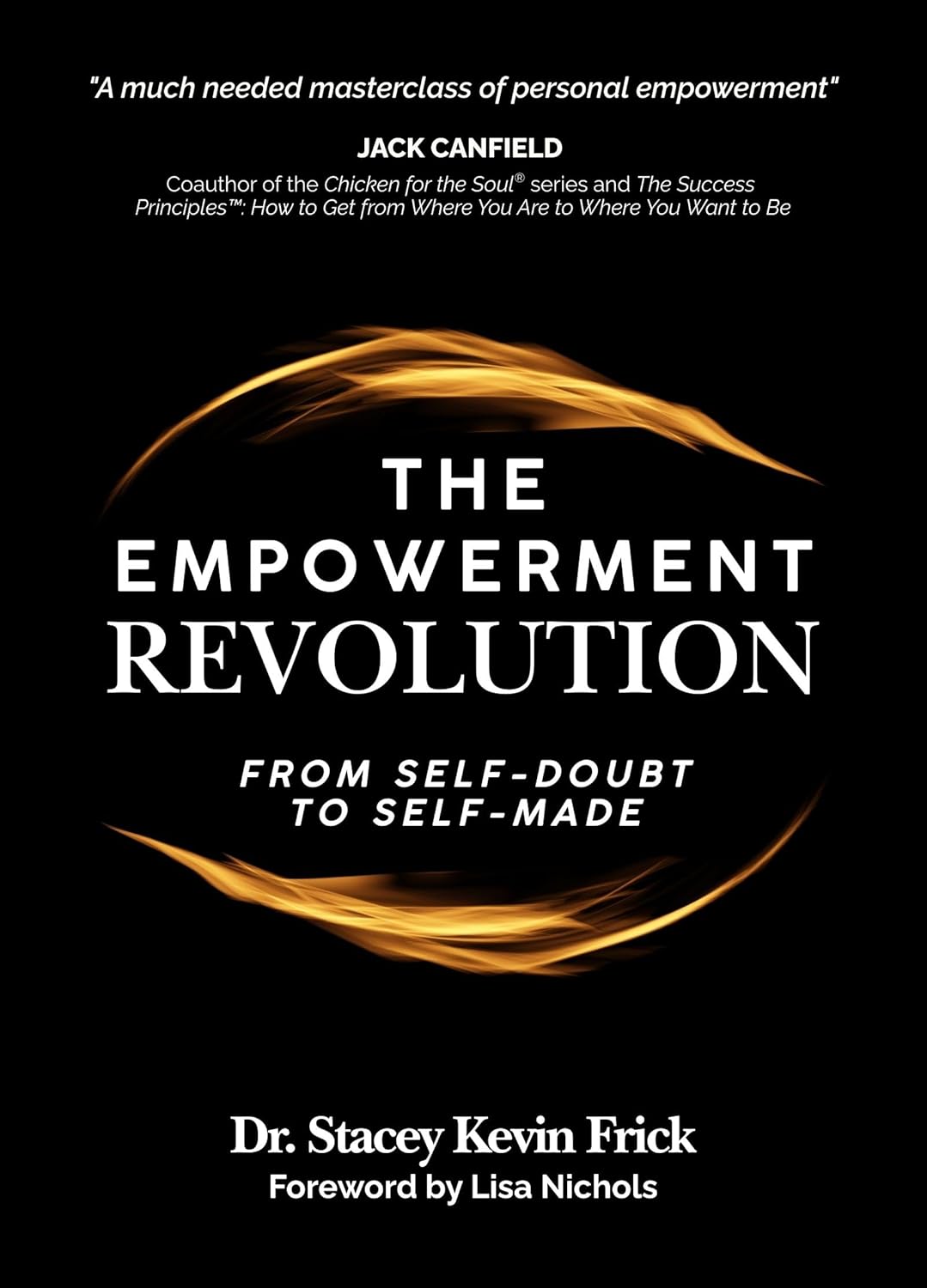

The Empowerment Revolution is a personal-development book that blends memoir, psychology, spirituality, and practical coaching into a clear roadmap for moving from fear and survival into confidence and self-authorship. Dr. Stacey Kevin Frick opens with his own early story of trauma and learned fear, then expands outward into ideas about subconscious programming, emotional survival states, energetic narratives, accountability, and redefining success on your own terms. The book reads like a mix of self-help and narrative psychology, anchored by the author’s belief that empowerment is both a mindset and a lifelong practice of reclaiming your personal agency.
As I moved through the book, I found myself reacting as if in conversation with someone who’s lived the work they’re teaching. Frick’s stories of childhood fear and misaligned beliefs aren’t told for shock value. They serve as the emotional doorway into his central point: most of us inherit limiting stories long before we know we’re allowed to question them. His description of being suffocated as a toddler by his father hit me hard, not because of the event itself, but because of how clearly he connects it to the beliefs he carried into adulthood, beliefs about danger, abandonment, and worthiness. The writing is plainspoken at times, but the honesty gives it weight. I liked that he doesn’t try to sound like a guru. Instead, he sounds like someone who’s been in the dark and is willing to say exactly what it took to find the light.
What surprised me most was how often the book invited me to slow down and check in with myself. There’s a whole section about “old energetic narratives” that blend scientific and spiritual language, but the core idea is relatable: your environment shapes you, and if you’re not careful, it keeps shaping you long after you’ve outgrown it. The story of the CEO who still carried his father’s “you’re not good enough” energy despite having every external marker of success made the point better than any metaphor could. Moments like that made me pause and take stock of which beliefs in my own life were inherited rather than chosen. And even when the book leaned a bit mystical, the practical reminders, like checking where your feet are to remind yourself you’re safe, brought everything back down to earth.
By the time Frick gets to empowerment itself, the tone shifts in a good way. It becomes less about uncovering wounds and more about building something new. The chapter on accountability frames it not as a burden but as a reclaiming of your strength, almost like choosing your life rather than reacting to it. I appreciated that. It felt grounded, not preachy. And the distinction he draws between “proving” and “improving” landed with me. One drains you because you’re performing for someone else. The other fills you because you’re growing for yourself.
The Empowerment Revolution feels best suited for readers who enjoy personal-development books that mix introspection with practical coaching. If you like memoir-styled self-help or transformational psychology, you’ll probably connect with it. The book encourages you to look honestly at the beliefs that built your identity, question the ones that hurt more than they help, and choose new ones with intention.
Pages: 130 | ASIN : B0FNY5VM47

Amethyst

Amethyst is a hauntingly beautiful tapestry of poetry that weaves together identity, pain, rebirth, and the search for meaning. Divided into chromatic sections named after shades of purple, each representing a facet of human experience, the book feels like an odyssey through the inner worlds of selfhood and survival. It moves from loss and trauma to reclamation and transcendence, painting scenes of queerness, masculinity, intimacy, and existential ache. Every poem feels like a fragment of a larger confession, tender yet defiant, fragile yet ferociously self-aware. Author Fernando Rover Jr.’s voice is raw, rhythmic, and unapologetically human, like someone whispering truth through a cracked mirror.
Reading this book shook something in me. The language hits hard, sometimes uncomfortably close. There’s this honest grit in how Rover writes about love and pain, as if he’s bleeding on purpose to show that healing isn’t always graceful. Some lines feel like quiet prayers; others explode with profanity and rebellion. I love how he blends vulnerability with resistance, how “Problem Child” snarls right before “Father Hunger” breaks your heart. There’s a rhythm here that doesn’t care about convention. He’s not writing poetry for classrooms or critics, he’s writing to survive. And I felt that. The work feels alive in its contradictions, full of sadness and rage, yet bursting with this strange hope that we can build beauty from our bruises.
But what struck me even more was how Amethyst feels like both a mirror and a map. It asks hard questions about who we are when the world makes us feel unworthy. Sometimes it feels like a séance with the self, a way of calling lost parts of you back home. I caught myself rereading lines just to let them sting again. The collection is fearless in its queerness and in its refusal to make trauma tidy. There’s humor in the mess, too, and flashes of warmth that feel earned.
I’d recommend Amethyst to anyone who’s been cracked open by life and wants to believe that brokenness can still be beautiful. It’s for readers who crave raw emotion and unfiltered truth, who don’t mind getting lost in someone else’s chaos to find their own calm.
Pages: 67 | ASIN : B0FX9F4Y41

The Blessing Book
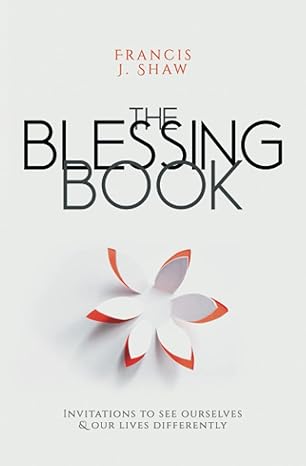
Francis J. Shaw’s The Blessing Book is a gentle and soul-stirring journey through life’s messy, beautiful terrain, shaped into 18 poetic reflections. More than a self-help book or spiritual guide, it’s a tender conversation between writer and reader. With themes like presence, forgiveness, purpose, and love, Shaw uses everyday moments, sneezes, dogs, and sunrises as entry points into deeper wisdom. There’s no rigid structure, no “how-to.” Just soft lanterns of insight illuminating the reader’s path.
What struck me immediately was the tone of the writing. It’s gentle, reassuring, and remarkably personal. In the opening reflection, “Life Interrupted,” Shaw’s voice comes through with such clarity and warmth that it feels as though he is speaking directly to the reader. He takes something as simple as listening and shows us how starved we are for it. “When we speak, we repeat something we already know and when we listen deeply, we hear the real message,” It resonated deeply and stayed with me long after I read it. I found myself nodding, thinking about how often I talk over people, or worse, myself. Shaw makes the ordinary feel sacred.
I especially loved how he weaves in story and metaphor. He describes life as a long journey where he kept asking questions, where, when, why, and how the voice of wisdom finally came through the silence. That bit where he says, “Wisdom whispers,” actually made me pause and put the book down for a second. It’s quiet and easy to miss, and I needed that reminder. Another particularly memorable passage is found in “Reflection 12,” where Shaw explores the theme of stress through the lens of the fight-or-flight response, and then quite unexpectedly draws insight from the flight patterns of birds. By highlighting their instinct to fly at varying heights and to veer right, he offers a simple yet profound metaphor for navigating personal conflict. It’s a surprising analogy, yet it’s remarkably effective.
That said, the book does not avoid addressing difficult subjects. Themes such as pain, anxiety, and grief are present throughout. Shaw approaches them with compassion rather than despair, offering gentle acknowledgment and allowing these experiences the space to be seen and understood without becoming overwhelming. Shaw owns his masks, his lies, the roles he’s played. And then he flips it with compassion, urging us to treat ourselves with the same care we give others. It’s like therapy wrapped in poetry. And maybe that’s what this book is at its core, a poetic kind of therapy.
I think this book is for anyone feeling a little frayed around the edges. Anyone craving something real but not preachy. If you’re just trying to catch your breath in a noisy world, The Blessing Book might be exactly what you didn’t know you needed. It doesn’t fix your life. It doesn’t pretend to. But it makes the mess feel holy, and honestly, that’s a blessing.
Pages: 316 | ASIN : B0992L5B68



 LITERARY TITAN