Blog Archives
The Inner Citadel: From Overstimulation and Burnout to Emotional Growth Through the Power of Solitude
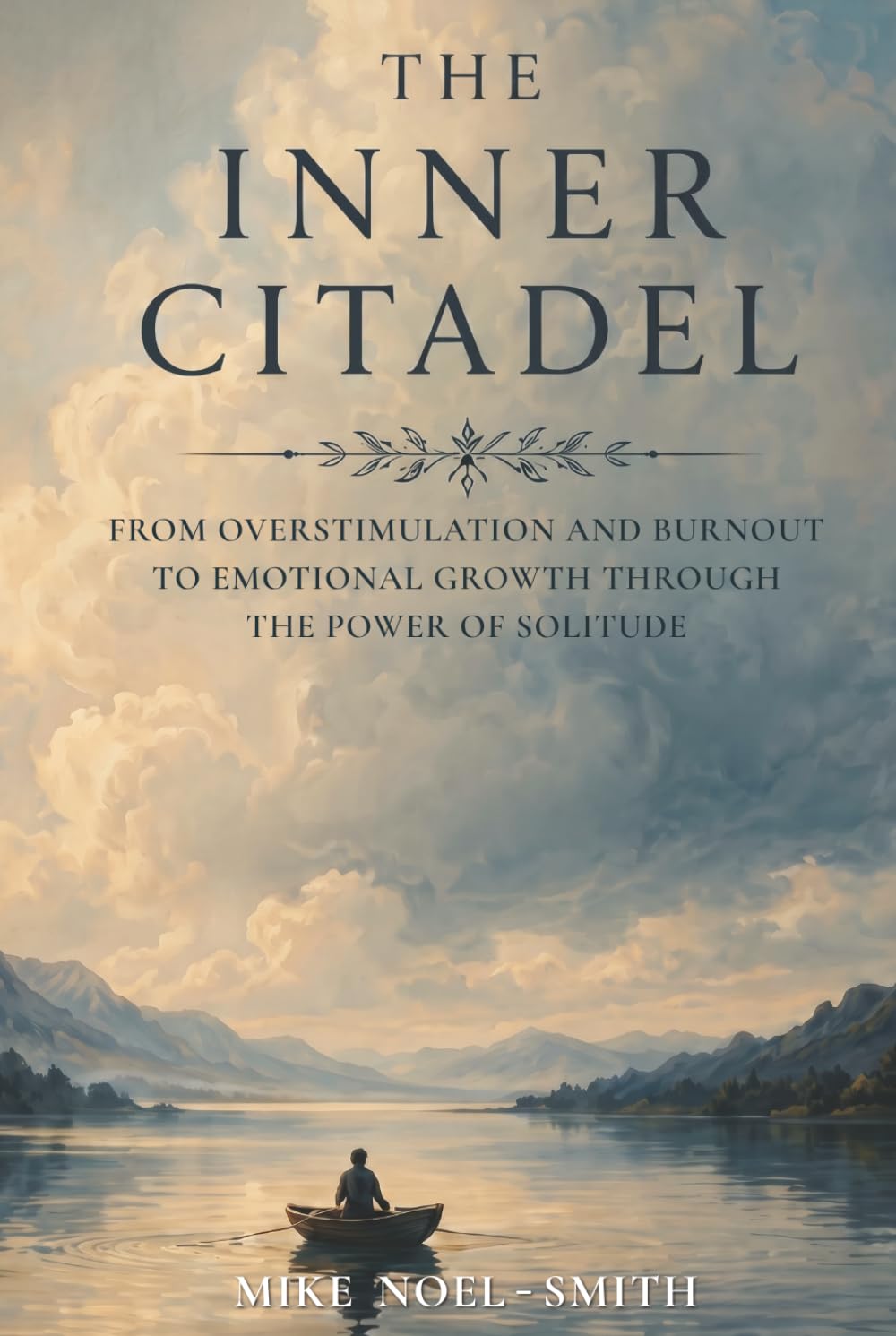

The Inner Citadel is a reflective and practical exploration of solitude as a way to recover attention, emotional balance, and a more grounded sense of self. Mike Noel-Smith begins with the familiar strain of notifications, obligations, constant availability, and mental clutter, then gradually leads the reader toward a quieter way of living. Drawing heavily on his time alone in the wilds of Dartmoor, he treats solitude as an active encounter rather than passive withdrawal. As he puts it, “Solitude did not instantly soothe me; it revealed me.” That distinction gives the book much of its emotional honesty, since silence brings discomfort, loneliness, grief, and fear to the surface alongside clarity and peace.
The central image of the inner citadel gives the book a strong structure. Its walls, gates, and watchtowers represent boundaries, habits, and forms of discernment that protect the inner life from being continually overrun. Across the chapters, Noel-Smith connects solitude with emotional resilience, creativity, clear thinking, self-trust, relationships, nature, ageing, and mortality. The argument expands naturally as the book progresses. Solitude begins as relief from overstimulation, but it becomes a means of living with greater intention. One of the book’s clearest insights is that “quiet is not emptiness, but a threshold,” and Noel-Smith consistently explores what might be waiting on the other side of that threshold.
The book’s most engaging passages come from Noel-Smith’s personal experiences outdoors. Encounters with harsh weather, darkness, animals, physical discomfort, and sudden loneliness keep the discussion rooted in lived experience. His account of meeting a stag at night is especially memorable, capturing the humility and sharpened awareness that can arise when a person stops treating themselves as the center of every setting. The practical exercises at the end of each chapter also make the ideas accessible. Attention audits, short periods without devices, reflective questions, solitary walks, and simple breathing practices give readers manageable ways to test the book’s ideas in ordinary life.
There’s a deliberate, meditative rhythm to the writing, with key thoughts revisited from slightly different angles so they can settle rather than simply pass by. The final chapter’s detailed guidance on spending a week in a wild place adds an unexpectedly concrete conclusion, covering shelter, clothing, food, camp selection, safety, and responsible treatment of the land. It reinforces the book’s larger message that inner reflection is supported by practical preparation and sustained attention. The Inner Citadel is ultimately a thoughtful companion for readers who feel scattered, overstimulated, or disconnected from their own priorities. It presents solitude as a disciplined return to oneself, followed by a fuller and more honest return to other people.
Pages: 321 | ISBN : 978-1919215662

Simple Intentional Acts

Sacred Celebrations is a warm and soulful guide to help readers who want to deepen their emotional and spiritual life by marking life’s transitions with intention and love. Why was this an important book for you to write?
As more people identify as “spiritual but not religious,” there’s a real need for a guidebook that can be returned to again and again when big life events arise. I’ve heard from readers who’ve used Sacred Celebrations to plan weddings, funerals, menopause parties, divorce parties, and other intimate gatherings. When they write to share their stories, I often find myself saying “YES!” out loud at my computer—usually startling my cat! It thrills me not only that the message resonates, but that readers are putting it into practice. The world needs more rituals, and one by one, readers are helping bring that vision to life.
We are craving connection and community more than ever. In our fractured world, it’s essential that we find our way back to one another—and rituals help us do that. They ground us, center us in the present moment, and invite us to truly witness one another during life’s milestone moments, whether they are filled with joy, grief, or often both at the same time.
Creating a new ritual or celebration can be overwhelming when someone already feels the need to slow down. What is a good starting point to help someone ease into this new way of thinking and create something meaningful for their lives without feeling overwhelmed?
Start small. Light a candle and write in your journal. Create a simple altar with photos of your ancestors on a bookshelf. Say a gratitude grace with your family at dinner. Invite a few trusted friends to offer prayers or blessings before surgery. Pick flowers from your garden and give them to a neighbor.
Ritual doesn’t need to involve lots of people, elaborate planning, or money to be meaningful. Simple, intentional acts can be incredibly powerful.
I appreciated the candid nature with which you told your story. What was the hardest thing for you to write about?
My miscarriages. I experienced two miscarriages of twins within a 72-hour period. Writing about that time was an important part of my healing journey—though about 75% of what I wrote never made it into the book.
The portion that did remain included two rituals we participated in, one private and one public, that deeply supported us as we moved through profound grief. Rituals have a remarkable ability to help us navigate some of the most devastating experiences of our lives.
What is one thing that you hope readers take away from Sacred Celebrations?
That there is only one right way to do ritual: your way. This book is not prescriptive; it’s an invitation. An invitation to sense what needs to be honored, celebrated, or remembered, and then to use the tools and ideas I offer to create something meaningful and aligned with you and your community.
You can easily create simple yet memorable rituals that you and your community will remember for years to come!
Author Links: GoodReads | Facebook | Website | Sacred Celebrations | Amazon
Do you celebrate the joys, grieve the losses, and embrace the changes inherent in life’s natural cycles and seasons? In today’s fast-paced world, our souls are begging us to slow down—we must heed that call!
By blending her personal experiences, information about multicultural celebrations, and practical how-to steps, Elizabeth Barbour shares uniquely accessible advice for designing rituals. You’ll enjoy new elements to invigorate birthday gatherings and holidays and additionally be inspired by:
A beautiful grief ritual featuring white roses
An infant’s spiritual dedication in a labyrinth
A young girl’s playful and educational first moon party
An artist’s creative and meaningful “starting a new business” ritual
A divorce ritual punctuated by beating the furniture with a tennis racket
Sacred Celebrations is a resource you’ll come back to again and again to help you navigate emotional endings and beginnings with more presence, clarity and confidence.
Must: Becoming the Person You Are Meant to Be
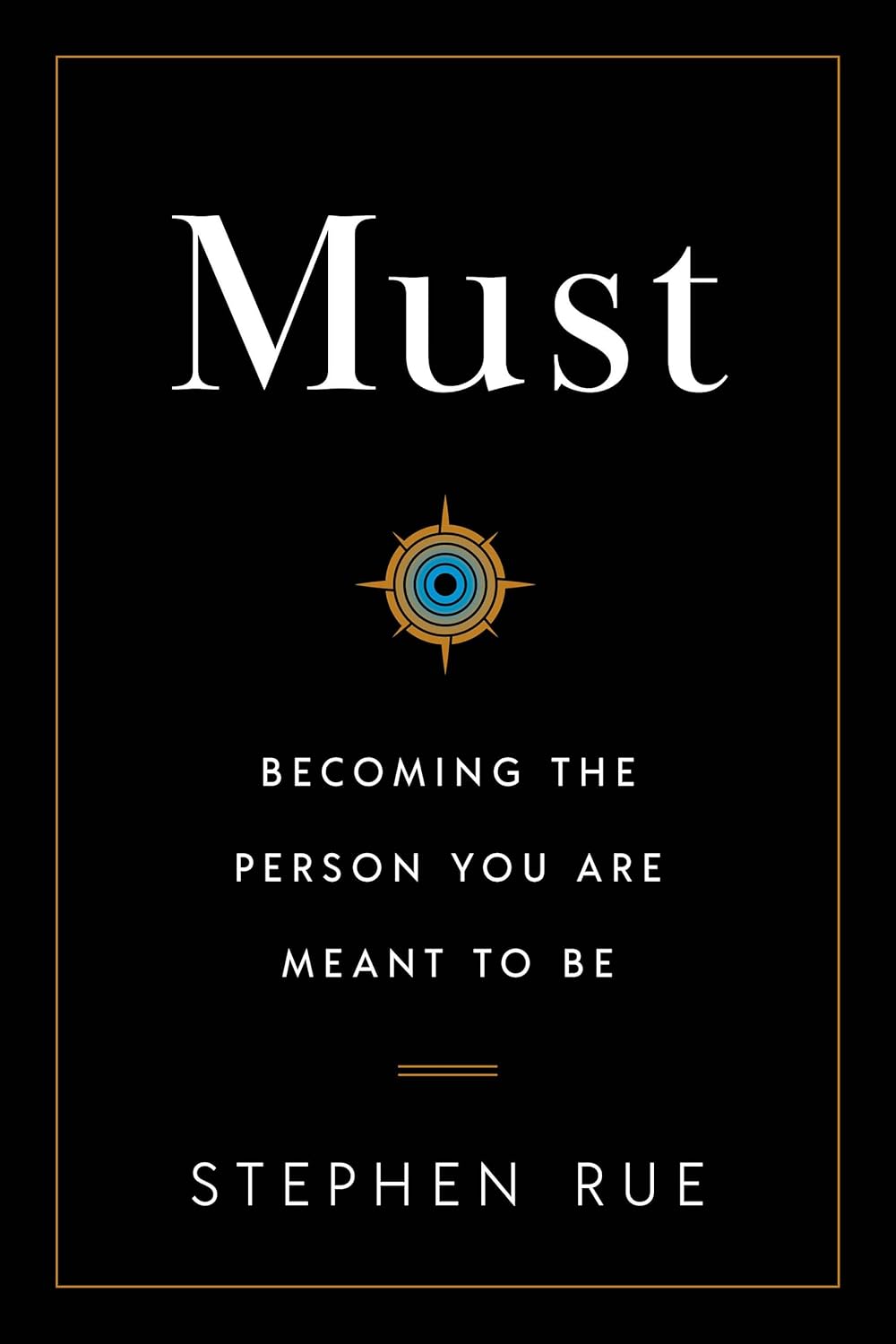

Stephen Rue’s Must: Becoming the Person You Are Meant to Be is a powerful self-development guide that blends memoir, psychology, and motivation into one steady climb toward self-discovery. The book unfolds in three parts, Exploration, Implementation, and Integration, walking readers from personal reflection to purposeful action. Rue doesn’t just talk theory. He builds each idea from his life: the trauma of losing his stepfather, the pain of abandonment, the struggle of self-worth, and his long road to forgiveness. His “Must Mindset” is the core concept, the inner conviction that becoming your best self isn’t optional; it’s necessary. Rue mixes practical strategies with deeply human storytelling, making his lessons feel lived-in and real.
I admired how Rue handled pain without drama. His voice is calm and steady, but it carries weight. I found myself pausing often, thinking about my own limiting beliefs. The simplicity of his writing keeps the ideas grounded. He pulls in research from thinkers like Carol Dweck and Brené Brown but never lets it turn academic. I liked how he invites you to ask questions about your life, right there on the page, as if you’re part of a workshop. At times, the reflection prompts felt heavy, but in a good way; they make you stop scrolling through your day and actually think.
Emotionally, the book hit me hardest when Rue described forgiving his father. That scene, holding his father’s ashes and realizing he could no longer be angry, stuck with me. It’s rare to see that level of vulnerability in a self-help book. Rue’s writing sometimes drifts toward the inspirational-speech style, but it’s balanced by sincerity. I didn’t feel like he was selling me motivation; he was sharing hard-earned peace. The pacing allowed me to sit with his thoughts instead of rushing to the next “tip.”
Must isn’t just about becoming successful; it’s about becoming whole. I’d recommend this book to anyone standing at a crossroads, especially those who’ve felt broken or stuck for too long. It’s for people who want practical tools but also crave meaning behind them. If you’re willing to be honest with yourself and do the work, Rue’s words will meet you where you are and nudge you toward who you could be.
Pages: 564 | ASIN : B0FN993723



