Blog Archives
Vulnerability Is Strength

The Work In Between is a memoir sharing your experiences of losing over 100 pounds, surviving cancer multiple times, and going through a period of self-reinvention. Why was this an important book for you to write?
I kept getting asked where my book was. People assumed I had written one given my experiences. After a lot of self-reflection, therapy, and conversations, I felt I was ready to tackle a book. To be honest, I wasn’t convinced I had that interesting of a story. I wasn’t sure anyone would care. However, some conversations made it clear that it might be helpful to others, if only to show you can go through some pretty tough stuff and still be a compassionate, successful, and joyful person. So, I wrote it. The response has been overwhelmingly positive.
I appreciated the candid nature with which you told your story. What was the hardest thing for you to write about?
It’s the only way I know how to be. I’m not very good at sugar coating things or only telling one side of the story (i.e., where I only look good). The hardest part was writing about when my brother Eric died. I cried when I was writing about losing all of my family, but Eric’s death was particularly difficult. Still is. I laughed a lot, too, though. I ended up remembering things I had forgotten. Good memories. Happy memories.
How has writing your memoir impacted or changed your life?
I’m happy that it’s resonated with so many people. Writing the book has made me realize I have a lot more work to do. I wrote a chapter in The Backyard Peace Project anthology and got a fantastic response to my chapter about loving ourselves harder when we stumble and fall. I think it’s a really important message to get out there, especially with all of the negativity and skewed reality from social media.
I’ve learned through my book that vulnerability is strength. Most people are tired of branded packages of unrealistic life. I think they are hungry for real, honest conversations about hard things. That’s how we grow. I was once told that I talk about things people usually keep in the shadows. That’s true. I do that because if I try to carry it all alone, it makes me sick: physically, emotionally, spiritually, and mentally unhealthy. We aren’t supposed to walk around with shame and guilt. Talking about it is healing, and it helps others process their experiences. Everyone has experienced hard things; sharing them helps us heal and grow.
What do you hope is one thing readers take away from your story?
That they are worthy just as they are and worthy of love and a good life. It doesn’t matter what the scale says, what other people tell you, or where you started in life. If you want to improve your physical, mental, emotional, or spiritual health, great. Do that. However, you are worthy of love and an amazing life no matter what.
Author Links: GoodReads | Website | Amazon
Witty, frank, and richly thoughtful, The Work In Between is peppered with wisdom from the author’s expertise in the field of Health Communication. Holmes brings an astute eye to the relationship between outward appearances and medical experiences as she draws from her doctoral education and years of service as a hospital executive. And yet, the complex web of stories that characterize The Work In Between extend far beyond Holmes’s own experiences. As this memoir makes clear, we carry family trauma in our bones. Until we do the inside work of facing our demons and declaring our worthiness, we cannot live the full, happy lives we were meant to live.
Speaking For Those Who Do Not Feel Safe

No Ordinary Love follows several women whose stories reveal the terror and trauma of domestic abuse. Why was this an important book for you to write?
Because it’s my story—and the story of countless other women around the world. Despite how widespread intimate partner violence is, it continues to be treated as though it’s rare or private. It’s an epidemic. As long as that remains true, more stories need to be told. I was inspired by the women who spoke up before I found the strength to do the same. Now, I’m speaking for those who may not yet feel safe enough to share their truths.
I appreciated the candid nature with which you told this moving story. What was the hardest thing for you to write about?
The hardest part wasn’t the writing itself—I had already survived the events. In fact, the process of writing was profoundly therapeutic. What was most difficult was transitioning from that healing space into the often retraumatizing demands of publishing—critiques, edits, legal reviews, marketing, promotion. Writing gave me back my voice, my truth, my agency. But sharing it exposed me to judgment, disbelief, and the need to prove my experiences.
What was especially painful was the fact that I had to fictionalize elements of my own life story—not to protect myself, but to protect the identity of my abuser. After being silenced for over two decades, I finally found the courage to speak out. Yet, I still had to call my memoir “fictionalized” when it’s 98% truth, with only minor changes made to shield the person who harmed me. That’s harder than I can express in 100,000 words.
What is one misconception you believe many people have regarding the aftermath of domestic abuse?
That the abuse ends when you leave. It doesn’t. What I wanted to highlight most in No Ordinary Love is the aftermath—the long shadow trauma casts, the lingering triggers, and the decades it can take to fully disentangle yourself from the psychological grip of abuse. Healing is not linear. It is life-long.
What is one thing you hope your readers take away from No Ordinary Love?
I hope it inspires honest, necessary conversations—about the subtle and insidious nature of coercive control, how it undermines autonomy, the long-term psychological impact of chronic abuse, and the intersection of trauma, mental health, and systemic failure. Most of all, I want to illuminate the barriers survivors face in their search for safety, support, and validation.
No Ordinary Love
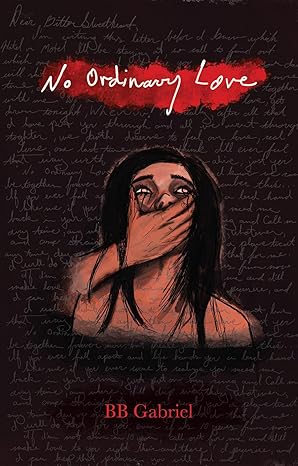

No Ordinary Love, by BB Gabriel, is a searing memoir that threads together the lives of several women grappling with the many faces of intimate partner violence. Through a braided narrative—alternating between Gabbi, Alex, Katee, and others—the book unveils the terror, trauma, and tangled aftermath of abuse while illuminating slivers of healing and resilience. This story stomps, screams, and weeps across the pages, detailing coercion, fear, childhood confusion, and adult reckoning. Told in raw vignettes and memory-soaked prose, it is not just one survivor’s story—it’s a collective mirror for far too many.
Reading No Ordinary Love shook me. There were moments I wanted to put it down and moments I couldn’t look away. The writing, often poetic and stark, pulled me close enough to feel the fear and the fresh heartbreak. Gabriel doesn’t romanticize trauma, and that’s what makes her voice trustworthy. She doesn’t craft her pain into tidy scenes or polished resolutions. Her story spills over in waves—sometimes chaotic, sometimes controlled—and always relatable. The structure, with its shifting timelines and perspectives, felt disorienting at times, but maybe that’s the point. Trauma is disorienting. This book doesn’t offer clarity; it offers truth.
I admired the way Gabriel let silence linger in her writing. Some chapters stopped short, leaving me breathless, the same way trauma interrupts a life. And yet, she also knows when to lean in—when to take us all the way through a panic attack, a memory, a phone call no one wants to make. This book isn’t just about surviving abuse. It’s about what comes after—the guilt, the longing, the ghosts that live in your muscles. And somehow, it’s also about love. Love between sisters. Love that fights back. Love that rebuilds.
I’d recommend No Ordinary Love to anyone willing to confront the brutal honesty of what abuse looks like behind closed doors—and what it takes to speak it aloud. It’s a gut punch for survivors, advocates, and even bystanders who have wondered, “Why doesn’t she just leave?” This book is for those who stayed. For those who left. And for those who still carry the weight of it all.
Pages: 381 | ASIN : B0DRZ5Z51X

A Sobering View

In Walk a Mile in My Shoes, you share your childhood trauma and give readers an open and honest account of your own regrettable choices and how those decisions have impacted your life. Why was it important for you to share your story?
Individuals are often motivated when they read about erratic and unconventional paths that others take. I shared parts of my life (ages 8 to 77) so readers could become aware of the pieces of my life that made me into the man I am today. I wanted readers to explore my life’s assorted happenings before placing their final judgment on my character. (I believe a man should be judged by ALL the pieces of his life — not just one event.) Writing about my lifelong journey was rewarding for me because I was able to look more closely at WHY I am…WHO I am! My narrative was an avenue to finally reveal both positive and negative feelings and emotions I had hidden from myself and others my entire life.
I appreciated the candid nature with which you told your story. What was the hardest thing for you to write about?
I cried a thousand tears as I shared unique stories and events in each chapter — but the most gut-wrenching testimony was telling about the immeasurable pain and agony I caused my wife and children. Criminal activity always affects more than just the offender and the victim … many individuals are often negatively impacted. Losing my family has been an overwhelming experience!
Is there anything you learned about yourself while putting your story on paper?
When I began writing about my past, my original intent was to tell some short stories about my youth that I planned to share with my adult son and daughter. I wanted them to be more ‘aware’ of their father’s past! (I had never told my children about many of the happenings I wrote about.) After allowing my friends to review my stories, they coaxed me into writing more. I added stories about Vietnam, my divorce, my crime, prison and my sexual orientation ambiguity. I felt compelled to share events that occurred while I was on probation. My writing allowed me to release emotions and feelings pent up inside me…like a cleansing of my soul. I was able to look backward and reveal the pieces that transformed me into the man I am today. My writing also allowed me to look forward and yield a sobering view of the few days I have before I die. Friends who read my manuscript often complimented me because I NEVER GAVE UP despite the dysfunctional events that seemed to be part of my arduous journey. I learned that a person could keep going – even when he thinks he has given all he has!
What is one thing you hope readers take away from your experience?
I hope three messages resonate from my narrative. 1) Life is hard…but no matter what occurs in our lives, a person can find the strength and courage to overcome adversity. 2) Judge a person ONLY after you ‘walk a mile’ in his footsteps. (Seek first to understand…then to be understood.) 3) I readily acknowledge my heinous crime. Prison and probation were justified. But it’s vital that Americans closely monitor our judicial and criminal justice systems so overzealous and manipulative members don’t exceed their authority. Surveillance groups finally recognize the importance of holding police officers accountable for their actions. I shared details about the probation department that supervised me — to invite readers to decide if restorative justice was appropriately applied in my case.

Walk a Mile in My Shoes: Surviving Life’s Challenges


Paul Bradford’s Walk a Mile in My Shoes delves into the life of a man scarred by childhood trauma, exposing a harrowing journey from victim to perpetrator. Bradford recounts his life with unflinching honesty, refusing to excuse his actions as an adult while tracing their origins to the extreme hardships he endured as a child. The narrative begins with Bradford’s recollections of an abusive, alcoholic father whom he blames for his mother’s death. A pivotal moment in his life unfolds during a hitchhiking trip to his grandparents’ home, where he endured molestation, a secret he reveals for the first time in this book. The story continues through his unstable upbringing, bouncing between foster families, and the damaging influences that shaped his understanding of sexuality. Both the church and manipulative older boys contributed to a distorted, exploitative perception of intimacy and boundaries. Bradford’s use of vivid, colloquial language, what he describes as “hillbilly” expressions, paints a raw, authentic picture of his early years. His descriptions evoke the atmosphere of a bygone rural society, adding texture to the narrative.
As a piece of writing, the book is well-crafted. Bradford’s grammar is precise, and his articulation is engaging. Despite the deeply unsettling themes of abuse, violence, and exploitation, the narrative holds the reader’s attention through its clarity and flow. However, the focus of the book tilts heavily toward the darker chapters of his life. Positive memories, though present, sometimes feel rushed and underdeveloped. These moments, when they appear, offer glimpses of light but I feel lack the depth and exploration given to his tragedies. A more balanced portrayal, with a fuller depiction of happier times, could enrich the narrative and serve as a reminder that not all of his childhood was consumed by pain.
While the book is well-written, the content may not appeal to everyone. Bradford’s candid acknowledgment of his past wrongdoings and his struggle with trauma elicits some sympathy, but it does not mitigate the gravity of his actions as an adult. His experiences underscore how a lack of education and societal attitudes like “boys will be boys” can perpetuate cycles of harm. Yet, as someone who endured similar trauma, Bradford’s choices remain difficult to reconcile. Walk a Mile in My Shoes is a raw, unsettling account of a life shaped by adversity and mistakes. While it may resonate with readers drawn to unfiltered stories of human frailty and resilience, the graphic and disturbing subject matter makes it a challenging read.
Amidst the Darkness

The Hate Game: Screaming in the Silence is your memoir sharing the experiences you underwent at the Knoll School for Boys in Hove, Sussex, back in the 1970s and the bullying that was inflicted on you for your beliefs. Why was this an important book for you to write?
To clarify. I wasn’t bullied for my beliefs. I was bullied because I was young, an ‘outsider,’ and was a late developer. Any pupils in that category were labelled as “Jews,” by the “superior” bullies.
I had shared stories with numerous people and had pushed memories to the back of my mind. PTSD does that. Later in life, as a social worker in child protection, I came face to face with my past on several occasions. I had a “Eureka” moment interviewing a young teen who had (thankfully) failed to take her own life: her story was my story, and I started to come to terms with the horrors that had transpired during my adolescence. My extended (British) family were very resistant to me sharing truths with the world as it wasn’t the “British” way to be transparent about the past. The school and personal experiences were shocking, and rather than bury them, I chose to tell my story. The writing of The Hate Game was cathartic, albeit painful.
I appreciated the candid nature with which you told your story. What was the hardest thing for you to write about?
Everything. I felt ashamed about the bullying and abuse at school. I hadn’t told my wife and children about the historical sexual assault, so that was a challenge (despite working in a field where I encourage transparency). The death of my father and later writing about my mum brought up feelings and emotions that I had buried. I also felt shame about laughing through the dark times but understood that it is (and still is) a coping mechanism. One of the hardest things about writing a memoir is the judgment that may emanate from others. However, the overwhelming gratitude that my story could be told outweighed the negatives by a country mile.
What were some ideas that were important for you to share in this book?
It is crucial to share one’s feelings with a trusted adult. Unfortunately, I did not know any adults I could trust. The teachers were more abusive than the students, and I couldn’t rely on anyone in authority. Even today, children and young people tend to keep their distress to themselves, a concerning trend I’ve observed in my work in child protection. It is imperative for adults, particularly parents, to build a strong, trusting relationship with children. Despite my love for my family, they were not the safe haven I needed to confide in.
What do you hope is one thing readers take away from your story?
Amidst the darkness, pain, and feelings of utter hopelessness, there is a beacon of light at the end of the tunnel. I was determined to survive and, somehow, thrive. It’s imperative to foster open communication with your children rather than hastily judging them for their acting-out behaviours. There is often a deep-rooted cause, and dismissing it as merely ‘hormones’ will cause further isolation for the child or youth. My own experiences have instilled in me resilience and a profound sense of empathy for those in need, whether they belong to minority groups or are families and children in crisis. As a result of my adverse childhood experiences, I have been able to help and empower numerous vulnerable young people. My transformation from trauma to triumph, guided by a profound encounter with God, has equipped me to make a meaningful impact on the lives of others.
Author Links: GoodReads | X (Twitter) | Facebook | Instagram | Website | Amazon
At school, survival wasn’t just about fitting in—it was about making it through the day with his dignity intact. The first time they shoved Gary’s head into the toilet bowl, he questioned how much more he could take. By the time they drew a swastika on his forehead, he stopped wondering.
In the backdrop of 1970s England, Gary navigates the chaotic seas of adolescence in the English coastal town of Hove. With humour and a delicious sense of naivety, he steers through a life marked by a blend of love and dysfunction, anchored by his loving and quirky mother and his deeply cherished father. But beyond the warmth of home, school is a much darker and crueller reality. At Knoll Boys, Gary confronts a relentless and vicious bullying that pushes his spirit and resilience to the brink. The horrors he endures are not just physical—they are ritualistic and dehumanizing, the cruelty seemingly unending. Yet, Gary’s resilience shines through, a testament to the human spirit’s capacity to endure.
Despite the bruises and hate-filled taunts, Gary discovers moments of unexpected joy, like the awkward thrills of first love and the surprising strength that begins to grow within him. As he navigates his family’s unpredictable antics and the dark corridors of his school, Gary’s journey becomes one of ultimate transformation—a testament to his unbreakable spirit and a beacon of hope for all who face similar challenges.
The Hate Game is a raw and profoundly moving coming-of-age memoir that explores the power of laughter and love. It’s a story that will leave you rooting for Gary, laughing with him, and inspired by his indomitable will to rise above the pain and become the change he longed for.
Fear Dynamics: Harnessing Fear and Anxiety to Create Lasting Happiness and Meaningful Achievement

Stephen J. Dietrich’s Fear Dynamics is a powerful memoir-cum-self-help book that offers a lifeline to those grappling with fear. This acclaimed corporate attorney unflinchingly shares his journey through the darkness of childhood neglect and abuse, including sexual abuse from his father. Dietrich’s transformation from victim to victor forms the heart of this compelling narrative, as he provides readers with practical strategies for overcoming fear and anxiety.
“In many ways, self-acceptance is the antidote to neglect and abuse… By accepting ourselves, we reject the way people in our past have tried to define, contain, and control us.” The book is a masterclass in self-awareness, as Dietrich illustrates how seemingly mundane interactions can be haunted by past trauma. His candid portrayal of his own struggles, from the isolation he experienced to the challenges within his marriage, offers readers a relatable and empathetic perspective. Through his journey, Dietrich underscores the importance of confronting the past to build a healthier future.
While Fear Dynamics primarily focuses on individual healing, it also touches on broader societal issues. Dietrich’s observations about workplace pressures and the importance of work-life balance offer a refreshing perspective. His exploration of the tendency to mask struggles with a facade of perfection resonates with many readers who may feel isolated in their experiences. Dietrich’s strategies, dubbed the “Fear Dynamics Techniques,” are grounded in his personal experiences and offer a tangible path to healing. His emphasis on self-acceptance provides a foundation for rebuilding trust in oneself and others.
Fear Dynamics is a must-read for anyone looking to understand and conquer their fears. This book is not just a guide to overcoming fear; it’s an open and heartfelt discussion about the author’s struggles and triumphs. Dietrich’s story is a testament to resilience and the power of self-help techniques in transforming one’s life. The lessons he imparts are valuable and practical, offering readers a roadmap to navigate challenges with strength and confidence.
Pages: 232 | ASIN : B0D7JT21DF



 LITERARY TITAN