Blog Archives
Humble, Conservative Origins

In the Shadows of the Blue Ridge is a portrait of rural life colliding with political and economic change in Loudoun County, Virginia, and how what was once a sprawling community of dairy farms was urbanized by the construction of Dulles Airport. What inspired you to write this story?
As a native of Loudoun, I’ve witnessed its development over the past 30 years firsthand. In shocking contrast to its current frenzied level of activity, when I was a child, not much happened west of Leesburg, and there weren’t yet any wineries. Indeed, I remember slower, kinder days in Loudoun – long, summer days and nights when all that could be heard were tumbling brooks, crickets, and tree frogs. That memory stands out in stark opposition to today’s traffic, retail shops, and human activity here. I suppose before too much more “progress” occurs, I wanted to remind my readers of Loudoun’s humble, conservative origins in its not-so-distant past, and also discuss the policy and political changes Loudoun County (actually the entire country and planet) is grappling with, which required a deep dive into the classical philosophies on which the U.S. was founded.
As someone who lives just outside Loudoun County, I found your book fascinating. While fictional, it brings the rich history of this area to life and shows awareness of how much it has changed in a relatively short period. What were some ideas that were important for you to share in this book?
The country has experienced rapid cultural change over the past 30 years, specifically since the introduction of Critical Theory into public colleges and universities in the mid-90s. I wanted to chronicle these changes in order to understand how we have arrived at this point of contentious divide between parties. Also, I wanted to emphasize the crucial role of parents in the education and rearing of their own children, who are tomorrow’s citizens.
What is one thing that people point out after reading your book that surprises you?
I suppose I’m surprised about the emotional connection my readers experience with my main character, “Red,” including anger, pity, and pride (the latter over his clandestine political achievements). This feeling unites me with my readers. I find it interesting that our connection is emotional, rather than academic or intellectual.
What experience in your life has had the most significant impact on your writing?
I was raised by old-world aristocratic Germans before the computer chip, when all we had was a piano, a full set of Encyclopedia Britannica, horses, chickens, and a garden. This afforded me time to dream and contemplate life’s mysteries in nature, when, as a child, I myself wandered over Loudoun’s creeks and fields. Due to my childhood, I have experienced the differences of perception and identity under European feudalism vs. American capitalism.
Author Links: GoodReads | Facebook | Amazon
The narrative includes detailed accounts of Loudoun County’s political landscape, featuring figures such as Scott York, Phyllis Randall, Dave LaRock, and Eugene Delgaudio. It highlights political conflicts, cultural shifts, and controversies over social issues, reflecting the tension between conservative and progressive values within the community. The story of Red’s involvement in local politics, legal battles, and personal vendettas illustrates the complex interplay of power, identity, and morality in Loudoun.
Originally a farming community with a focus on livestock, agriculture, and dairy farms, Loudoun County experienced rapid urbanization starting in the 1960s, especially due to the construction of Dulles Airport. This shift led to a decline in dairy farms and an increase in real estate development, significantly altering the county’s landscape and economy. The county became a technology hub, known as “Data Center Alley,” hosting major tech companies and data centers that handle approximately 70% of global internet traffic.
The book delves deeply into the philosophical underpinnings of Western law and morality, tracing ideas from Socrates, Plato, Aristotle, and Cicero to the founding principles of the United States. It emphasizes the role of Natural Law, the Cardinal Virtues (prudence, justice, fortitude, temperance), and the theological virtues (faith, hope, charity) in shaping legal and ethical frameworks. The Founding Fathers of the U.S. are portrayed as influenced by these classical and Christian ideas, embedding them in documents such as the Declaration of Independence and the Constitution.
The history of education in America, particularly in Loudoun County, is outlined, noting early religious instruction and the evolution toward compulsory public education. The document discusses contemporary debates over educational policies, including diversity, equity, inclusion (DEI), and critical theory, highlighting controversies in Loudoun County Public Schools. It also introduces Patrick Henry College, founded to prepare Christian leaders grounded in biblical values and American founding principles.
A detailed profile of George Soros is provided, including his background, philosophy, and economic theories such as reflexivity. Soros’s influence on global politics and progressive movements is discussed, with attention to his support for causes that challenge traditional biblical morality, including LGBTQ rights and abortion. The document contrasts Soros’s views with classical moral philosophy and critiques the progressive rejection of traditional virtues.
The book presents biblical narratives and teachings that emphasize natural law, the Noahide Laws, and the importance of filial piety, empathy, and moral virtue. It recounts stories from Genesis, such as Adam and Eve, Cain and Abel, and the destruction of Sodom and Gomorrah, linking them to contemporary moral debates. The role of forgiveness, reconciliation, and spiritual salvation through Christian faith is underscored as essential to personal and societal well-being.
Throughout, the book acknowledges the struggles with addiction, family dysfunction, and societal change experienced by individuals like Red. It explores themes of identity, abandonment, and redemption, and situating these personal stories within the broader historical and cultural transformations of Loudoun County.
In The Shadows of The Blue Ridge ~ A Farmer’s Plight in Loudoun County
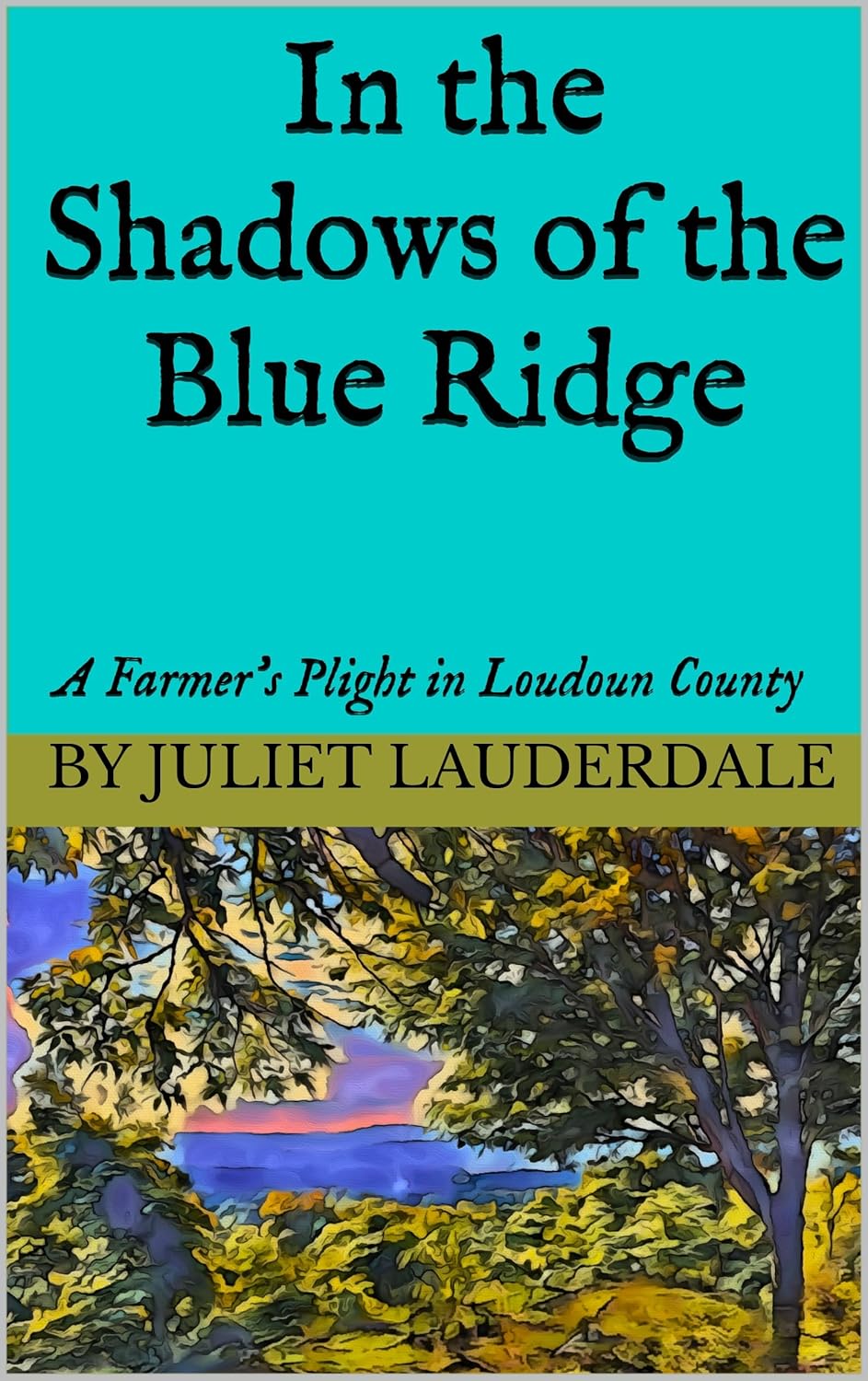

In The Shadows of The Blue Ridge tells the story of Red Smith, a Loudoun County farmer caught between the region’s deep agricultural past and its rapid transformation into a hub for data centers, subdivisions, and politics. Author Juliet Lauderdale braids together local history, genealogy, politics, and Red’s personal struggles with addiction, family dysfunction, and survival in a changing landscape. The book moves from colonial times and Native American displacement, through Loudoun’s rise as the richest county in the country, to the intimate details of Red’s life with his mother, his political dealings, and his inner battles. It is both a chronicle of a place and a portrait of a man who never fully fits in.
The details of Red’s gardening, his mother’s sharp tongue, and the smell of orchards or basements made the pages feel alive. At times, the story wandered, carrying the rhythm of a neighbor sharing memories in a way that felt unhurried and conversational. That gave it a kind of authenticity. The mix of personal narrative, politics, and theology could be dizzying, yet it reflected the chaos of a life lived on the margins of prosperity.
What stood out most to me was the emotional core. I found myself angry with Red, then pitying him, and then oddly proud when he pulled off his small political stunts. The mother-son relationship was heartbreaking, filled with bitterness, need, and the faintest hint of love buried under insults. I also admired how the book tied Red’s story to the land itself. The soil, the creeks, and the ghosts of farmers past seemed as much characters as Red and Jane. It made me think hard about what gets lost when land is swallowed by development.
I think this book is best for readers who want more than a polished narrative. Anyone interested in the human side of rural decline, the clash between tradition and modernity, or the way family history shapes identity will find it worth their time.
Pages: 264 | ASIN : B0FHBPSGDP

In The Shadows of The Blue Ridge ~ A Farmer’s Plight in Loudoun County
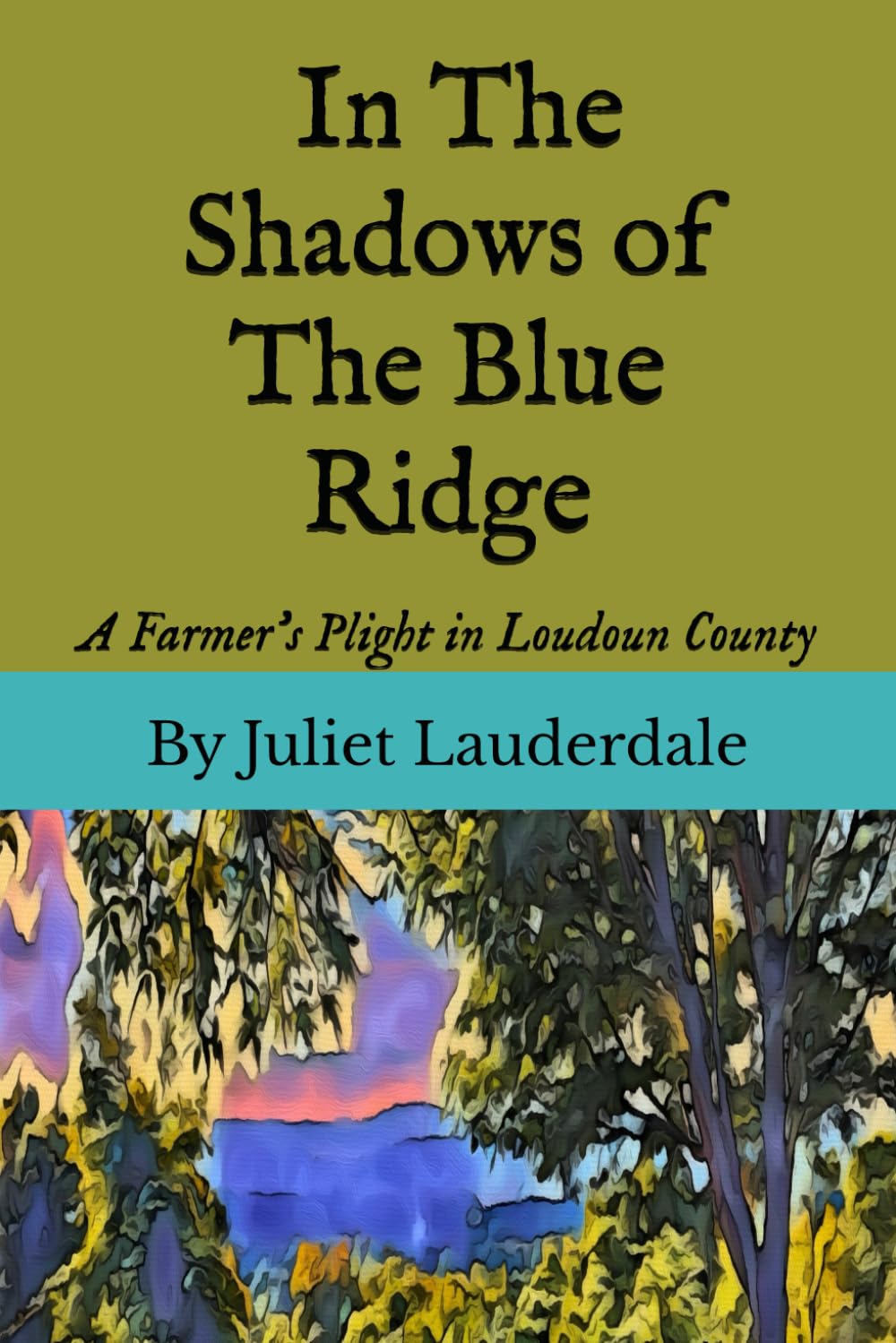
Juliet Lauderdale’s In the Shadows of the Blue Ridge is part history lesson, part personal memoir, and part raw portrait of rural life colliding with political and economic change. It begins with the deep past, Native American roots, colonial land grants, and Loudoun County’s farming heritage, and then moves through centuries of growth, decline, and reinvention. Woven into this historical fabric is the life of “Red,” a descendant of old farming families, whose struggles, quirks, and political entanglements form the beating heart of the book. Lauderdale’s voice moves from scholarly to intimate, shifting easily between researched history and the candid, sometimes painfully honest, accounts of family dynamics, small-town politics, and a community transformed beyond recognition.
The writing doesn’t shy away from awkward truths, petty grudges, or the strange comedy of human behavior. There’s a rawness here about addiction, dysfunction, and generational stubbornness that hit me harder than I expected. Some passages made me laugh out loud, not because they were trying to be “cute,” but because they captured those absurd, unfiltered moments that happen in real life. Other sections felt heavy, almost suffocating, in the way they portrayed bitterness, decline, and the slow erosion of a place’s soul. The historical sections were rich and vivid, but it’s the personal vignettes that really anchored me in the story.
At times, the shifts between historical exposition and personal narrative felt abrupt, but that worked for me. Life rarely comes neatly packaged, and Lauderdale writes as though she’s turning to you mid-conversation, jumping from a 1700s land deed to a 2015 political feud without ceremony. The prose is plainspoken, but there’s a rhythm in it, a mix of blunt observation and wry humor that kept me engaged. I could feel the author’s affection for the land and her frustration with the changes forced upon it. More than once, I caught myself thinking of my own hometown, and how much of it has been paved over in the name of “progress.”
I’d recommend In the Shadows of the Blue Ridge to readers who love local history told with personality, to anyone curious about how politics and land use shape real lives, and to those who appreciate a story that lets people be flawed, contradictory, and human. It’s a portrait of a place, a family, and a man, all stubbornly resisting the tide, even as it swallows them.
Pages: 264 | ASIN : B0FHBPSGDP
Sand, Grit and Dangerous Supply Missions-The Unsung Civilian Heroes of the Iraq War
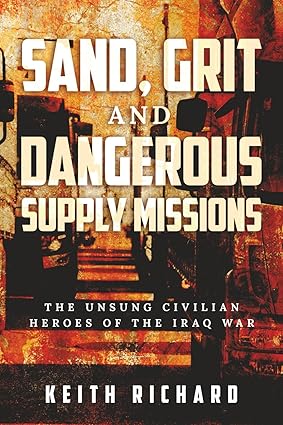
Keith Richard’s Sand, Grit and Dangerous Supply Missions offers a vivid and personal account of civilian logistics operations during the Iraq War, told from the perspective of someone who lived it firsthand. The book follows Richard’s unexpected journey from a seasoned logistics executive in the U.S. to leading one of the largest civilian military support efforts in a war zone. Through stories packed with emotion, hardship, and bureaucratic chaos, he lifts the curtain on the thousands of unsung civilian workers. Many of them are truck drivers who put their lives on the line without a uniform or a weapon. It’s part memoir, part tribute, and part exposé of how civilian contractors played an essential but invisible role in modern warfare.
I found the writing to be raw, honest, and sometimes unpolished, but in a way that works. Richard doesn’t try to sound like a polished author. He writes the way he talks, which makes the whole thing feel personal, like a friend telling you a war story over coffee. Some chapters hit hard, especially the ones where lives are lost or where Richard grapples with the emotional toll of being away from his family. But just as powerful are the quiet moments: awkward airport layovers, cigarette breaks with skeptical soldiers, dusty meetings in sweltering trailers. Those little things made the story feel real. The voice is genuine and heartfelt, though sometimes a bit repetitive or tangential. But I didn’t mind. It gave the story a rhythm that felt true to the chaos he was living through.
What I liked most were the ideas beneath the surface. This book isn’t just about logistics or war. It’s about leadership, identity, and purpose. Richard steps into a role that he never could’ve fully prepared for, and instead of folding, he adapts. He leads through grit and connection, not ego. That said, there were moments when I wished he pushed harder on the system itself. The bureaucracy and mismanagement he described were shocking. Maybe that’s loyalty, maybe it’s diplomacy. Either way, the book raises important questions about how we treat the civilians who support military efforts and whether we even acknowledge them at all.
I’d recommend this book to anyone interested in military history, leadership, or stories of resilience in the face of overwhelming odds. It’s especially compelling for those who’ve worked in logistics or operations, since it highlights a side of war that’s rarely talked about but absolutely vital. It’s a gritty, heartfelt memoir that gives voice to the everyday heroes who get left out of the headlines.
Pages: 150 | ASIN : B0F91X5ZYD
Pieces Falling: Navigating 9/11 with Faith, Family, and the FDNY
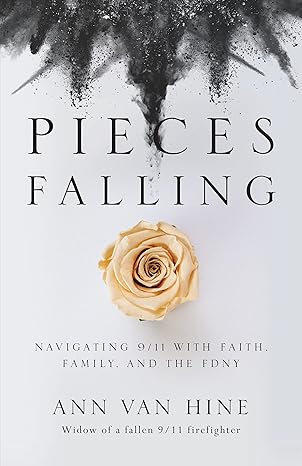

Pieces Falling is a deeply personal and faith-filled memoir that traces the journey of Ann Van Hine following the tragic loss of her husband, Bruce, a New York City firefighter who perished in the September 11 attacks. The book isn’t just a recounting of that infamous day, it’s a layered narrative that stitches together memories of love, family life, and an unshakeable faith in God. From the first chapter, “Blessed,” where Bruce speaks those words just two days before his death, to the final reflections in “The Story Continues,” Van Hine invites readers into her home, her heartbreak, and ultimately, her healing.
Reading Pieces Falling was like sitting across from a friend at a kitchen table, sipping tea, hearing her speak with unwavering honesty. Van Hine’s writing doesn’t hide behind polished prose. It breathes. She doesn’t dramatize the trauma of 9/11, yet somehow, she makes it more human than any headline ever could. The chapter “My Free Day” captures the eerie calm of a normal morning unraveling into history. Her voice, clear and vulnerable, recounts everything from feeding the dog to hearing the second tower fall, all while praying Bruce would somehow come home. It’s raw and achingly intimate.
Ann doesn’t write as a victim. She writes as a mother trying to keep dinner on the table, as a widow asking God hard questions, as a woman trying to explain to her daughters why their dad isn’t coming back. Her scene describing the family gathered in her bed on the night of the attack, making tea, trying to sleep, left me with tears in my eyes. But she never stays in sadness for too long. There’s humor. There’s humility. There’s joy in the ordinary. And I appreciated that balance more than I can say.
Faith pulses through this book. Not in a preachy way, but as a lifeline. Verses scribbled in the margins of her Bible. Dreams that felt like whispers from God. I don’t think I’ve ever read a book that handled faith and grief with such a real-world tenderness. It made me reflect on my own ideas of control, surrender, and what it means to hope when there’s no guarantee.
Pieces Falling isn’t just for people who lived through 9/11 or who know what it’s like to lose someone in uniform. This book is for anyone who’s ever had their life turned upside down and wondered how to stand again. It’s for the faithful and the questioning, the broken and the rebuilding. I would recommend it without hesitation to readers of memoir, especially those interested in stories of resilience, grief, motherhood, and quiet strength. Ann’s story is heartbreaking, yes. But it’s also comforting. Because in all the brokenness, she reminds us that light still finds its way through the cracks.
Pages: 238 | ASIN : B09B7VVYKX
CCNY Made: Profiles in Grit

CCNY Made: Profiles in Grit by Ronnyjane Goldsmith is an engaging anthology that delves into the lives of some of the most notable alumni from The City College of New York. Through a series of compelling narratives, the book highlights figures such as Andrew Grove, a survivor of both Nazi occupation and Communist Hungary, who later pioneered Intel’s philosophy of “creative confrontation.” The collection also includes a profile on Edgar Yipsel Harburg, who rose from poverty on Manhattan’s Lower East Side to pen the lyrics for The Wizard of Oz, including the iconic song “Somewhere Over the Rainbow.”
This book has profoundly impacted my perspective on the boundless potential inherent in every individual, regardless of the obstacles they face. For example, Ben Shahn, a Lithuanian immigrant who arrived in the U.S. without any knowledge of English, eventually became a pivotal social critic among twentieth-century painters. CCNY Made explores three central themes—politics, history, and social issues—offering readers a well-researched journey with extensive references to other significant works. This aspect has piqued my interest in exploring Upton Sinclair’s The Jungle, which is known for its historical controversy. The book caters to a broad readership, from CCNY alumni and current students to enthusiasts of inspiring biographies and historical narratives. It portrays a rich tapestry of characters from various backgrounds who have made notable contributions to fields such as art, business, literature, music, politics, and film. The inclusion of direct quotes and black-and-white photographs enhances the connection between the reader and these influential figures.
Ronnyjane Goldsmith masterfully contrasts the humble beginnings of these individuals with their later achievements, crafting a narrative that is as inspiring as it is educational. CCNY Made serves as a poignant reminder of the profound impact one person can have on society, encouraging every reader to recognize and reach their own potential. This book is not just a collection of biographies but a source of motivation that echoes through generations.
Pages: 274 | ASIN : B0CRYWP4DJ
History Isn’t Always Black and White

The Rise and Fall of the Sideshow Geek explores the unique, lesser-known area of entertainment history and how it impacted performing arts and societal changes. Why was this an important book for you to write?
It was important for me to write this book because there was remarkably little written on the subject previously. There are plenty of books on sideshow that elaborate on various acts, but the geek act is always just sort of glossed over in the history books. I am not only fascinated by the geek act on a personal level, but given how it is essentially a dead act with such a deep history, I felt it would be valuable to release a detailed work on the subject.
How much research did you undertake for this book, and how much time did it take to put it all together?
I did a tremendous amount of research for the book. I visited libraries, corresponded with academic institutions, read through hundreds of newspaper achieves, and ended up interviewing nearly a dozen people for the project that had expertise on the subject of geek (including three people that actually performed as geeks decades prior). This is not to mention the numerous books, cabinet cards, and old sideshow pitchbooks that I procured for the project. My Works Cited section alone is 32 pages long. It took five years of research and writing to put everything together.
What were some ideas that were important for you to share in this book?
I wanted to help granulate the definition of the the sideshow geek because any source you find is going to have a different definition. For one of the chapters, I interviewed numerous thought leaders in sideshow and consulted numerous historical sources to help answer the question “What is a sideshow geek?” as I searched for commonalities among the various perspectives. I also wanted to explore the very evolution of the word linguistically and how much the meaning of the word “geek” has shifted away from sideshow in recent generations to mean something completely different by todays standards.
Naturally, with a book like this that deals with a controversial historical subject, it is important to take the good with the bad. My perspective was to report the history of the geek act in a relatively impartial way without taking a strong moral stance and let the reader draw their own conclusions. History isn’t always black and white, so it’s important to be aware of nuance when you are examining something historically that took place in a different time period and wasn’t restricted to a singular occurrence.
Will there be a follow-up book to The Rise and Fall of the Sideshow Geek? If so, what topics can readers expect in the next book?
Absolutely. I’m working on the follow-up now. It will be very similar to The Rise and Fall of the Sideshow Geek in the sense that it will also be a sideshow book that deals with the history of another gruesome sideshow act. However, this time I am wrapping the general history around a personal quest of myself trying to solve a real-life showbusiness mystery regarding one of the most extreme practitioners of this particular type of act. Essentially, I’m going to discuss the history of the genre he performed in while trying to figure out his true identity. Will I succeed? Find out all about it in my next book!
Author Website
The Rise and Fall of the Sideshow Geek: Snake Eaters, Human Ostriches, & Other Extreme Entertainments

Nathan Wakefield’s The Rise and Fall of the Sideshow Geek offers an insightful exploration into the historical phenomenon of the sideshow geek, a term that has significantly evolved over time. Unlike today’s association with technology enthusiasts or experts in niche topics, the original ‘geek’ was a carnival sideshow performer known for engaging in shocking acts, such as biting off chicken heads or eating snakes. Wakefield delves into the lives of these performers, many of whom portrayed themselves as ‘wild men’ adorned with mud and fur, captivating Victorian audiences with their bizarre and often grotesque performances.
Wakefield’s research is thorough, bolstered by a wealth of references, sources, and visual aids, including vintage photographs and drawings. He enriches the narrative with interviews from former geeks, providing a personal touch to the historical recount. The writing is approachable and engaging, taking readers into a world rarely visited. The vivid descriptions of the acts, some involving animal cruelty, can be unsettling, reflecting a bygone era’s entertainment values vastly different from today’s standards. The book also touches on the poignant life stories of the geeks, many of whom were simply striving to make a living under challenging circumstances.
This book will likely attract readers interested in unique historical narratives, particularly those pertaining to entertainment and societal changes. Readers intrigued by historical narratives and unique entertainment forms will find this book enriching. However, it’s worth noting that its vivid portrayals of past practices are best appreciated by those with an interest in the more graphic aspects of history. Wakefield’s work serves as a reminder of the evolving nature of entertainment and the human inclination towards the unconventional while also acknowledging the darker aspects of these historical practices.
Nathan Wakefield’s The Rise and Fall of the Sideshow Geek is a meticulously researched and engagingly written work, offering a unique window into a lesser-known chapter of entertainment history. It skillfully balances historical detail with human stories, making it a compelling read for those fascinated by the evolution of performance art and societal change.
Pages: 523 | ASIN : B0CW2TRWJX



 LITERARY TITAN