Blog Archives
Live a More Informed & Enriched Life

Down to Earth: Demystify Intuition to Upgrade Your Life is a thoughtful blend of personal stories, practical exercises, and scientific studies showing readers that intuition is not a mystical talent, but an everyday skill that can be honed. Why was this an important book for you to write?
I am convinced that tapping into intuition can help us live more informed and enriched lives. I developed simple ways to tap into intuition and wanted to share these with as many people as possible. Intuition always held a special place in my life, and became more important after a life-altering event that brought moments of deep mental and emotional peace. I talk about this in the Introduction of my book. I often came up with creative ideas and solutions to long-standing problems while I was in this mentally and emotionally calm state which activated my intuition. Curious about this process, I began researching intuition. I studied with various teachers, completed an apprenticeship, and read every book and scientific study on intuition I could find. I started offering intuitive guidance sessions and eventually developed my own approach to help clients access their intuition more effectively. As more people joined as students, I created a curriculum that later became the foundation of my book, Down to Earth: Demystify Intuition to Upgrade Your Life, published on September 15, 2025.
What is a common misconception you feel people have about intuition and a person’s ability to develop it as a life skill?
Some people think that intuition is a special skill that only highly intuitive people have. In reality, it is a readily available skill that we all have and even use without realizing it. Intuition is a form of knowing or a sensation we get about something or someone without any prior conscious thought process. It draws on the knowledge and experiences we accumulate throughout our lives. There are many activities that we engage in without consciously thinking about every move and every step such as playing a sport or cooking. There may be some parts of these activities that require conscious analysis but for the most part, we just go with what we sense and muscle memory. We also use our intuition a lot socially. We sense if someone is tense or relaxed just by noticing their posture or the pace of their breath. All of this is intuition in action. It gives us useful information that can help guide our decisions and actions when we learn how to interpret and combine it with logic and other inputs such as research for due diligence.
I loved that you used neuroscience and psychology research as well as provided readers with examples and exercises to gain a better understanding of intuition. Did you find anything in your research of this book that surprised you?
In many cases, my exercises and guided meditations were inspired by students and clients based on what they needed to figure out. I tried these exercises with others, and if they worked, I included them in my book. I also used slow intuition. This type of intuition is activated when you take a break from trying to solve a problem and do something that calms your mind and emotions. Researchers such as Kenneth Gilhooly have described how nonconscious processing occurs during these break periods as intuition gets activated. It was surprising for me to learn that stepping away for such a break right after being introduced to a problem results in more creative solutions compared to working on the problem for a while then taking such a break when you get stuck. For example, you look at what the problem is, then go for a quiet walk in nature even before making your first attempt at solving it. I talk about this in the last chapter of my book.
What is one thing that you hope readers take away from Down to Earth?
I hope that readers discover ways to tap into intuition that work well for them and combine their intuition with logic and other inputs to make more grounded decisions, improve relationships, and take better care of themselves. As people connect more with their intuition, they can understand themselves and each other more deeply. This can cultivate greater compassion for themselves and others making the world a better place for all of us.
Author Links: GoodReads | Facebook | Website
If you’ve ever wondered how to harness your intuition to make better, more informed decisions, this is the practical guide you need. In Down to Earth, intuition teacher Nil Demircubuk guides you in understanding how to distinguish your conscious thoughts from your intuition, then intentionally combine it with your intellect for everyday decision-making and personal growth.
The book introduces “priming,” a method for tapping into intuition by achieving mental and emotional calmness, offering several techniques tailored to different learning styles. As you practice reaching this state and tuning in, you’ll also learn what makes your intuition come alive through a non-conscious process.
Through easy-to-follow exercises, real-life applications, and client stories, Down to Earth helps you use your intuition to make better decisions, improve relationships, navigate challenges, and enhance self-care.
Down to Earth: Demystify Intuition to Upgrade Your Life
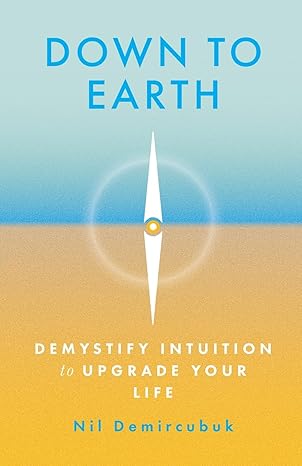

Down to Earth: Demystify Intuition to Upgrade Your Life is a thoughtful blend of personal stories, practical exercises, and scientific studies. Author Nil Demircubuk lays out intuition not as a mystical talent but as an everyday skill, one that we all carry yet often forget to use. The book moves step by step, first explaining what intuition is and how it shows up in daily life, then offering exercises to tune into it more deliberately. She mixes neuroscience and psychology research with approachable examples and even playful assignments, which makes the book read less like a lecture and more like a conversation with a wise friend.
Reading this book, I felt both reassured and challenged. I liked the way Demircubuk stripped intuition of its usual mysticism and treated it as something practical. Her writing has warmth, and the personal stories sprinkled throughout made the concepts come alive. I found myself nodding when she talked about ignoring gut feelings and regretting it later, because who hasn’t done that? At times, the research examples slowed me down, yet I appreciated that she backed up her claims with evidence rather than relying only on personal testimony. The mix of science and storytelling struck a nice balance, though occasionally I wished she had leaned harder into her own experiences, which were some of the most compelling parts.
What really surprised me was how usable the exercises were. I tried a couple of her journaling prompts, and to my surprise, they worked. I caught small flashes of intuition that I usually dismiss. The tone of the book is encouraging without being pushy, and it never once felt like she was talking down to me. The book reiterates the idea that intuition is accessible to everyone. The honesty of her voice and her clear care for the reader softened the delivery. It felt less like she was preaching and more like she was reminding me of something I already knew but had buried.
I’d recommend Down to Earth to anyone who feels stuck in overthinking or who second-guesses every decision. It’s especially suited for people who like a mix of science and spirituality but don’t want anything too airy. If you’re curious about intuition yet skeptical of mysticism, this book bridges the gap with warmth, practicality, and an open mind. It’s not a book to skim. It’s one to sit with, dog-ear, and revisit when you need a nudge back to yourself.
Pages: 205 | ASIN : B0FHX85T4J

Liam’s Lost Sparkle

A young girl named Maya eagerly anticipates her favorite part of the day, going to school. It’s art day, and she can’t wait. But when she arrives at her usual seat, she finds Liam sitting there. Something is off. Liam isn’t his usual self; he’s quiet, withdrawn, clutching a toy spaceship, and unwilling to participate in class. Maya is frustrated at first; her spot was taken, and Liam didn’t even engage in the activity. Curious and concerned, Maya turns to her teacher and learns that Liam’s best friend has moved away.
Instead of staying upset, Maya chooses kindness. She offers to help Liam complete the rocket ship he and his friend had started together. Through this thoughtful gesture, she watches Liam slowly begin to regain his lost sparkle.
Liam’s Lost Sparkle is a tender, insightful story that offers a meaningful lesson in empathy and emotional awareness. Maya’s response to Liam’s sadness is not just compassionate, it’s proactive. Rather than focusing on her own disappointment, she seeks to understand and support a classmate in need. This kind of emotional intelligence, especially when portrayed through a relatable child character, resonates deeply with young readers.
The illustrations are bright, engaging, and brimming with warmth. Each image enhances the story, bringing its characters and emotions vividly to life. At the end of the book, readers are invited to reflect with thoughtful questions, encouraging deeper conversations between children and adults. Additional activities, like crafting “feelings glasses” or practicing small acts of kindness, extend the story’s impact beyond the page.
Liam’s Lost Sparkle is highly recommended for children learning to navigate their emotions and understand those of others. It would be a valuable addition to any classroom or pediatric waiting room, where empathy, understanding, and emotional growth are essential themes.
Pages: 35 | ASIN : B0FG3L929K

Dogg the Cat

Dogg the Cat is a playful and tender picture book about a cat who dreams of becoming a dog. His owner, kind-hearted and open-minded, doesn’t just accept this unique wish, he embraces it. With curiosity, compassion, and a bit of internet research, they explore the world of dogs together. Along the way, we learn all sorts of fun facts about dogs, from their superpowered sense of smell to their ability to understand words and routines. The book ends on a joyful note: a cat named Dogg who feels fully seen, supported, and happy just as he is (or wants to be).
I really enjoyed this wonderful children’s book. The writing is simple but clever, with just the right amount of humor and heart. It walks a fine line—playful enough to charm kids, thoughtful enough to tug gently at adult emotions. The pacing is quick, but not rushed. There’s a natural rhythm to it, and the voice of Dogg is both quirky and honest. The blend of storytelling and animal trivia is surprisingly smooth. It never feels preachy or forced—it’s more like a cat joyfully rambling on about why dogs are awesome, and it’s kind of delightful.
What really stuck with me, though, was the message. It’s subtle, but strong: you can be who you want to be, especially when someone’s in your corner. There’s something sweet and quietly profound about a story that encourages kids to follow their instincts and to love others for exactly who they are—or who they’re becoming. And the illustrations are bright and full of character. They add extra warmth and energy to a book that’s already got a lot of heart.
I’d absolutely recommend Dogg the Cat to families with little ones, especially ages 4 to 8. It’s great for animal lovers, daydreamers, and any kid who’s ever felt a little different. Teachers and librarians will also find it useful for classroom read-alouds. It’s short, funny, and ends on a sweet, positive note.
Pages: 40 | ASIN : B0DZW5WB11
Carnival Chaos-The What-If Kid

In Carnival Chaos, Nicole Drinkwater tells the story of Kale, a curious, anxious young boy navigating the sensory overload of his first carnival experience. From the spinning Ferris wheel to clowns towering above him, every moment brims with questions and wonder. Guided by his calm and supportive mother, Kale slowly faces his fears and ends the day not just braver, but full of joy and pride. The story wraps up with a tender bedtime scene and a gentle reminder that worry is a normal part of life.
What struck me most was the raw honesty in Kale’s questions. The writing feels real, like a child whispering every thought that crosses their mind. It’s whimsical, yes, but also grounded in the truth of what it’s like to be small in a big world. I loved how the mother answered each fear with patience and love, never brushing him off. There’s a quiet beauty in how she holds space for his feelings. The rhyme scheme flows smoothly, with a natural rhythm that makes it a pleasure to read aloud.
I also really appreciated the emotional arc. Kale’s transformation from a bundle of nerves to a joyful little adventurer is subtle but powerful. That’s what makes this book stand out. It’s not just about a carnival. It’s about courage, trust, and the quiet magic of being seen and supported. The illustrations are bright, bold, and full of heart. The colors are vibrant and the characters are expressive, which helps young readers connect with their emotions. Overall, the artwork adds warmth and depth to the story, balancing the chaotic energy of the carnival with the calm, steady presence of a loving parent. I also loved how the story slowly transitions from day to night as the story progresses.
I’d recommend Carnival Chaos to parents, teachers, or anyone raising or working with a sensitive or imaginative child. It’s a warm, reassuring read that acknowledges fear without judgment and celebrates small victories. It’s sweet, soothing, and full of heart.
Pages: 30 | ASIN : B0F6TP65Y3
One Grain of Sand
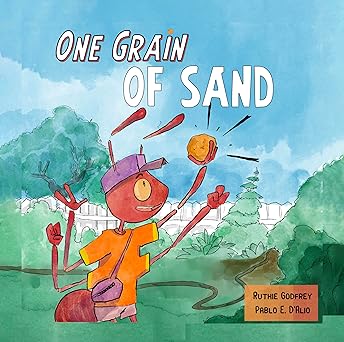
This sweet children’s book by Ruthie Godfrey starts with a colony of ants who are thrown into chaos when what they think is an earthquake turns out to be a dog named Scruffy digging with wild abandon. Their carefully built home is in shambles. Just when things look a little hopeless, an elder ant shares how the colony was first built—patiently and bit by bit, “one grain of sand at a time.” Inspired by that wisdom, the young ants rally together and rebuild their home through teamwork and determination. It’s a simple message wrapped in a colorful and heartwarming tale.
There’s something so powerful about how the book takes such a big idea—perseverance—and shrinks it down into something kids can really get. I loved the part where the elder ant said, “Each day we worked. Little by little, bit by bit.” It’s the same thing I tell my students when they’re frustrated with math or trying to read a big book. The story doesn’t shy away from showing how hard things can feel at first, which makes the ending so satisfying.
And oh my goodness, the illustrations! Pablo D’Alio nails it. The ants are full of personality, especially the one in the purple cap—my kids started cheering when he rallied everyone. The expressions are priceless, and the way the chaos of the dog turns into organized teamwork by the end is just awesome.
One Grain of Sand is a gem. It’s the kind of picture book that’s fun to read out loud, sparks big conversations, and leaves kids feeling like they can do big things—even if it’s one tiny step at a time. I’d recommend it for any classroom, especially early elementary. It’s also a great pick for bedtime reading with a message that sticks. Teachers, parents, counselors—basically anyone raising or teaching little humans—this one’s for you.
Pages: 37 | ASIN : B0D8RCYXF4
Your Road to Yes!: How to Build Trust in Yourself and with Others
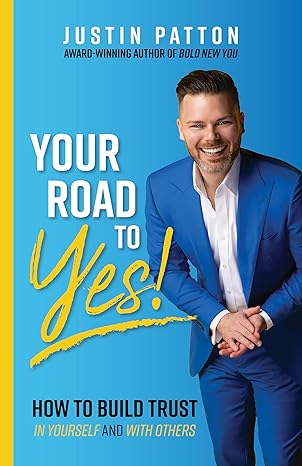
Your Road to Yes! is a heartfelt and gutsy exploration of what it really takes to build trust—within yourself and with others. This book isn’t just about professional growth; it’s about personal healing too. Author Justin Patton breaks down trust into its moving parts, then rebuilds it with fierce honesty, storytelling, and practical advice. From everyday situations to life-changing revelations, he guides readers through what trust looks like in action, why it fails, and how to rebuild it. If Leadership Presence was about how to show up, Your Road to Yes! is about why showing up matters in the first place.
I liked how deeply personal this book is. Patton doesn’t just teach trust—he lays bare his own journey. In the first chapter, he shares a story about crashing his bike as a kid and how his tough Air Force dad gently carried him home and bandaged his toe. That moment, he writes, was his first real memory of trust. It got me thinking about those rare times in life when someone showed up for me with zero judgment. It’s this emotional openness that gives the book its power. Another example that resonated with me was the anecdote about his mom—how she never gave up on their relationship, even when things weren’t perfect. It made me reflect on how many times I’ve let silence kill trust in my own life because I didn’t want to rock the boat. Patton flips that idea. He says silence is our biggest threat, and that message echoed throughout the whole book like a wake-up call.
From a practical standpoint, this book is a toolbox. Patton outlines what erodes trust (like emotional exhaustion and fear-based leadership), and how to repair it with consistent action, transparency, and tact. I really appreciated how he framed trust as something both given from the heart and earned through the head. That balance stuck with me. He’s not shy about calling out performative leadership or the culture of busyness that drowns real connection. He talks about managers needing to stop hiding behind productivity metrics and actually invest in their people. I especially loved the chapter on trust being your “biggest competitive advantage.” It’s not just a nice idea—he backs it up with research and real-world coaching stories. And yet, it’s written in such a warm, down-to-earth tone.
Your Road to Yes! is equal parts pep talk and soul check. It’s a tough but loving reminder that trust doesn’t just happen—it’s built moment by moment, conversation by conversation. If you’ve ever felt like you were walking on eggshells in a relationship, or like your voice didn’t matter at work, this book will crack something open for you. I’d recommend it for leaders, parents, partners—honestly, anyone who wants deeper, healthier relationships. It’s also perfect for folks feeling stuck or burned out, looking for a more grounded way to lead and live.
Pages: 164 | ASIN : B0B4PFGPJD
Receptive and Ready – How to Thrive on Developmental Input

Receptive and Ready delivers a compelling exploration of a critical yet often overlooked skill: the art of receiving feedback. Artell Smith and Betsy Hagan present a practical guide for transforming feedback into a tool for self-improvement, equipping readers with the mindset and methods to thrive in professional environments. The book distills decades of combined experience into actionable insights, creating a resource that resonates with anyone eager to grow and succeed. Smith and Hagan empower readers to approach feedback with confidence and curiosity. They offer strategies for managing emotional responses, fostering productive dialogue, and embracing growth opportunities.
The book’s strength lies in its multidimensional approach. It blends technical guidance with thoughtful exploration of the emotional and psychological aspects of feedback reception. Interactive elements, such as discussion questions at the end of each chapter, prompt readers to engage deeply with the material and relate it to their own experiences. Real-world examples, like the case study of Rose, demonstrate how to apply feedback analysis tools in practical scenarios, bringing abstract concepts to life. The authors draw inspiration from thought leaders like Stephen Covey, Carol Dweck, and Brené Brown, integrating these foundational theories with their own insights. This synthesis results in a cohesive narrative that balances intellectual rigor with practical relevance. The book’s frameworks are versatile and adaptable, making them applicable across industries and roles, which broadens its appeal to a wide professional audience. Written in a clear, conversational style, Receptive and Ready communicates complex ideas in an accessible way. The tone is empathetic and motivational, reflecting the authors’ genuine desire to help readers unlock their potential. By blending theory with actionable advice, the book strikes a balance that is both thought-provoking and immediately applicable. Although it covers a broad range of topics, the content remains focused and digestible, avoiding the pitfall of overwhelming readers with excessive information. The depth of research and detail in the book underscores the authors’ expertise and dedication. Drawing on established theories while introducing fresh perspectives, Smith and Hagan provide a well-rounded exploration of feedback dynamics. Their guidance extends beyond workplace interactions, offering valuable insights for leaders, professionals, and lifelong learners striving for personal growth.
Receptive and Ready is a standout contribution to self-improvement and leadership literature. Its actionable strategies, relatable anecdotes, and empathetic tone make it an invaluable resource for mastering the transformative power of feedback. Smith and Hagan deliver a clear and engaging guide that inspires readers to embrace feedback as a catalyst for growth.
Pages: 117 | ASIN : B0DNNY3XQ5



 LITERARY TITAN