Blog Archives
A Personal Journey

In the Face of the Foe is a collection of three tales following British prisoners of war struggling with choices that could either end their lives or set them free. What was the idea, or spark, that first set off the need to write this book?
My grandfather endured the majority of the Second World War as a prisoner of war. As a child, my limited memories of him are of a quiet, withdrawn man, who spent a large part of the day either in bed smoking his hand-rolled cigarettes or absent down the local pub. Now an adult and novelist, with a better understanding of the past and the suffering that forged the man I knew, I wanted to ‘talk’ about the world he was unable to: celebrate his and all his fellow POWs’ bravery and endurance. Through no fault of their own, they found themselves confined and forgotten as the world focused on the combatants and battles, while those lucky enough to return home after the war received no hero’s welcome, carrying guilt and their trauma for the remainder of their lives. So, I wanted to write a series of character-driven adventures, which never shun the darker side of prisoner of war life, but afford the protagonists their moment in the sun, replacing the unrelenting boredom of confinement with a heroic burst: a fact-based framework, supporting some fantastical adventures. This was not about claiming some unwritten truth but manoeuvring through the bustling crowd of heroic men and women from this golden generation and ensuring the POWs are noticed amongst them too.
How much research did you undertake for this book, and how much time did it take to put it all together?
Like all my novels, there is a long gestation period as ideas form, and I develop my knowledge, laying the foundation upon which I build my characters and narrative. Understanding my grandfather’s military service was a personal journey, not driven by a desire to borrow for my writing, but it certainly inspired me. Within the UK, family members can request the service records of those in the military in WW2. The documents are all penned in a matter-of-fact manner, with entries like ‘missing in action 25 May 1940’ or ‘war crime witness’. It stirs more questions than answers and encourages the author to populate the holes. Fortunately, we also have excellent regimental museums, holding the official records of the actions of their battalions. I was most grateful to receive from one of the select paragraphs which told the sorry tale of my grandfather’s battalion and its short-lived role in the first year of the war. Combining this personal research with the benefit of wonderfully researched non-fiction books and memoirs of survivors gave me a hint at the world to implant my hero within. As an author of adventure tales, I occasionally utilized my artistic license to bend the historic facts, adjusting the scenery for the action, but keeping it within an accurate historic stage remained important, and this would have been impossible without the contribution of other sources.
What were some themes that were important for you to explore in this book?
War is abhorrent and not worthy of celebration. However, the individuals dragged into war always have a worthwhile story to tell. The human spirit is tested to the extreme: there is the worst of humanity and the best, and it’s often the case that one side or one individual carries elements of both. In these tales, choice has a small role; it is necessity with survival at stake that shapes the lives of the prisoners. How they react, pull together, break down, recover, ride their luck, or make it through tells us about their core character, the weaknesses, and strengths. The final story in the collection is very important because, although told after the war, it explores how the experience of war and imprisonment has shaped and scarred Jock. His fight to survive the war did not end in 1945, and on release from the stalags, it followed him and directed him until his death in 1984. I question the legitimacy of the old adage, what doesn’t kill you makes you stronger, but there is something admirable about finding the strength to survive what killed so many others.
What is the next book you are working on, and when will it be available?
From the past, I will return to the future and work to finish the third and final book in my Liberty series, a dystopian adventure that explores the meaning of freedom in a broken world. Previously, the novels looked at how fear and ignorance impinge on our liberty (Liberty Bound) and how lies and illusions can be confused for freedom (Where Liberty Lies). In this final work, I want to explore the fragility and endurance of liberty, delivering my protagonists into another maelstrom of danger and suspense. It could take a while to finish it, so I may also take a small diversion to write a children’s novel. Too many children’s books unsubtly preach today, and I have in mind an old-fashioned treasure hunt adventure, where the children succeed because they do what children do: make mistakes, cause mischief, but grow through friendship, role models, and experience.
Author Links: GoodReads | Facebook | Website | Amazon
After surrendering to the all-conquering Wehrmacht in France in May 1940, Jock faces five years of captivity in distant Poland under the brutal Nazis, and a lifetime of trauma and torment from his memories. Disarmed and forgotten, starved and mistreated, Jock and his friends have their own battles to fight; none greater than surviving the war and then rebuilding their lives.
Triumphant Where It Dares Defy (1941) – For those in the British army captured holding back the advancing Germans, allowing their comrades at Dunkirk to evacuate, things look grim. The Nazis have stolen their freedom and dignity, but after a year in captivity, it’s time to steal something back. Against his better judgement, Jock Mitchell finds himself at the centre of a brazen plan to give Hitler a bloody nose. To succeed, he needs to break out of the prison camp… and back in.
A Place More Dark (1945) – After five years of hell, it’s about to get worse for the prisoners of Stalag XXA. Pawns in a deadly World War endgame, victory for the starved inmates is surviving their brutal Nazi overseers and an unforgiving winter’s march across Europe. Weak and a shadow of the man he once was, Jock still finds the strength to rescue the most unexpected of companions from the dangers of war-torn Europe. (Literary Titan Gold Book Award winner, Finalist in the Independent Authors Network Book of the Year Award 2025)
For All the Treasures Buried Far (1948) – (exclusive to this edition) – Germany has surrendered, but for the survivors from Stalag XXA, their war never ends. Still a prisoner of the ghosts and demons from his time as a captive under the Nazis, Jock returns to Poland, where death offers a drastic means of escape from his internal torment. But a greater, more appealing prize awaits if he can survive one last adventure in a new type of war against an old ally turned enemy, the Soviet Union.
In the Face of the Foe


In the Face of the Foe brings together three wartime tales that follow British prisoners of war and the strange mix of fear, grit, and shaky hope that shapes their survival. The story opens inside Stalag XXA, where boredom and danger sit side by side. Men spar, argue, dream, and stumble into choices that could kill them or free them, sometimes on the same night. The early chapters move from camp politics to tense missions beyond the wire, and the book keeps piling on moral knots that force each character to decide what they are willing to risk and who they want to be.
As I moved through the book, I felt myself leaning in, drawn by the rough humor and the raw strain between the men. The writing feels direct and sharp. It never hides the ugliness of fear. It also never forgets that soldiers can be petty and foolish and brave all at once. I liked how the author gives room for small moments that say more than the big ones. A quiet exchange over stolen cherries, the sting of a bad joke, the uneasy pause when a guard appears in the dark. These details felt honest, and they gave me a sense of standing right there in the mud with them. The dialogue sometimes slips into playful banter, and I found that mix of light and dark strangely comforting. It felt real in a way that polished war stories often miss.
The book kept raising questions without preaching. What does loyalty look like when every man is starving? What does courage mean when the cost falls on someone else? Some choices hit hard. One scene with a child had me holding my breath because the moment felt too close to the edge. The tension built slowly, then snapped tight. The writing does not tidy up the mess afterward, and I appreciated that honesty.
It is a story for readers who enjoy wartime fiction that focuses more on people than battlefields. Anyone who likes character-driven plots, moral puzzles, and a close look at the fragile ties that hold people together will find a lot here. I would recommend it to readers who want grit without glamor and heart without sentiment.
Pages: 508 | ASIN : B0G1K6GG7F

Hard Evidence
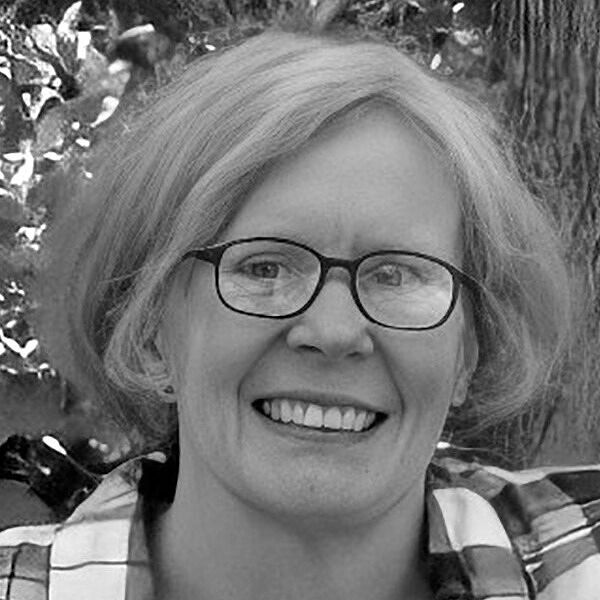
Red Anemones follows a woman’s search for her buried Jewish heritage, unfolding into a multi-generational story of love, resilience, and moral awakening across 20th-century Germany and America. What inspired you to explore your genealogy, and how did that journey shape Red Anemones?
Since I come from a small family, I’ve never been particularly interested in genealogy. There aren’t that many of us that I know about, especially on my mother’s side. Both my parents were the youngest in their families by nearly a generation, so I never met my grandparents or very many extended family members personally on either side, and in most cases, have never seen pictures of them, so I’ve never given any of them much thought.
Then, one cold and rainy Sunday afternoon in late winter of the second year of the COVID crisis, for reasons that involve boredom but otherwise remain a mystery to me, I decided to search my maternal grandmother’s name on a genealogy site, and one thing led to another. I learned that her mother, Bertha Michael, immigrated from Germany, passing through Ellis Island late in the 19th century. Finding that her surname was of Jewish origin, I learned that 446 records containing that surname end in Holocaust death records. Further investigation suggested that 49 of these individuals were likely either directly or indirectly related to my great-grandmother and, by extension, to me. I sat with the emotional chaos and horrifying realization that I had family members who died in Nazi death camps, induced for more than a month, allowing it free rein to sort itself out.
Discovering I was a matrilineal Jew confirmed something I’d long suspected, had hard evidence to support, and was thrilled to know is true. But this was all I knew, because throughout her life, each time I tried to talk to my mother about it, she was struck deaf and refused to acknowledge this reality in her life – and in mine.
Meanwhile, Bertha has taken up rent-free residence in my head and refuses to leave. Ultimately, I determined I had no choice except to write her story as best I could imagine it, given I knew almost nothing about her.
The novel balances historical scope with intimate emotional depth. How did you find that balance in your writing process?
Once I decided to write Bertha’s story, it took on a life of its own, and I just followed the characters wherever they wanted to go, letting them do what they wanted to do and say what they wanted to say. I was merely the vehicle through which they expressed themselves, and I encouraged them to write their own story with the least amount of interference possible from me. They were all very articulate, which made my job much easier.
Nathalie’s internal struggle between duty and freedom feels personal. Was she drawn from your own experiences or someone in your family’s history?
Good question! My best guess is that on some level, nearly every woman of Nathalie’s generation struggled with the conflict between what they wanted for themselves and what society, culture, family, and religion demanded of them. It seems to me this struggle is historical, universal across generations, and endemic to the female experience, and in that sense, there is a personal component to Nathalie’s struggle. However, I made different choices than she felt she could make.
While women today have more freedom, choices, and opportunities than Nathalie did, many continue to face the challenge of balancing what they want for their lives with what others expect of them. What’s very interesting to me on a personal level is that my mother, her sister, and her brother all graduated from major colleges/universities, which was almost unheard of for women, and for many men, in early 20th-century America, and was an expectation that was passed down to me.
The prose feels deliberate and lyrical. Which writers or works most influenced your style and storytelling voice?
This is a hard question to answer because my characters define the style and voice of the story themselves. I focus my efforts on character development, then put the characters in charge of the story, get out of their way, and let them tell it however they want to. If I disagree with where they’re going, I invite them to take a walk so we can discuss it, with a view toward finding common ground we can both live with. My intention always is to create characters who, one way or another, are good storytellers, then let them do what they do best.
In terms of non-fiction, David Marraniss is one of the most beautiful writers I’ve ever read in terms of both style and storytelling ability. His descriptions bring a story to life in ways most non-fiction writers don’t.
Fiction, however, is a little different in that there is much more room for creativity and imagination, and no two authors are alike in terms of how much control over the story and their characters they exert, how much they surrender to their characters, and how much they retain for themselves.
Author Links: GoodReads | Facebook | Website | Amazon
Natalie Barlow’s journey of self-discovery begins when her estranged mother’s sudden death releases a storm of unrevealed family secrets reaching back to pre-WWI Germany.
As Natalie navigates the complexities of her newly discovered Jewish identity and her ancestral heritage, she comes face-to-face with the early 20th-century German immigrant experience, which included strong anti-German sentiment and deep antisemitism that prevailed across America.
Through diaries and letters her mother saved, Natalie learns of the personal costs this ugly reality extracted from generations of her own family. Ultimately, she must confront the question of her own identity.
Like Israel’s red anemones carpeting the western Negev and Dvira Forest of the Judean foothills year after year, Natalie is determined, no matter the personal costs, to find the courage, resiliency, and passion to embrace the changes that bring new beginnings. Inspired by a true story.
Revenge of the Sisters: A Tale of Retribution (Regina of Warsaw)
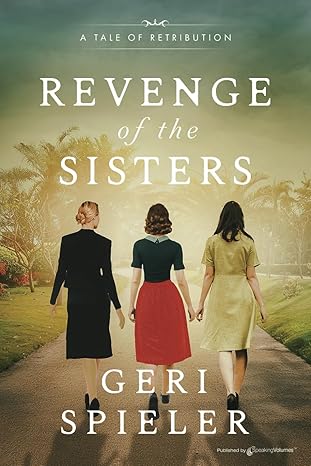
After reading Revenge of the Sisters, by Geri Spieler, I found myself drawn into a deeply emotional and powerfully layered story. The book follows Rose, Josie, and Dorothy, three Jewish sisters raised in a Los Angeles orphanage during the 1930s, who come together years later to plot subtle, lawful revenge against the people and institutions that wronged them during their youth. Their stories unfold in tightly woven chapters that alternate between past and present, focusing on themes of justice, resilience, and the long shadows of childhood trauma. As their adult lives intersect with those of their old enemies, the sisters slowly and strategically reclaim the power that was denied them.
Spieler’s writing has a raw, heartfelt honesty that hit me square in the chest. The dialogue feels natural, like it came from real memories. I especially loved how Spieler gave each sister her own voice. Rose, so driven and methodical; Josie, sharp-tongued and creative; Dorothy, bold and defiant with a reporter’s instinct. The writing doesn’t shy away from the harsh truths of prejudice, poverty, and injustice, but it also manages to stay warm, even tender, especially in the family scenes. The pacing is careful and deliberate. It takes its time, but I never felt bored. Each scene deepens your understanding of these women and what shaped them.
The ideas behind the book moved me even more than the plot. Spieler touches on systemic inequality, anti-Semitism, and the long-lasting sting of being overlooked. It got under my skin. There’s no cartoon villain here, just flawed people and flawed systems. What really struck me was how the sisters seek revenge not through violence or chaos, but through intelligence, patience, and a kind of poetic justice. It made me think hard about how often women, especially poor and marginalized women, are expected to just “move on” from harm, and how cathartic it can be when they don’t. I found myself rooting for them, not just because they’d been wronged, but because they deserved to win.
Revenge of the Sisters is a quiet but powerful novel that simmers with righteous anger and hard-won love. It’s perfect for readers who enjoy stories about family bonds, historical settings, and justice served cold. I’d especially recommend it to fans of character-driven fiction with heart and grit.
Pages: 276 | ASIN : B0F7K14NC2
Salamander Man: Mohamed Idris’ search for meaning

Salamander Man is a moving novel chronicling the life of Mohamed Idris, a boy stricken with polio in 1940s Malaya and forced to crawl through his village, earning the cruel nickname “Salamander Man.” Narrated in the first person, the story follows Idris from early childhood to adulthood as he battles ridicule, exclusion, and systemic prejudice to find self-worth, intellectual purpose, and dignity. Guided by resilient parents, patient mentors, and books that opened up new worlds, Idris’s inner journey is as sweeping as his outer constraints are severe. With rich cultural detail and emotional candor, the book becomes both a coming-of-age tale and a testament to the triumph of spirit over circumstance.
Wolter’s themes of alienation, resilience, and the search for meaning through education resonated deeply with me. I admired how Idris’s disability wasn’t presented as something to “overcome” but rather something he simply lived with and made meaning out of. The idea that books could offer freedom when the world denied you movement resonated with me. At times, the dialogue drifted into sentimentality, but those moments were brief and forgivable. The emotional highs are earned. Wolter never lectures, yet the novel feels quietly profound.
I found myself pulled into the emotional current of Idris’s story. Wolter’s writing is plainspoken yet poetic, with just enough color to keep the prose vivid but never overdone. It struck a fine balance between restraint and rawness. The character of Idris feels heartbreakingly real. At times angry, other times funny, almost always stubborn, and always relatable. The injustice of him being refused school admission just for his legs was gutting. But it was the small triumphs, like learning to read, beating the village boys at tree climbing, and building friendships, that broke me open the most. The scenes with his mother, especially when she patiently teaches him to read using the Andy and Betty books, are tender and unforgettable.
Salamander Man to anyone who loves intimate stories about underdogs, outsiders, or bookworms. If you’ve ever felt on the margins or struggled to be seen, you’ll find something true here. It’s for readers who appreciate character over plot, and soul over spectacle. For educators, caregivers, and anyone who’s ever stood by someone whose body or life didn’t fit the mold, this one’s for you.
Pages: 199 | ASIN : B0F2NCRCDX

Salamander Man
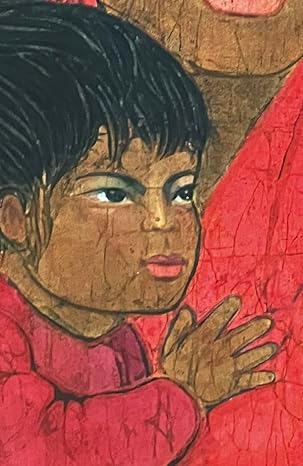

Salamander Man is the fictionalized life story of Mohamed Idris, a Malaysian boy stricken with polio during World War II who loses the use of his legs and is cruelly labeled “Salamander Man” by his peers. Set in a fishing village in Kuala Terengganu and inspired by a real encounter the author had in the 1960s, the novel follows Idris’s journey from ridicule and exclusion to intellectual triumph and emotional self-discovery. Through the unwavering love of his parents, the guidance of generous mentors, and his own unrelenting spirit, Idris carves out a path of meaning and dignity in a world that sees him as broken.
Reading Salamander Man was a deeply personal and unexpectedly emotional experience. James A. Wolter’s writing is simple yet sincere. He writes with the heart of a man who has truly listened to others and wants you to feel what they’ve felt. The first-person voice of Idris is raw and tender, sometimes painfully so. His longing to be loved, to belong, to not be laughed at—those aren’t just themes, they’re wounds the story never lets you forget. I found myself aching when Idris was denied entry to school, and swelling with pride when he devoured literature, math, and languages against all odds. It’s not just a story about disability—it’s a story about visibility. Idris is seen, fully and humanly, in a way few characters with disabilities are.
There’s a slow and careful rhythm to the story. The scenes unfold like memories being unpacked, not plot points hitting a beat. Sometimes that felt a bit heavy. But those quiet stretches also mirror the life Idris lived—patient, inward, waiting for change. What I appreciated most was the subtle shift from a story about a boy struggling to fit in to a man building a mind so rich that even a cruel world couldn’t diminish him. Wolter never overplays the drama. He just lays it bare, and that’s what makes it powerful.
Salamander Man isn’t just inspiring—it’s honest. It’s a book for readers who are drawn to quiet strength and real, lived emotion. I would recommend it to educators, to anyone who’s ever felt like an outsider, and especially to young adults who may need to know that brilliance can rise from even the loneliest places.
Pages: 199 | ASIN : B0F2NCRCDX
Mussolini’s Puppet Government

Jigsaw: Beginnings follows a group of students on a trip to Italy who stumble into the secrets of a WWII teleportation experiment, forcing them to unravel a conspiracy where history and the present collide. What were some sources that informed this book’s development?
Excellent question. I did a great deal of research on the Italian Resistance Movement, OSS espionage and Holocaust rescue efforts at the time and general area, Mussolini’s Puppet Government in Salo following his rescue by the Nazis in 1943, and overtures to get Spain to join the war on the Axis side. I felt these were neglected parts of history that needed greater exploration. I also have visited Voltri on two occasions when I was younger. My Great Aunt and Uncle (my Grandmother’s brother) lived there and I wanted to make this a quasi-tribute to that side of the family. I also drew from personal experiences and other people I know like my parents, grandmother, siblings, and friends to fill in the character development. The names of the student’s characters came from children that attended the charter school I once owned.
Colonel Angelo and Professor Klein are morally complex characters. How did you develop their motivations?
Klein represents that part of history where Conservative Jewish Palestinians had, at first, a productive relationship with Mussolini’s Government in the 1920s and 1930s. As Italy’s government became more openly Anti Semitic in its subservience to Hitler, Jews who thought Mussolini had backstabbed them were more prevalent. That is how I developed Klein. I do not want to say much about Angelo here because he has an arc that readers would see in the second and third books in the series, Warheads and Full Circle and I do not want to spoil that.
The Italian settings feel incredibly vivid. Did you visit these locations, or was your research primarily historical?
As mentioned in the first question, I have visited Voltri and Genoa several times. While I based some of the scenes on personal experience like visiting the Villa and going to the Genovese port, I did still have to research the areas and the history to fill in the gaps and round out the historical plot of the story.
Were there any real-life wartime experiments that influenced the teleportation aspect of the story?
Not to my knowledge. I know there were rumors of the Philadelphia Experiment in the 1940’s and the German time machine Bell program but those did not influence the plot.
Author Links: GoodReads | X (Twitter) | Facebook | Instagram | Threads | Website | Amazon
High school history buffs Noah Patterson and Mariah Fischer can’t wait to get to Italy. Their plan? To explore as much as they can and have loads of fun. What they face, however, is mind-blowing when they get shot at by the Italian Black Brigade.
Running for their lives, they quickly realize that they’ve somehow been transported to Italy, circa 1943. But how?
Humiliated by defeat and rescued by Hitler, Mussolini plans to win the war at all costs. Pushing forward relentlessly, he has a secret weapon: teleportation. But a failed experiment with the device draws Noah and Mariah back in time. Now they must find a way to stop Mussolini’s “New Roman Empire” and return to the present they know—if it’s still there.
The fight for reality starts now…Jigsaw Beginnings is an adrenaline-driven, YA time travel series perfect for action and adventure enthusiasts.
River Town: Wellsville Ohio
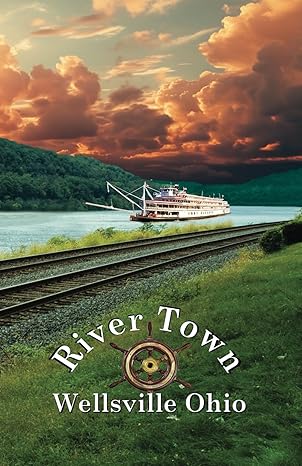
River Town: Wellsville Ohio, by David Navarria, is a multi-generational historical narrative set in a small industrial river town that was essential to America’s growth. Based on his mother’s memoirs, diaries, and dictations, Navarria chronicles the lives of various families in Wellsville, Ohio, with a focus on themes of survival, war, and humanity’s darker side. The book spans pivotal moments in American history, from the town’s contributions to two world wars to the struggles of settlers and immigrants. The story moves between personal accounts, romance, crime, and war, shedding light on the human condition and the costs of building a nation.
What stands out to me is the sincerity and passion Navarria pours into recounting his family’s history. The writing, especially in the early chapters, does an excellent job of capturing the grim realities of life in a small industrial town, with vivid descriptions of Wellsville’s growth, its atmosphere, and its people. For example, in the opening scene, the fog-covered streets and the interaction between Pip and the towering Irishman McElhenny evoke an eerie, mysterious mood. Navarria’s style can be heavy at times, but the detail adds richness to the setting, pulling readers into the life of this river town.
Navarria shifts between narrative styles, sometimes diving into lengthy historical exposition, then moving to personal anecdotes, like Luigi Massaro’s escape from a vengeful duel in Sicily. While the historical context is interesting, I found myself more drawn to the personal, emotional stories of individual characters than the broader history of Wellsville.
One of the book’s strongest aspects is its portrayal of complex characters and their moral struggles. The violence, especially in the context of war and survival, is unflinchingly depicted. Navarria doesn’t shy away from showing how brutal life could be for both men and women, as seen through the brutal duels and raw family conflicts. I appreciated that the author remained true to his mother’s accounts, not sugarcoating the harsher aspects of life. While the book is filled with darkness and hardship, there is also a strong undercurrent of redemption and resilience, particularly in the characters who are fighting for survival.
River Town: Wellsville Ohio is a heartfelt and dense historical account that would appeal to readers interested in American history, family sagas, and personal stories of redemption. The historical accuracy combined with the emotional weight of the personal narratives makes this book particularly meaningful for anyone with a love of family history or small-town America.
Pages: 562 | ASIN : B0DBKJ9719



 LITERARY TITAN