Category Archives: Interviews
Different Solutions

The Grubby Feather Gang follows a boy plagued by bullying and fear who finds himself part of a small circle of friends who together find adventure and hope in a village otherwise torn by war and chaos. What was the inspiration for the setup of your story?
I’m really not sure, to be honest. I am very interested in the experiences of those who lived through either or both of the world wars because both wars plunged otherwise peaceful, ordinary people into extraordinary and horrific situations. But I love the idea that different people can have different solutions to the same problems; most young men of fighting age during WW1 wanted – or felt the need – to go overseas and join the fighting whereas some, such as George’s father in the story, believed in a totally different, peaceful approach. The amount of courage needed for either approach must have been immense, and thankfully, most of us today can only imagine what it must have been like to face that dilemma. I’m fascinated by the fact that these experiences, that seem, to us today, to exist only in the realms of fiction, really happened to real people.
What do you find is the most challenging aspect of writing for middle-grade readers?
Other than the usual challenges of writing for any audience, I’m not sure I find anything especially challenging about writing for middle-grade readers. It can be a challenge when you’ve been hired by a publishing company – rather than writing just because you yourself have decided to do so – because if the project is for a young audience the publishers give you a tight word-count which creates restrictions and challenges, ones which, I have to say, I really enjoy working within. However, I wrote The Grubby Feather Gang off my own bat, so I didn’t have those restrictions, even though I did want to keep the book short. But middle-grade is a wonderful age range. I don’t hold back on the complexity of the language I use or the depth of the issues the story tackles. The only thing I do differently when writing for children as opposed to adults is to make the main characters children.
Is there anything from your own life included in the characters in The Grubby Feather Gang?
I’m happy to say that the experiences of the children in this story are very different from mine. I don’t think you have to have experienced something to write about it in a believable way though. I hope I’m right about that! But there often elements of the writer’s personality in the characters they create. George is prone to anger and sulking, and as a child, I was a little like that. (I’ve grown out of it now though!) I would add that I am always warmed by people – real or fictional – who turn out to be more impressive in some way than you originally realised, like Mr Haxby. And in a way, the same can be said of each of the three main characters.
What is the next book you are working on, and when will it be available?
I’m currently working on a novel for adults. Unlike most of what I’ve written before, this is a fantasy novel, with elements of horror. It features werewolves and witches. There is so much literature about such things, so the challenge is to present them in a new way, avoiding stereotypes and tropes, and I think I’ve achieved that…
Author Links: Facebook | Website
Worse still, the school bully hangs George upside-down from the hayloft, and the next day, George gets the cane! So, with a bit of help from Emma, a curious newcomer to the village, he decides to take daring and drastic revenge on both the bully and his teacher. But he could never have predicted what happens next…
The Grubby Feather Gang is the story of four friends helping each other cope with their parents’ problems.
The BigShorts books are short, stand-alone novels for strong Key Stage 2 readers. Each novel is around 100 pages long. The content is rich and detailed, tackling discussion-worthy themes. Being shorter than most novels, BigShorts books are a great length for teachers to read to their class, or for use as guided-reading texts.
A Quiet, Universal Fear
The Moments Between Choices centers around a man who is allowed to see both the consequences of his life choices and glimpse of the man who could have been. What was the inspiration for the setup of your story?
The story began with a dream I had a few years ago. It wasn’t one of those scattered, surreal dreams — it felt frighteningly clear, like being allowed to watch pieces of my life from the outside. Not the big, obvious turning points, but the tiny moments I’d brushed off. The ones you only recognize as important when you see what they added up to.
That experience sat with me for a long time. At first, I wrote the story with myself as the center because that’s where the emotional spark came from. But as the manuscript grew, I realized I needed to protect the privacy of the people who shaped my life — family, friends, even casual figures from childhood. So I created Omar. He became a way to keep the emotional truth while allowing the details to shift into fiction.
The structure came from trying to recreate the feeling of that dream. We don’t remember our lives chronologically; we remember them through sensation — what we touched, ignored, hurt, loved, or failed to see. I wanted each stage of Omar’s journey to feel like a sense dimming out as he comes closer to understanding himself.
More than anything, the novella came from a quiet, universal fear:
If we were suddenly forced to face our choices all at once…would we be proud of what we see?
That was the seed. Omar grew out of that question.
Where did you get the inspiration for Omar’s traits and dialogue?
Omar didn’t come from one person. He grew out of the parts of ourselves we usually ignore — the moments we move too fast, the people we take for granted, the habits we justify because we think there’s always more time. When I first started writing, I pulled from my own blind spots. But as the story grew, Omar stopped being “me.” He became a reflection instead of a replica.
His traits aren’t meant to point to a specific individual. They’re meant to feel uncomfortably familiar. Anybody who reads this novella is, in some way, Omar. Not because they’ve lived his exact life, but because everyone has those small, forgettable choices that slowly shape who they become.
His dialogue came from trying to capture that everyday tone — the half-distracted conversations, the rushed apologies, the small dismissals we don’t even notice. I didn’t want him to sound poetic or polished. I wanted him to sound real…sometimes painfully real. Because in those ordinary moments, you see the entire arc of his life.
Omar is fictional, but the habits that made him are human. That’s why readers recognize him — not as someone they know, but as someone they might be without realizing it.
What are some things that you find interesting about the human condition that you think make for great fiction?
I’ve always been fascinated by the small, almost invisible moments that end up shaping a person’s entire life. Not the dramatic events we expect to remember, but the tiny decisions we barely register — the things we say out of habit, the people we overlook, the apologies we delay because we assume there’s endless time. Those small choices become the architecture of who we are, and most of us don’t realize it until much later.
Another thing that interests me is how people carry two versions of themselves at the same time: who they are, and who they believe they could be “if things were different.” That gap is where a lot of pain — and a lot of hope — lives. It’s also where great fiction usually hides.
And then there’s memory. We don’t remember our lives in clean timelines — we remember through sensation. A smell, a sound, a sudden feeling in your chest. Emotions come back to us through the senses, not the calendar. That idea shaped the way I wrote this story.
One of the things I love about fiction is the freedom it gives you. You can reach heights you didn’t even know you were capable of. You can follow imagination to places that feel unbelievable — and still land on something emotionally true. Who would’ve thought I’d end up writing a novella based on a dream I had? That’s the power of fiction. It lets you take something fragile, something fleeting, and turn it into a story that might touch someone else.
What makes great fiction, to me, is honesty. Not in a factual sense, but in the way it forces us to sit with something we’ve been avoiding. When a story captures those small, uncomfortable truths about how we love, how we fail, how we change, or how we refuse to — that’s when the human condition feels most alive on the page.
Can we look forward to more work from you soon? What are you currently working on?
Yes, there will definitely be more. Writing this novella opened up a creative side of me I honestly didn’t expect, and I’m already shaping the next project. But right now, I want to give this book the space it deserves. It’s my debut, and I’d like to see how it finds its readers, how people react to it, and hopefully enjoy whatever success it earns.
I’m taking this moment to connect with readers, learn from their responses, and appreciate the journey of having my first story out in the world. After that, I’ll be ready to step fully into the next one — and I’m excited for where that will lead.
Humor, Heart, and Absolute Chaos

Obesseus Feast of Legends follows a hungry hero who, in order to save his world from the war that his former best friend is starting he has to learn the mysterious art of Slam-Fu. What was the inspiration for the setup of your story?
The inspiration came from wanting to build a world where humor, heart, and absolute chaos could coexist. I grew up loving stories where ordinary things—like food—could become extraordinary. Snackland began as a simple joke, but the more I built it, the more it became a living universe with its own politics, rivalries, and deep history.
Obesseus represents unfiltered joy. He’s messy, impulsive, and determined to defend flavor itself. The setup came from imagining what happens when the world tries to regulate joy—and one hero refuses.
How did you come up with the idea for the antagonist in this story, and how did it change as you wrote?
There are many antagonists in the Slam-Fu series. Here are just a few examples.
Monica Mango
Originally, Obesseus’s best friend. Her fall from fun to fanaticism wasn’t planned; it naturally grew from her obsession with “reforming” Snackland. Instead of being evil, she becomes misguided to the point of danger.
Her “Juice Regime” came from exploring how righteousness can twist into extremism.
King Billy Blueberry
Billy rose from jealousy—he’s the ruler who believes Obesseus stole the spotlight that should have been his. As I wrote him, his character deepened into a symbol of insecurity, pride, and the fear of being forgotten. His conflict shows the darker side of leadership.
Espearagas, God of Vegetables
Espearagas was built as the ultimate escalation. He doesn’t want balance—he wants to wipe out flavor entirely. Writing him allowed me to explore how power can become detached from humanity (or food-manity). His declaration of war on flavor gave the series a mythic, epic direction.
Julian Jellybean
Julian is the trickster, the wildcard, the candy-coated menace who stirs chaos across all arcs. He wasn’t even planned originally—he forced his way into the story through sheer personality. Now he’s the thread that ties the conflicts together.
As the series grew, each villain evolved to represent a different kind of conflict—personal, political, emotional, or mythological.
Several more villains are coming, and the chaos will continue. My favorite villain is King Billy Blueberry. His character represents judging others, which is what many people do. Obesseus doesn’t care about being judged; he only cares about protecting what he loves. He loves snacks and Snackland. The Slam-Fu series is a fun way to remind people always to be themselves.
What were some themes that were important for you to explore in this book?
Three big themes anchor the series:
Identity vs. Expectation
Obesseus is unapologetically himself in a world constantly judging him. His journey reinforces that authenticity matters more than fitting in.
The Danger of Extremes
Every villain is extreme in a different direction—too strict, too jealous, too powerful, too chaotic. This allows kids to understand that balance is healthier than obsession.
Friendship Under Pressure
Monica’s transformation is emotional. Billy’s resentment is relatable. Julian’s chaos tests loyalties. Espearagas’s war forces everyone to choose sides.
These dynamics let younger readers grasp how friendships and alliances shift.
And of course, flavor vs. control is the heart of the comedy.
I hope the series continues in other books. If so, where will the story take readers?
There are going to be a lot more food wars. The next Obesseus book is going to be Operation Gravy Blockade. I plan to release that in 2026. What happens when Obesseus has to deal with the consequences of being Snackland’s symbol of rebellion? I plan to add a new faction to Snackland. Stay tuned for Operation Gravy Blockade.
Author Links: Goodreads | X | Website
Bursting with humor, heart, and deliciously absurd action, Obesseus: Feasts of Legends — The Slam-Fu Trilogy (Edition 1) collects three epic adventures from the Slam-Fu universe into one ultimate feast.
Our Soul’s Lens
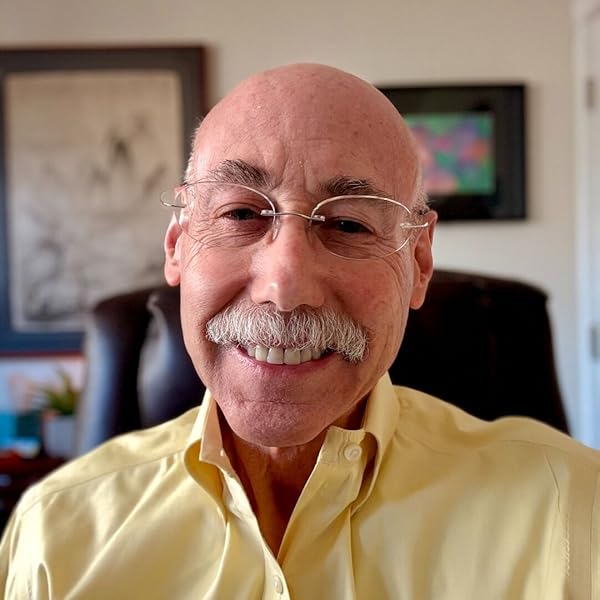
Unveiled: A Journey to Soul Realization is part memoir, part spiritual roadmap, and part therapeutic manual that weaves together personal stories, neuroscience, energy work, and metaphysical exploration into one cohesive, soul-centered narrative. Why was this an important book for you to write?
In my trauma practice, I work to help people realize what happened to them was not arbitrary but happened for a reason and has meaning. This was the reason for writing this book as well. We can learn from meaning and create new meaning. This is a powerful function of Unveiled.
I appreciated the neuroscience you incorporated into this book rather than just presenting spiritual information; the combination makes it easier to trust the process. Did you find anything in your research for this book that surprised you?
No, I this is basic to trauma therapists. Trauma therapy evolved with the simultaneous evolution of neuroimaging; thus, the practices being developed could be visually measured and understood, accounting for rapid brain changing therapies we do not see in mental health nor addiction.
What were some ideas that were important for you to share in this book?
Placebo as both miraculous and as what we can do with deliberate meaning change. I discuss our need for evidence and Placebo studies provide that in dramatic and stunning ways. The Self-Healing approaches take that idea of what is possible and plug in applications that are amazing. Of course, this book’s goal is to see through our Soul’s lens and Soul connection is perhaps the pinnacle moment in this text.
How has your experience in the mental health field helped you develop this process for healing and awakening?
Yes, my practice and my ascension evolved as one, energetically and that was amazing. My clients presented things I need to learn, not only as a trauma practitioner but as a spiritual practitioner as well. It was and still is an amazing synergy.
Author Links: GoodReads | X | Facebook | LinkedIn | Instagram | Threads
Have you struggled with letting go of past trauma or understanding why certain things have happened in your life? Have you ever considered a spiritual approach to healing? Or have you never even considered the existence of a soul? In Unveiled, licensed Creative Arts Therapist Herb Cohen challenges and guides our discernment about connecting to our soul and using that connection to better grasp the events of our lives.
With almost forty years of experience working with mental health, addiction, and trauma, Herb pondered the questions he repeatedly asked his clients and condensed years of informed practice into a concise approach to his process.
In this book, you will contemplate:
How separateness impacts our world
What role “awareness” plays in our lives
Why we see the world through certain lenses
How to connect to your soul and be guided by the essence of who you are
How to surrender to self-heal
The goal of this book is to take you on a spiritual journey from trauma or atrocity to one of love and bliss.
Live a More Informed & Enriched Life

Down to Earth: Demystify Intuition to Upgrade Your Life is a thoughtful blend of personal stories, practical exercises, and scientific studies showing readers that intuition is not a mystical talent, but an everyday skill that can be honed. Why was this an important book for you to write?
I am convinced that tapping into intuition can help us live more informed and enriched lives. I developed simple ways to tap into intuition and wanted to share these with as many people as possible. Intuition always held a special place in my life, and became more important after a life-altering event that brought moments of deep mental and emotional peace. I talk about this in the Introduction of my book. I often came up with creative ideas and solutions to long-standing problems while I was in this mentally and emotionally calm state which activated my intuition. Curious about this process, I began researching intuition. I studied with various teachers, completed an apprenticeship, and read every book and scientific study on intuition I could find. I started offering intuitive guidance sessions and eventually developed my own approach to help clients access their intuition more effectively. As more people joined as students, I created a curriculum that later became the foundation of my book, Down to Earth: Demystify Intuition to Upgrade Your Life, published on September 15, 2025.
What is a common misconception you feel people have about intuition and a person’s ability to develop it as a life skill?
Some people think that intuition is a special skill that only highly intuitive people have. In reality, it is a readily available skill that we all have and even use without realizing it. Intuition is a form of knowing or a sensation we get about something or someone without any prior conscious thought process. It draws on the knowledge and experiences we accumulate throughout our lives. There are many activities that we engage in without consciously thinking about every move and every step such as playing a sport or cooking. There may be some parts of these activities that require conscious analysis but for the most part, we just go with what we sense and muscle memory. We also use our intuition a lot socially. We sense if someone is tense or relaxed just by noticing their posture or the pace of their breath. All of this is intuition in action. It gives us useful information that can help guide our decisions and actions when we learn how to interpret and combine it with logic and other inputs such as research for due diligence.
I loved that you used neuroscience and psychology research as well as provided readers with examples and exercises to gain a better understanding of intuition. Did you find anything in your research of this book that surprised you?
In many cases, my exercises and guided meditations were inspired by students and clients based on what they needed to figure out. I tried these exercises with others, and if they worked, I included them in my book. I also used slow intuition. This type of intuition is activated when you take a break from trying to solve a problem and do something that calms your mind and emotions. Researchers such as Kenneth Gilhooly have described how nonconscious processing occurs during these break periods as intuition gets activated. It was surprising for me to learn that stepping away for such a break right after being introduced to a problem results in more creative solutions compared to working on the problem for a while then taking such a break when you get stuck. For example, you look at what the problem is, then go for a quiet walk in nature even before making your first attempt at solving it. I talk about this in the last chapter of my book.
What is one thing that you hope readers take away from Down to Earth?
I hope that readers discover ways to tap into intuition that work well for them and combine their intuition with logic and other inputs to make more grounded decisions, improve relationships, and take better care of themselves. As people connect more with their intuition, they can understand themselves and each other more deeply. This can cultivate greater compassion for themselves and others making the world a better place for all of us.
Author Links: GoodReads | Facebook | Website
If you’ve ever wondered how to harness your intuition to make better, more informed decisions, this is the practical guide you need. In Down to Earth, intuition teacher Nil Demircubuk guides you in understanding how to distinguish your conscious thoughts from your intuition, then intentionally combine it with your intellect for everyday decision-making and personal growth.
The book introduces “priming,” a method for tapping into intuition by achieving mental and emotional calmness, offering several techniques tailored to different learning styles. As you practice reaching this state and tuning in, you’ll also learn what makes your intuition come alive through a non-conscious process.
Through easy-to-follow exercises, real-life applications, and client stories, Down to Earth helps you use your intuition to make better decisions, improve relationships, navigate challenges, and enhance self-care.
Wonderfully Mischievous

Bubble Gum Rocks follows three sisters spending a summer at their grandparents’ Kansas farm, who stumble into the long-forgotten magic of bubble gum rocks. What inspired the adventure the sisters go on?
The core inspiration for Bubble Gum Rocks is drawn directly from my own childhood, and it’s a very heartfelt, authentic memory for me. My grandparents own a farm that dates back to the 1800s, and for my sisters and me, that farm wasn’t just dirt and fields—it was a landscape of untapped magic.
The ‘bubble gum rocks’ themselves are very real. They are the rocks that look like chewed-up pieces of bubble gum that we would hunt for tirelessly. And when we found one, we would treat that rough diamond like it was pure gold. That simple act of discovery—the feeling of unearthing a secret treasure—became the foundation for the book’s central, forgotten magic.
But the adventure truly began with my uncle. My sisters and I were, let’s just say, wonderfully mischievous. We were constantly pushing the boundaries and getting into trouble. My uncle was the brilliant mind who channeled all that youthful energy. He would invent these elaborate, imaginative games to keep us entertained and, frankly, out of the way of farm work. It was his playful spirit and the inherent adventurous nature of exploring an ancient farm that inspired the sisters’ journey.
So, the book is really a love letter to that time: to the bond between sisters, to the creative genius of a loving adult, and to the idea that even the most ordinary-looking farm can hide the most extraordinary secrets if you just know where to dig.
What was your inspiration for the characters and their relationship?
My inspiration for the characters and their relationships is rooted in the most honest place possible: they are 100% real and based on my own family. While I’ve changed their names to ‘protect the innocent’—as the saying goes—their personalities, quirks, and the complex, wonderful dynamic between them are completely true to life.
For me, the personalities are the heart and soul of the book. I wouldn’t have had the amazing, adventure-filled childhood I did if it weren’t for the unique combination of my sisters, my uncle, my mom, dad, and my grandparents.
We’re a family that truly puts the ‘fun’ in ‘dysfunctional,’ and oh, what fun it is! You have:
- The older sister who tries to maintain order but is secretly the first one to break the rules.
- The middle sister, who is the creative, mischievous dreamer. (That’s often me!)
- The younger sister who looks up to the others but always surprises them with her free spirit and bravery.
It’s the way they tease each other, the way they fall back on each other when they’re in trouble, and the way they speak in their own little family code that brings the story to life. By basing the characters so closely on my family, I wasn’t just writing fiction; I was capturing the electricity of a real bond—a bond filled with deep love, playful rivalry, and shared mischief. That genuine relationship is what makes their on-page adventure feel so real and relatable.
What scene in the book did you have the most fun writing?
Without a doubt, the scene I had the most fun writing was the moment Avianna makes her wish, and the magic of the bubble gum rocks finally ignites.
It was a joy to write because it wasn’t just a turning point in the plot; it was the moment the book itself underwent a magical transformation. I envisioned the first part of the book in a kind of subdued, sepia-tone atmosphere—it represents the quiet, sometimes overlooked, reality of the farm and the mundane start to their summer.
Avianna makes that wish, and the long-forgotten magic truly awakens; the pages burst into beautiful, vibrant colors. Writing that shift felt like going from watching an old film clip to seeing the world in full HD.
It was the moment when the potential of the farm became reality. It’s where the secret Avianna was searching for finally manifests, and it felt incredibly rewarding to write. It’s where my real childhood memories of seeking treasure finally got to become a spectacular, larger-than-life fantasy on the page.
Will this book be the start of a series, or are you working on a different story?
I’m thrilled to confirm that Bubble Gum Rocks is the very first book in The Magical Farm Mysteries series!
When I finished writing the girls’ first adventure, I realized there was so much more untapped magic on that old Kansas farm that their story was far from over. The world felt too rich and the characters too real to leave behind after one summer.
I am already deep into planning and writing the next installment. Readers can certainly expect the three sisters to stumble into many other adventures with even more magic, unexpected twists, and fun new hidden secrets. It’s an ongoing journey, and I can’t wait for readers to follow the girls as they uncover the full scope of their family’s magical legacy.
Author Links: GoodReads | X | Facebook | AMB Kids Books
When three curious sisters – Avianna, Avery, and Ainsley – spend the summer at their Grandma and Grandpa’s farm, they stumble upon a magical and sparkly surprise, bubble gum rocks! What mysterious powers do these magical stones hold?
Join the sisters as they discover the wonders of the magical farm in their delightful first mystery of The Magical Farm Mysteries series!
Perfect for ages 6-10
Full of heart, humor and a touch of farmyard magic!
Written With Lived Truth
Kloe’s New Friendship follows a junior-high cat who is trying to juggle school life, old friends, new friends, and the emotional chaos of having a challenging brother. What was the inspiration for the setup of your story?
My stories are written with lived truth. Personal experiences that have been a part of my life since childhood and beyond. Thirty years of carrying these stories, shaping them, trying to give children what I wished I had growing up. A lended ear to listen and not judge, a kind heart to understand the difficulties that are growing up alongside a brother whose struggles sometimes cast long, confusing shadows. There’s something unmistakably real in the way issues are explored in sibling dynamics. I chose to use animal characters not to soften the impact, it sharpens it with real honesty as each animal character represents all of us in our society. Children see themselves more clearly in those bright, beautifully illustrated faces, and adults feel that quiet echo of “oh… this was me.”
Kloe struggles with her emotions and navigating friendships in your story. What were some of the trials that you felt were important to highlight the character’s development?
I’m aiming for deeper soul work in the characters, especially my lead – Kloe. I want her to be as much of a three-dimensional character as she can be in children’s books so her readers will be able to see who she really is. She had a very hard lesson learned in this book. She wanted to give her brother the benefit of the doubt by confiding in him with one of her dear friend’s secrets. However, she learned the hard way that he never had the intention of keeping it. Wreny is always looking to see how he can capitalize on others to benefit himself. His troubles are deeper than she or her parents realize. Kloe’s frustrations are not only real but are fraught with the underlying urgency that something at some point has to change. Wreny will not alter or modify his behaviors until he is confronted by his parents and teachers. She is the sibling, not the adult in these situations.
What were some themes that were important for you to explore in this book?
Facing challenges arising from a difficult sibing with mental health issues or behavioral problems is a prevalent theme in all of Kloe’s books. However, new frienships and estabished friendships are very important to Kloe.
Friendships are to be valued. We all want that other person(s) to believe in us as much as we do them. As young pre-teens we look for frienships to validate who we are, especially in a school setting. We learn morality and friendships through a combination of personal experiences, peer influence, and the guidance of adults. We begin to form our own moral compass as we navigate the complexities of our values and beliefs. Peer relationships play a crucial role in shaping our identities and well-being, providing support during turbulent times and helping us navigate the complications of social interactions.
These years are important character building years that mold us into who we become later in life.
I hope the series continues in other books. If so, where will the story take readers?
Yes! I’m almost finished with a “New Year” Story with Kloe and friends. Lots of new issues, a few fun new characters as well as continuing forward with the original group.
Continuing with Kloe realizing more and more that her brother’s actions aren’t simple and cause a ripple effect not only onto her, but others around him. How far will his antics go until he is confronted on some level? My series moves forward as I believe that there are so many readers out there who need these stories as much as I did. However, I’m focusing on not just discussing these stories but to hopefully open up honest discussions on what steps are necessary to take in rectifying them. We are not defined by situations, only by our actions.
Author Links: Website | Amazon
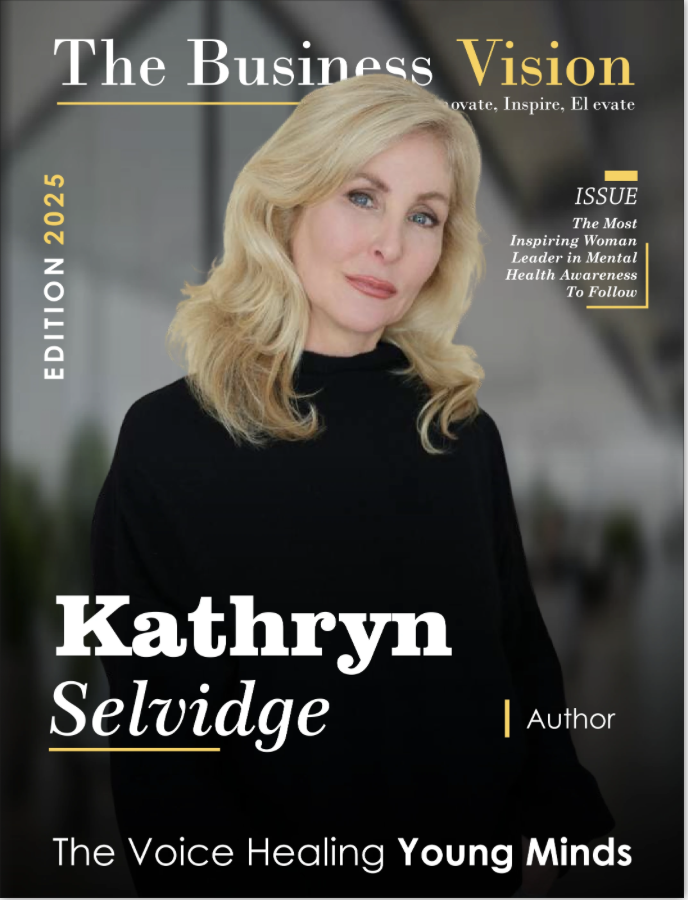
K.M. Selvidge is an author and talented storyteller. She was a dancer, actress, non-profit fundraiser and animal lover. Watching her three cats inspired her to tell the stories that shaped her own life growing up, in the hope they will help other people see that they are never alone. HOPE KELLEY BOOK PUBLISHING
Emotions Getting Louder

The Northern Light Within is a tender, winter-lit guide that blends science, story, and simple practices into a compassionate roadmap for moving through life’s hardest seasons. Why was this an important book for you to write?
I wrote The Northern Light Within because winter has always brought up a lot for me personally. When the days grew shorter and colder, I noticed my own emotions getting louder — old anxieties, self-doubt, and a sense of heaviness that was harder to shake off.
Over the last 15 years of coaching, I saw the same thing in my clients. Winter, and “winter-like” phases in life, seemed to amplify whatever people were already carrying. The season stripped away distractions and made vulnerability more visible.
This book felt important because I wanted to offer something gentle, honest, and practical for those times. A companion for people who feel like they’re walking through their own inner winter — blending science, story, and simple practices that have genuinely helped me and the people I’ve worked with. In many ways, it’s the book I wish I had during some of my hardest seasons.
How did you decide which rituals and reflections belonged in the book?
The filter was very simple:
Does this actually help someone when they’re struggling?
If a practice didn’t pass that test, it didn’t make it into the book.
The rituals and reflections are drawn directly from my own journey and from years of working with clients. Some came from moments when I personally needed support — breathwork during anxious phases, grounding practices when my mind was racing, small daily reflections that helped me find perspective in the middle of overwhelm.
Others are tools I’ve seen work repeatedly in sessions: simple, doable steps that helped people feel calmer, clearer, or more emotionally steady during difficult seasons.
Nothing is there because it sounds nice on paper. Everything in the book has been lived, tested, and has made a real difference in someone’s life — mine or my clients’.
How did you balance scientific grounding with personal storytelling without letting one overshadow the other?
For me, the two naturally belong together.
I’ve always believed that ancient practices and modern science are speaking the same language — just with different vocabularies. In my coaching, I blend both because people today want reassurance from neuroscience, but they also want to feel understood as human beings, not just as “brains on legs.”
Over time, that blend evolved into what I call Medit-Action: a way of working where meditation, awareness, and spiritual tools are always anchored in small, practical actions and supported by what we know from research.
So in the book, the science offers clarity — why winter affects mood, how the nervous system responds to stress, what breathwork and grounding actually do in the body.
The stories — my own, and those inspired by client journeys — show how all of that plays out in real life. They give the reader something to relate to, so it doesn’t feel abstract or clinical.
I didn’t want the book to be purely academic or purely emotional. I wanted it to feel like someone sitting beside you saying, “Here’s what we know, here’s what I’ve lived, and here’s what you can try right now.”
That’s the heart of Medit-Action, and that’s how the balance found its way onto the page.
What do you hope readers feel or carry with them in the days and weeks after they finish the book?
I hope they walk away with a softer, steadier relationship with themselves.
Not a perfect life, not constant positivity — just a little more calm in their body, a little more clarity in their mind, and a sense that they’re not “broken” for finding certain seasons harder than others.
If a reader can come out of the book feeling more equipped to handle their own winters — with a few practices they actually use, a new way of understanding their emotions, and a quiet belief that their inner light is still there even on the heavy days — then the book has done what I hoped it would do.
More than anything, I want them to remember:
your hardest season doesn’t erase your light.
Sometimes, it’s the very thing that helps you see it more clearly.
Author Links: Amazon | GoodReads
When life grows cold and the light feels distant, this book becomes a gentle beacon back to yourself.
In this beautifully written and practical guide, Ashish Singh, award-winning life and wellness coach and founder of The Calm Mind, shows how even the darkest seasons can become fertile ground for growth, calm, and quiet joy.
Drawing on mindfulness, psychology, and timeless wisdom from cultures that thrive in long winters from Nordic Stillness to eastern philosophy, he introduces “The Winter Loop,” seven guiding lenses that nurture acceptance, openness, nourishment, breath, gratitude, and kindness. These simple yet powerful mindfulness practices help you rediscover steadiness and warmth from within — even amid winter blues.
Blending poetic reflection with science-backed insights, Ashish reminds us that peace and happiness cannot be postponed until spring. They begin here, in this breath, in this very season of your life. His voice is both wise and deeply human, offering gentle rituals that meet you where you are and guide you toward light, clarity, and renewal.
For anyone feeling stuck, weary, or searching for meaning, this is more than a self-help book. It is a soulful companion, one that helps you bloom in winter and shine in every season that follows.
Your light is waiting — it’s time to find it, bloom in winter, and shine in every season.



 LITERARY TITAN