The Magic of Imperfection
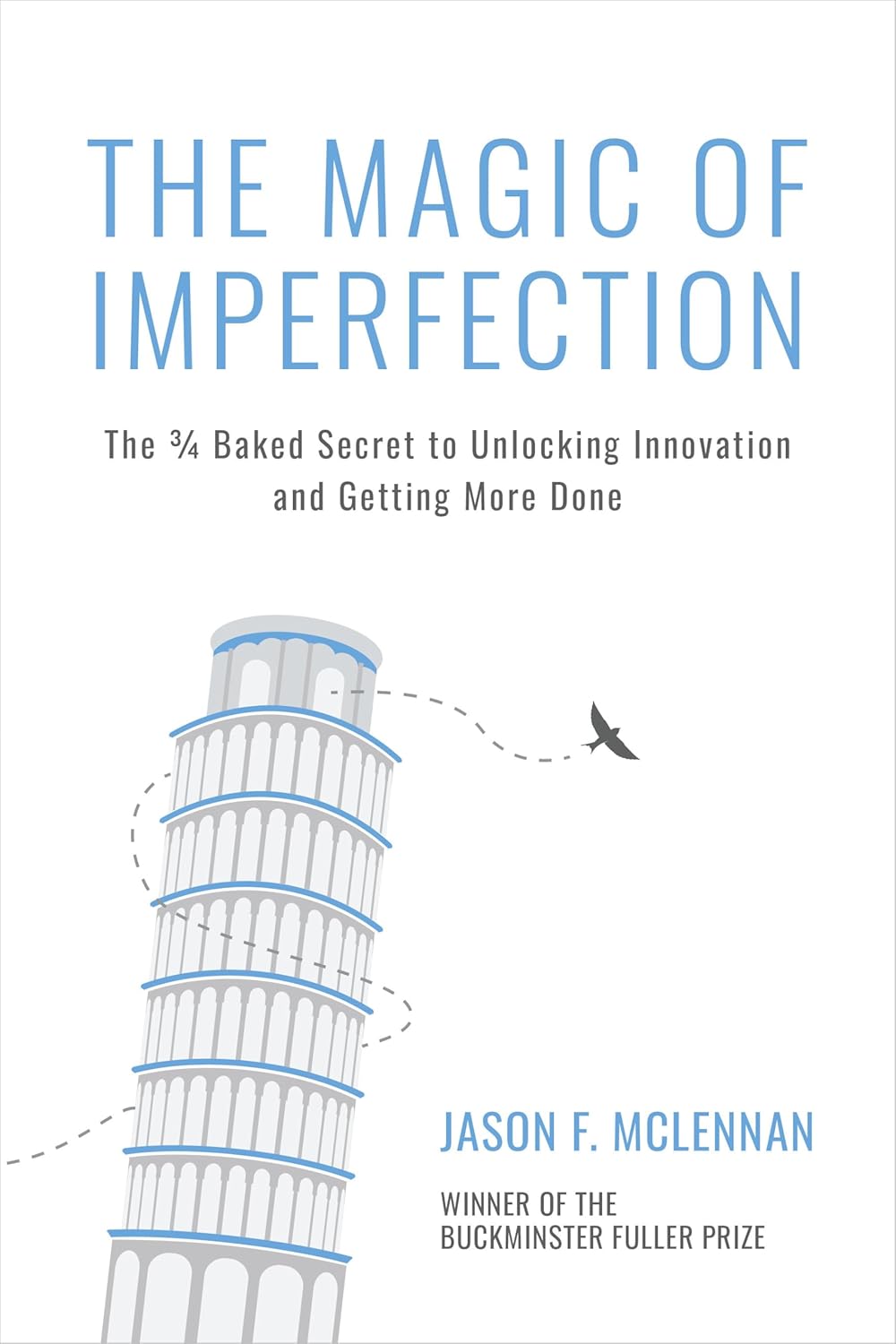

The Magic of Imperfection surprised me with how quickly it got to the heart of its message. Author Jason McLennan argues that most great work reaches a sweet spot long before perfection. He calls this the ¾ baked moment, the point where an idea is clear enough to stand yet rough enough to grow. He shows how this mindset speeds up creativity, opens the door to real innovation, and breaks the grip of fear and overthinking. Using stories from architecture, mentorship, cooking, leadership, and even childhood, he makes the case that embracing imperfection helps people make more progress, take smarter risks, and actually enjoy their work.
Reading this book, I found myself nodding, smiling, and sometimes groaning because the truth hit a little too close. McLennan’s tone is warm and grounded, and he mixes personal stories with quick lessons that feel almost like friendly nudges. I liked how he ties big ideas to everyday moments, like pulling cookies out of the oven before they look done or watching asparagus cook just a little too long. These simple images stuck with me more than some productivity books stuffed with charts or buzzwords. Sometimes the message was repeated, but I didn’t really mind because each angle gave it a fresh spark.
I especially loved the honesty around failure. His stories about projects that collapsed, ideas that bombed, and designs that broke apart mid-demonstration made the book feel relatable. And his point about people who cling too tightly to perfection really landed with me. I’ve watched talented friends freeze themselves in place, and I’ve done it too. The way he talks about letting the universe finish what you start made me laugh at myself a little. The writing isn’t fancy. It’s straightforward and warm. Sometimes it feels like someone thinking out loud. I liked that looseness because it matched the whole philosophy.
Anyone who feels stuck, overwhelmed, or afraid to put their work out into the world would get a lot from The Magic of Imperfection. It’s great for creatives, leaders, students, and anyone who carries too much pressure on their back. If you enjoy books that teach through stories instead of strict rules, this one will fit you well.
Pages: 192 | ASIN : B0FGPLMPKG

The Courage Gap

The Courage Gap lays out a simple but stirring idea. Fear opens a space between what we think about doing and what we actually do. Courage closes it. Margie Warrell walks through five steps that help readers shift their focus, rewrite the stories they tell themselves, regulate fear, step into discomfort, and learn from the moments when everything falls apart. She threads research, personal stories, and vivid examples like Navy SEAL missions and childhood hardships. All of it points toward one lesson. Braver action begins long before the action itself. It begins inside.
I was pulled by the book’s tone, which is warm and direct. It feels like she is sitting with you over coffee, nudging you to look a little deeper. Her stories about her mother, her moves across continents, her husband’s early COVID hospitalization, and her own shaky steps into new roles resonated with me. I liked that she did not hide her fear. She showed it. The writing made the ideas easier to trust.
Her ideas landed with me in a way that surprised me. The pieces about how the brain fixates on danger, how fear makes us shrink, and how easy it is to rationalize our hesitation stuck with me long after I put the book down. I kept thinking about times when I stayed quiet or stayed small because it felt easier. The book stirred a mix of embarrassment, hope, and a kind of restless energy to try again. I especially liked her point that courage is not the absence of fear but the choice to act while fear tags along. It felt doable. It made the book more than an inspirational talk and closer to a companion for moments when you want to run the other way.
By the time I reached the end, I felt a quiet push to step toward the things I usually avoid. I would recommend The Courage Gap to anyone who feels stuck, scared, or tired of circling the same problem. It suits new leaders, seasoned leaders, parents, people in transition, and anyone craving a nudge toward a fuller life. It offers a way to grow into the person you keep imagining when you let yourself dream beyond your fear.
Pages: 168 | ASIN : B0D36WXKHZ
The Price of Nice

The Price of Nice lays out a sharp argument that our cultural obsession with being “nice” keeps us stuck in cycles of false comfort and stalled progress. Barger shows how niceness acts like a velvet glove over an iron fist and how it works as a social construct that preserves the status quo at home, in workplaces, and across society. She breaks the idea down through a think–feel–do–revisit framework and uses stories from her own life, research insights, and cultural examples to show how niceness can silence honesty, block accountability, and mask inequity. Her focus is not on abandoning decency, but on choosing nerve over niceness so real change can happen.
As I read her chapters, I felt a mix of recognition and unease, the kind that comes from seeing your own habits laid bare. Her point about niceness being a survival tactic hit me hardest. She shows how it gets baked into us early through family expectations and social rules and then reinforced through workplaces that want harmony more than truth. I found myself nodding when she brought up how companies perform allyship rather than practice it. The examples she gives, like statements, book lists, and surface-level DEI efforts, felt painfully familiar. Her writing style is candid and conversational, sometimes blunt in a way that pulled me in because it felt like someone finally refusing to sugarcoat the obvious.
I also appreciated how she connects niceness with identity, belonging, and psychological safety. When she talked about the cost of staying quiet, especially when it means acting against your own values, I felt a pit in my stomach because it rings true. Her explanation of mental models and how we are primed to behave, often without noticing, made me rethink the way I show up in spaces that value “professionalism” more than honesty. Some of her metaphors, like comparing niceness to an invisibility cloak or unpacking anchoring and framing with pop-culture references, were simple but really effective.
This book does more than challenge niceness. It challenges the reader to look at how they contribute to systems that reward silence. I walked away feeling a gentle push to speak up more, even when my stomach flips. Barger’s message is clear. Comfort is costly. Growth demands discomfort. And every one of us has a choice in which path we take.
I’d recommend this book to people who work in communications, leadership, or any workplace where culture change is a goal, though honestly, anyone tired of pretending everything is fine will get something out of it. It’s a strong pick for readers who like straightforward talk, personal storytelling, and practical tools wrapped in real-world honesty.
Pages: 224 | ASIN : B0F85YFDC3
Most Glorious – A Story of the Eastern Roman Empire


Most Glorious follows the life of John, also known as Isidor the Younger, an architect whose work and quiet courage shape the world around him. The story paints the Eastern Roman Empire in rich color. It jumps between Constantinople, Miletos, and the Persian court. I watched generals prepare for war. I watched spies meddle. I watched John grow from a skilled but unsure young man into someone who bends fate with his hands. The book mixes politics, battles, construction, friendship, danger, and a deep sense of history. It feels big. It feels lived in. And it moves with purpose.
I found myself pulled in by the writing in a way I did not expect. It has a patient pace at first. Then it begins to coil tighter and tighter. I liked the confidence in the storytelling. I liked how the author lets scenes breathe. Sometimes the dialogue feels stiff. Sometimes a description lingers. But the world is so vivid that I did not mind. I could almost hear the sea at Miletos. I could picture the boulder field where John planned his building. I could feel the quiet pride in his uncle’s lessons. The writing has this mix of old-world formality and warm humanity that stuck with me.
The ideas in the book were intriguing. Power is always shifting. Trust feels fragile. People hide knives behind smiles. Yet the story keeps returning to the same thought. Small, steady acts matter. An architect with patience can shape cities. A soldier with doubts can still be brave. A king with fear in his chest can still change the course of nations. The book kept surprising me with moments of intimacy tucked inside grand, sweeping chapters. I caught myself rooting for John, not just because he is talented, but because he is decent. And in this world, decency feels rare and powerful.
This book would be perfect for anyone who likes historical fiction that leans into detail and atmosphere. It is great for readers who enjoy politics and military strategy, but also want characters who feel real. It is also a strong pick for people who love stories about craft, learning, and quiet heroism. If you want a book that takes its time and rewards your patience, Most Glorious will be a good fit.
Pages: 484 | ASIN: B0DYPF8PVW
The Cost of Service
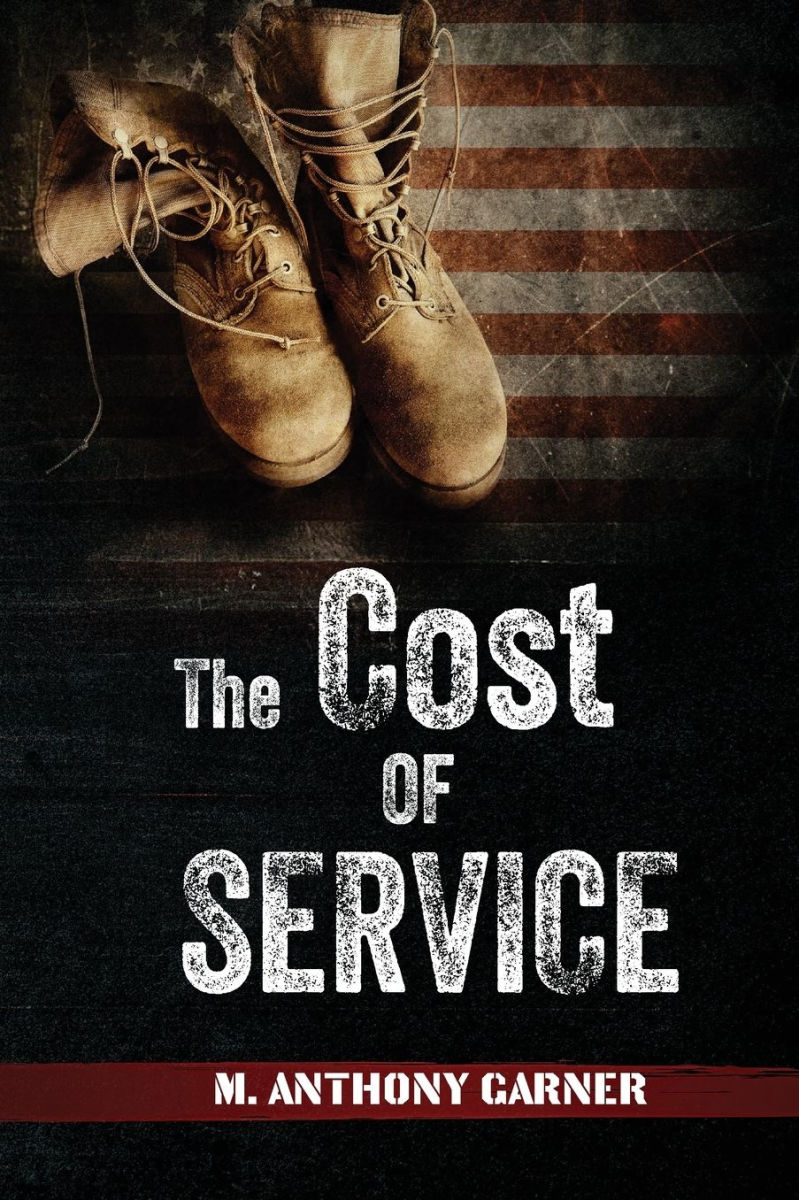
The Cost of Service tells the story of what it really costs to live a life built around serving others. It moves through the worlds of the military, law enforcement, and ministry with a mix of personal stories, quiet confessions, and raw honesty. The book lays out the emotional and spiritual wounds that often go unseen, and it does so in a way that feels deeply human. It follows the author’s journey through war zones, patrol units, and church pulpits, and shows how each role demands sacrifice from both the one who serves and the people who love them. It is a book about struggle, purpose, loss, and the long road toward healing.
As I moved through these chapters, I found myself getting pulled in by the simple directness of the writing. It is blunt in places and tender in others. The stories hit hard because they feel lived in. I kept stopping to sit with some of the moments, especially the ones where duty pressed up against heartbreak. The book doesn’t preach. It tells the truth, and it lets the truth sit there. I appreciated that. It reminded me that behind uniforms and titles are people trying to hold themselves together while holding everyone else up.
What surprised me most was how much emotion is tucked between the lines. You can feel the burnout, the loneliness, and the long, quiet ache that comes when someone keeps showing up even after they feel emptied out. The writing can feel heavy, but it is the kind of heavy that makes you reflect on how much people give without asking for anything in return. The book pushed me to consider how easily we forget the weight that service workers carry home with them every night.
By the time I reached the end, I felt grateful. This book is for anyone who loves someone in uniform or ministry, and for anyone who wants to understand why service changes a person. It is also for people who have served and may need the reminder that they are not alone in their struggles. I would recommend The Cost of Service to readers who appreciate real stories told with heart and honesty, and to anyone willing to look past the surface and hear the deeper, quieter truth of what service truly demands.
Pages: 120 | ISBN : 9798989359288

When Dreams Float

When Dreams Float is a sensuous African American romance set against the lush backdrop of Tahiti and nearby islands. The story follows Melanie, a travel writer recovering from a painful divorce, and Winston, a charming and confident doctor she meets by chance at an airport jewelry counter. Their connection ignites quickly, deepening through a charged plane ride and growing even more complicated when they unexpectedly end up on the same cruise. The plot blends travel, emotional healing, flirtation, and slow-building intimacy, all framed within the warmth and escapism of the romance genre.
I found myself reacting to the writing the same way Melanie reacts to Winston’s presence. One moment I was caught up in the playfulness of their banter, and the next I was watching her pull back, unsure whether to trust what she felt. The author writes attraction through small gestures, glances, and touches that land with real weight. The scene on the plane where turbulence throws Melanie into Winston’s arms stands out. It isn’t just physical; it reveals her reluctance, her longing, and her fear all in one breath. The story knows how to stretch those moments without overdoing them, letting the tension rise naturally.
I also appreciated the author’s choices around character grounding. Melanie isn’t just a romantic lead; she’s a woman with a past, a career, and quiet internal battles she doesn’t always name out loud. Winston, for all his confidence, shows flashes of vulnerability that make him more interesting than the typical smooth-talking hero. Their dynamic feels honest. Sometimes messy. Sometimes sweet. There’s a little humor, a lot of heat, and just enough emotional complexity to make the story feel fuller than a simple getaway romance. And the travel writing details add texture. The descriptions of the islands, the cruise ship, and the small cultural observations make the setting feel like more than a backdrop.
This book would hit the spot for readers who love romance that’s sensual but also rooted in character healing and emotional discovery. If you enjoy stories where two people meet at the wrong time but can’t quite step away, you’ll connect with this one. And if you’re drawn to travel-inspired romance, tropical settings, or slow-burn chemistry that simmers before it boils over, When Dreams Float delivers exactly that.
Pages: 185 | ISBN : 1585711047
Positive Politics: A Proven Playbook to Get into Politics, Change Your Life, and Change the World
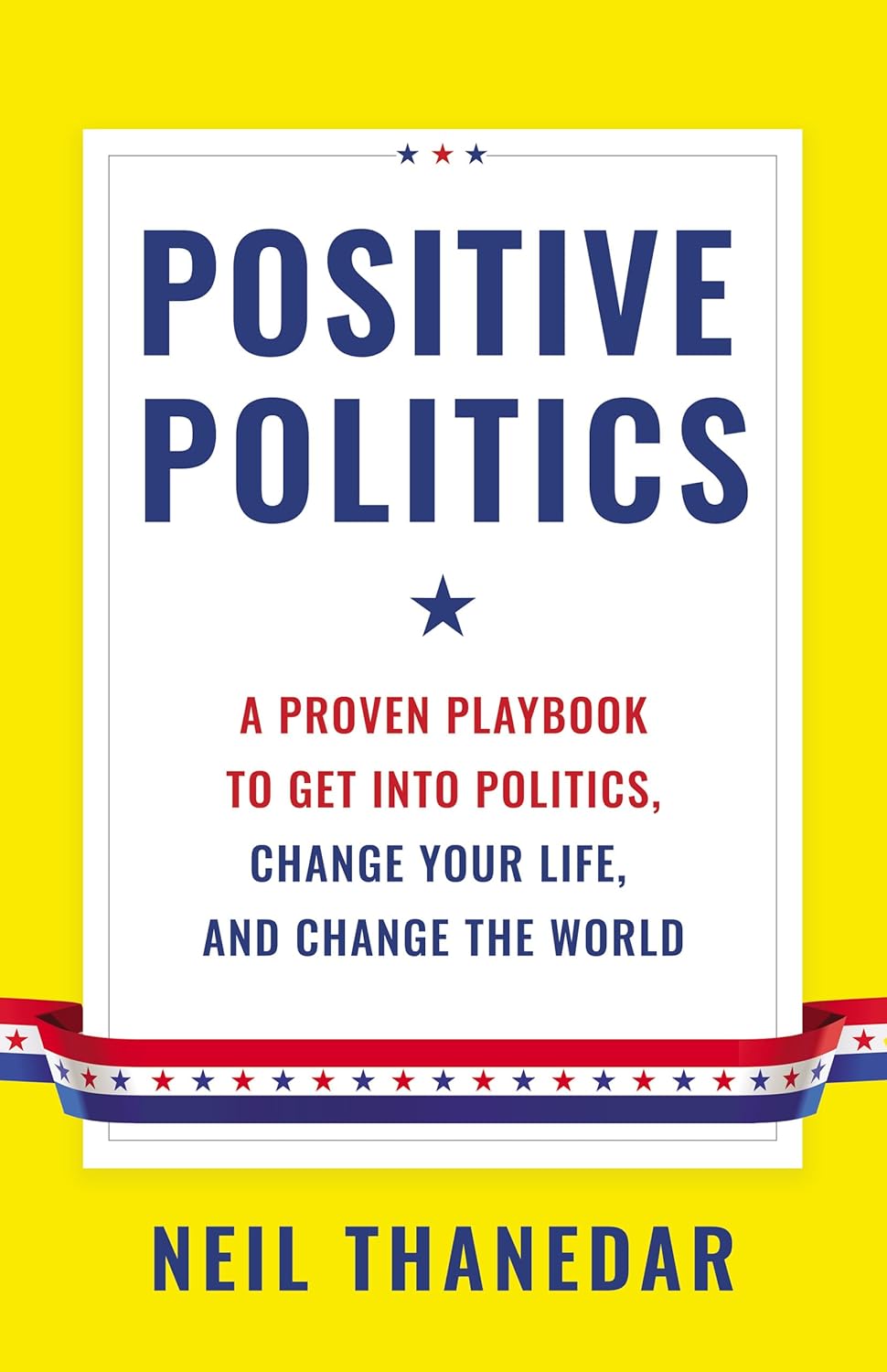
Positive Politics is a guidebook for anyone who wants to step into public life with clarity, courage, and a sense of purpose. Author Neil Thanedar lays out a practical playbook for how ordinary people can enter politics, build momentum through activism, and ultimately make a meaningful impact. The book mixes personal stories, political theory, and hands-on instruction. Thanedar opens with his father’s journey from poverty in India to serving in the US Congress, using that story as proof that political life is not reserved for elites. From there, the book moves through two arcs: why politics needs new voices and how to actually get started.
Thanedar’s writing has a direct and confident tone, and he keeps returning to one central belief: ambitious optimists can and should lead. His stories about watching political rooms from the inside, learning how negative incentives shape behavior, and seeing how ordinary activists turn ideas into bills all made the book feel grounded. He doesn’t pretend politics is pretty. He talks openly about corruption, cynicism, and personal attacks, but he frames them as challenges that can be met with transparency and action. The rhythm of the writing moves between clipped, punchy lines and longer reflections that read like someone thinking out loud about what they’ve seen and what they wish more people understood.
What surprised me most were the parts where he breaks down politics into simple, relatable pieces. His idea that politics is basically a long, iterative game reminded me of someone flipping on the lights in a dim room. Suddenly the noise makes more sense. Being nice, taking action, getting quick wins, thinking long term, going direct, and staying independent. These principles sound simple, but the examples he uses give them weight. Seeing his father win some races, lose others, and still find deeper purpose in the work made the ideas feel lived in rather than theoretical. And when Thanedar writes about ambitious optimists, it genuinely feels like an invitation, not a slogan.
By the end, I felt both clearer and more cautious, in the best way. Clearer about how change actually happens and cautious in the sense that the work is harder, slower, and more personal than it looks from the outside. If you’re someone who already cares about civic life but feels overwhelmed or unsure where to begin, this book will likely speak to you. It’s part memoir, part instruction manual, and part motivational nudge. People who enjoy political nonfiction that blends practical strategy with accessible storytelling will get the most out of it.
Pages: 222 | ASIN: B0FWF8XDX3
Back Into Delight: Grief Recovery at the Speed of Life

Back Into Delight is a grief recovery book that blends memoir and self-help, following Paul O’Neill as he recounts the losses of his brother and later his son, and the slow work of teaching a shocked, frozen body how to move again. The book moves through the warping force of bereavement, the paralysis of shutdown, and the tools that help coax a person back toward breath, connection, and, eventually, delight. O’Neill shares stories, somatic techniques, and moments of dark humor to show how grief can bend a life but does not have to break it. It’s part personal narrative, part practical guide, all oriented toward finding motion in the aftermath of loss.
O’Neill writes with a mix of clarity and lived authority that made me lean in. He doesn’t romanticize grief. He doesn’t turn it into a neat psychological model. He just walks me through the reality of it, page by page. His descriptions of shutdown hit especially hard: the body going still, breath thinning out, thoughts getting muffled. I recognised that feeling. And I appreciated how he roots his methods in the physical, not the abstract. There is something grounding about watching him refuse to let grief stay purely conceptual. Breath, posture, voice, humor. These are small, almost embarrassingly simple interventions, but he shows how they become anchors.
I was surprised by how often I smiled. His tone shifts in a way that feels inviting. One moment he’s describing the unbearable silence of losing his son, and the next he’s talking about noodle-breaths or Stretch Armstrong or telling himself he’s not Humpty Dumpty. The humour doesn’t soften the pain so much as make space inside it. It lets the ideas land in a real, lived way. And when he brings in the tools of trance, voice modulation, and emotional repatterning, he does it without jargon. It’s practical. Warm. Sometimes blunt. Sometimes tender. The kind of writing that feels like someone reaching across the table to say, “Try this. It helped me.”
By the end, I felt steadier. Not because the book offers solutions, but because it treats healing as a practice. Grief recovery, in O’Neill’s world, isn’t a miracle. It’s a muscle. It’s a series of cues that teach the body it is safe enough to return. This is where the book’s genre really shines: it lives at the intersection of memoir and self-help, and that blend makes the guidance feel earned.
If you want a companion for the messy middle of loss, someone speaking plainly and offering tools that actually feel usable, then I’d recommend it wholeheartedly. This book is especially for readers who feel frozen in their grief, who need something gentle but not vague, and who are open to a mix of story, science, and the smallest sparks of humour cutting through the dark.
Pages: 108 | ASIN : B0F92GTHSP


 LITERARY TITAN