Blog Archives
A Real Collusion


A Real Collusion is a political thriller told through the eyes of Skip Winters, a mid-level ad guy who looks back on his friendship with John Campbell and the wild rise and fall of a grassroots movement. It starts small, with a silly local fight over cigar smoke at a community board meeting in the Bowery, where John’s angry “I object” moment and a quick handshake outside the gym turn into a tabloid photo and a cable-news booking. From there, Skip helps John ride a wave of viral attention into the creation of the American Coalition, a scrappy effort to break the two-party lock, curb big money, and push more honest voting in Congress. As donors, TV producers, and dark-money groups close in, the story widens from New York to Washington and Philadelphia, where the movement crashes into a secretive business council and a lurking gunman in the crowd, leaving John’s legacy split between real reform and a sense that the system still has its hands on the wheel.
Skip sounds like that smart, slightly bitter friend who tells a story over a drink and keeps circling back to the parts that really hurt. The early chapters are vivid and weirdly fun: folding chairs tipping over in a hot school gym, cops’ lights splashing off old brick, a stunned ride on the F train with the Post open to a photo of your buddy on the front page. The scenes in the bar, the cramped apartment, the ad agency office feel specific and lived in, and the jokes land with a light touch instead of feeling like “political satire.” The author knows how to tighten the screws; the book shifts from goofy excitement to real tension smoothly, and by the time CNN calls and big donors sniff around, the momentum feels natural, not like the plot is dragging the characters along.
I did feel the “novel and exposé” label in the writing. When Skip and John hammer out the American Coalition platform and talk through campaign finance, independent candidates, and the way corporations game the rules, the book turns into a kind of civics lesson. I did not mind that most of the time, because Skip is honest about his own ego and fear, and that keeps the big ideas grounded in one guy’s midlife crisis and his hunger to matter. Still, a few speeches run long, and some side characters can drift toward types more than people. The scenes that follow the BCL and the man in the crowd with a gun, though, hit hard. They show how a hopeful movement can be bent or broken by a handful of people with money and no shame, and they made me uncomfortable in a way that felt earned rather than melodramatic.
The book made me angry, sad, and weirdly hopeful all at once. The introduction lays out a blunt case that the real threat to American democracy comes from inside, from quiet collusion between parties and donors who let inequality balloon while the middle class slides, and the plot keeps circling that point without ever feeling like a pure lecture. I liked how the story shows the media as both amplifier and filter, how a tossed-off joke about both parties “sucking” becomes a brand, how consultants and billionaires talk about “fixing the system” while protecting their own slice. The ending, with John gone and a handful of independents in Congress, hit me hardest; change happens, but not cleanly, and the people who lit the fire do not always get to see the house rebuilt. That left me thinking less about whether the plot was “realistic” in a narrow sense and more about how much of it already feels true.
I would recommend A Real Collusion to readers who enjoy political stories with heart, anyone who follows American politics and feels worn down but not completely checked out, and folks who like character-driven fiction about friendship, compromise, and the cost of sticking your neck out. If you are okay sitting with some ambiguity, some righteous anger, and a stubborn streak of hope, you’ll enjoy this novel.
Pages: 286 | ASIN : B0G5K3BJ1K

Soldiers in the Sandbox


Soldiers In The Sandbox is a military war novel that follows Sergeant Alex Vance from an Iraq deployment into the long, uneven stretch of coming home. The story opens with Vance arriving under punishing heat and constant tension, then moves through patrols, sudden firefights, and the loss that reshapes how he sees his unit. Back stateside, the fight changes form: therapy appointments, VA paperwork, and that hollow sense of trying to speak a language no one around you understands. Threaded through it all is his hidden notebook, a private place where he tells the truth to the page when he cannot tell it to people.
What I noticed right away is that Metcalf writes with a big, earnest heartbeat. He is not chasing cool detachment. He wants you close to Vance’s head, close to the moment, close to the way one memory can shove itself into the present without asking permission. Sometimes the prose leans into explanation and emphasis. Still, I kept turning pages because the intent feels honest. And because the book is willing to linger in the unglamorous parts, like waiting rooms and forms, and the slow grind of trying to get help that fits.
The notebook choice is the smartest structural move in the book. Early on, it reads like a lifeline Vance keeps tucked away in his rucksack, almost like he is hiding a small candle from the wind. Later, it becomes more methodical, a way for him to spot patterns in himself and to map the mess of reintegration when everything feels off by a few degrees. I also appreciated the author’s decision to include extra material at the end, like a glossary and a list of veteran support organizations. It is unusual for a novel, but here it fits the book’s mission of building understanding, not just telling a story. Metcalf’s own background as a combat veteran and his work with disabled veterans add context to that choice and help explain the book’s steady focus on what happens after the headlines fade.
If you tend to read war fiction for action set pieces, this might feel more reflective than you want. If you read the genre to understand the human cost, especially the after, then this is an exceptional book you’ll want to pick up. In that way, it reminded me more of the post deployment stories in Redeployment than of a plot-driven combat thriller. Soldiers In The Sandbox is war fiction with a steady pulse and a clear-eyed heart, gripping in the fight scenes, but unforgettable in what comes after.
Pages: 403 | ASIN : B0G7MZCHR2
TELL ME THAT YOU LOVE ME
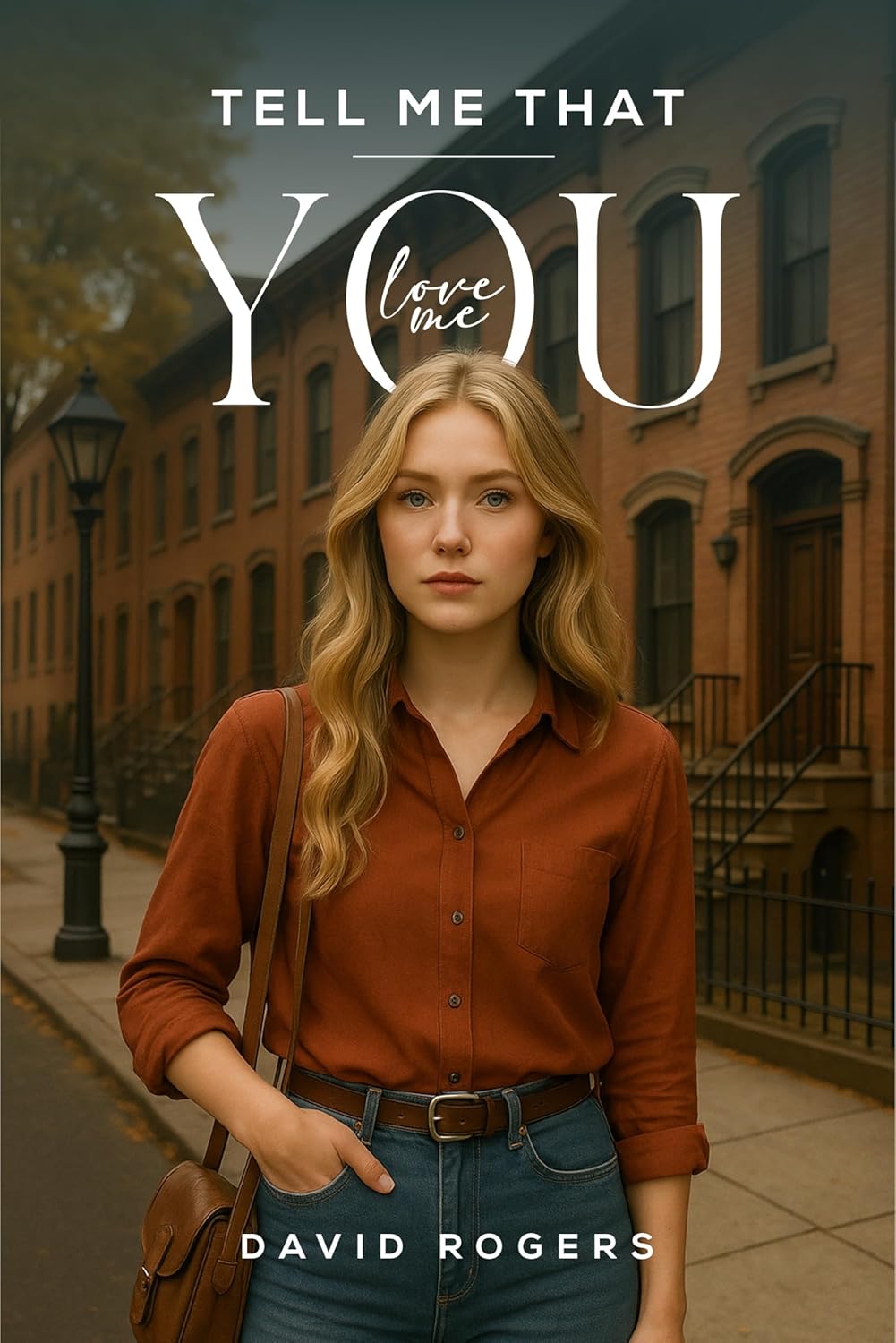

In Tell Me That You Love Me, Connie Roberts narrates a restless, decade-tinged search for tenderness that keeps slipping into sex, friendship, and misread need, moving between New York City, Charleston, Fire Island, and Key West as the story escalates from raw erotic entanglements to genuine catastrophe. What begins as Connie’s attempt to reinvent herself and be chosen becomes a harsher education in how people use each other, how shame masks longing, and how “love” can be mistaken for the simple relief of being wanted.
This book doesn’t flirt with discomfort, it really commits. The eroticism is frequently charged, sometimes tender, and sometimes poisoned by power games and crossed boundaries; there’s an argument over “who did what to whom” that lands with a sour aftertaste because it’s played like banter while still naming rape outright. That tonal whiplash, sensuality set beside psychic bruising, feels deliberate, a reminder that harm often arrives in familiar voices, even in rooms that look safe.
And then the plot turns viciously public. On Fire Island, the story’s social sparkle (tea dances, beaches, the magnetic churn of summer bodies) is split by sudden violence: Connie learns that her friend Darin has been shot and is dead, rumors detonating faster than facts, police looming at the edges of the party. The murder isn’t used as a gimmick; it changes the temperature of everything, exposing how quickly a chosen family can become a crime scene, how fear rearranges loyalties, how the self tries to sprint away from grief. By the time the book reaches its late stretch, it’s no longer asking “Will she be loved?” so much as “What kind of love can survive the world she’s already lived?”
Readers who want erotic romance, dark romance, and emotional romantic suspense, especially stories that braid sex with queer-adjacent nightlife, messy friendship, and genuinely disturbing turns, are the best fit here (with a clear content-warning mindset for sexual violence and murder). If you’ve enjoyed the big-feelings sweep and relationship labyrinths of Taylor Jenkins Reid’s The Seven Husbands of Evelyn Hugo, this delivers a grittier, less polished cousin: more bruises, fewer soft-focus edges. The last pages in Key West widen into something like grace: a sail into the sunset, a rare “green flash” called a lucky omen, and Connie, finally, naming her love as improbable but real, choosing to believe she and Bill were “destined to be together.” Tell Me That You Love Me is a jagged, sensual novel that earns its ending by refusing to pretend the dark parts didn’t happen.
Pages: 411 | ASIN : B0FBY5KNSH

Soldiers in the Sandbox
I read Soldiers in the Sandbox as a first-person immersion rather than a detached war story, and that feels like the book’s defining move. Author Scott Metcalf frames the novel around Sergeant Alex Vance’s deployment to Iraq, tracing his journey from the anticipatory weight of arrival through firefights, loss, and the quieter but more corrosive aftermath of survival. The plot itself is deliberately unflashy: patrols, sudden violence, the death of a fellow soldier, and the long interior reckoning that follows. What carries the book is not narrative surprise but accumulation, the way dust, fear, camaraderie, and moral unease layer themselves into a lived experience that refuses to simplify war into slogans or spectacle.
I liked how insistently physical the prose is. Metcalf writes with an almost tactile fixation on weight, like rucksacks biting into shoulders, heat pressing down, adrenaline flooding the body, and that physicality grounds the psychological descent that follows. I trusted the voice because it never strains for heroism. Alex Vance is competent, but he’s also uncertain, frightened, and frequently confused by the machinery of command that moves him around like a chess piece. The firefight scenes don’t glorify violence; they disorient. They arrive abruptly, leave behind numbness, and fade into silence that feels heavier than the noise. That restraint gave the book credibility.
The emotional center of the book, though, isn’t combat; it’s grief and moral residue. The death of a young soldier fractures the unit in quiet, believable ways: absences at meals, jokes that no longer land, routines that keep going because stopping would be worse. I was especially drawn to the journal passages, where Alex tries to articulate what the war is doing to him. Those moments resist tidy insight. Instead, they circle questions of purpose, agency, and complicity without resolving them. The effect is unsettling in the best way. The book doesn’t offer catharsis so much as recognition, a sense that confusion itself is the honest outcome.
Soldiers in the Sandbox will resonate most strongly with readers drawn to military fiction, war literature, and psychological realism, especially veterans, military families, and civilians who want a grounded portrayal of modern conflict without cinematic gloss. Stylistically and thematically, it sits closer to Tim O’Brien’s The Things They Carried than to action-forward war novels, sharing that focus on memory, guilt, and the stories soldiers tell themselves to endure. This is not a war story about what happened, but about what remains.
Pages: 403 | ASIN : B0G7MZCHR2

Love and Laughter

NICK and CLANCY – A Tale of Nine Lives follows a gentle and wounded man recovering from severe heart trauma, who has a runaway dog turn up at his door, and gives him a new purpose in life. Where did the idea for this novel come from?
The character of Nick is inspired by the life and death of my younger brother, although I have fictionalized his personality and life course in ways he would never recognize! The character of Clancy was inspired by my good friend’s Sheltie collie, now deceased, who I swear was sentient. I wanted to give Clancy to Nick as a gift that I wish I could have given my brother.
I loved that Clancy is not just a sidekick in this story; she is just as active and engaging as Nick. Her character is funny, loyal, guilty, protective, and oddly wise. How did you decide what emotional range to give her?
Little spoiler warning: In the story, Clancy’s personality reflects her previous lifetime as a zany, devoted person. I’ve known several of those. So she was actually an easy character to imagine. Think of a zany, devoted person you’ve known – that’s Clancy.
Humor shows up amid fear and illness. How did you find the balance between laughter and emotions that overtake a person when facing an illness such as Nicks?
Life isn’t all one color, or even two (black and white). I wanted Nick’s story to be rich and full of love and laughter that often come hand-in-hand with loss and tragedy. We are multidimensional beings; if only we open our minds and hearts.
What do you hope readers feel when they close the book?
I hope they feel the love that permeated Nick and Clancy’s lives, and that it inspires them to reach out and share their own love with others, while we have the time and place. As Nick’s Aunt Nancy would say, “Micro-moments matter. Even the tiny ripples matter. Just ask the fish in the creek.’”
Author Links: GoodReads | Facebook | Website | Amazon
Is the Grass Greener?

Having It All follows a devoted mother and Wall Street trader, who tries to hold together a demanding career and a family when one disaster after another hits, leaving her to make a desperate decision. What was the inspiration for the setup of your story?
I started out with the idea to show three women with very different lifestyles, a single woman, a stay-at-home mom and a working mother, and show that each was a viable option. And you see these three characters in the book. But the working mother ended up being the focus. Perhaps because that was what I was most familiar with myself.
Dalia is a relatable character that many modern women will see parts of themselves in. Was there anything from your own life that you put into the characters in your novel?
There was plenty! This was originally my first attempt at writing a novel. I gave Dalia a security trader position because that was my job and I figured it would save on the research involved with using an alternative. So, I had the long commute, the stressful day and the child and husband to juggle.
I put the manuscript away for years because I couldn’t resolve some issues with the plot, but five published books later, I knew how to fix the problem. I kept the book set in 1997 because that’s when I started writing it, and if the characters had modern technology, the story wouldn’t work, and the trading details wouldn’t be accurate anymore.
What were some themes that were important for you to explore in this book?
Back in the day, they led women to believe they could have a perfect life as a working wife and mother with nothing having to suffer. That it should all be a simple snap of the fingers. But everything in life has its ups and downs. Also, the grass isn’t always greener on the other side, so be sure to take time to be grateful for what you have.
What is the next book that you are working on, and when will it be available?
I’m working on the second book in my Findale Fae Mystery series with hopes to have it available by the end of 2026.
Author Links: GoodReads | Facebook | Website | Instagram
1997––Dalia Roberts had it all––a successful career on Wall Street, a big beautiful house, a loving marriage, and two fantastic kids. But along with those blessings came the work-related stress, the harried days and sleepless nights, the long commutes, and the constant, never-ending juggle of marriage, children, and finances.
Despite being a two-paycheck family, Dalia and Joel Roberts must juggle to make ends meet. Then disaster after disaster hits, leaving their once-perfect home life, along with the professional persona Dalia had worked so hard to perfect, in shambles. Burnt out and unable to think clearly, Dalia makes a desperate decision. Will this ill-thought-out move be the answer or only cause further heartbreak?
Belinda Gordon’s poignant new contemporary fiction unpacks the complex struggles and financial challenges working women with families face when trying to have it all.
Having It All
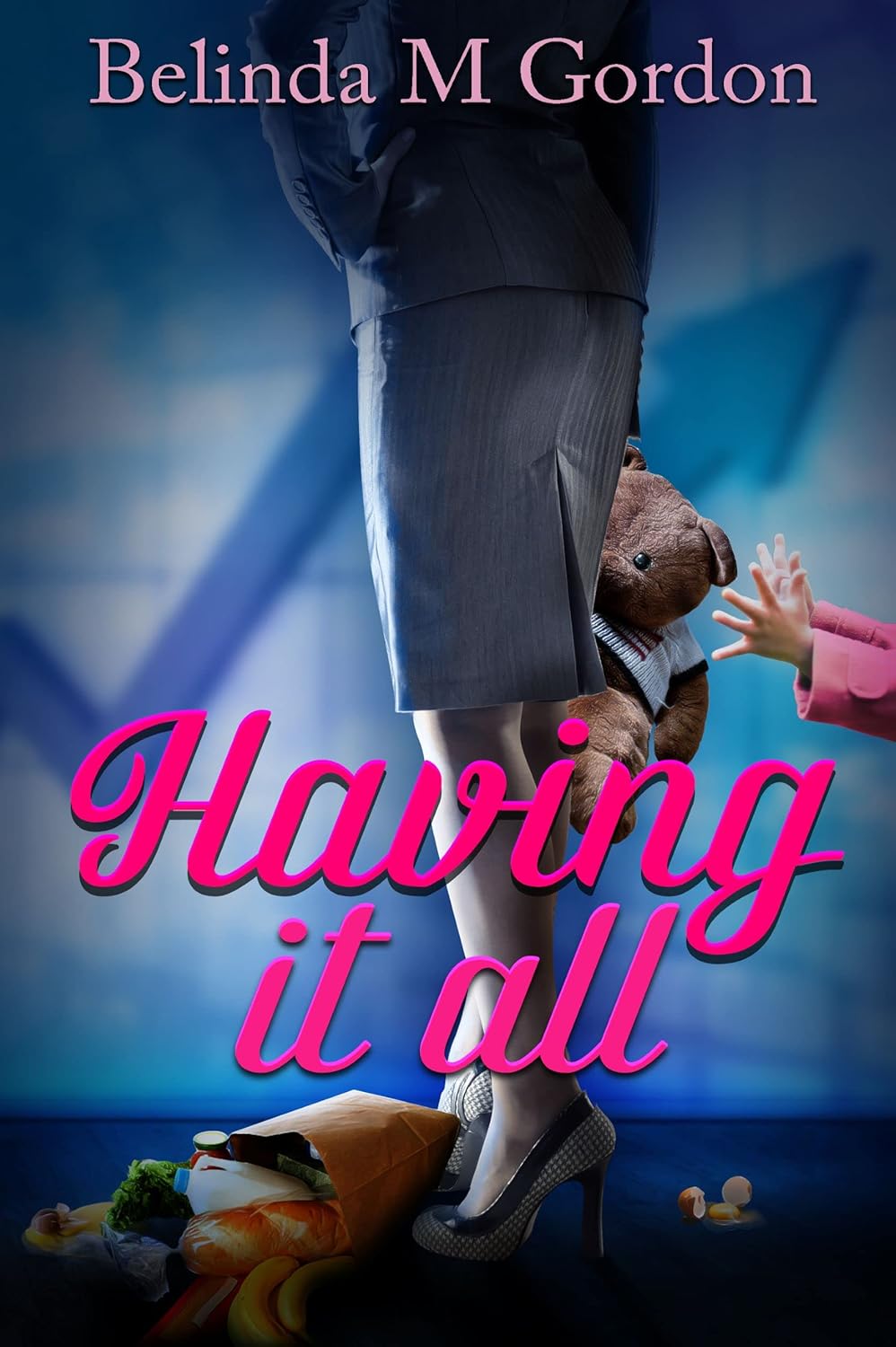
Having It All follows Dalia Roberts, a devoted mother and sharp Wall Street trader, as she tries to hold together a demanding career, a young family, and the emotional weight of a past that shaped her more than she cares to admit. The book opens with a gripping evacuation during a high-rise fire that sets the tone for the chaos woven through her days. From there, the story settles into the everyday struggle of keeping her daughters healthy, her marriage steady, and her job secure. Along the way, she leans on her sister, her mother, and her own stubborn strength as she learns what having it all really means in a life that is far from picture-perfect.
I felt pulled right into Dalia’s world. The writing has a warm and steady rhythm that fits her character so well, and I liked how the author keeps the stakes grounded in real life instead of forcing big melodramatic twists. The scene where Dalia rushes to help the daycare babies during the fire hit me hard. It showed her instincts, her fear, and her heart all at once, and I found myself rooting for her immediately. I also enjoyed the family scenes, especially the ones with her sister, Melanie. Their kitchen conversations feel lived-in, messy, and familiar, which gave the story a sense of comfort even when the stresses around them grew heavy.
At times, though, I felt frustrated with Dalia in a way that made her feel even more real. She holds herself to impossible standards, and the book doesn’t hide how that pressure wears her down. Watching her panic over Kelly’s sniffles or stress over bills from years past made me ache for her. I appreciated that the author never mocks these moments. Instead, she treats them as honest pieces of a woman trying her hardest. I also liked how the story quietly challenges the shiny magazine version of the “perfect working mom,” and I caught myself laughing when Dalia scoffed at an article claiming women can effortlessly manage it all. Her reaction felt like a wink to every woman who has ever tried to juggle too much at once.
The story’s message is gentle but firm. You don’t “have it all” by matching someone else’s idea of perfection. You have it when you learn to value what’s already in your hands. That conclusion landed beautifully for me, simple and true in a way that lingers after the last page. I’d recommend Having It All to readers who enjoy heartfelt domestic fiction, stories about motherhood, or character-driven novels that explore work, family, and identity in a relatable way. If you like books that sit somewhere between comfort reading and emotional honesty, this one fits right in.
Pages: 216 | ASIN : B09JN2Y6DY
THE CHAMPAGNE CRUSH: A Romance Novel

Caroline O’Connell’s The Champagne Crush is a sparkling romance that blends high-stakes business drama with personal reinvention, set against the lush backdrop of Napa Valley and the glitz of Manhattan. The story follows Catherine Reynolds, a poised yet uncertain PR consultant with a tattered romantic past and high-society roots, who gets swept into the whirlwind launch of a prestige sparkling wine. Thrust into the world of billion-dollar wine deals, boardroom egos, and a brewing corporate showdown, Catherine must navigate her way through professional upheaval—and an unexpected, slow-burn attraction to the company’s enigmatic president, Chris McDermott.
From the get-go, I found myself charmed by O’Connell’s easygoing prose. There’s something magnetic about her style—it doesn’t try too hard, and it never talks down to you. I genuinely enjoyed how she layered Catherine’s vulnerability with determination. The pacing is solid, with just the right balance between dialogue and description. The emotional beats felt authentic, and the banter (especially between Chris and Catherine) often had me grinning. It’s not just romance. It’s about personal grit, professional ambition, and finding steadiness in chaos. I also appreciated the behind-the-scenes peek into the wine world, it added sophistication without veering into snobbery.
I had mixed feelings about the romantic arc. There’s a definite chemistry between the leads, but at times, the push-pull dynamic dragged on a bit. Catherine’s back-and-forth decisions could be frustrating, though believable, given her circumstances. And Chris? He grew on me. What first felt like a stiff CEO trope slowly morphed into a more relatable and grounded man trying to juggle ambition with integrity. The book also isn’t afraid to explore class dynamics, financial stress, and emotional trauma with subtlety, which gave the setting some welcome emotional weight.
The Champagne Crush is an effervescent and satisfying read. Equal parts heart and hustle. I’d recommend it to anyone who loves smart, emotionally resonant romance with a touch of glamor and grit. If you’ve ever daydreamed about walking through vineyards in Louboutins or pitching a startup under chandeliers while nursing a broken heart, this one’s for you. It’s a modern fairy tale with just enough fizz to leave you smiling.


