Blog Archives
The Grip of Grief

Out of Mind follows a woman rebuilding her life after trauma as the shadow of her violent ex closes in, drawing them into a tense collision neither can escape. What was the inspiration for the setup of your story?
Two years ago, I published Snap Decision, the novel that precedes Out of Mind. The story ended on a cliffhanger that left readers eager for more, and their visceral responses played a significant role in inspiring the setup for Out of Mind. I still remember receiving emails from readers mentioning how they were “up all night” thinking about the ending and begging me to tell what happens next. With that, heartfelt and serious conversations with readers at various events about Paige and her life served as powerful inspiration. One woman actually growled at me for how I ended Snap Decision! Moments like that made me realize how deeply people connected with these characters and their journeys. It was only natural to continue with Paige and how she rebuilt her life.
Paige’s grief feels so tactile and intimate. Were any personal experiences or research sources especially influential in shaping that emotional texture?
First, thank you for those words. Like everyone, I’ve lost people very close to me. It is impossible to forget the grip of grief- it’s a feeling that never truly leaves. When I write, I am inside the skin of my characters which allows me to create authentic emotional depth and texture. Deep emotions pull in readers and get them to care about-and connect with- the characters. Additionally, emotional connection pushes the reader to find out what is going to happen and want to read more. People begged me to write a fifth novel. I happily obliged.
Max’s chapters are unsettling in a very controlled way. How did you balance showing his perspective without over-humanizing or glamorizing him?
Again, thank you for your words. First, Max is an unsettled character who did not deserve to be over humanized or glamorized. Because I glamorized him in Snap Decision, I knew I had to balance his perspective by constructing realistic flaws/weaknesses-such as greed- to culminate in his deserved ultimate fall from grace. Again, I inhabit my characters and walk through every scenario, hear every word to create a perspective fitting of who they are at heart.
The pacing tightens dramatically in the middle of the book. Did you always envision that rhythm, or did it evolve during revisions?
Truth be told, that rhythm truly evolved during revisions. As I worked to tighten the pace, I discovered that alternating between Paige’s and Max’s perspectives created a tense rhythm that kept the story moving swiftly and intensified the suspense at crucial points. For instance, shifting from Paige’s vulnerable moments directly into Max’s unsettling mindset allowed the tension to build naturally, as each perspective threw the other into sharper focus.
Often, the book seemed to write itself—the tension would pour out unexpectedly, especially when the characters began to take on lives of their own. As the characters developed outside my initial intentions, the suspense/tension was naturally amplified helping to create an emotionally charged story.
Author Links: Amazon | Website | GoodReads
Last year, Paige Buckley survived an unimaginable terror at the hands of a former lover. In search of safety, she relocates far from home under a new identity, hoping peace will finally come.
Driven by a flash of her former life across her television, Paige travels to Florida in search of friends who stood by her in a time of darkness. Unexpected reunions bring comfort and the spark of a new love offers a glimpse of a life she never thought she would see again.
However, fate is not done with her yet. Her new life soon begins to unravel in unforeseen ways as she learns the man who wanted her dead is in Florida and has her in his sights. Paige knows she must end this situation—for good—to protect herself and those she cares about before they all become victims.
Rose Dhu
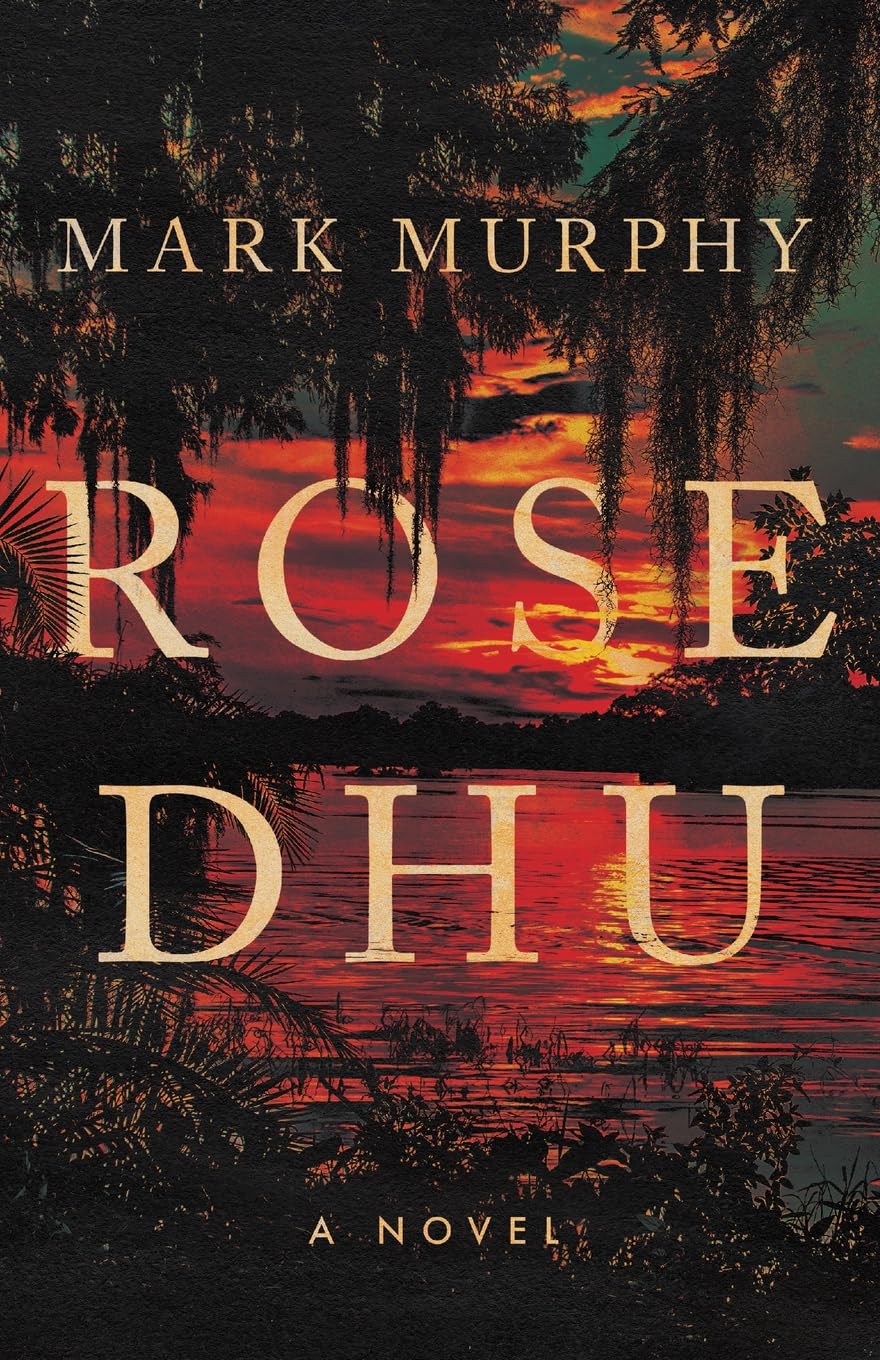

Rose Dhu follows the disappearance of Dr. Janie O’Connor, a brilliant surgeon whose sudden vanishing rattles Savannah. Detective Frank Winger takes the case, and his search uncovers secrets that coil through old money, family loyalty, and violence hidden in plain sight. The story widens from a missing person case into something heavier. It becomes a portrait of power and the people crushed or remade by it. The final revelation, in which Janie reemerges alive under a new identity as Alice Tubman, lands like a quiet shock and changes the emotional color of everything that came before.
Scenes move quickly and often hit with surprising force. I felt pulled in by the atmosphere of Savannah. The place feels damp, shadowed, and tangled with history. Some chapters made me slow down because the emotional weight crept up on me. I found the depictions of trauma raw, but never careless. The book wants you to sit with pain, not look away. That kind of blunt honesty made me connect with Frank more than I expected. His flaws feel lived in. His memories of Afghanistan haunted me in ways I did not anticipate.
There were moments when the story’s intensity nearly overwhelmed its subtler pieces. Still, the ideas underneath the plot stayed with me. What people will sacrifice for those they love. What power looks like when twisted by entitlement. How a life can fracture and rebuild itself into something new. The book is bold about those questions. It pokes at uncomfortable truths, and I appreciate that kind of nerve. By the final pages, I caught myself rooting fiercely for Alice and for Frank.
Rose Dhu reads like a blend of Sharp Objects and Where the Crawdads Sing, only with a darker pulse and a tighter grip on the shadowy power games that shape a Southern town. I would recommend Rose Dhu to readers who enjoy mystery that leans into emotional depth, stories about moral gray zones, or Southern gothic settings with teeth.
Pages: 384 | ISBN : 1967510709

The 12th Cleansing: A Cold Case Reignited by a Serial Killer’s Return


The 12th Cleansing follows Detective Walker Michaels as the nightmare he thought had ended, suddenly returns. A serial killer known as the Moralist resumes his ritualistic murders after a four-year silence, forcing Michaels to confront old failures, grieving families, and the unraveling lives of those caught in the killer’s moral crusade. The story moves between investigators, victims’ families, and the killer’s perspective, building a tense, layered thriller that keeps tightening as new secrets surface.
This was an absolutely gripping read. The writing feels clean and fast, and the shifting viewpoints land with weight. I found myself sinking into the Rawlings family scenes. The way the parents break down, the strain between husband and wife, and the quiet shock of their son Connor all hit hard. Those moments felt honest in a way that surprised me. I caught myself getting frustrated with the detectives when they stumbled and then suddenly rooting for them again when a new clue clicked into place.
I also found myself torn about the ideas behind the story. The book pushes into heavy themes, especially around judgment, morality, and grief. At times, it made me uncomfortable, but in a way that felt intentional. The villain’s twisted logic is disturbing, and the author lets that discomfort sit with you. I liked how the characters wrestle with their own blame and doubts. It made the story feel more human, not just a chase after a monster. And I’ll admit I got pretty worked up during a few scenes. Some had me whispering little reactions under my breath. Others made me pause for a second, thinking about how thin the line is between control and collapse.
In some ways, The 12th Cleansing feels like The Girl with the Dragon Tattoo, since both blend dark mysteries with messy family secrets and investigators who carry their own scars, yet Glass’s story hits closer to home with its raw focus on grief and moral tension. I’d recommend The 12th Cleansing to readers who enjoy crime thrillers that mix emotional tension with a slow-burn mystery. If you like stories that dig into family strain, moral conflict, and the ripple effects of violence, this one is absolutely worth the read.
Pages: 404 | ASIN : B0FY6F4YM1
Love, Hate, and Ego
The Long Farewell follows a young man with an Oedipus complex living in the rise of Nazi Germany who, after a series of tragic events, seeks to get revenge on his father. What was the inspiration for the setup of your story?
When I was in college, I was fascinated by Jorgen, a fellow student whom others in our student house labeled as a weirdo. He exhibited abrupt mood swings and had an aggressive aura, although he was skinny and short. When something irked Jorgen – and many things did – he stood trembling, his fists clenched, his eyes wide-open, in front of you and then burst into tears. After such an emotional eruption, he was withdrawn and silent. In our student house, we placed bets on how long he would last at university. I had been so stupid to tell the others I wanted to become a writer and that Jorgen could become a fascinating character in the novel I wanted to write. The rumor had apparently reached Jorgen: during an evening out at the well-known student pub The Red Scaffold, he confronted me about my statement. It turned out that, for once, he wasn’t aggressive. On the contrary, he seemed flattered. We found a quiet place on the terrace. Jorgen told me he wanted to become a poet and asked a string of questions. We drank a few beers, and he became nostalgic and tearful. He boasted he was diagnosed as borderline schizophrenic. He really seemed proud about it and became strangely souped-up and said with trembling lips and flared nostrils: “My mother turned me into a creep. I was only thirteen when she confessed that she wanted me to make love to her. I remember that a fiery arrow went along my spine, making me shudder.” He peered closely at my shocked face and almost whispered:” Nobody knows if we did it or not.”
What could I say? I was quiet.
Jorgen looked me straight in the eyes. I saw he was fighting back tears. “I hate my father,” he whined softly, exhaling with quivering lips. “It’s all his fault.”
That evening, in my bed, I vowed to write a book one day, circling a character with an Oedipus complex.
And to dodge Jorgen.
I didn’t have to do that long. Two weeks later, Jorgen didn’t check in on Monday at our student house.
And never came back.
The memory of this troubled young man stayed with me for several years.
And popped up stronger than ever when I began writing “The Long Farewell.”
The tragic boy Hermann was born.
What are some things that you find interesting about the human condition that you think make for great fiction?
The contradiction between our ‘good’ and ‘bad’ urges is breathtaking. The building of our personalities after birth is chaotic. Our instincts are relentlessly brutal. If babies had the strength to wield weapons, I believe that most of them would be murderers before their third year. We speak with disdain –and fear- about narcissists and don’t want to face up to the fact that our own ego is narcissistic on different levels. In “The Long Farewell,” we see Hermann’s mental suffering, fueled by his hate for his SS father, getting worse and culminating in a dangerous schizophrenia, leading to a truly apocalyptic ending in the German city of Dresden. Schizophrenia is a fascinating and eerie mental disease. When a baby grows up in a family where its mother and father imprint it with radically opposed worldviews, research has detected that the tension thus generated later on in life is the ideal breeding ground for mental anomalies. In past times, these anomalies were called demons. You may smile, but I assure you that we have to take them seriously.
What were some themes that were important for you to explore in this book?
You know, I often think that everything on this Earth eventually comes down to the endless configurations that love, hate, and ego can produce. Love and ego can join forces to form powerful hate and cruelty. I know that we want to see love as something pristine and holy, but reality shows us otherwise.
Of course, I propose my statement here, pure and well-defined. In everyday life, the borders between love and hate –and ego! – are fuzzy. In my oeuvre, I try to follow the intricate signs in our mind that forecast violent drama. Not an easy task, I can assure you. You may wonder why I am so frantically searching for the roots of our violence. I wonder about that too, because after 39 years of being a full-time author, I’m still searching. I’ve been a travel writer in conflict zones between 1990 and 2003, visiting Somalia, Liberia, Sudan, Lebanon, Burundi, Bosnia, Gaza, Iran, Iraq, Kosovo, Myanmar… to name but a few. Those travels have surely influenced my outlook on the world. In Belgium and the Netherlands, my Flemish/Dutch publisher published 45 books. Although set on several continents, they all focus on the mystery of our aggression, on the executioners and the executed.
What is the next book that you are working on, and when will it be available?
I suspect that I’m writing my last novel: I am seventy-two, and I feel my energy waning. Three years ago, I fell victim to a sepsis infection that nearly killed me. I still struggle with the damage the sepsis has wrecked. Moreover, I am afraid to lose my mental powers and glide into Alzheimer’s maw. The terrible disease destroyed my mother’s brain. I know that Alzheimer’s is hereditary, therefore I spy on myself as if my life depends on it. Which it does, of course.
But enough whining, my manuscript-in-progress carries the ominous working title “Black Water,” but I keep searching for a better one. Over here, in Belgium, readers know me as an author who writes crossovers between suspense and literary, but “Black Water” is more magical realism, with a story taking place on different continents, with a central character, a writer/father hiding many secrets from his teenage daughter until a car accident results in a deep coma. Moran, the daughter, tries to wake him up by reading excerpts of his diary. I could explain more, but an author must be cautious and not divulge too much about a work in progress—the novel centers on love, sorrow, and guilt.
And magical mystery?
Maybe.
When out?
I hope next year.
Author Links: Website | Email | Facebook | X | Instagram | LinkedIn | YouTube | BookBub | Amazon | GoodReads | TikTok | Substack
His father is in the SS, his mother is Belarusian, and his girlfriend is Jewish. After a brutal clash with his father, Hermann and his mother flee to Paris. Swept along by a maelstrom of events, Hermann ends up as a spy for the British in the Polish extermination camp Treblinka.
The trauma of what he sees in this realm of death intensifies his pessimistic outlook on humanity. In Switzerland, the famous psychiatrist Carl Gustav Jung tries to free Hermann of his frightening schizophrenia, but fails to unravel the power of the young man’s emotions, especially his intense hate for his father.
What follows is a tragic chain of events, leading to Hermann’s ultimate revenge on his father: the apocalyptic bombing of Dresden.
THE LONG FAREWELL is an unforgettable exploration of fascism’s lure and the roots of the Holocaust. More than ever, the novel is a mirror for our modern times.
Against All Odds
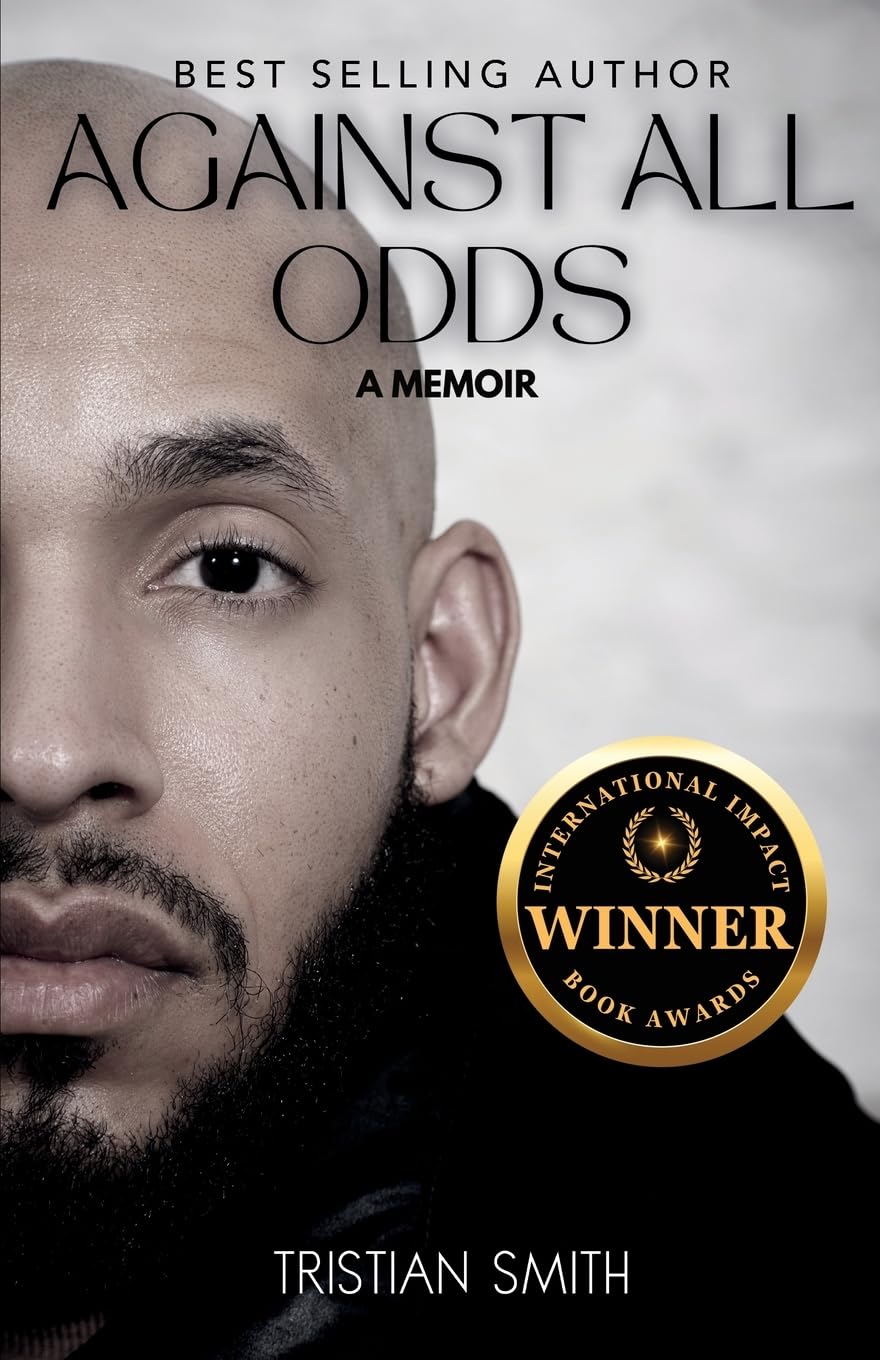
Against All Odds is a blunt and emotional memoir about growing up in poverty, surviving horrific abuse, entering the foster care system, and clawing a way toward stability, purpose, and adulthood. The story moves from early childhood trauma to the revolving door of foster homes, then toward the author’s eventual growth, education, service, and advocacy for youth in care. At its heart, the book traces the long road from hurt to healing and highlights both the failures and the rare moments of compassion within the child welfare system.
While reading, I felt the author’s voice come through with a kind of quiet force. The writing is simple, but it hits hard. Scenes of abuse and fear are described without dressing them up, which makes them linger long after you close the book. I found myself stopping every so often just to breathe and process what I had read. The honesty feels brave. It also feels painful, because the book never hides the worst moments. I appreciated that the author doesn’t try to make the trauma sound noble or inspirational. Instead, he shows how messy, lonely, and confusing it was to survive it. That kind of truthfulness made me trust him as a narrator and connect with the story more deeply.
I found myself moved by the way the author talks about resilience, not as some magical trait, but as something built slowly from tiny sparks of hope and small acts of kindness. The sections about teachers, caseworkers, and foster parents who actually cared warmed me more than I thought they would. I also felt frustrated at how often the system failed him and his brother. It made me angry and sad at the same time, because these aren’t rare stories. The mix of systemic critique and personal reflection felt honest and relatable. The author talks about mental toughness, purpose, and choice, but he also never forgets how much environment and support matter.
By the time I reached the end, I felt a mix of heaviness and admiration. This book would be a strong fit for readers who care about child welfare, social work, or youth advocacy, but it would also resonate with anyone who appreciates raw, emotional memoirs about surviving hardship. It’s tough in places, but it carries a steady, quiet hope that makes the journey worth it.
Pages: 204 | ASIN : B0D8K36XWG
Faery Academy of QuillSnap: Night of the Purple Moon

Faery Academy of QuillSnap unfolds as a sparkling adventure that blends the everyday world with a secret realm full of faeries, magic, and danger. The story follows young Tansy WaterSprite, who escapes a harsh guardian and discovers she was destined for a faery academy. Meanwhile, a grandmother and granddaughter in the human world stumble into an enchanted mystery of their own. The book weaves these threads together with colorful scenes, playful creatures, and a sense of wonder that feels constant.
I found myself charmed by the author’s imagination. The imagery pops. The descriptions of enchanted forests, shimmering potions, and glittering wings gave me that warm feeling you get when a story sweeps you away. At times, the writing leans into whimsy, but I never felt lost. I liked the cozy tone and the gentleness in the way magic appears. It feels like the book invites you to go along instead of pushing you. I appreciated that.
I also had strong feelings about the emotional beats. Tansy’s fear around Merkel really resonated with me. The shift from dread to hope felt genuine. The scenes with Mimi and Rose left me with a sweet ache because of the love between them. Some moments wandered a little, yet the heart of the story always pulled me back in. I enjoyed how the narrative threaded humor through the tension. It kept me invested and curious about what would happen next.
I feel the book would be a great fit for readers who love gentle fantasy, vivid worlds, and stories that carry a sense of childlike wonder. It would be perfect for middle-grade readers and also for adults who enjoy whimsical escapes. If you like books that mix warmth with adventure, I would recommend giving this one a try.
Pages: 414 | ASIN : B0DJCTXDK9
The Weekend Gumboots
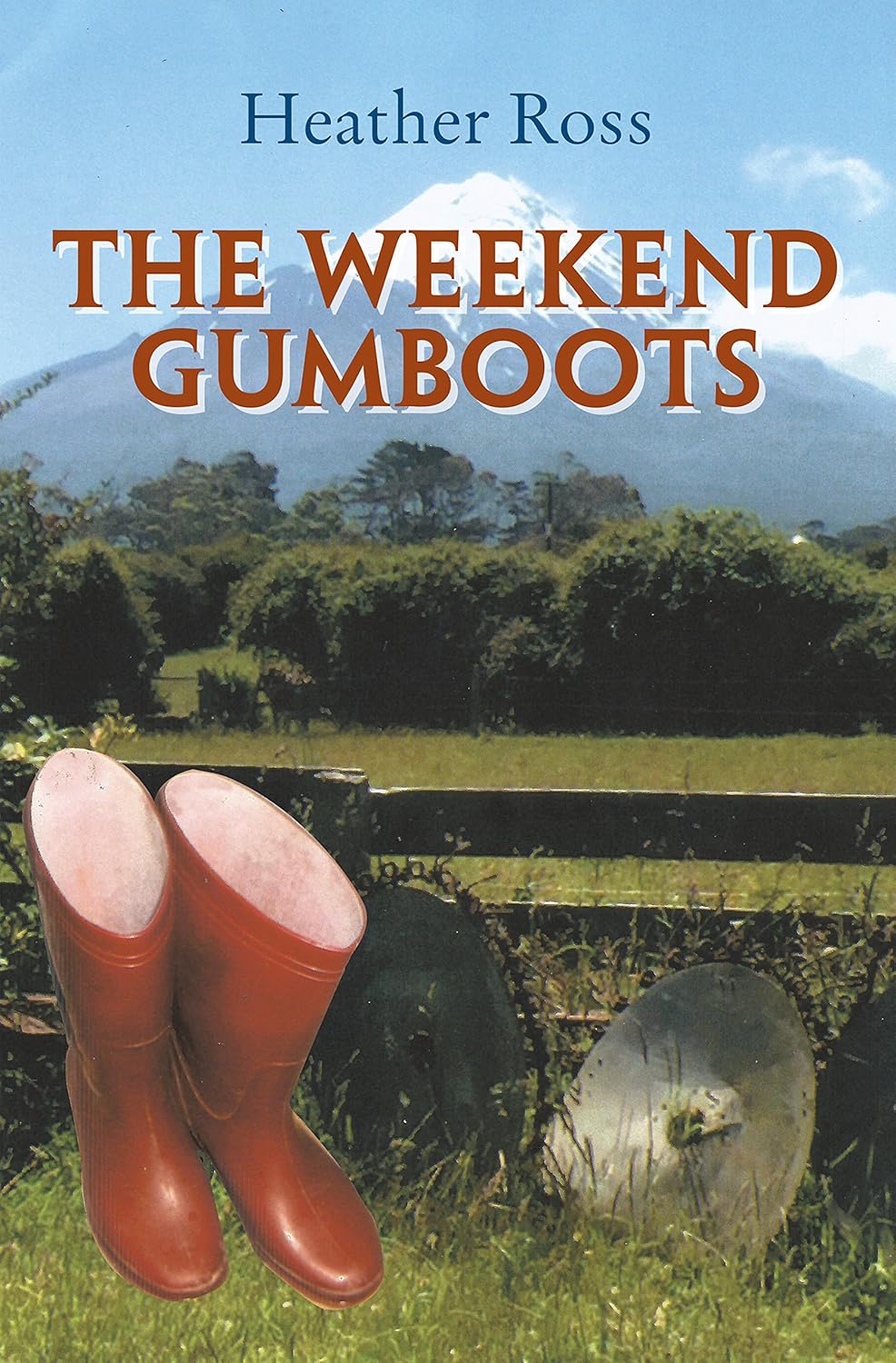
The Weekend Gumboots tells the story of a farming family weathering storms that are far more than literal. Across chapters that swing from wild weather to runaway cows to old wounds reopening, the book follows Targe, Kate, and the three sisters who never hesitate to jump in boots first. Their efforts to keep the farm standing, protect family ties, and fend off the chaos stirred by Wicked Wendy create a tale full of noise, mud, heartache, and laughter. It moves fast and often feels like a diary of disasters, rescues, and small wins that stitch a family together.
The writing has an earnest, homemade quality that made me smile. The scenes are vivid and often funny, especially when the sisters barrel into trouble with nothing but stubborn energy and shiny gumboots. Sometimes the prose wanders, but that wandering also gives the story its charm. It reads like someone talking to you over a cup of tea while pointing out every detail they remember, and I found myself leaning in. There were moments when I wished for tighter pacing, yet the rawness of the storytelling helped me stay connected to the people rather than the plot.
The ideas running through the book hit me harder than I expected. Loyalty, resilience, and the weight of family history sit under every chapter. I felt frustration when the sisters battled storms or stubborn bulls or, worse, Wendy’s scheming. I felt a kind of quiet pride as they kept showing up anyway. The book reminded me how exhausting real life can be and how love often looks like doing the unglamorous work, even when no one sees it. There were times I laughed out loud and others when I felt a pinch in my chest for how close this family came to breaking under pressure.
I also really liked the hand-drawn artwork and the photos scattered through the book. They gave the story a homely feel and made the whole thing more personal. I kept pausing to study them because they pulled me closer to the world on the page. The drawings felt warm and a bit cheeky, and the photos grounded everything in real life.
This book would be a lovely fit for readers who enjoy personal, memory-driven storytelling and who don’t mind a narrative that wanders the way real life does. It is ideal for anyone who likes heartfelt rural tales, true-to-life messiness, and family stories that feel lived rather than crafted.
Pages: 148 | ASIN : B07F1KKSSJ
Carnage in D minor
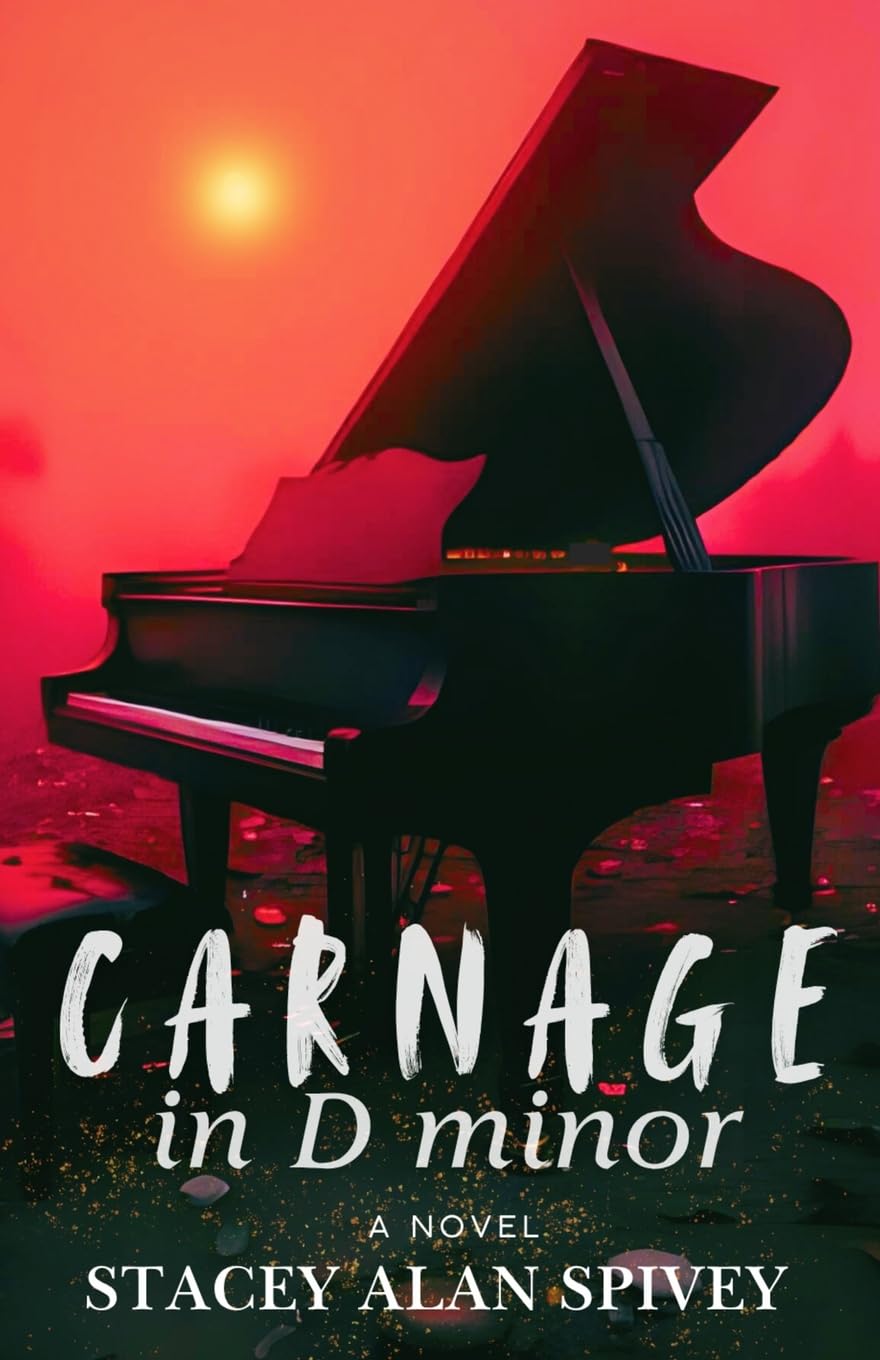
Carnage in D Minor follows Leeza Allen’s rise from a prodigious Southern piano talent to a battle-hardened military veteran who is struggling to hold herself together while trauma keeps dragging her back into the dark. The novel blends psychological suspense with a deeply personal story about survival, family, fear, and the brutal tug of the past. From childhood recitals in Beaufort to the nightmares she carries home from deployment, the book moves between tenderness and terror with an intensity that caught me off guard. The story paints a heroine who is gifted and broken and stubbornly alive. It builds a world where beauty and violence keep brushing up against each other in quiet but devastating ways.
I found myself pulled in by the voice of the book. The writing swings sharply between raw emotion and calm precision. I liked that. It made me feel as if I was inside Leeza’s head even when I wanted to reach out and steady her. The scenes around her childhood are vibrant and warm. Then the tone shifts when the story lands in adulthood where PTSD, addiction, and grief turn everything jagged. That contrast shook me a little, and honestly, that is what made the book memorable. The author seems to understand trauma from the inside out. The panic attacks. The sudden triggers. The numbing habits that pretend to help but only make the ground softer under your feet. Those moments felt painfully real. The writing has a rhythm that matches Leeza’s state of mind. Sometimes measured. Sometimes chaotic. Sometimes barely holding onto structure at all. I felt myself riding those waves with her.
I also found myself reacting strongly to the ideas the book brings up about responsibility and the human mind. The novel keeps circling back to the question of why people break the way they do. It shows trauma not just as an event but as a rewiring of a person’s internal world. I appreciated that the story never treats addiction or homelessness or depression as simple problems with simple solutions. There is frustration in Leeza’s voice. Anger too. And a fierce compassion that pushes her to believe she can fix the unfixable even while her own life is slipping through her fingers. At times, her determination feels reckless. At other times, it feels heroic. I found myself rooting for her even when she made choices that scared me.
The novel is gripping and emotional and often uncomfortable in ways that feel purposeful. I would recommend Carnage in D Minor to readers who enjoy psychological fiction that digs into trauma without sugarcoating it. It is also a strong pick for anyone drawn to stories about gifted women trying to rebuild themselves after the world has already taken too much. If you want a book that feels honest and relatable and a little bruising in all the right ways, this one is worth your time.
Pages: 265 | ASIN : B0G1CN78FG



 LITERARY TITAN