Blog Archives
Interior Demons

The Reluctant Womb is an emotional novel about three women whose lives are shaped by love, loss, and the brutal lack of reproductive freedom in the decades before Roe v. Wade. This seems like a very personal story for you. How hard was it to put this story out in the world for people to read?
It wasn’t hard at all. It just seemed the right story to tell. Roe v. Wade had just been overturned, and women were facing the same problem today that women faced when the events in this story took place. One of the women, on whom the character of Thea is based, had recently sent me copies of the letters she’d received from Chris in 1963, and I felt compelled to include some of them in the story, so Chris’s actual voice could be heard. I began to see parallels—how the three women’s (“girls” in those days) own birth stories influenced who they became as young women, and the choices they made. The actual stimulus for writing it came from someone in a movie group I belong to. We’d just watched a film about a 17-year-old girl who seeks an abortion. One woman thought it was unoriginal. I began telling her the story of my two friends who got pregnant in 1963, and by the time I’d told her a few facts about their situation, the woman broke in saying, “Now that’s a movie I’d love to see!” I couldn’t write a script, but I could tell the story, fictionalized. That’s actually what pushed me to begin writing. Most of the story is fiction, built around facts and educated guesses.
There was a lot of time spent crafting the character traits in this novel. What was the most important factor for you to get right in your characters?
The most important thing for me was to get right was how much these three women cared about each other. After that, I wanted to distinguish them by other characteristics—the type of family they grew up in, what they looked like, their values, their various strengths, their interior demons. Having known them both, this wasn’t difficult.
What were some themes that were important for you to explore in this book?
Obviously, the main theme is the difficulty of unwanted pregnancy presented for women pre-Roe v. Wade. But also the central themes facing young adults in the 1960s: the Bomb, Civil Rights and interracial relationships, the Vietnam War, and the widespread appearance of drugs. Also, the Pill, which presented a struggle for many young women who’d been taught to remain a virgin until their wedding night.
What is one thing that you hope readers take away from The Reluctant Womb?
I think the one thing I want readers to take away is that, although abortion should be legal, it is not a simple solution. And neither is adoption. I tried to show this in the character of Chris, who was tormented by not knowing who her birth parents were and choosing abortion to end her pregnancy rather than having her child adopted. With Thea, I tried to show it with the daughter she reunites with nearly fifty years later, when she hears her daughter’s story. But primarily, I tried to show it when Cilla learns she was nearly aborted (which is my own story), and has to struggle with her pro-choice stance and the fact that she helped Chris through her abortion. It brings home to Cilla that her life would have been destroyed if her mother had succeeded. This is, in my opinion, the moral core of the story. Her resolution, that, because it’s impossible to choose between the rights of the mother and those of the fetus, that neither has more “rights”—means that the government has no business making a law making abortion illegal. But this also means that, if fully realized, it’s the most painful decision a pregnant woman will ever make. My more grandiose hope, I suppose, is that this book will help to narrow the chasm between those rigidly opposed to abortion and those who feel it is a woman’s right to choose.
Author Links: GoodReads | Facebook | Kirkus | Website | Amazon
In 1963, three college friends at the University of Michigan are on the cusp of adulthood, full of dreams and discovering their place in the world. But when two of them become pregnant, they face an impossible reality: abortion is illegal, birth control is hard to come by, and society is quick to judge.
Set in the years before Roe v. Wade, The Reluctant Womb follows these young women as they grapple with love, shame, secrecy, and the consequences of choices no one should be forced to make alone. Against the backdrop of the sexual revolution, shifting gender roles, and political unrest, their stories illuminate the emotional and societal weight of unplanned pregnancy in a time when women had little agency over their own bodies.
Based on true events and written by one of the women who lived them, Pamela Blair’s novel is both a poignant coming-of-age story and a timely reminder of how much—and how little—has changed.
For readers of historical fiction, women’s fiction, and memoir-style novels, The Reluctant Womb is an unforgettable story of resilience, friendship, and the fight for reproductive freedom.
A CHOICE THAT WASN’T A CHOICE
The Reluctant Womb
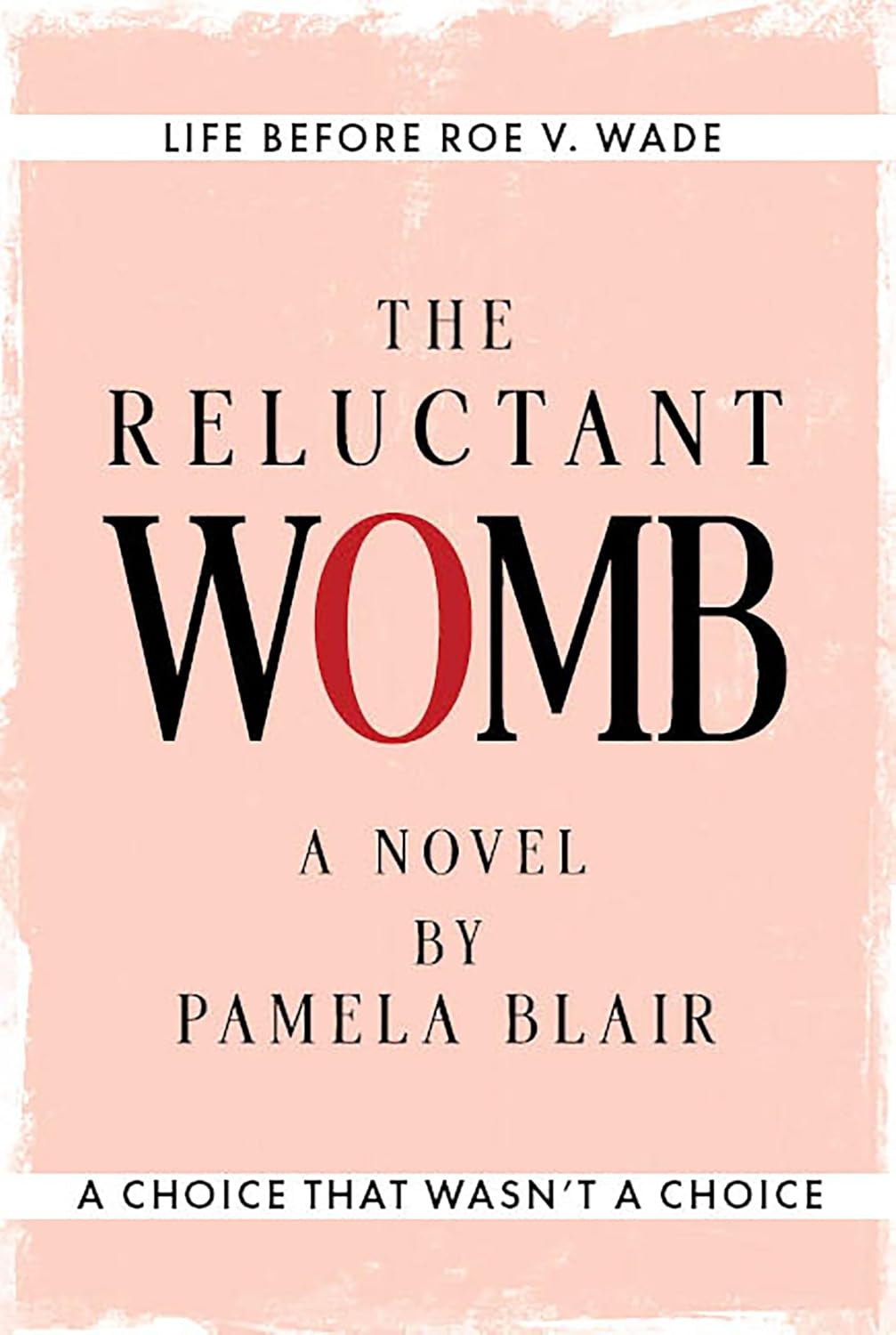

Pamela Blair’s The Reluctant Womb is a sweeping and emotional novel that traces the stories of women whose lives are shaped by love, loss, and the brutal lack of reproductive freedom in the decades before Roe v. Wade. From the 1940s through the turbulence of the 1960s and 70s, and into the reunions of the 2000s, Blair threads together family histories, friendships, and the deeply personal choices women are forced to make in a world that often refuses to see them. The book is raw and unsettling, yet also layered with tenderness, memory, and the stubborn hope of survival.
The writing is vivid, sometimes painfully so, with scenes of birth, secrecy, and shame that I could almost feel in my own body. I was both gripped and unsettled, sometimes angry, sometimes sad. The characters didn’t feel distant on the page; they felt close, almost as though I was eavesdropping on someone’s private memories. Blair doesn’t dress things up. She doesn’t soften the edges. That honesty made me uncomfortable at times, but in a way that felt necessary, like being shaken awake.
At the same time, there’s something beautiful in the way she writes about friendship and endurance. The bonds between the women, fragile, tested, and mended, pulled me in the most. I found myself rooting for them, even when their choices felt messy or painful. There’s a kind of quiet rebellion in their persistence to keep moving forward, even when society seemed determined to box them in. I also loved the historical backdrop, the way the political and cultural shifts of the ’60s and ’70s bled into their personal stories without ever feeling forced. It felt alive, like history not in textbooks but in living rooms and whispered phone calls.
This book is not light reading. But if you want a story that digs into the guts of what it means to be a woman in a time of constraint, and if you’re open to sitting with some discomfort along the way, I think you’ll find it powerful. It’s for readers who want more than a smooth ride, who don’t mind being left with questions that gnaw a little. For me, The Reluctant Womb was both heartbreaking and affirming.
Pages: 414 | ASIN : B0FF2S8DZ7

The Path of Saints and Sinners
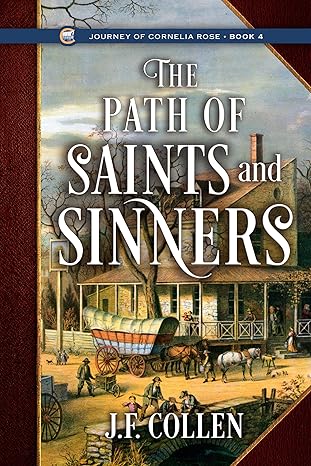

The Path of Saints and Sinners is the fourth book in J.F. Collen’s Journey of Cornelia Rose series, and it carries Cornelia “Nellie” Rose Wright into the stark and complicated world of Utah Territory in the mid-1800s. The story picks up with Nellie, her husband Obadiah, and their daughters after the grueling journey westward. They arrive in Great Salt Lake City, hoping for rest, stability, and a sense of community, only to find tension, hostility, and political turmoil instead. The book blends the trials of pioneer life with the undercurrents of faith, loyalty, and the uneasy intersection between the United States government and the Mormon settlers.
I felt pulled right into Nellie’s restless heart from the start. She is exhausted and homesick, yet her sharp wit and stubborn courage refuse to give way. The dialogue brims with energy, and the little details like dusty wagon wheels, harsh light, and the smell of mold on corn husks make the setting feel immediate and alive. At times, I found myself irritated with Obadiah’s insistence on pressing forward in the face of obvious danger, but then that frustration softened because it mirrored Nellie’s own. The writing does not shy away from messy conflict. It lingers in the gaps between what is said and what is felt, and I admired that.
The book meanders through conversations and stretches of description that sometimes slow the tension. Yet, even when I grew restless, I found myself laughing at Nellie’s sharp asides or touched by the innocence of her daughters. There is an honesty in the way Collen portrays family life, messy and tender all at once, and that honesty kept me invested.
I realized this book is less about resolution and more about survival. Nellie’s world is uncertain, and her doubts echo across the pages in a way that felt strangely modern to me. I would recommend The Path of Saints and Sinners to readers who enjoy historical fiction rooted in strong female voices, especially those who like their history layered with personal struggle and the grit of daily life.
Pages: 504 | ASIN : B0FHPXS955

The Image Maker
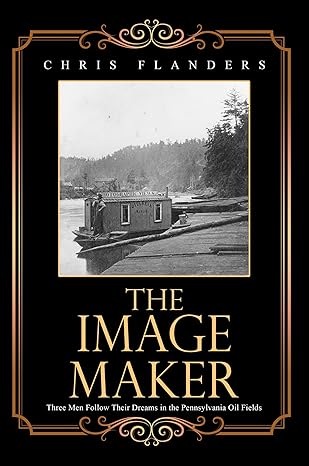
The book follows three men, John Mather, Charles Miller, and Patrick Boyle, whose lives intersect in the early days of the Pennsylvania oil boom. John is a restless photographer determined to capture the grit and grandeur of an industry in its infancy. Charles is a disciplined young soldier whose sense of duty shapes his choices in the Civil War era. Patrick is an impulsive dreamer from an Irish immigrant family, eager to escape the small-town life that feels too small for him. Their stories unfold against a vivid backdrop of muddy streets, booming derricks, political tension, and the ever-present lure of fortune. While grounded in historical fact, the novel moves with the ease of personal storytelling, never drowning in dry details.
I found the writing to be grounded and full of texture. Chris Flanders has a knack for painting a vivid picture without making it feel like a history lesson. The voices of the three men are distinct. John’s ambitious restlessness, Charles’s measured sense of order, and Patrick’s raw yearning. The pacing struck me as unhurried yet purposeful. Some passages lingered on small domestic or mechanical details, and instead of feeling tedious, they made the world feel lived-in. The narrative sometimes wandered, and I caught myself wanting certain plotlines to move faster. But when the moments landed, like a dramatic freshet scene or a tense exchange between characters, they landed hard.
The emotional heart of the book for me was less about oil or war and more about the push and pull between ambition and belonging. Each man is chasing something: security, glory, independence, but they’re also tethered to the people and places they can’t fully leave behind. I felt the quiet ache in John’s marriage, the wary pride Charles took in his promotion, and Patrick’s mix of fear and thrill as he signed enlistment papers. The dialogue read naturally, without feeling over-polished, and I appreciated that not every conflict had a neat resolution. Life in the 1860s oilfields was messy, and the book doesn’t shy away from that.
I’d recommend The Image Maker to readers who enjoy historical fiction that feels both relatable and vivid. If you like stories where real events breathe through the grit of everyday life, this will draw you in. History buffs will appreciate the accuracy, but even if you don’t usually reach for that genre, the characters are engaging enough to keep you turning pages.
In The Shadows of The Blue Ridge ~ A Farmer’s Plight in Loudoun County
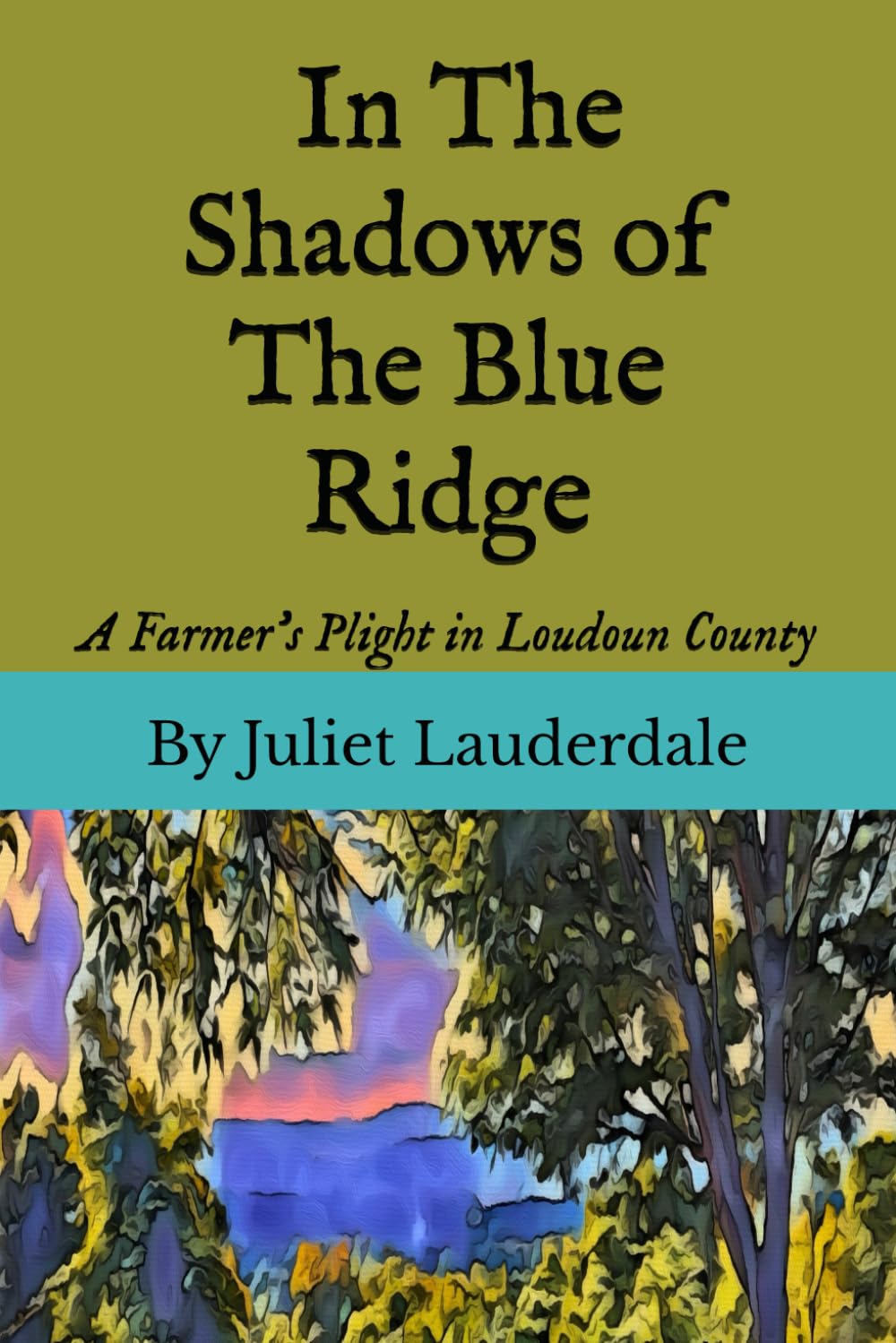
Juliet Lauderdale’s In the Shadows of the Blue Ridge is part history lesson, part personal memoir, and part raw portrait of rural life colliding with political and economic change. It begins with the deep past, Native American roots, colonial land grants, and Loudoun County’s farming heritage, and then moves through centuries of growth, decline, and reinvention. Woven into this historical fabric is the life of “Red,” a descendant of old farming families, whose struggles, quirks, and political entanglements form the beating heart of the book. Lauderdale’s voice moves from scholarly to intimate, shifting easily between researched history and the candid, sometimes painfully honest, accounts of family dynamics, small-town politics, and a community transformed beyond recognition.
The writing doesn’t shy away from awkward truths, petty grudges, or the strange comedy of human behavior. There’s a rawness here about addiction, dysfunction, and generational stubbornness that hit me harder than I expected. Some passages made me laugh out loud, not because they were trying to be “cute,” but because they captured those absurd, unfiltered moments that happen in real life. Other sections felt heavy, almost suffocating, in the way they portrayed bitterness, decline, and the slow erosion of a place’s soul. The historical sections were rich and vivid, but it’s the personal vignettes that really anchored me in the story.
At times, the shifts between historical exposition and personal narrative felt abrupt, but that worked for me. Life rarely comes neatly packaged, and Lauderdale writes as though she’s turning to you mid-conversation, jumping from a 1700s land deed to a 2015 political feud without ceremony. The prose is plainspoken, but there’s a rhythm in it, a mix of blunt observation and wry humor that kept me engaged. I could feel the author’s affection for the land and her frustration with the changes forced upon it. More than once, I caught myself thinking of my own hometown, and how much of it has been paved over in the name of “progress.”
I’d recommend In the Shadows of the Blue Ridge to readers who love local history told with personality, to anyone curious about how politics and land use shape real lives, and to those who appreciate a story that lets people be flawed, contradictory, and human. It’s a portrait of a place, a family, and a man, all stubbornly resisting the tide, even as it swallows them.
Pages: 264 | ASIN : B0FHBPSGDP
My Land, My Nile
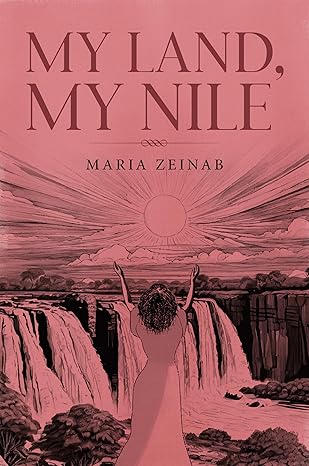
My Land, My Nile, by Maria Zeinab, is a sweeping and multi-generational tale that threads together history, myth, and personal memory along the Nile’s banks, from the Abyssinian Highlands to the Nubian Valley. It blends the oral traditions of Nubian culture with vivid depictions of displacement, political tension, and familial bonds. Through interwoven narratives, crocodiles as sacred guardians, the fall of the legendary Yahodi Nog, and the odyssey of Nabra-Isat Soliman returning to her ancestral land, Zeinab paints a textured portrait of a people’s resilience against the tides of time, politics, and water. The novel drifts between the past and present, memory and vision, often blurring the lines between the real and the mystical.
Reading this book felt like stepping into an old Nubian home where the walls are lined with family photographs, some faded, some vivid, each whispering a story. Zeinab’s writing is drenched in sensory detail like the smell of sandalwood, the glint of green crocodile eyes, the oppressive hush of a summer noon, and that attention to the tangible pulls readers deep into the narrative. Her characters are layered, never reduced to tropes, and their conversations carry the weight of centuries. That said, the lyrical style can be somewhat demanding. The shifts between timelines and voices require patience, but for me, that challenge was part of the reward. The story never panders. It trusts the reader to wander, to get a little lost, and to return richer.
What moved me most was how the novel treats loss, not just the loss of people, but the erasure of land, language, and ways of life. Zeinab doesn’t rush to offer hope. Instead, she lets grief sit in the room, lets it breathe beside the characters, until its edges soften into something like acceptance. I felt my chest tighten during the moments of cultural theft, like when Nubian names are stripped from official documents, because it’s not just fiction; it mirrors real wounds that history keeps opening. Yet even in the heaviest passages, the story never forgets the beauty of what it’s trying to preserve. It’s a rare balance of lament and love.
I would recommend My Land, My Nile to readers who appreciate historical fiction that leans into poetry and myth, and to anyone who has a soft spot for intergenerational sagas rooted in place. For those who have ever felt the pull of an ancestral home, whether visited or only imagined, this book will feel like a homecoming, with all the joy, ache, and ghosts that it entails.
Pages: 352 | ASIN : B0FH2Q9KQT
The Rabbi’s Knight
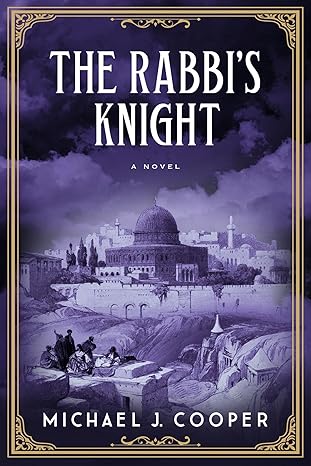
The Rabbi’s Knight is a historical thriller set in 1290 at the waning edge of the Crusades. The story follows Jonathan St. Clair, a Knight Templar, who seeks the help of Rabbi Samuel, a renowned Jewish mystic, to decipher a mysterious scroll with cryptic Hebrew inscriptions. Their quest, tangled in political betrayal, religious fanaticism, and secret brotherhoods, unfolds across the Holy Land and brings together characters from vastly different worlds. The plot blends action and philosophy, weaving Kabbalistic lore, Christian mysticism, and Islamic reverence for shared prophets into a fast-paced journey marked by danger and spiritual awakening.
The writing pulled me in from the start. The prose is direct and vivid without trying to show off. It balances historical detail with forward-moving suspense, which kept me up longer than I care to admit. Some of the dialogue occasionally becomes formal, but that’s rare. Cooper’s ability to blend historical fact with myth and to put complex theological ideas into plain speech impressed me. And it wasn’t just dry knowledge, it mattered to the characters, which made it matter to me.
What I loved most, though, was the humanity of it all. I didn’t expect a novel set in the Middle Ages to feel so timely, but it did. A few scenes lean into exposition-heavy dialogue. The book wrestles with how people of different faiths, each with their own stories and wounds, might still come together to chase truth and protect what’s sacred. The friendship between St. Clair and Rabbi Samuel felt genuine, built not on fantasy but on shared vulnerability and grit. The villains, especially the fanatics like Rabbi Petit, are frightening not because they’re caricatures, but because their righteousness feels so real. It reminded me how easily good intentions can rot into cruelty when people forget to listen.
The Rabbi’s Knight is more than just an exciting story about knights and ancient codes. It’s a moving meditation on trust, faith, and the fragile possibility of peace in a broken world. I’d recommend this book to anyone who loves historical fiction with heart, especially readers curious about interfaith dialogue, spiritual traditions, or stories that dare to imagine bridges where others see walls. If you’re tired of the same old sword-and-sandals fare and want something with both soul and suspense, this one’s worth your time.
Pages: 487 | ASIN : B0FLF6XRQ2
Rome’s Culture

In The Altar of Victory, you take readers on a journey into the days of the Western Roman Empire and the political fallout following the death of Emperor Valentinian I. Why was this an important book for you to write?
It was important to me for several reasons. My interest in this era began long ago, when I was a European History major in college and had taken a class on the period from Late Antiquity through Charlemagne (300-800 AD roughly). The period up to Constantine was well covered, as was the actual catastrophe of the sack of Rome in 410 AD and the subsequent barbarian invasion. However, the course jumped past the last half of the 4th Century, when the Roman empire was still intact and just before these catastrophes began to increase. The more I read in the intervening years, the more evident this gap appeared. Even Gibbon’s Decline and Fall of the Roman Empire tended to treat this critical period of European history in summary fashion.
I also decided that the question of how such a technologically advanced civilization like Rome, with the most organized army and engineering in the world, could fail to see the threat and fall so quickly to less organized enemies. Was there a point when the decline could have been arrested? Did it really come down in part to the deaths of perhaps three key emperors (Valentinian, Valens, and Gratian)? Was it cultural change and the loss of a Roman identity? What role did the advent of organized Christianity play? It was a host of puzzles that I wanted to understand, if not solve.
Can you share with us a little about the research that went into putting this book together?
Before I began writing, I spent several years accumulating various non-fiction sources- books by more contemporary historians like David Brown and Michael Grant; biographies of Ambrose of Milan, etc. I also went to the limited primary sources- Ammianus Marcellinus, of course, Zosimus, the letters of Symmachus, St. Jerome, Ausonius, the Notitia Dignitatum, and others; the military manual of Vegetius. Even as I began to outline the plot and write the first chapters, I continued to read and learn what I could, and still felt that so much was still missing from the historical record. Which was also good, because it enabled me to fill in with a plot of my own devising!
What were some themes that were important for you to explore in this book?
I wanted to explore what remained of Rome’s culture in the 4th Century, and how it had been eroded or replaced as the empire had grown and the city of Rome was no longer the center of the empire. I was also interested in the courts of the emperors, when the emperors no longer came from Rome or even visited very much. The idea that the key military and administrative figures had now become Gauls, Franks, and other nationalities/tribes who had only recently been enemies of Rome seemed to me to be critical in understanding how “Romanness” could have been disappearing for decades before a military transition occurred.
Another theme of importance to me was the figure of Gratian. By all accounts, he was a decent and brave military leader and tried to be a good emperor. He was also a fairly devout Christian and took an interest in the ecumenical issues of the day. And yet, he did not last, and after his reign, the Roman army did not do well in the west. I wanted to explore whether he was the last, best hope for Rome and what factors worked against his success.
Can we look forward to more work from you soon? What are you currently working on?
I am both researching and writing the sequel to The Altar of Victory, in which I intend to conclude Gratian’s story. I am also trying valiantly to finish a collection of short stories set in the 19th and early 20th centuries of Louisiana and Texas before year end.
Author Links: GoodReads | Facebook | Website | Amazon



 LITERARY TITAN