Blog Archives
An Incredible Experience

You May Conquer: Facing What Others Have Met takes readers on a journey into the lives of biblical figures and modern leaders who, when faced with adversity, did not crumble but rose higher and shared the lessons learned from their struggles. Your book highlights the transformative power of adversity and how it can be channeled into a positive experience. How have you experienced this in your own life, and what lessons did you learn from it?
I found that as I began to work with my mother at her job, there was a lot of pressure on me, because she is a supervisor. So I didn’t want people to think I was a nepotism hire. I worked hard, very hard. And I earned my place alongside my co-workers. I felt the initial adversity, but surprised myself with how hard I worked.
Did you find anything in your research of this story that surprised you?
I had always heard good things about the life and times of Reverend Doctor Martin Luther King, Jr., but the more I researched, the more I was truly impressed. He had to be willing to give his life for ideals. I was truly surprised at his life’s record.
What is one thing that you hope readers take away from You May Conquer?
That we are in this world living an incredible experience that is greater than all of us. That when we realize how much responsibility we owe, I hope readers too see that we should never back down from adversity, we should exhibit bravery and courage, and surprise even ourselves.
Author Links: GoodReads | Facebook | Website | Amazon
In You May Conquer: Facing What Others Have Met, Devon J. Francois & Woody R. Clermont take readers on a sweeping journey through scripture, history, and modern life, uncovering how ordinary people and world-changing leaders alike found strength in struggle. From Joseph in Egypt and Job’s unwavering faith, to Harriet Tubman’s courage, Nelson Mandela’s resilience, Martin Luther King Jr.’s perseverance, Helen Keller’s vision, Malala Yousafzai’s bravery, and beyond—these stories show that trials do not define us, but how we respond to them does.
Blending timeless wisdom with contemporary insight, this book explores:
How obstacles can become teachers rather than enemies
Why authority without humility collapses under its own weight
The inner battles that often matter more than external ones
Lessons of leadership from figures as diverse as Abraham Lincoln, Gandhi, Robin Williams, Jean-Jacques Dessalines, Oprah Winfrey, and Volodymyr Zelenskyy
Practical encouragement for living the lessons “out loud” in your own life
Written with clarity, conviction, and compassion, You May Conquer is not about avoiding adversity—it is about transforming it. It is a book for anyone who has been tested, knocked down, or underestimated, and who still believes that the struggle can produce something greater.
The message is clear: adversity is not the end. It is the training ground. And you, too, may conquer.
Letters From the Sand


Reading Letters from the Sand, by Scott G.A. Metcalf, felt like sitting down with someone just back from deployment and asking, “So what was it really like?” It is a military memoir that follows one soldier from the shock of stepping off the C-130 into the brutal desert heat, through the daily grind of patrols, life in canvas tents and crowded barracks, cultural encounters with Iraqi civilians, holidays spent far from home, and finally the uneasy process of coming back. The book moves in clear stages, from arrival and adjustment to stress and resilience, and then into reflection and return, so by the end I felt like I had walked the full arc of a tour alongside the narrator.
What stood out to me first was the writing. It is vivid. The heat, the dust in your teeth, the smell of jet fuel and sweat and canvas, the cramped bunks and noisy mess hall, all of it is described in careful detail that pulls you into the space rather than just telling you what happened. The style leans toward long, rolling sentences that mirror the drag of long days on base and on the road, then suddenly there is a short, sharp line that hits like a snapped command. The first-person voice helps a lot. It feels controlled and thoughtful, not like a raw journal dump, which gives the whole memoir a steady, grounded feel.
I also appreciated the way the author handles choices and ideas rather than just scenes. There is a lot here about routine and discipline, but underneath that is a constant question about what all of this is doing to the people involved. The book lingers on small human moments in the barracks, late-night conversations, card games, letters home, the way guys arrange their bunks with photos and little bits of home to hang on to who they are. It also pays attention to the civilians around them, the awkwardness of brief meetings in villages, and the mix of suspicion, fear, and curiosity on both sides. The memoir never turns into a big political argument, which I actually liked. Instead, it lets you sit with the tension between duty and doubt, pride and fatigue, connection and distance. By the time you get to the later reflections, the early scenes of arrival and “mission talk” feel heavier, because you have watched what that environment does to people over months, not days.
Letters from the Sand is a good fit for readers who like reflective, character-focused military memoirs rather than pure action stories. If you are a veteran or close to someone who has served, a lot of this will ring painfully true and might give you language for things that are hard to explain. If you have never been near this world but want to understand what “deployment” really feels like on a day-to-day, human level, this book is a patient, honest guide.
Pages: 201 | ASIN : B0G2335VNQ

Delaware at Christmas: The First State in a Merry State


Delaware at Christmas is a richly illustrated tour of how one small state has celebrated the holiday across four centuries. Author Dave Tabler moves from early Scandinavian and Dutch settlers to later British, German, Irish, Italian, Polish, Black, and Hispanic communities and shows how each group brought its own Christmas customs into Delaware life. The book then shifts to 19th-century practices like eggnog, sleigh bells, mumming, and plum pudding, before moving into the Victorian period with holly-wreath factories, Christmas seals, and toy trains. Finally, it lands in the late 20th and 21st centuries with house tours, IBM punch-card wreaths, handbell choirs, Kwanzaa, and even Christmas in July, then closes with a reflective postscript on technology and sustainability. The structure feels like a guided walk through time, with short thematic chapters, archival photographs, and clear, accessible explanations that keep the focus on place, people, and memory.
I found the writing warm, steady, and very readable. The tone stays careful and professional, yet it feels like a neighbor telling stories over coffee, not a distant professor. I appreciated the way Tabler anchors each chapter in a concrete detail, such as the Sankta Lucia procession at Old Swedes Church, the Feast of the Seven Fishes in Wilmington’s Little Italy, or the oplatek bread on Polish Christmas Eve, and then pulls back to show how that custom grew from older roots. The references to specific churches, festivals, and streets gave me a sense of real neighborhoods, real people, real weather in December. The short chapter format keeps the pace brisk, and I rarely felt bogged down, although now and then I wished for a touch more narrative glue between topics, especially when the book jumps from one ethnic group to another in quick succession. Overall, though, the style carries a lot of research without feeling heavy, and that balance impressed me.
Emotionally, the book hit me in a quiet but lasting way. It is worth noting that Tabler does not treat Christmas as a simple feel-good backdrop; he lets harder stories in, such as Antebellum Black Christmas and the rise of independent Black churches, and he gives those sections space and dignity instead of pushing them to the margins. At the same time, there is a playful curiosity in chapters on holly wreath factories, punch-card decorations, and Christmas savings clubs, and I caught myself grinning at the sheer oddity of some of those details.
The closing pages, with their focus on Delawareans adapting to online services, digital cards, and greener holiday habits, felt surprisingly tender; they invite the reader to think about their own family rituals and how those might change, or already have changed, over time. I finished the book with a mix of nostalgia, respect, and a little itch to go hunt down a local church festival and hear handbells in person.
I would recommend Delaware at Christmas to readers who love regional history, to Delaware locals and expats who want to see their home through a festive lens, and to anyone who collects books on Christmas customs and folk traditions. It will likely appeal to genealogists, church groups, and teachers who need strong, specific examples of how culture, faith, and migration shape a holiday over time. If you enjoy dipping into short, well-researched vignettes that together build a larger picture, this will be a very satisfying read.
Pages: 130 | ASIN : B0F4NJ2KTZ
Letters from the Sand
Letters from the Sand is a reflective military memoir that follows a soldier’s deployment to Iraq, told in vivid, sensory detail. The book moves from arrival in the desert, through the daily rituals of patrols, barracks life, cultural encounters, and the emotional weight of service. It reads like a series of lived moments stitched together: the heat, the dust, the camaraderie, the fear, the boredom, and the quiet resilience that keeps people going in a place where everything is stripped down to necessity. As a nonfiction war memoir, it captures both the grind and the humanity inside a deployment.
The writing is descriptive in a way that pulls you straight into the environment. Sometimes the detail is intense, but that felt honest. Deployment is overwhelming. I appreciated how the author didn’t rush through anything. He let the boredom breathe. He let the fear sit. Even the small rituals, like cleaning a rifle or sorting gear, were given space to matter. Those choices made the narrative feel grounded rather than dramatized.
What struck me most was how genuinely the book handled relationships. The people aren’t flattened into stereotypes. They’re messy, thoughtful, funny, irritating, and necessary. Watching those early, awkward introductions shift into something like family reminded me how much of military life is built on small gestures. I also liked how the author showed the mental shifts that happen over time, the way vigilance becomes second nature, and how the desert environment presses into everything, even your dreams. Some passages feel almost meditative, others blunt and raw. The mix worked for me. It felt like someone telling the truth without trying to polish it.
By the end, I found myself thinking less about the missions and more about the emotional residue of the experience. The book doesn’t preach. It doesn’t try to define service in grand terms. It just lets you live inside it for a while, long enough to understand why leaving is almost as disorienting as arriving. For readers who appreciate military memoirs that focus on lived experience more than strategy, this will resonate deeply. I’d recommend it to anyone curious about the human side of deployment, especially those who value slow, reflective storytelling that feels personal and unfiltered.
Pages: 201 | ASIN: B0G2335VNQ
You May Conquer: Facing What Others Have Met
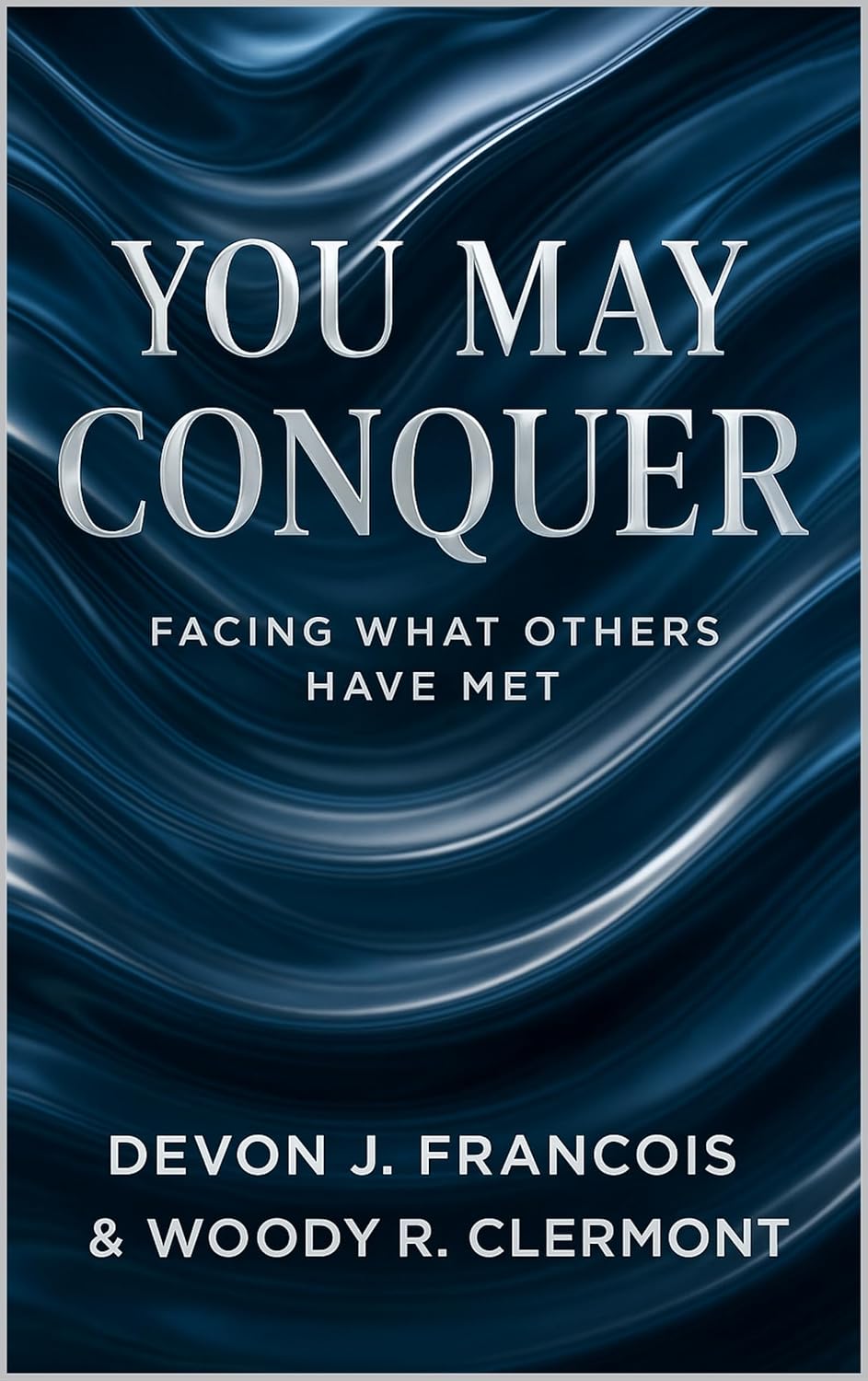
You May Conquer tells story after story about people who faced hardship that could have crushed them, yet they rose anyway. The book moves from biblical figures to modern leaders and shows how adversity becomes a teacher rather than a punishment. It blends faith, history, and personal reflection in a way that feels steady and grounded. The whole message circles one big idea. We gain real authority only when we walk through fire and come out changed.
As I read, I felt myself pulled into the rhythm of the writing. It is direct. It is serious. It carries a calm confidence. Sometimes I wanted more softness. Other times, the sharp edges felt right because the stories themselves carry weight. I liked how the authors didn’t try to polish hardship into something pretty. They just showed it for what it is and let the lessons rise from the ashes. The mix of scripture and history worked for me. It gave the book a wide lens and made the message feel universal.
I also found myself reacting to the ideas more than the prose. The writing is clear and steady, but the ideas hit like steady waves. The book pushes you to look inward, sometimes more deeply than you expected. It doesn’t yell its point. It just keeps nudging you to ask better questions about pain, about response, about what shapes character. I appreciated that. It made me feel both challenged and comforted. And honestly, it reminded me that authority is something we grow into. It is not a badge. It is a scar that healed well.
I’d recommend it to readers who want strength more than inspiration, readers who enjoy reflection, readers who welcome faith-based themes, and readers who appreciate stories that stretch across centuries to show a single truth. If you’re carrying something heavy and want a book that doesn’t pretend life is easy but still believes you can rise, this one is for you.
Pages: 207 | ASIN : B0FXJ9941M

The Truth About Us: How America Invented Black Stereotypes
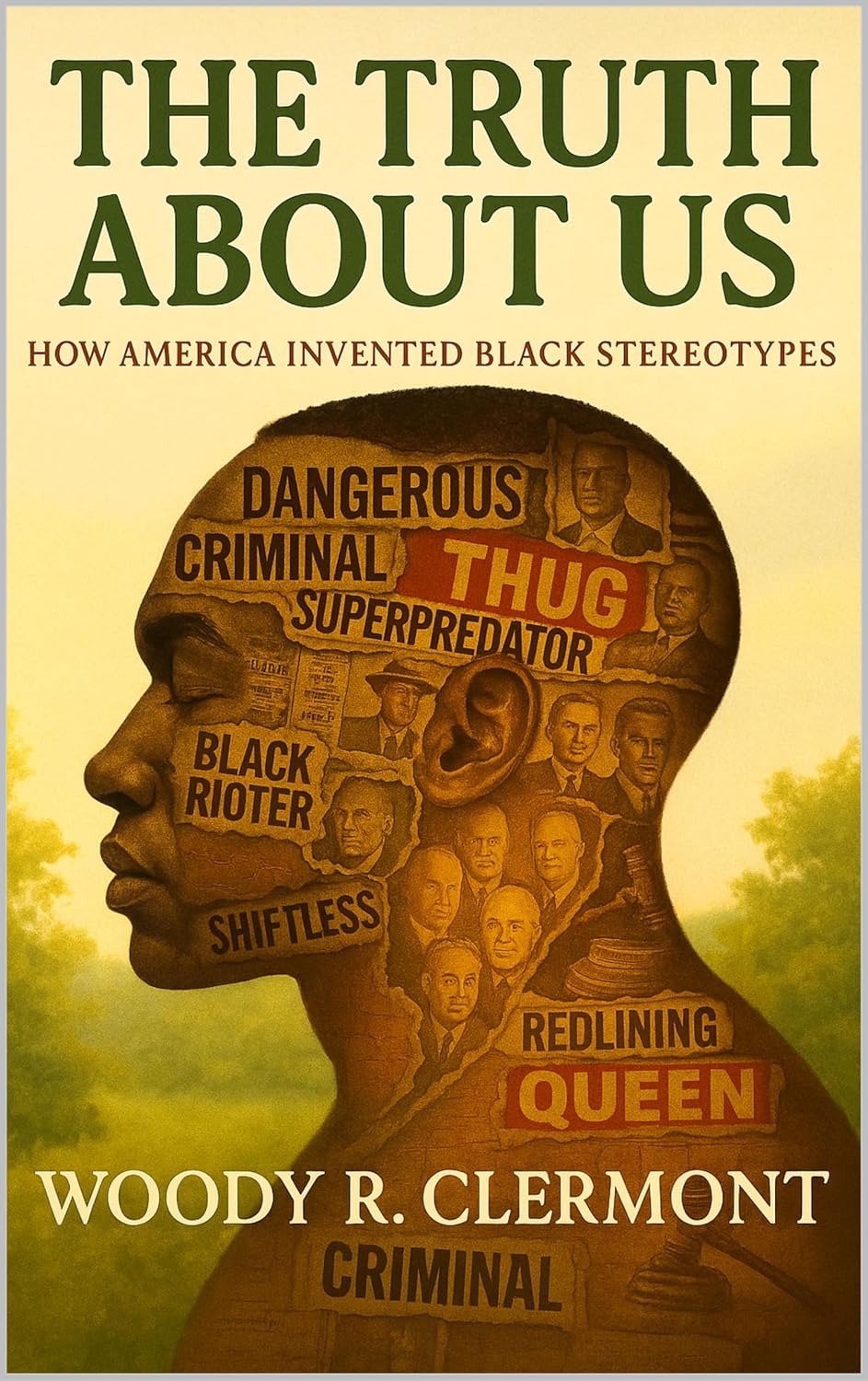
The Truth About Us lays out a clear, forceful account of how America built and sustained racist stereotypes over centuries. The book traces these lies from their earliest invention, through law, science, religion, media, economics, and public policy, and shows how they still shape modern life. It moves chapter by chapter, dismantling myths about Black laziness, violence, intellectual inferiority, family structure, and more while grounding each point in historical evidence and data. At its heart, the book argues that the stereotypes themselves, not Black people, are the real inventions, the real systems, and the real national problem.
The writing is sharp and steady, and it pulls you in quickly. The author does not hide behind jargon or distance. Instead, he speaks plainly about how propaganda became policy and how those policies still mark the country today. I appreciated the way he blended history with modern examples. He shows old lies living inside new systems, and the connections hit hard. The weight of what he described, especially the deliberate crafting of myths in science and religion, stirred something heavy in me. Yet I kept turning pages because the argument is so well built and the evidence so clear.
I also found myself moved by the emotional current that runs under the facts. The book insists that the story of Black people is far bigger than oppression, and that truth adds warmth and hope to the harder chapters. When the author talks about Black excellence as a pattern, not an exception, I felt inspired. He writes with a kind of grounded pride, and I could feel that pride rising through the pages. Even in the sections about media stereotypes or mass incarceration, I sensed a push toward something better. The writing made me feel frustrated at what has been done, but also energized by what could be repaired if people were willing to face the truth.
I think this book is powerful because it does not stop at exposing lies. It points to what must replace them. Towards the end, it reads almost like a call to rebuild the country with honesty, imagination, and real courage. I would recommend The Truth About Us to readers who want a clear understanding of how racial myths were constructed and how deeply they shaped America. It is especially good for people who think they already know this history, because it pushes past the usual surface summaries and asks you to look at the machinery underneath.
Pages: 228 | ASIN : B0G2SLZF4S
The Good News Novel, A True Story

The Good News Novel tells the story of Jesus in a vivid, chronological narrative that blends Scripture with dramatized scenes. It opens with creation, sweeps through prophecy and silence, and then plunges into the lives of Mary, Joseph, Zechariah, shepherds, and scholars as the long-promised Messiah arrives. The book moves from Bethlehem to Nazareth to Jerusalem with cinematic detail, giving familiar events fresh warmth and emotional clarity. It reads like a historical novel, but it stays rooted in biblical text, weaving theology into a story that feels immediate and alive.
As I read it, I kept noticing how the writing leans into sensory moments. The author pauses for dust in the air, trembling hands, cold nights, whispered prayers, and raw human fear. I felt pulled into the tender confusion of Mary as she fled to Elizabeth’s home. I felt Joseph’s heartbreak when he tried to make sense of what looked like betrayal. And the shepherds’ shock under that sky of blazing angels brought a real lump to my throat. The author’s style is simple and direct, but it carries an emotional honesty that surprised me. It avoids heavy theology in favor of scenes that let truth land in its own time, and I found myself reacting to these familiar stories with fresh awe.
The scenes in Heaven before the incarnation felt striking and almost intimate. The kitchen-table moments in Nazareth gave the holy family a warmth that felt gentle and real. And the conversations between young Yeshua and the rabbis made me grin because they captured both innocence and impossible wisdom. The book does lean into dramatic embellishment, which some readers might question, yet I felt those additions stayed respectful and added texture without losing the heart of Scripture. At times the tone becomes earnest to the point of intensity, but I didn’t mind it. It felt like the writer was trying to honor something sacred, and that sincerity came through.
I’d recommend The Good News Novel to readers who want a fresh and heartfelt retelling of the life of Jesus, especially those who enjoy biblical fiction or devotional storytelling. It’s great for people who want to feel the story rather than just study it. And it’s a lovely fit for anyone longing for a reminder that hope still breaks into ordinary places, sometimes in ways small enough to fit in a manger.
Pages: 319 | ASIN: B0FVVGQVP2
Beyond Power – Israel and the Struggle for the Ethical State

Beyond Power sweeps across a huge landscape. It starts with the brutality of October 7 and moves through the ethics of self-defense, the failures of modern democracies, the rise of progressive ideology, and the long history of Jewish vulnerability. It tries to stitch these threads into a single idea. The author argues that Western society is drifting away from the moral core that once made democracy possible. At the same time, he says Israel stands as a case study of a nation forced to defend that moral core while being attacked for doing so. The book blends philosophy, history, and political analysis into something that feels both wide-ranging and deeply personal. It does this through rational analysis, while acknowledging both sides of many of the arguments.
I found myself pulled in many directions at once. Some chapters hit hard. The discussion of existential threat felt raw, and the writing carried a pulse that seemed to come straight from lived fear. I felt the author’s frustration with how the world reacts to Israel’s choices. I also felt his disappointment at how fragile democratic societies have become. He writes in a way that makes big ideas feel urgent. At times, I nodded along. The book has a rhythm that swings between clarity and intensity, and that mix made the reading experience unpredictable in a good way.
Then there were moments when I felt the weight of the author’s certainty. Some arguments felt tightly reasoned and grounded in the text of history. Others felt more like a call to arms. I caught myself reacting emotionally. The sections on progressivism, for example, felt like they were written out of real concern. The passion behind the words made the book more alive. It never hides how the author feels, and that honesty makes the work feel human. The tone always remains respectful of divergent views and offers solutions as well as analysis.
I walked away thinking this book is suited for readers who want to grapple with difficult questions about ethics, identity, war, democracy, and power. It is a book for people who enjoy wrestling with ideas and who do not mind strong viewpoints. It will speak to readers who are curious about Israel’s struggles, Western political instability, or the philosophical foundations of ethical societies.
Pages: 247 | ASIN : B0G1CZG9J1



 LITERARY TITAN