Blog Archives
The New World Order

In your memoir, Octagon Pillars and Domes, you take readers on a wild, emotional, and surprisingly personal ride through history, religion, politics, and memory. Why was this an important book for you to write?
In order to understand how we have arrived at this present state of affairs both nationally and globally, especially since the presidency of Barack Obama in 2009, who advanced a globalist agenda beginning with the American Recovery and Reinvestment Act (HR1) and at which time my research began, it was important to take a close look at events that have occurred since WWI, specifically, the rise of class-based Marxism and the establishment of the Federal Reserve Bank by President Woodrow Wilson in 1913 under the advisement of his chief economic advisor and the leader of the Progressive and Zionist movements, Louis Brandeis.
What were some ideas that were important for you to share in this book?
Since the beginning of recorded history in Ancient Mesopotamia and Egypt in 3,500-4,000 B.C., the acceptance of creationism and related causal morality has served as the basis for law. However, due to perceived injustices experienced by Jews under creationist regimes including the Habsburgs and Romanovs during the 18th and 19th centuries, Karl Marx’s classist philosophy challenged these ideas, which gained acceptance by European intellectuals and academic circles at the Frankfurt School during the rise of German Industrialism. Of course, they already were immersed in Hegelian (deconstructionist) philosophy toward achieving absolute knowledge via rationalism. It is my belief in contrast to our founding principles rooted in Natural Law which formerly served as the rule of law, Marxism infected the United States at least by 1913, with the creation of the Federal Reserve, and certainly by the 1919 Paris Peace Conference (Treaty of Versailles), which established The League of Nations, a global peace-keeping force and precursor to the 1948 United Nations’ declaration of Human Rights as the revised rule of law. Since then, Progressive policies have established class protections for individuals and (immoral) behaviors that would have fallen well outside Federal law, according to our founding principles. I also wanted to clear up a common misunderstanding regarding the “separation of church and state,” which according to Thomas Jefferson’s 1802 letter to the Danbury Baptists, was intended to protect the right to worship (God), rather than exclude Biblical morality from legislation, which is an argument that has been misappropriated by The Left.
What was the most challenging part of writing your memoir, and what was the most rewarding?
They are one and the same: researching historical events, with all their details and nuances, which have led us to this moment, in order to gain a clear picture of opposing forces and political occurrences over the last 100 years that have perpetuated Progressive ideology. I will say my research into Egyptology was especially rewarding, inherent to which are the ideas of divine birthright (Horus), salvation, and spiritual rebirth, and which likely served as the template for Christianity.
What do you hope is one thing readers take away from your story?
Marxist class-based protections were established in opposition to political systems perpetuated by Christianity’s old-world order, including the notion of the Divine Right of Kings, Natural Rights, and Democracy, which has far-reaching implications and conclusions. Finally, though it has been implemented under the auspices of humanitarianism, it is apparent globalism, assisted by technology, is an effort by international bankers and global oligarchs to harness formerly distant workers for the purposes of control and taxation. Indeed, the New World Order is upon us.
Author Links: GoodReads | Facebook | Amazon
Humble, Conservative Origins
In the Shadows of the Blue Ridge is a portrait of rural life colliding with political and economic change in Loudoun County, Virginia, and how what was once a sprawling community of dairy farms was urbanized by the construction of Dulles Airport. What inspired you to write this story?
As a native of Loudoun, I’ve witnessed its development over the past 30 years firsthand. In shocking contrast to its current frenzied level of activity, when I was a child, not much happened west of Leesburg, and there weren’t yet any wineries. Indeed, I remember slower, kinder days in Loudoun – long, summer days and nights when all that could be heard were tumbling brooks, crickets, and tree frogs. That memory stands out in stark opposition to today’s traffic, retail shops, and human activity here. I suppose before too much more “progress” occurs, I wanted to remind my readers of Loudoun’s humble, conservative origins in its not-so-distant past, and also discuss the policy and political changes Loudoun County (actually the entire country and planet) is grappling with, which required a deep dive into the classical philosophies on which the U.S. was founded.
As someone who lives just outside Loudoun County, I found your book fascinating. While fictional, it brings the rich history of this area to life and shows awareness of how much it has changed in a relatively short period. What were some ideas that were important for you to share in this book?
The country has experienced rapid cultural change over the past 30 years, specifically since the introduction of Critical Theory into public colleges and universities in the mid-90s. I wanted to chronicle these changes in order to understand how we have arrived at this point of contentious divide between parties. Also, I wanted to emphasize the crucial role of parents in the education and rearing of their own children, who are tomorrow’s citizens.
What is one thing that people point out after reading your book that surprises you?
I suppose I’m surprised about the emotional connection my readers experience with my main character, “Red,” including anger, pity, and pride (the latter over his clandestine political achievements). This feeling unites me with my readers. I find it interesting that our connection is emotional, rather than academic or intellectual.
What experience in your life has had the most significant impact on your writing?
I was raised by old-world aristocratic Germans before the computer chip, when all we had was a piano, a full set of Encyclopedia Britannica, horses, chickens, and a garden. This afforded me time to dream and contemplate life’s mysteries in nature, when, as a child, I myself wandered over Loudoun’s creeks and fields. Due to my childhood, I have experienced the differences of perception and identity under European feudalism vs. American capitalism.
Author Links: GoodReads | Facebook | Amazon
The narrative includes detailed accounts of Loudoun County’s political landscape, featuring figures such as Scott York, Phyllis Randall, Dave LaRock, and Eugene Delgaudio. It highlights political conflicts, cultural shifts, and controversies over social issues, reflecting the tension between conservative and progressive values within the community. The story of Red’s involvement in local politics, legal battles, and personal vendettas illustrates the complex interplay of power, identity, and morality in Loudoun.
Originally a farming community with a focus on livestock, agriculture, and dairy farms, Loudoun County experienced rapid urbanization starting in the 1960s, especially due to the construction of Dulles Airport. This shift led to a decline in dairy farms and an increase in real estate development, significantly altering the county’s landscape and economy. The county became a technology hub, known as “Data Center Alley,” hosting major tech companies and data centers that handle approximately 70% of global internet traffic.
The book delves deeply into the philosophical underpinnings of Western law and morality, tracing ideas from Socrates, Plato, Aristotle, and Cicero to the founding principles of the United States. It emphasizes the role of Natural Law, the Cardinal Virtues (prudence, justice, fortitude, temperance), and the theological virtues (faith, hope, charity) in shaping legal and ethical frameworks. The Founding Fathers of the U.S. are portrayed as influenced by these classical and Christian ideas, embedding them in documents such as the Declaration of Independence and the Constitution.
The history of education in America, particularly in Loudoun County, is outlined, noting early religious instruction and the evolution toward compulsory public education. The document discusses contemporary debates over educational policies, including diversity, equity, inclusion (DEI), and critical theory, highlighting controversies in Loudoun County Public Schools. It also introduces Patrick Henry College, founded to prepare Christian leaders grounded in biblical values and American founding principles.
A detailed profile of George Soros is provided, including his background, philosophy, and economic theories such as reflexivity. Soros’s influence on global politics and progressive movements is discussed, with attention to his support for causes that challenge traditional biblical morality, including LGBTQ rights and abortion. The document contrasts Soros’s views with classical moral philosophy and critiques the progressive rejection of traditional virtues.
The book presents biblical narratives and teachings that emphasize natural law, the Noahide Laws, and the importance of filial piety, empathy, and moral virtue. It recounts stories from Genesis, such as Adam and Eve, Cain and Abel, and the destruction of Sodom and Gomorrah, linking them to contemporary moral debates. The role of forgiveness, reconciliation, and spiritual salvation through Christian faith is underscored as essential to personal and societal well-being.
Throughout, the book acknowledges the struggles with addiction, family dysfunction, and societal change experienced by individuals like Red. It explores themes of identity, abandonment, and redemption, and situating these personal stories within the broader historical and cultural transformations of Loudoun County.
The Jack Dean Story
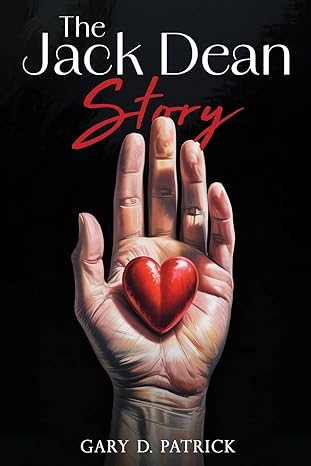

Gary D. Patrick’s The Jack Dean Story follows the extraordinary life of a man who endures more loss, danger, and transformation than most people could imagine. From being orphaned as a child to surviving brutal foster homes, finding real love in the care of two teachers, and later navigating the violence of war and the moral fog of life afterward, the book traces Jack’s path through heartbreak, courage, and self-reinvention. It reads like a heartfelt confession mixed with an adventure story, full of emotion and grit, told in plain language that feels genuine and unpolished in a good way.
I found myself pulled into Jack’s world almost immediately. The writing isn’t fancy or flowery, but that’s what makes it feel so real. It’s simple, honest storytelling that fits the life it’s describing. The early chapters broke my heart, especially the scenes of abandonment and cruelty. You can almost feel the coldness of those houses and the emptiness of being unwanted. Then the warmth of the McClearys comes like sunlight after years of rain. Later, in Vietnam, the story takes on a tense, vivid rhythm that captures both the horror and the brotherhood of war. Patrick doesn’t shy away from pain, but he also doesn’t wallow in it. There’s a kind of steady resilience running through Jack that makes you root for him, even when his choices later in life start to blur the lines between right and wrong.
Emotionally, the book hit me harder than I expected. It’s not just about one man’s life: it’s about what happens when fate keeps testing someone who refuses to quit. The way Patrick writes about loyalty, guilt, and redemption feels raw and human. I liked that Jack isn’t perfect. He makes mistakes, sometimes big ones, but you still feel his heart in everything he does. The story kept me turning pages because I wanted him to find peace, and even when he didn’t, I understood why.
I’d recommend The Jack Dean Story to anyone who enjoys true-to-life tales about perseverance, sacrifice, and the search for meaning. It’s a powerful read for veterans, history buffs, and anyone who’s ever wondered what it takes to keep going when life doesn’t play fair.
Pages: 124 | ASIN : B0FH1X9ZRK

In The Shadows of The Blue Ridge ~ A Farmer’s Plight in Loudoun County
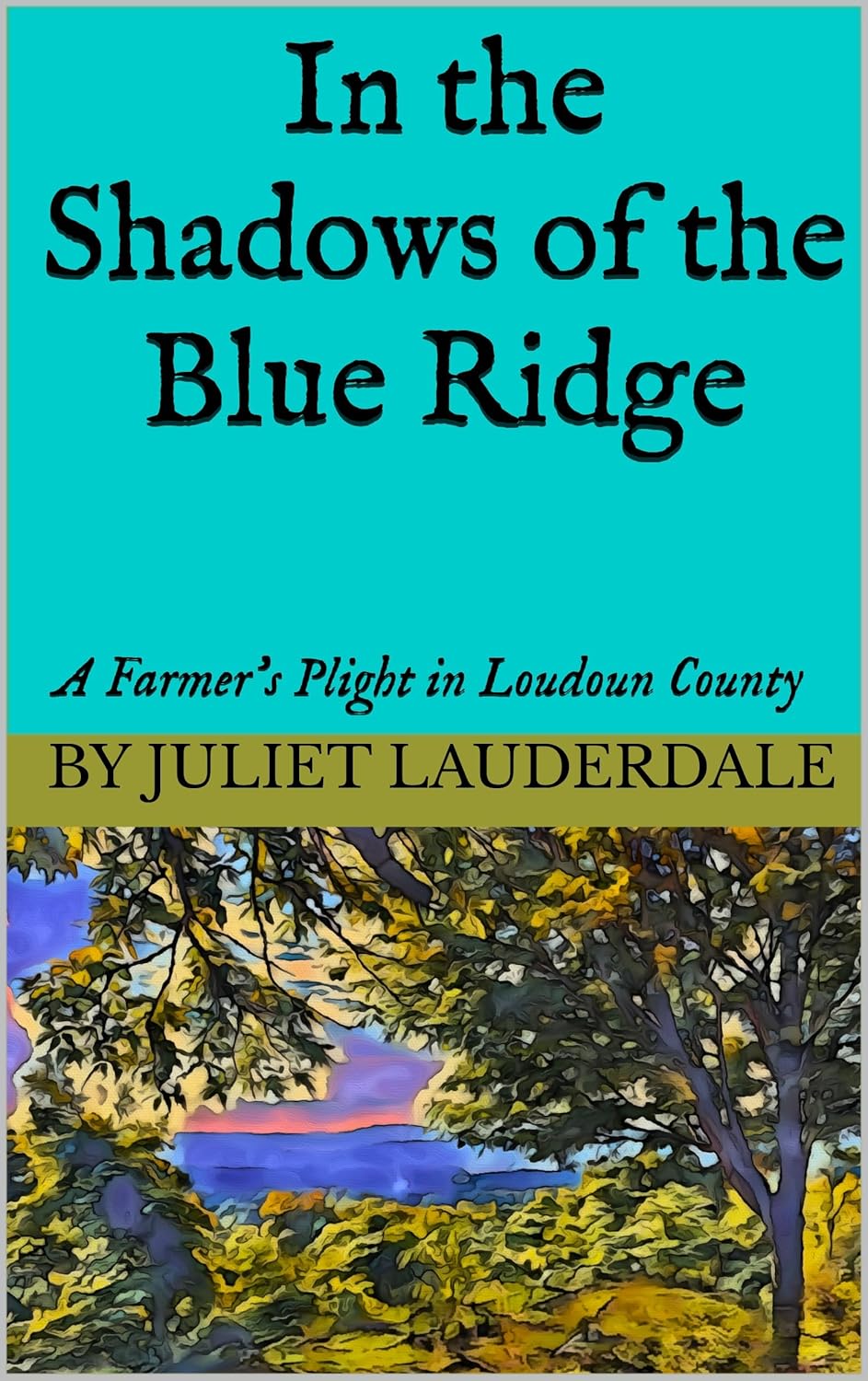

In The Shadows of The Blue Ridge tells the story of Red Smith, a Loudoun County farmer caught between the region’s deep agricultural past and its rapid transformation into a hub for data centers, subdivisions, and politics. Author Juliet Lauderdale braids together local history, genealogy, politics, and Red’s personal struggles with addiction, family dysfunction, and survival in a changing landscape. The book moves from colonial times and Native American displacement, through Loudoun’s rise as the richest county in the country, to the intimate details of Red’s life with his mother, his political dealings, and his inner battles. It is both a chronicle of a place and a portrait of a man who never fully fits in.
The details of Red’s gardening, his mother’s sharp tongue, and the smell of orchards or basements made the pages feel alive. At times, the story wandered, carrying the rhythm of a neighbor sharing memories in a way that felt unhurried and conversational. That gave it a kind of authenticity. The mix of personal narrative, politics, and theology could be dizzying, yet it reflected the chaos of a life lived on the margins of prosperity.
What stood out most to me was the emotional core. I found myself angry with Red, then pitying him, and then oddly proud when he pulled off his small political stunts. The mother-son relationship was heartbreaking, filled with bitterness, need, and the faintest hint of love buried under insults. I also admired how the book tied Red’s story to the land itself. The soil, the creeks, and the ghosts of farmers past seemed as much characters as Red and Jane. It made me think hard about what gets lost when land is swallowed by development.
I think this book is best for readers who want more than a polished narrative. Anyone interested in the human side of rural decline, the clash between tradition and modernity, or the way family history shapes identity will find it worth their time.
Pages: 264 | ASIN : B0FHBPSGDP
Cutting Through the Lies

(Photo credit: Kevin Harkins Photography)
Legends of Little Canada is a memoir that shares the story of growing up in a neighborhood in Lowell, Massachusetts, which was eventually destroyed by urban renewal in the 1960s, and how this experience shaped you into who you are today. Why was this an important book for you to write?
For too long the issue of “urban renewal” projects, which forcibly displaced people from their homes and long-established small businesses, has been dispassionately debated by academics and policy makers. The “debate” has been between those who condemned the policy as cruel and systematically unjust because it always came at the expense of the most marginalized people to further the interests of the powerful, and those who defended the policy by arguing that, even if the plans ended up failing, the intent was a benevolent one aimed at improving the lives and conditions of the people living in substandard housing.
After spending my adult years learning about the systemic forces that class and race play in dehumanizing the poor and people of color, I utilized that knowledge to resist, organize and empower others by developing strategies to protect them from meeting the same fate I couldn’t prevent happening to me and my loved ones as a child. To do for them what I wish others would have done to defend and protect the rights and dignity of my Aunt Rose and those I loved from being denied to them.
It would have been totally appropriate for me to have written a historical account of what happened and cried out about the injustice of what was done. But, I also observed the insidious trap of how writing such a book would have little use because it would just be dismissed, or minimized, by labelling it as a book with an “agenda,” to be taken with a grain of salt because of my political leanings. As a result, in this age of harsh ideological divisiveness, those who agree with my positions would accept it to confirm their own convictions and those who opposed my political persuasions would reject the book without even reading it. Or to read it only with the intent to find ways to “cherry-pick” parts out of context to try and discredit it among others who might be persuaded by my conclusions.
It was bad enough that the people of Little Canada were powerless to prevent the destruction of the community they loved and were forcibly displaced from their homes, but what makes that injustice even more insidious was that the same power structure also controlled the ability to shape the historical narrative to justify the wrongs they did. They used their power to shape and concoct a false narrative which whitewashed their human rights violations against the people of Little Canada by claiming that their true goal was to improve our lives rather than admitting it was done for their own economic interests.
For the reasons I already stated, I realized that I would not be able to reclaim the narrative if I wrote a scholarly historical account, a polemic or even a memoir in my present adult voice because those who created the false narrative would seek to dismiss my efforts to reclaim the narrative as ideologically driven. They would be allowed to maintain the revisionist history that their prime intention was to create better living conditions for the people of Little Canada. That they did it for us.
I am not powerful enough as the man I am today to overcome their ability to continue to spin that false narrative and get away with it. But I knew somebody who was. The boy I was when I lived through what they did to me and the people of the community I loved. So I chose to write a memoir of that experience, not in my adult voice recalling what was done, but to write it by reliving it as the young person who had no formed politics or understanding of who was doing this to us.
By taking readers back through the innocent eyes of a 13 year old boy who didn’t have any comprehension of the economic forces and political machinations he only heard identified as a faceless entity called “urban renewal,” “young Charlie’s” voice, not only gives witness to those who are no longer here, his innocence blows apart the false narrative that the destruction of Little Canada was done for his and his loved ones benefit.
“Young Charlie’s” painful experience enabled him to cut through the lies and revisionist history by his simple ability to tell right from wrong and reclaim the narrative for the people who were victimized by what those in power did to them and their community.
You grew up in a neighborhood that supported one another and formed a genuine community, not just people living in the same place. What were some ideas that were important for you to share in this book?
You are correct, Little Canada was a community not just a place to live. By community, I mean that everyone felt more like an extended family who knew and cared for each other and felt pride in that unity. A feeling like everyone mattered and each person was loved for who they were and the whole gained by the strength that comes from being able to appreciate and pool all of the unique quirks and characteristics each person brings to the community.
I also learned that to keep oneself and a community strong one has to stand firm against bullies and others who seek to bend a community’s will to their own selfish quest for domination. If they succeed then a community based on sharing and compassion can be turned into an oppressive domination that the demagogue or bully can use to intimidate anyone who threatens their power by enforcing conformity to their demands.
That’s not community, that’s blind tribalism. I have been searching all of my life to find the sense of community I lost that I had living in the Little Canada community that was destroyed by urban renewal.
My success as a leader and organizer has come when I was able to build a community where it didn’t exist. Where I was able to show people that strength comes from diversity, not division and that instead of remaining intimidated by bullies and feeling too weak and hopeless to resist, that they must stop believing the myth that compassion is weakness. In fact, compassion, unity and love is the only thing powerful enough to defeat a cruel bully or oppresser. Think of it. Even the sheer lust for power or greed will never generate more ferocity within a person than somebody fighting to protect somebody they love from being taken from them.
What is one piece of advice someone gave you that changed your life?
I think the faith and moral teachings my Aunt Rose taught me that God doesn’t stop bad people from what they’re doing, that God expects people to do it. And that prayer does not produce supernatural miracles like parting the Red Sea, but it’s something we draw on to give us the internal strength “to do what’s right, when it’s easier to do wrong, or to keep hoping when all appears hopeless. It’s not that goodness or hope always comes out on top, but they have NO chance if somebody stops believing in them.”
Whether one believes in God or not, the wisdom of this advice has changed my life by recognizing that I must make the choice and be responsible about what kind of moral path I will follow.
What was the most challenging part of writing your memoir, and what was the most rewarding?
It was a very painful experience because I had to reopen the raw pain and trauma I spent years trying to repress as I saw one friend after another disappear from my life as each eviction came and the devastating emotional toll it had on my family and neighbors unable to comprehend how this thing called urban renewal could force thousands of us out of our homes. I had to relive the horror of being powerless to protect my beloved Aunt Rose from being forced out of the home she lived in all 65 years of her life and the ensuing tragedies that befell her and so many others.
The most rewarding part of writing the memoir is that it allowed me reconnect with these very same people I loved and lost and the more I opened up my memories to the details I had repressed the more they felt alive again, as if I was transported by a time machine and I had another chance to be with them. And to keep revisiting them anytime I want by rereading my book.
Author Links: GoodReads
Honoring the Clubmobile Women

Forged in Fire tells the true story about the women who joined the American Red Cross’s Clubmobile program during World War II, sharing what life was like for the courageous young women who served in war zones to bring some humanity to the soldiers. Why was this an important book for you to write?
Because my mother was in the clubmobile program and the program served as the perfect way for her to get past a personal tragedy, and assist American GIs directly. Her World War II experiences helped shape the person she was to become.
How much research did you undertake for this book, and how much time did it take to put it all together?
My research for this book stretched over four decades, including extensive interviews, and the actual writing of the book took seven years.
What were some ideas that were important for you to share in this book?
I wanted to underscore and highlight how unique and brave the women of the Red Cross clubmobile program were, and the substantial contribution they made to the war effort. But I didn’t want to sugarcoat the story or ignore the real issues they all faced with sexism, sexual assault, racism, and people undervaluing their efforts.
What is one thing that you hope readers take away from Forged in Fire?
Although the sexism of the 1940s severely limited what American women were allowed to contribute to the war effort, millions of women found a way to get involved at home and abroad. The women of the clubmobile program left home and family for years at a time and risked their lives simply to bring a little taste of home to millions of GIs and to help their morale. In that effort they were highly successful. And it should not be forgotten that at least eleven clubmobile volunteers were killed and never returned home.
Author Website
They weren’t soldiers, but they served in war zones. They didn’t carry weapons, but they fought every day—to lift morale, restore humanity, and bring a taste of home to battle-weary troops.
Forged in Fire tells the true story of the Red Cross Clubmobile Department—an innovative wartime effort that deployed courageous American women on a remarkable mission across Europe during WWII. Driving 2½-ton trucks loaded with coffee and doughnuts, these women braved bombings, buzz bombs, and battlefield trauma to serve those risking their lives.
Through the eyes of Blanche Barnes, a shy Midwestern woman transformed by tragedy and service, we follow the clubmobilers from England’s foggy airfields to the ruined cities of France and Germany. They flew in B-17s, danced with spies, and crossed paths with generals and journalists—showing resilience and humor in the face of war.
More than just a support operation, the clubmobiles became a lifeline to thousands of soldiers—and a proving ground for a generation of strong, capable women.
For readers of World War II history and biographies, this is an unforgettable, true account of grit, compassion, and an untold story on the front lines of World War II.
Resilience and Mystery
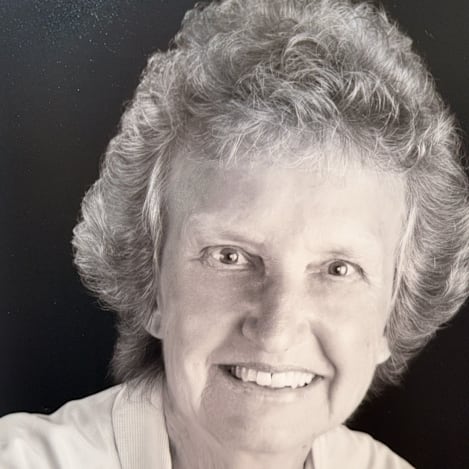
Seeking Yesterday unfolds as both a personal quest and a sweeping historical account, blending memoir, genealogy, and local history into a seamless narrative. Why was this an important book for you to write?
The drive to understand our roots is a primal human need, and this book began with my husband, Bob’s, quiet desire to reclaim his. After over 50 years of marriage, I knew he wouldn’t write an autobiography, so my initial mission was simple: to create a family scrapbook of a 7-day ancestral journey.
But what started as a small, personal commemoration grew into something far grander.
The deeper we delved, a passion ignited in me. The focus shifted from merely collecting facts to understanding how history shaped these lives. Relying on family recall left too many tantalizing questions:
Why did a WWI veteran choose to homestead in the unforgiving desert?
Where did they find the grit to persevere through the Great Depression and a second World War?
What were the final, crucial details of the WWII pilot shot down in action?
The untold answers transformed a simple family record into a fascinating tale of resilience and mystery. My ultimate decision was to write the book in Bob’s voice—to impersonate his perspective and make his silent story heard. While unique to one family, I believe the powerful quest for identity, the perseverance through hardship, and the secrets unearthed resonate with anyone seeking their own vital connection to the past.
What were some ideas that were important for you to share in this book?
Ancestry is more than a list of names; it is a profound journey of discovery. While we may feel our own lives fall short of “extraordinary,” the tales of our forebears often sound instantly intriguing. Why?
The answer lies in the dynamic and vital intersection of two forces: individual personality and historical context.
This book is dedicated to exploring that very synthesis: the idea that character is not innate, but forged in the fires of world events. The questions that propelled my research became the essential themes I needed to share:
What is the true cost of global conflict on a single family’s spirit?
What does real resilience look like when played out against the backdrop of the Great Depression?
How are the universal qualities of grit, love, and loss magnified when they intersect with military service, homesteading, or personal tragedy?
My goal is to show how the seemingly “ordinary” lives of these ancestors were, in fact, extraordinary products of their time, and to demonstrate that understanding their story is the key to understanding the enduring identity—and resilience—of the generations that followed.
How has writing your family’s memoir impacted or changed your life?
Writing this book—stepping into my husband’s character to pen his family’s memoir—did more than create a historical record; it fundamentally deepened my relationship with him.
After 53 years of marriage, Bob and I have always been “joined at the hip,” but this project provided an unprecedented path to understanding. By immersing myself in his ancestry, struggles, and triumphs, I gained a profound, intimate appreciation for the forces that shaped the man I love. It served to reinforce the already strong bonds, continuing the love affair by giving it a rich, historical dimension.
Beyond the personal growth, the book offers an unexpected, yet deeply humbling, value: the chance to resonate with and help others on their own quest for roots. The fact that my personal labor of love is being met with accolades and can serve as a catalyst for other families is a rewarding bonus that extends the book’s personal legacy.
What advice do you have for aspiring memoir writers?
Begin with familiar family stories and traditions, imagine how your ancestors may have lived, review world events as it was during their lives, research important milestones, and ask questions… many questions! The secret is in the answers.
Author Links: GoodReads | Website | Amazon
A file of old documents, including a 1922 desert homestead land claim for 160 acres, copies of war commendations and World War II medals, a Purple Heart, and fading memories ignited Bob’s compelling quest to rediscover his roots. What prompted his grandparents to become homesteaders in the unforgiving desert? The deeper he looked, the broader a story unfolded as global and regional history interceded, shaping their lives and decisions. He discovers how a devastating World War II loss redefined the family, how another tragic accident cast its own long shadow on their lives, and how the true resilient spirit of “Grandma R” emerged through it all.
Told from Bob’s perspective, Seeking Yesterday is a testament to the enduring bonds of family, the profound impact of shared experiences, and a journey that reveals how yesterday’s echoes can illuminate today’s path and forge an unbreakable legacy for future generations.
More than a memoir, the book weaves a microcosm of American history by using one family’s experiences to illustrate broader events and social changes, including homesteading, WWI, the Great Depression, WWII, land development, community building, and the evolving American Dream. It is a tale that highlights the strength, resilience, perseverance, and adaptability of ordinary people in the face of extraordinary challenges.


 LITERARY TITAN