Blog Archives
Better Choices Are Possible

Against All Odds is a blunt and emotional memoir about growing up in poverty, surviving horrific abuse, entering the foster care system, and clawing a way toward stability, purpose, and adulthood. Why was this an important book for you to write?
I grew up believing that instability was normal—new homes, new schools, new last names on the mailbox. Writing this book was my way of refusing to let chaos be the whole story. I wanted to document what that instability does to a child’s sense of identity and possibility, and to show that survival can become purpose.
It was also a letter to three audiences. To foster youth: you are not what happened to you; you are what you choose next. To caregivers and professionals: stability is not an idea, it is a practice—measured in rides to school, ceremonies you don’t miss, and promises you keep. And to the broader public: systems are made of choices; better choices are possible. The memoir gave me language to transform private pain into public service.
How did you balance honesty and authenticity with protecting privacy—yours and others’?
I followed three rules. First, I wrote from the “I”—what I saw, felt, and believed in the moment—without assigning motives to others. Second, I protected people who were not public figures by changing names, compressing timelines, and removing identifying details, while keeping the emotional truth intact. Third, I applied a dignity test: if a detail sensationalized trauma or exposed someone’s private struggle without advancing understanding, it did not belong in the book.
When possible, I sought consent from supportive adults who appear in the story and shared passages with them. I also set boundaries for myself—there are scenes I chose not to relive on the page because my present and the youth I serve deserve a healthy author. Truth and care can coexist; that tension shaped every edit.
What was the most challenging part of writing—and what was most rewarding?
The hardest part was narrative order. Lived experience is nonlinear; trauma scrambles memory. Turning 25 placements and 13 schools into a coherent arc meant revisiting rooms I’d rather forget and deciding what belonged to the reader and what belonged to healing. Writing about my mother’s death and the first nights in strangers’ homes required frequent stops—walks, prayer, and time.
The reward has been hearing from youth and caregivers who used the book as a bridge—youth who said, “Now I have words for what this feels like,” and caregivers who changed a practice so a child could keep a school, a therapist, or a ritual. Reclaiming my narrative was personal; watching it make someone else feel seen has been the joy.
What is one thing you hope readers take away from your story?
That pain is data, not destiny. For kids in care, the difference between drifting and developing is often a single steady adult plus continuity—of school, relationships, and story. If readers finish the book believing they can be that steadiness—by mentoring, fostering, advocating, or simply showing up reliably—then the pages did their job.
And for those who grew up in instability: you are allowed to build a life that is quiet, rooted, and yours. Resilience is not just surviving the fire; it’s learning to live without smoke.
Author Links: GoodReads | LinkedIn | Amazon
From a young age, Tristian’s life was marked by chaos and uncertainty. Witnessing his mother being taken away on a stretcher was a pivotal moment that thrust him and his younger brother into a turbulent existence within the foster care system. They bounced from one temporary shelter to another, grappling with abuse, neglect, and the haunting specter of trauma. But amidst the darkness, a flame burned brightly within Tristian’s soul. Dreams became his sanctuary, providing solace and fueling his unwavering determination to rise above his circumstances.
Tristian’s memoir is not just a personal narrative-it sheds light on the broader societal issues surrounding foster care. With staggering statistics, he underscores the challenges faced by children in the system and gives a voice to those whose stories often go unheard. Through his writing, Tristian aims to foster empathy and understanding, urging readers to confront the flaws and shortcomings of the foster care system within. His ultimate goal is to inspire positive change and create a more compassionate and supportive system for future generations.
Against All Odds is a powerful and necessary memoir that shines a light on the realities of growing up in foster care. Tristian’s journey serves as a testament to the indomitable human spirit and the transformative power of hope. It is a call to action, urging society to come together, support foster youth, and create a brighter future for all.
Motion Dazzle: A Memoir of Motherhood, Loss, and Skating on Thin Ice
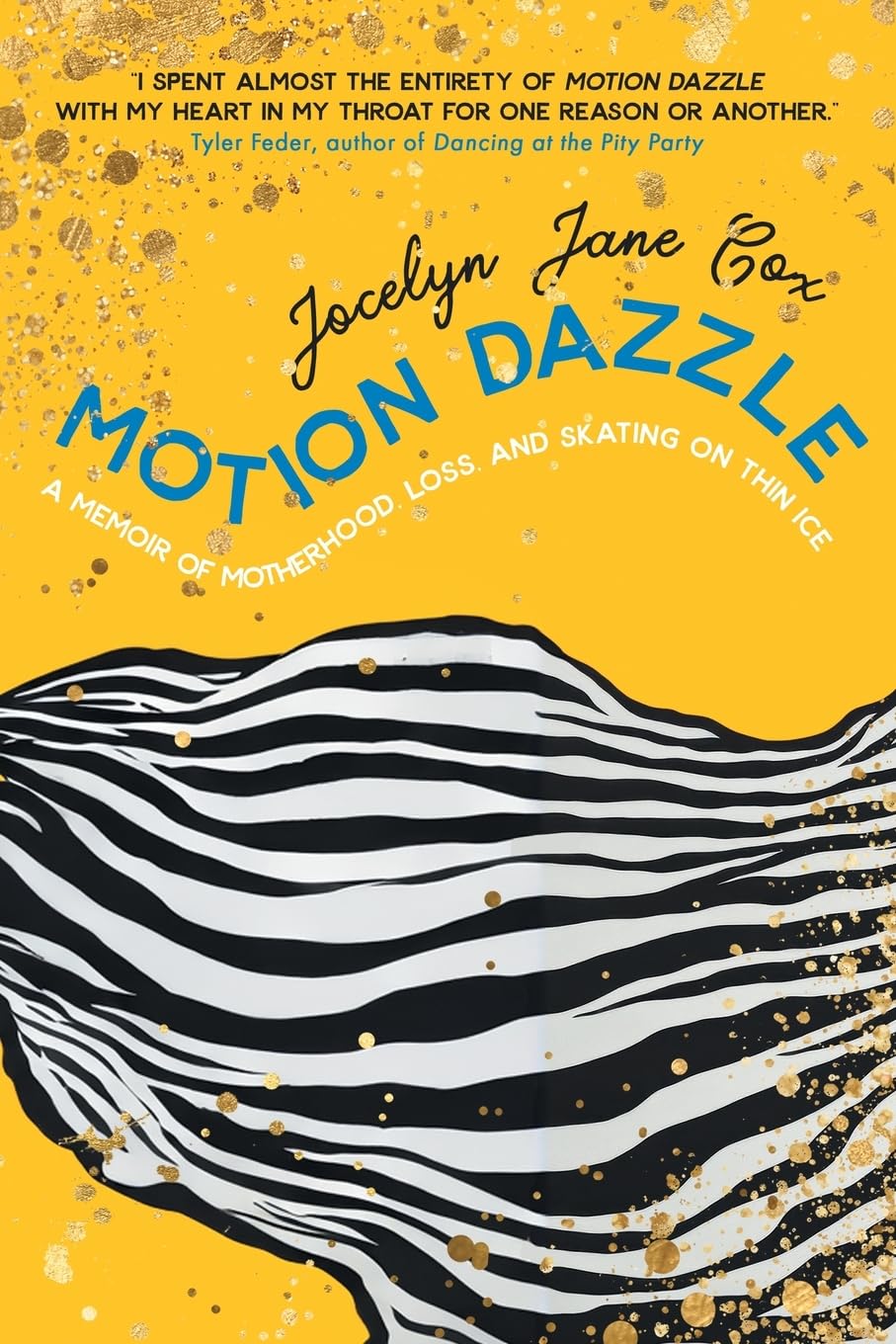

Motion Dazzle is a memoir about a daughter trying to keep her life steady while everything around her seems to slide in unpredictable directions. The book shifts between her years as a competitive figure skater and the present day as she juggles early motherhood, a marriage, and the slow, heartbreaking decline of her own mother. The chapters move in short, vivid pieces that echo the idea of dazzle camouflage and the incomplete way memory works. What unfolds is a layered story of love, loss, identity, and grit. The author’s voice is warm and sharp at the same time, and the result feels honest in a way that hits straight in the chest.
I was pulled into her world. The skating scenes are full of pressure and sparkle and fear, and Jocelyn Jane Cox writes them with such clarity that I felt like I was watching from the rink boards. The early chapters show her constant push to perform, to smile when she is hurting, to carry herself with poise even when she feels anything but composed. Later, watching her try to shape a first birthday party while her mother is in the hospital had me tensing up in real time. The tiny details of the zebra books, the blue painter’s tape, the quiches cooling on the counter caught me off guard because they were so tender and so fraught at once. I could feel her heart splitting open as she tried to make something lovely for her son while her grief pressed in from the edges.
The portraits of her mother are what stayed with me the most. The way she describes their twenty-year daily phone call, the quiet jokes, the listening, the stories from childhood that finally spill out in fragments. Grief shows up in the book like a tide that rises slowly, then all at once, and I found myself rooting for her to catch her breath. The writing feels bright, then raw, then bright again, and I loved that. It felt real. Not polished grief, but grief that stumbles and snaps and softens. I could feel her longing for more time and her guilt and her fierce love drowning each other out in waves. It made me think about my own family more than I expected.
Motion Dazzle would be a powerful read for anyone who has cared for an aging parent or anyone who has tried to grow a new life at the same time another one is fading. It would also resonate with former athletes or anyone who knows what it means to chase perfection even when it costs more than it gives.
Pages: 273 | ASIN : B0FHF95RKB

Looking for Trouble
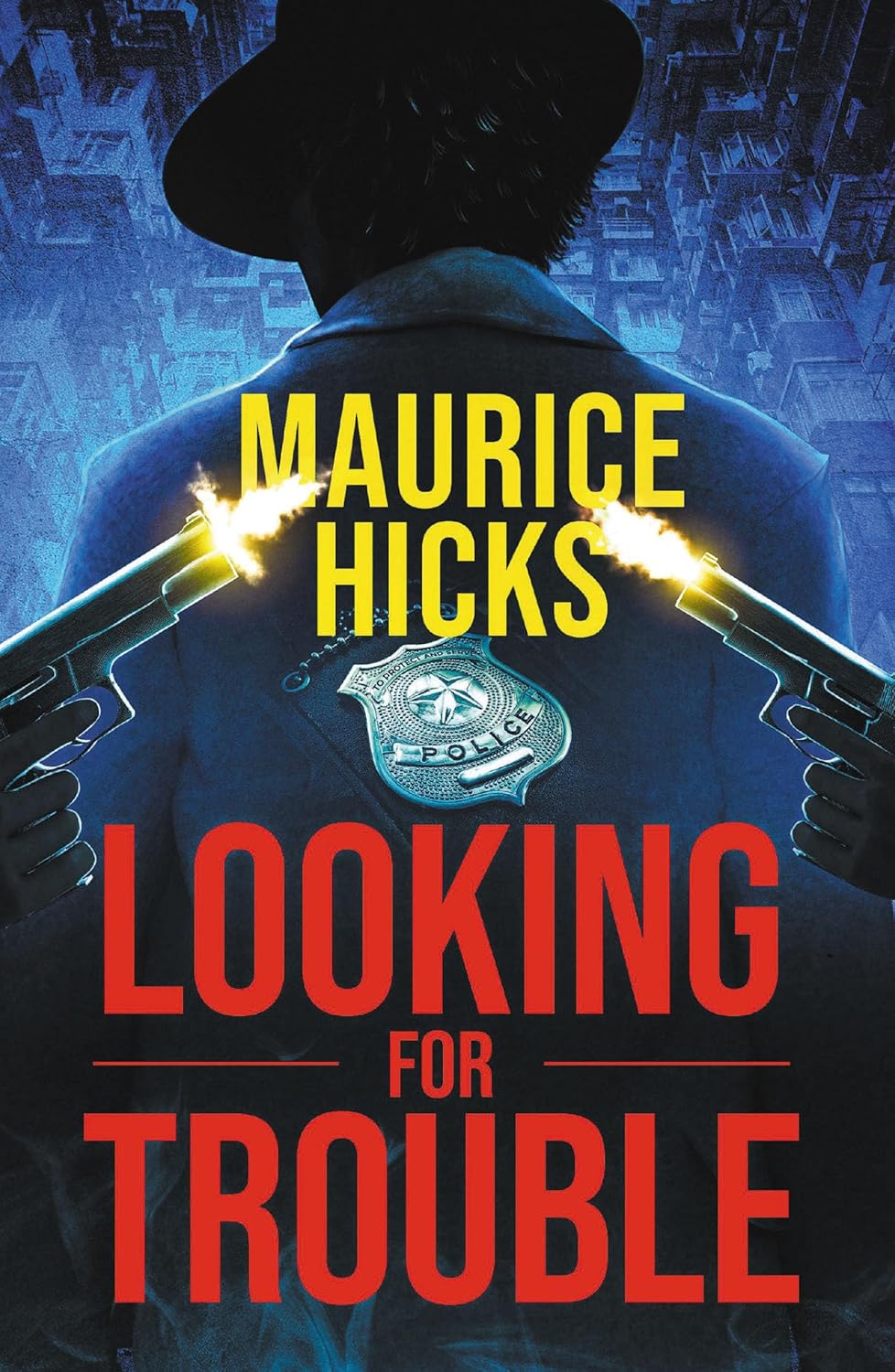
Looking for Trouble follows Maurice Hicks from his childhood in Baltimore through his early years in law enforcement. The book moves fast, almost breathless at times, as it shows a kid growing up in a rough world who somehow stays hopeful. It tracks his path from a paperboy with big dreams to a Marine and then to a police officer who ends up facing danger that feels unreal. The stories unfold with heat and sweat and fear and sometimes humor, and they paint a picture of a city that seems alive and angry and wounded all at once. What struck me most was the constant push and pull between survival and duty. The book never slows down. It grabs you at the start and keeps going.
The writing is blunt. It is raw in spots. It has a rhythm that feels like someone talking to you across a table late at night. The scenes inside the housing projects made my stomach knot. The tension builds so sharply that I kept catching my breath. At the same time, the author also slips in these little pieces of heart, small moments of gratitude or pride or humor that soften the edges. I liked that mix. It made the stories feel relatable. I found myself angry at the chaos around him, frustrated at the failures of systems that should have helped people, and surprised by how quickly small choices could turn dangerous. The book does not try to pretty anything up. It gives you the smoke and the noise and the fear straight up, and I respected that.
What stayed with me even more were the quieter reflections woven into the story. The author writes about the weight officers carry and the scars they collect along the way. He also writes about the people who shaped him, from family members to neighbors to teachers who saw more in him than he saw in himself. Those parts hit me hardest. They felt honest. They felt like memories he never stopped holding. I found myself thinking about how the environment shapes a person and how strength sometimes comes from the most unexpected places. The ideas here feel grounded. Nothing lofty. Nothing inflated. Just real life and the lessons scraped out of it.
I would recommend Looking for Trouble to readers who want a vivid, unfiltered look at police work, city life, and the long road a person walks to find purpose. It is a strong fit for people who enjoy memoirs that pull no punches and for readers curious about what it feels like to be inside the chaos instead of watching it from far away. The book is sharp, tense, and full of heart.
Pages: 535 | ASIN : B0C15B8JDB

Against All Odds

Against All Odds is a blunt and emotional memoir about growing up in poverty, surviving horrific abuse, entering the foster care system, and clawing a way toward stability, purpose, and adulthood. The story moves from early childhood trauma to the revolving door of foster homes, then toward the author’s eventual growth, education, service, and advocacy for youth in care. At its heart, the book traces the long road from hurt to healing and highlights both the failures and the rare moments of compassion within the child welfare system.
While reading, I felt the author’s voice come through with a kind of quiet force. The writing is simple, but it hits hard. Scenes of abuse and fear are described without dressing them up, which makes them linger long after you close the book. I found myself stopping every so often just to breathe and process what I had read. The honesty feels brave. It also feels painful, because the book never hides the worst moments. I appreciated that the author doesn’t try to make the trauma sound noble or inspirational. Instead, he shows how messy, lonely, and confusing it was to survive it. That kind of truthfulness made me trust him as a narrator and connect with the story more deeply.
I found myself moved by the way the author talks about resilience, not as some magical trait, but as something built slowly from tiny sparks of hope and small acts of kindness. The sections about teachers, caseworkers, and foster parents who actually cared warmed me more than I thought they would. I also felt frustrated at how often the system failed him and his brother. It made me angry and sad at the same time, because these aren’t rare stories. The mix of systemic critique and personal reflection felt honest and relatable. The author talks about mental toughness, purpose, and choice, but he also never forgets how much environment and support matter.
By the time I reached the end, I felt a mix of heaviness and admiration. This book would be a strong fit for readers who care about child welfare, social work, or youth advocacy, but it would also resonate with anyone who appreciates raw, emotional memoirs about surviving hardship. It’s tough in places, but it carries a steady, quiet hope that makes the journey worth it.
Pages: 204 | ASIN : B0D8K36XWG
Fiercely ME

Fiercely ME, by Stephanie Rowe, is a poignant, nonfiction narrative that delves deeply into the life of a woman who has faced unimaginable hardships. Neglected by parents battling addiction and haunted by suppressed memories of sexual abuse and domestic violence, Rowe’s journey is a testament to the resilience of the human spirit. Her path to self-actualization, marked by intense therapy and a burgeoning sense of control over her destiny, underscores a powerful message: one’s past does not dictate the future.
The book draws parallels with Sapphire’s Push, offering an unvarnished look at a life riddled with pain, yet it surprises readers with moments of dark humor. Rowe’s playful prose, amidst the recounting of her harrowing experiences, adds a layer of complexity to her story, showcasing her indomitable spirit. As readers navigate through the emotionally charged narrative, they encounter a profound exploration of healing and empowerment. Rowe’s discussions on therapy and personal growth illuminate the transformative power of facing one’s demons with courage and finding the right support.
While Fiercely ME is a challenging read, laden with raw and often unsettling truths, it is also an inspiring account of overcoming adversity. Rowe’s willingness to share her story demands respect and attention, inviting readers to bear witness to her truth. This book is not just a memoir; it’s a resonant declaration of resilience, offering hope and guidance to those who may tread similar paths. Through her unwavering determination and vulnerability, Stephanie Rowe presents a powerful narrative of triumph over trauma.
Pages: 252 | ASIN : B0FHY75LK4
Straight Outta Skokie


Straight Outta Skokie is a memoir that follows Al Krockey through a pivotal year in his life, starting in 1968 and echoing backward to the Chicago and Skokie of his youth. The book moves from his pandemic-era reflections to vivid scenes of adolescence and early adulthood filled with deli counters, bowling alleys, pool halls, protests, street hustles, and the ever-present soundtrack of soul and rock. It captures a moment in American history when neighborhoods felt small and the world around them shook from events far bigger than anyone could see coming. The pages drift through family struggles, the thrill of hustling souvenirs at Wrigley Field, the chaos after Dr. King’s assassination, and the budding counterculture that tugged him into adulthood.
The writing has a loose, conversational rhythm that made me feel like he was talking right to me. Sometimes the stories rushed forward, squeezing decades into a few pages, and sometimes they slowed into tiny moments that were emotionally resonant. I enjoyed how grounded it all felt. The details about Skokie diners, late-night runs to Jack’s, Maxwell Street blues drifting in the air near the hot dog stands, and the characters he knew from the ballpark made the world feel lived in and real. The way he told stories about scraping together money, wandering from job to job, and learning from the people around him made me root for him without even noticing I was doing it.
I also felt a weight in the way the book handled the darker turns. The shock of Dr. King’s assassination, the violence on the West and South Sides, and the way Krockey realized how insulated his own community was hit me right in the gut. There was a raw honesty there that surprised me. He didn’t try to wrap those moments in pretty language. He just let them sit. And that directness made me trust him as a narrator. There were times when the book meandered, or when the slang and side stories spun around a bit, but I didn’t mind. It felt like hanging out with someone who has lived a lot and is eager to tell you everything because each story still means something to him.
If you like memoirs that feel like a long, winding conversation full of humor, grit, music, and heart, then this book will hit the spot. It is especially fitting for readers who enjoy stories about Chicago history, coming-of-age in the late sixties, or simply digging into a life shaped by both ordinary moments and historic upheavals. It would also resonate with anyone who finds comfort in nostalgia or who grew up in a neighborhood that felt like its own little planet.
Pages: 281 | ASIN : B0FTTLJ6L3
Intuitive and Non-Logical
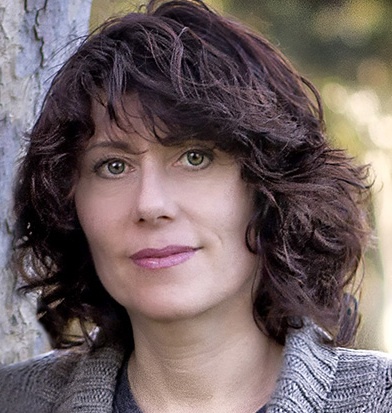
Love’s Cauldron traces your path from childhood wounds and self-doubt toward awakening her “witch self,” a reclamation of intuition, creativity, and the divine feminine. Why was this an important book for you to write?
Writing Love’s Cauldron made me much more aware of how the feminine aspects of myself have been shaped and impacted by my family, our culture, and the world. It was only in writing the book and talking about what I had written that I fully realized that part of my identity (and sensitivity) was that of a Healing Witch. I had not fully understood the value of my feminine sides previously.
What were some ideas that were important for you to share in this book?
In a world dominated by logic, it was vital for me to look at how specific feminine qualities have been demonized. The intuitive, those who channel, and the non-logical have been made suspect and sometimes punished by mainstream culture. I also wanted to share what an emotional healing journey looks and feels like.
What was the most challenging part of writing your memoir and what was the most rewarding?
I had wanted to write this book for years. But I had not been able to sense how to weave together the ideas that were percolating. It was challenging to write a non-linear book without losing the reader. It was satisfying to have the book come together and to see that, despite its unorthodox form, it worked. It was also rewarding to have readers let me know that it had a positive impact on them.
What do you hope is one thing readers take away from your story?
I hope that the readers will affirm aspects of themselves that they have not fully claimed. I wish for them to understand more about themselves and about the necessity of these undervalued aspects of each of us.
Author Links: GoodReads | Facebook | Facebook Page | Website | Book Page
Jennifer J. Lehr, LMFT, shares her journey from emotional pain and disconnection to deep self-awareness and spiritual awakening. Weaving together memories, mystical understanding, and guidance from the unseen realms, she offers a path to reconnect with our intuition, compassion, and inner voice—qualities often lost in a world that favors logic over feeling.
Through powerful narratives and sacred incantations, Love’s Cauldron redefines the meaning of “witch” as someone who embraces all aspects of themselves and holds the power to transform not only their own life, but the world around them. This is a book for anyone who has ever felt marginalized, silenced, or spiritually disconnected—and who longs to come home to their wild, wise self.
Whether you’re healing from trauma, seeking spiritual connection, or curious about reclaiming your feminine power, this book will stir something ancient and true within you. The feminine is rising—and Love’s Cauldron is a call to remember, rejoice, and rise with it.
The Stories

Frederick Douglas Harper’s The Stories is a collection of deeply personal reflections that straddle the line between memoir and spiritual testimony. The book unfolds like a tapestry of moments rather than a straight narrative, each thread representing an encounter with faith, destiny, or divine intervention. Harper shares tales of near-death experiences, prophetic dreams, and ancestral guidance, interwoven with memories of growing up Black in the Jim Crow South and his long academic career. More than a life story, it’s a meditation on meaning, a spiritual ledger of lessons learned and messages received. The book moves through themes of faith, purpose, race, family, and love with honesty and heart, creating a body of work that feels both confessional and universal.
Harper writes with conviction and humility, his voice both scholarly and soulful. At times, his stories surprised me with their sincerity. His recounting of prophecies and clairvoyant encounters might sound far-fetched to a skeptic, but he presents them with such clarity and calm faith that I couldn’t help but lean in. I found myself feeling comforted by his certainty that life’s events, however strange, connect in divine order. His storytelling rhythm is slow and deliberate, full of pauses for reflection. He often circles back to the same questions: Are our lives predestined? Do spirits guide us? I liked that he didn’t try to convince me. He just invited me to listen.
What moved me most wasn’t the supernatural stories but the raw humanness underneath them. The moments where Harper described loss, or his mother’s death, or his early brushes with racism, those hit hard. There’s pain in these pages, but it’s wrapped in grace. His prose is plainspoken, but it carries warmth and wisdom. I could feel his gratitude in every story, even the hard ones. What I admired most was his lack of bitterness. Harper has lived through injustice, through grief, through brushes with death, yet what he chooses to write about is redemption and light.
The Stories is for readers who like to think, to feel, to question what they believe about life and what might lie beyond it. It’s for those who’ve wondered about coincidences that feel too perfect or dreams that feel like messages. Harper’s book feels like a long, heartfelt conversation with an old soul, and by the time it’s over, you can’t help but feel a little changed. I’d recommend it to anyone who finds comfort in faith, mystery, and the quiet beauty of lived experience.
Pages: 446 | ASIN : B085DYRJT7



 LITERARY TITAN