Blog Archives
Exploring Fear

Fear Struck follows a crime writer who, while writing his latest murder mystery, has his door broken down by police and is arrested for a murder that looks like one of the scenes in his book. What was the inspiration for the setup of your story?
As a writer, I often feel like a conduit for someone else’s ideas, with words flowing so quickly that I sometimes wonder where they are coming from. This experience sparked a question for me: what if a writer suddenly became the instrument for someone else’s story in a very real and dangerous way? This personal connection to the story became the seed for Fear-Struck and its psychological thriller setup.
The truth is, many of my novels begin with a simple “what if.” Whispering Lessons is a good example. I asked myself, what if someone had secretly followed Jesse James and his gang, watched them bury their stolen treasure, and then dug it up after they rode away? Could that be why so many of those legendary treasures have never been found? Those two words, “what if,” open the door to endless possibilities, and they are often the starting point for my strongest storylines.
What are some things that you find interesting about the human condition that you think make for great fiction?
There are so many layers to the human condition that writers need to pay attention to, because those layers are what make fiction feel real. In Fear-Struck, I delved deep into the debilitating impact fear can have on a person. It doesn’t just consume the main character. The suspect gets overwhelmed by it, too. Even the people in the prison around him react out of fear.
Fear is universal. It shapes decisions, drives behavior, and sometimes clouds judgment. Our minds are incredibly powerful, and our thoughts can either protect us or harm us. In this story, fear becomes almost a character in its own right, influencing everyone in its path. That kind of emotional truth, rooted in what people really experience, is what makes fiction resonate.
When you first sat down to write this story, did you know where you were going, or did the twists come as you were writing?
For Fear-Struck, I actually did know the storyline before I began writing. That is unusual for me, as I am not usually a plotter, but in this case, I could clearly see the characters and the journey ahead of them. I knew the ending, and I knew how I wanted to move from the moment of the arrest all the way to the final reveal.
What mattered most to me was exploring fear, not just telling a crime story. I wanted to look at how fear shapes people from the inside out. The reviews have been incredible, and many readers mention how closely they connect with the characters and their reactions. I think that connection exists because fear is something we all face in one way or another. It is a profound human experience, and that truth comes through in the story.
What is the next book that you are working on, and when can your fans expect it to be out?
I am currently writing Book Two in the series. It starts as Kutter is still dealing with the emotional aftermath of what happened in Book One, where he was arrested for a murder that resembled a scene in his own book. These lingering effects push him into a situation unlike anything he has ever faced before. This new challenge forces him to grow in unexpected ways.
In this next installment, Kutter, the main character from Fear-Struck, finds himself sitting across from an unapologetic and prideful serial killer. His personal revulsion toward this man directly clashes with his responsibility to uncover the names of the victims. That internal battle is something many of us understand, because we all face moments where our emotions collide with what we know we must do.
I am thrilled to share that I am aiming to have the next book ready for readers in early 2026. I cannot wait to continue Kutter’s journey and share the next chapter with you all.
Author Interview: GoodReads | BlueSky | Facebook | Pinterest | Website
Detective Tweed believes Kutter’s pages hold the truth. Kutter swears he’s innocent. Yet with each revelation, a darker reality emerges—one bound to him by blood.
Relentless and chilling, Fear Struck will keep you guessing until the final, shocking twist.
Fear Struck
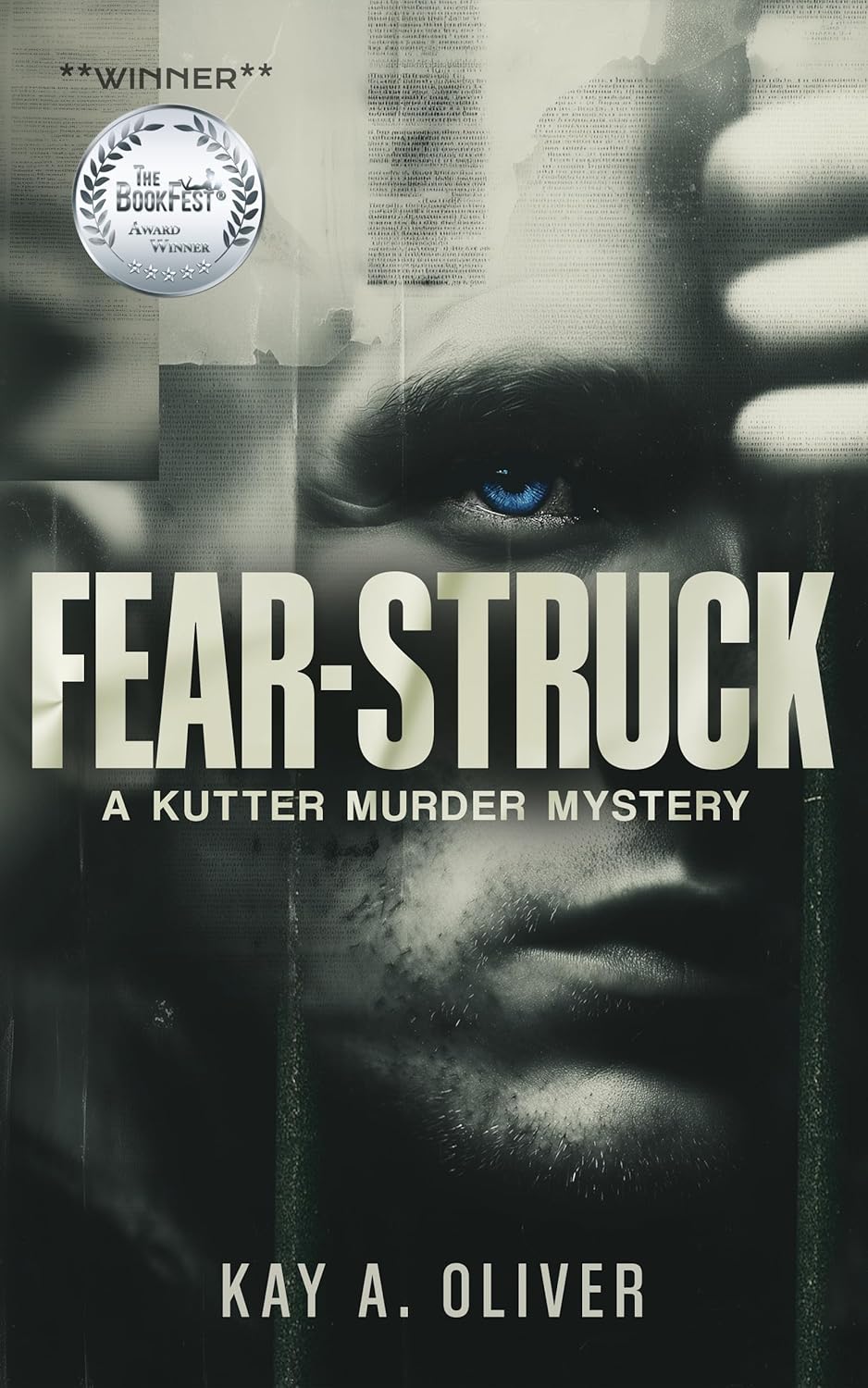

Fear Struck was intense and emotionally powerful, and also kind of creepy. It starts with Orson Kutter, a crime writer whose imagination bleeds a little too close to real life. One minute he’s hammering away on his keyboard, writing about murder and mystery, and the next, the cops are breaking down his door and slapping cuffs on him for killings that look suspiciously like scenes from his books. It’s one of those stories where reality and fiction twist around each other until you’re not sure which one’s real anymore. The whole setup feels like watching someone slowly wake up inside their own nightmare. It’s dark, smart, and honestly a little creepy in that “am I next?” kind of way.
I’ll be honest, this book made me anxious in the best way. I love a good murder mystery, and Fear Struck doesn’t just give you one, it gives you layers of them. I kept trying to guess if Kutter was guilty, if he was being framed, or if he was losing his mind. The writing pulls you into his paranoia so deeply that you start feeling trapped with him. The scenes in the jail, the smell of sweat and fear, the endless echoes, I could almost hear it. The story moves fast, but not in a shallow way. Every chapter left me thinking, “Okay, just one more,” until it was 2 a.m. and I was questioning my life choices. What really hooked me, though, was how Oliver plays with the line between author and character, fiction and truth. It’s almost meta, but not in a pretentious way.
The writing is really sharp. I like how Oliver doesn’t waste time with fancy words or filler. It’s cinematic, full of tension, and just messy enough to feel real. There were moments where I felt sick for Kutter, moments where I didn’t trust him at all, and moments where I wanted to scream at everyone around him for being blind. That’s good storytelling. Some parts slowed a little, sure, and a few twists I saw coming, but the emotion stayed raw. There’s this heavy mix of guilt, fear, and desperation that makes the book feel alive.
If you like stories that make your heart race and your brain spin, this one’s for you. Fear Struck is perfect for murder mystery junkies who like their thrillers dark, psychological, and just a little too close to home. I’d recommend it to anyone who enjoys Gone Girl or Misery but wants something with its own strange heartbeat.
Pages: 392 | ASIN : B0FRRK8HGX

Secretos De Familia

Secretos de familia by Diego Uribe is a dark and atmospheric thriller that begins with the brutal murder of Emilia Blume, a young woman found dead in her bed with a knife in her heart. The novel unfolds through the investigation led by Inspectora Benatar, who digs into the twisted secrets of the Blume family and the eerie village of Fénix, where superstition, religion, and silence suffocate the truth. What starts as a crime story turns into a psychological puzzle, exploring guilt, repression, and the thin line between love and cruelty. Every chapter drags you deeper into a web of lies and trauma that sticks to your skin.
I have to say, the writing pulled me in right away. The opening scene hit me hard. The author knows how to play with tension, silence, and imagery. The prose feels cinematic, almost like you’re standing in the cold hallways of that cursed house. Sometimes it gets dense with description, but it works. The pacing shifts a lot, slow burns followed by quick bursts of violence, but that uneven rhythm fits the story. It mirrors the confusion of the characters. I found myself anxious, even a little angry, at how the family hid behind politeness and religion while something monstrous was rotting inside their home.
What really got to me were the ideas under the surface. This isn’t just about a murder. It’s about control, silence, and what people will do to keep appearances intact. The women in the story, Emilia, her mother, her sister, and even Benatar, carry a kind of pain that feels too real. There’s also this heavy sense of destiny, as if everyone in that village is trapped by something bigger than them. At times it made me uncomfortable, but that’s a good sign. The author doesn’t let you rest easy. You end up questioning morality, religion, and the price of loyalty.
Secretos de familia is a grim, emotional ride that’s not afraid to stare into the dark corners of the human soul. It’s the kind of book you finish and then sit in silence for a while. I’d recommend it to readers who love crime fiction with real psychological depth, people who like stories that mess with your comfort zone and make you think about the things families hide behind closed doors.
Pages: 343
Moonlight Cruise: Murder and Magic


Moonlight Cruise is a dark and twisting thriller that takes the reader from the dusty desolation of the Mojave Desert to the serene yet deceptive beauty of a cruise ship gliding through the Panama Canal. The story follows Jessica Ascher, a woman on the run from the demons of her past, both human and supernatural. Her journey is woven into a larger tale of fanaticism, greed, and the eternal struggle between good and evil. As Jessica tries to protect her daughter, Zamzam, from a cult seeking divine power through blood and sacrifice, the book paints a vivid, unsettling picture of how madness can hide behind devotion and how faith can both save and destroy.
Reading this book was like stepping into a fever dream. The writing grabbed me right away. It’s gritty, raw, and full of heat. Yurie Kiri doesn’t shy away from horror, but the violence never feels random. It’s purposeful, meant to unsettle and make you think about the darker parts of human nature. I found myself both fascinated and disturbed, flipping the pages faster than I meant to. The story moves like a storm, quiet at first, then violent, full of lightning flashes of insight. Sometimes the dialogue feels rough around the edges, almost too real, but that rawness adds to the tension. It’s messy in the best way, like life when it’s at its worst and most honest.
What really got me was the emotion beneath all the chaos. Jessica’s fierce love for her daughter feels like the heartbeat of the story. It’s what keeps you rooting for her when everything else starts to rot. There’s also a haunting sense of mystery, of forces too big to understand. Kiri blends crime, horror, and spirituality into something that feels unique, almost mythic. I did find myself tripping over the sheer number of characters and subplots at times, but I think that’s part of the experience. It’s a labyrinth of sin and faith, and you’re supposed to get a little lost.
I’d recommend Moonlight Cruise to readers who like their thrillers dark and their mysteries layered with moral questions. It’s not a light read, not something to skim before bed, but it sticks with you long after the last page. If you enjoy stories that make you question what’s real, what’s holy, and what’s just human madness, this book will pull you in and keep you there until the end.
Pages: 396 | ASIN : B0DYJZW6SS

Once Upon A Time In The Big Easy: Down On The Bayou
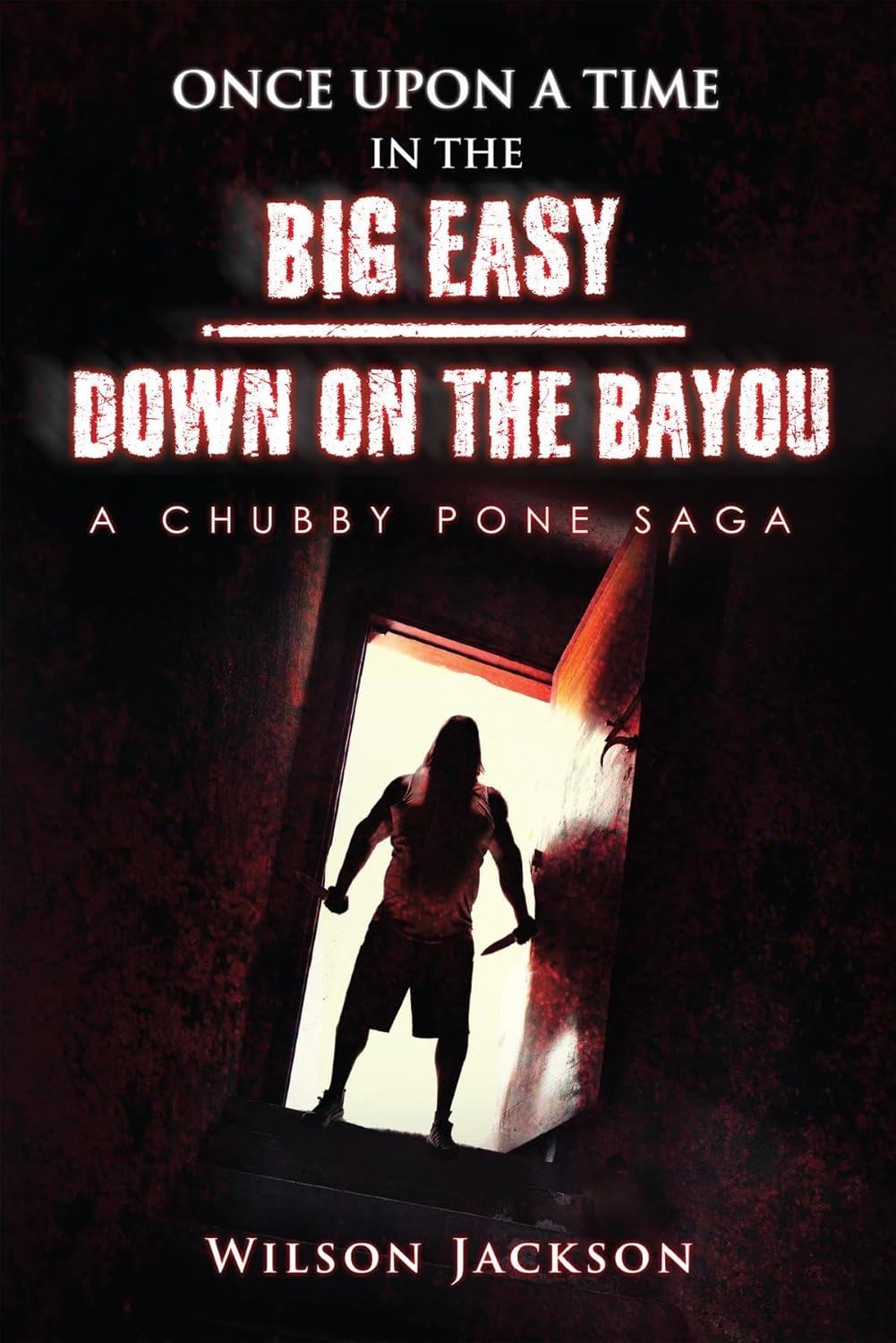
Wilson Jackson’s Once Upon a Time in the Big Easy is a gritty and relentless tale that drags you straight into the underbelly of New Orleans. It’s a story of corruption, redemption, and raw survival, soaked in the sweat and danger of backroom deals and human cruelty. The novel opens with a shocking abduction and never takes its foot off the gas. Between the dark world of human trafficking and the desperate quest for justice led by the world-weary Pone, Jackson weaves a sprawling drama that blends crime noir with southern gothic flavor. The writing is unapologetically direct. The dialogue feels lived in, sometimes crude, often brutal, always real.
Reading it pulled me in two directions at once. On one hand, I admired the grit, the pulse of the city that beats through every scene, the way Jackson makes New Orleans feel like a living, breathing monster of beauty and rot. On the other hand, it’s not a comfortable read. The violence against women, the twisted family secrets, the corruption, it all feels too real at times, like you’re eavesdropping on sin. I found myself grimacing and nodding at the same time. The language is rough, but it works. The story feels like it’s been told by someone who’s been there, who knows these streets, who’s smelled the whiskey and gunpowder. It’s got that old-school crime energy, but with a heart that still believes people can be saved, even in a swamp of evil.
I didn’t expect to feel as much as I did. There were moments when I had to stop and breathe. Jackson has this way of slipping a sliver of hope into the filth, of giving you a reason to care when all you want to do is look away. The characters, even the minor ones, stick with you. Pone especially, hard, cynical, but still clinging to some moral code, is the kind of flawed hero I like.
I’d recommend this book to readers who like their stories dark and unfiltered. It’s perfect for fans of hardboiled crime fiction and southern thrillers that dig deep into human messiness. Once Upon a Time in the Big Easy feels like James Lee Burke’s The Neon Rain collided with Quentin Tarantino’s Pulp Fiction, gritty crime, southern heat, and characters who bleed, curse, and pray in the same breath.
Pages: 316 | ASIN : B0DZQ7TDD1
Ghost Writer
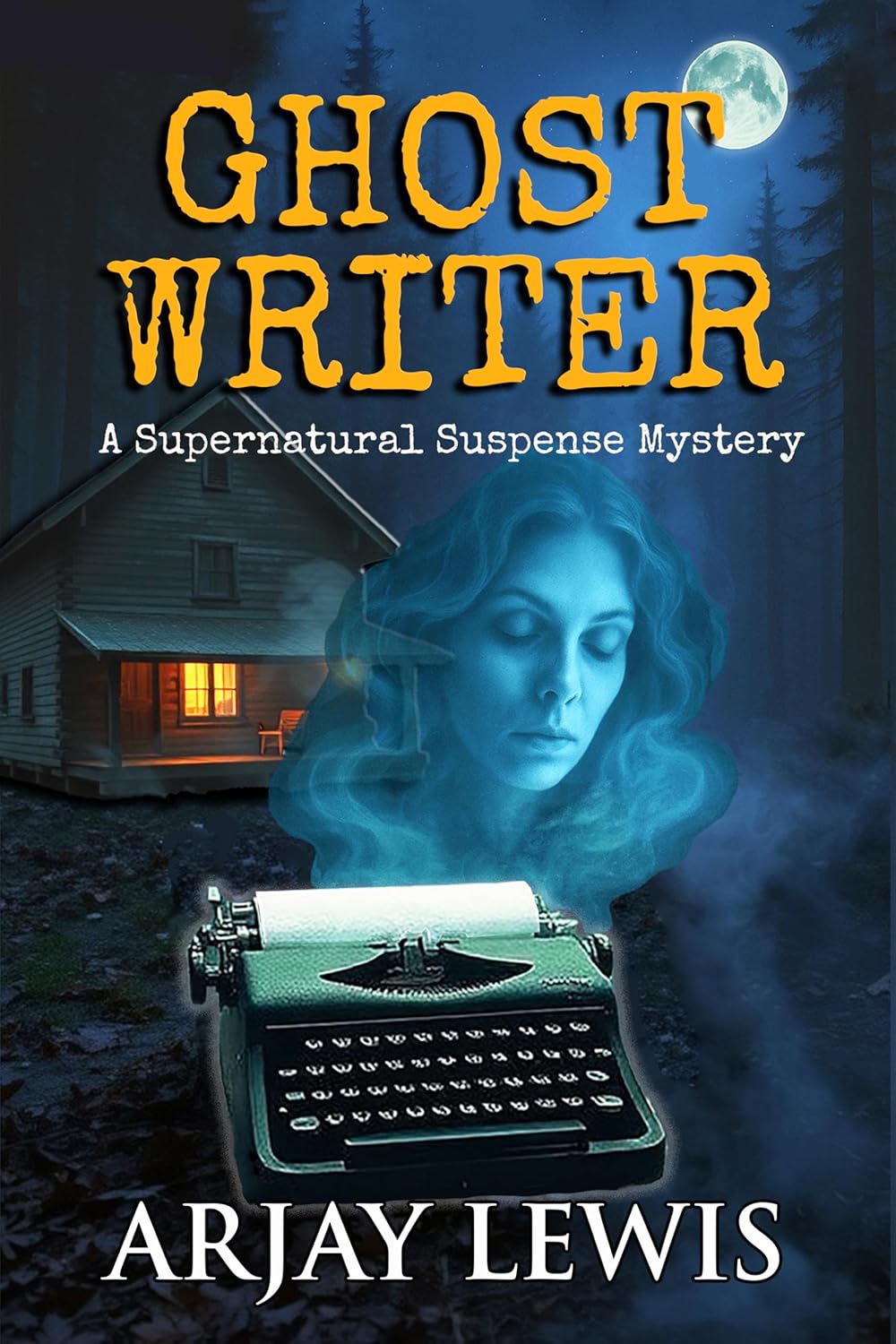
Arjay Lewis’s Ghost Writer is a haunting, twisting tale that begins with a bitter divorce and spirals into the supernatural. The story follows Joe Riley, a washed-up novelist who inherits his late uncle’s cabin deep in the Poconos. What starts as a man’s desperate retreat to escape his failures turns into a psychological unraveling filled with eerie noises, mysterious pages that write themselves, and the blurred line between inspiration and possession. At its heart, it’s about creativity, grief, and the price one pays when the muse turns monstrous.
This book gripped me right away. Lewis writes with an easy rhythm that feels like an old friend telling you a story over a drink. The voice is sharp, cynical, and soaked in the kind of regret that only comes from living hard and losing often. Joe’s bitterness feels real. His loneliness cuts deep. There’s humor too, dark and dry, that makes the pain go down easier. What I liked most is how the writing itself mirrors Joe’s mental decline. Sentences start crisp and clear, then grow jagged and strange as his sanity unravels. It’s the sort of book that keeps you awake at night, not because you’re scared of ghosts, but because you recognize the ghosts inside yourself.
The supernatural element creeps in slowly. At first, I wasn’t sure if what Joe was seeing was real or just his hangover talking. That’s what makes it so effective. Lewis never rushes the reveal. Every scene in the cabin feels heavy with memory and regret, every creak in the floorboard feels like a heartbeat. The book plays with the idea that creation and madness might be neighbors. I loved that. It’s not flashy horror; it’s quiet, psychological, and deeply human.
I’d recommend Ghost Writer to anyone who loves stories that blend the eerie with the emotional. Fans of Stephen King’s Bag of Bones or Shirley Jackson’s The Haunting of Hill House will feel right at home here. It’s for readers who enjoy slow burns, flawed characters, and the unsettling feeling that maybe the scariest thing in the room is your own mind.
Pages: 322 | ASIN : B0CWYCWPVS
Tremor in the Hills
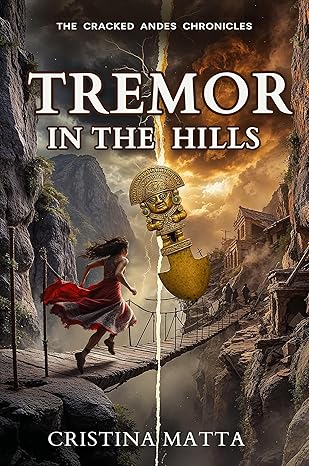
Cristina Matta’s Tremor in the Hills is a gripping young adult mystery set in post-earthquake Peru. The story follows Tamara, a teenage girl struggling with trauma after surviving a devastating quake. When she returns to Manchay to visit her family, her best friend K’antu’s husband is found murdered, and K’antu vanishes. Torn between fear and guilt, Tamara sets out to find her friend and uncover the truth. What unfolds is part mystery, part emotional reckoning, and part cultural portrait, full of vivid landscapes, buried secrets, and human fragility.
The writing is intimate and immediate. I could feel the grit of the Peruvian desert, the tremor beneath the earth, and the weight of Tamara’s panic as if it were my own. Matta writes trauma the way it exists — not in neat scenes, but in waves, sudden and unstoppable. Her sentences don’t just tell a story; they echo the disjointed rhythm of someone haunted. I loved how she wove the cultural and historical context naturally into the dialogue and environment. It didn’t feel like a history lesson. It felt lived-in. Real. Still, sometimes the prose tripped over itself, moving too quickly when I wanted it to breathe. I found myself rereading passages not because I didn’t understand them, but because I didn’t want to miss a single heartbeat of emotion.
The characters felt raw, even when they frustrated me. Tamara’s self-absorption made sense, and K’antu’s silence spoke louder than most people’s screams. What stayed with me most, though, wasn’t the murder mystery. It was the quiet undercurrent of guilt, survivor’s guilt, social guilt, the guilt of privilege. Matta doesn’t lecture; she just shows what happens when the world falls apart unevenly and who gets to rebuild. The dialogue felt real and unpolished in the best way, and the tension between classes and families simmered beneath every conversation. There were moments where the pacing slowed or where I wished a secondary character had been fleshed out more, but those dips didn’t shake my connection to the story.
This isn’t just a story about murder or earthquakes. It’s about what happens afterward, when you’re left standing on uneven ground. Tremor in the Hills will stay with readers who crave emotion more than perfection. It’s ideal for anyone who loves coming-of-age stories with a dark edge, mystery readers who like their puzzles tangled with human pain, or anyone who’s ever tried to rebuild themselves after everything cracked open.
Pages: 282 | ASIN : B0FQ26XKFB
Falling on Southport

Falling on Southport tells the story of Abigail Lethican, a young woman from a prominent Chicago political family who falls for Jim Hardy, a charming yet manipulative athlete she meets in college. What begins as a picture-perfect romance quickly turns into a psychological descent through love, control, and deception. As Abigail becomes entangled in Jim’s world, author M. J. Slater pulls readers through the emotional wreckage that follows, layering suspense with the ache of self-doubt and the slow unmasking of lies. It’s part love story, part psychological thriller, and part study of how ambition and trauma can twist even the most romantic beginnings into tragedy.
I was hooked from the first chapter. The writing is tight and cinematic, with vivid scenes. Slater’s dialogue feels alive, the kind that crackles between people who think they know each other but really don’t. The pacing caught me off guard. It lulls you with sweetness before snapping like a whip. What hit hardest wasn’t the murder mystery, but the way Slater captures how smart people still fall for manipulation because they want to be seen. I felt angry, then sympathetic, then exhausted in the best way. There’s something painfully real about watching Abigail rationalize her own unhappiness. It reminded me of the small compromises people make in relationships that turn, inch by inch, into submission.
The story digs into the quiet violence of control, and that’s not easy to read. But it’s worth it. The characters aren’t neatly likable. They’re messy, relatable, and raw. I liked that Slater didn’t try to explain every emotion or tie up every question. The writing has a pulse. It’s not polished to death, and that makes it better. There’s beauty in the cracks. By the end, I felt both gutted and weirdly hopeful. The kind of hopeful that comes from realizing survival is its own kind of victory.
I’d recommend Falling on Southport to readers who love dark relationship dramas, who appreciate strong yet flawed female voices, and who can stomach emotional honesty without flinching. It’s not a breezy read, but it’s powerful, heartfelt, and painfully true.
Pages: 225 | ASIN : B0FMS6K2YC



 LITERARY TITAN