Blog Archives
Scars and All


Scars and All is a hybrid of memoir, self-help, and conversational reflection, built around one deceptively simple idea: the wounds we carry can either keep us trapped in old pain or become a way of recognizing and easing pain in others. Lara Portelli opens with a stranger dropping milk in a Sydney supermarket, then follows that moment into a chain of encounters, most memorably with Helen at the Hydro Majestic, where a spilled carton becomes the trigger for a buried schoolyard humiliation, and later with Mia, whose mirror-bound self-loathing exposes how easily beauty standards colonize a woman’s inner life. From there, the book widens into chapters on self-harm, invisibility, dress size, cutting remarks, and visible scarring, always circling back to the same invitation: look at your scars honestly, then decide whether they’ll remain reminders or become a map forward.
Portelli writes like someone leaning across the table, saying, listen, this matters. At its best, that makes the book feel intimate in a way many books in this lane never do. Helen’s story, especially the awful convergence of guilt, self-harm, and the old humiliation of chocolate milk in her hair, has genuine force. So does the quieter ache of Mia asking whether she can “compete” with the women she sees in magazines, only to be told, beautifully and bluntly, “You don’t.” I also found the chapter on clothing size unexpectedly effective. The changing-room scene with the ruby-red dress is funny, a little chaotic, and painfully recognizable, which is exactly why it lands. The book is strongest when Portelli lets scenes breathe like that, when the ideas rise out of lived moments instead of arriving as instruction.
The writing has warmth, rhythm, and an unguarded sincerity I appreciated, even when it wanders into reflective detours. There are moments when the narrative shifts from personal storytelling into broader reflections, motivational language, and ideas around NLP, past life regression, and inherited trauma. Those sections didn’t resonate with me quite as strongly as the more intimate, lived scenes, though they still felt consistent with the book’s searching and deeply personal spirit. I trusted Portelli most when she was describing a room, a look, a humiliation, a sudden kindness, the soft light of Holly Difford’s photo shoot, or the raw fact of Turia Pitt refusing to let “5 seconds of pain and agony” define the rest of her life. I never doubted the sincerity underneath everything. The book’s moral imagination is generous. It wants people to be gentler with themselves and more alert to the hurt in others, and that conviction gives it a pulse.
Scars and All is heartfelt and genuinely affecting. I think it succeeds because Portelli is willing to be raw, personal, and earnest in service of a deeply human belief: that pain can enlarge us instead of reducing us. By the time she returns to the image of walking someone “to the safety of that dry space,” the book had earned its tenderness. I’d recommend it most to readers who like personal-development books with memoir blood in them, especially women navigating reinvention, self-worth, body image, or the long afterlife of emotional injury.
Pages: 96 | ASIN : B0FYNQG85V

A Father’s Presence
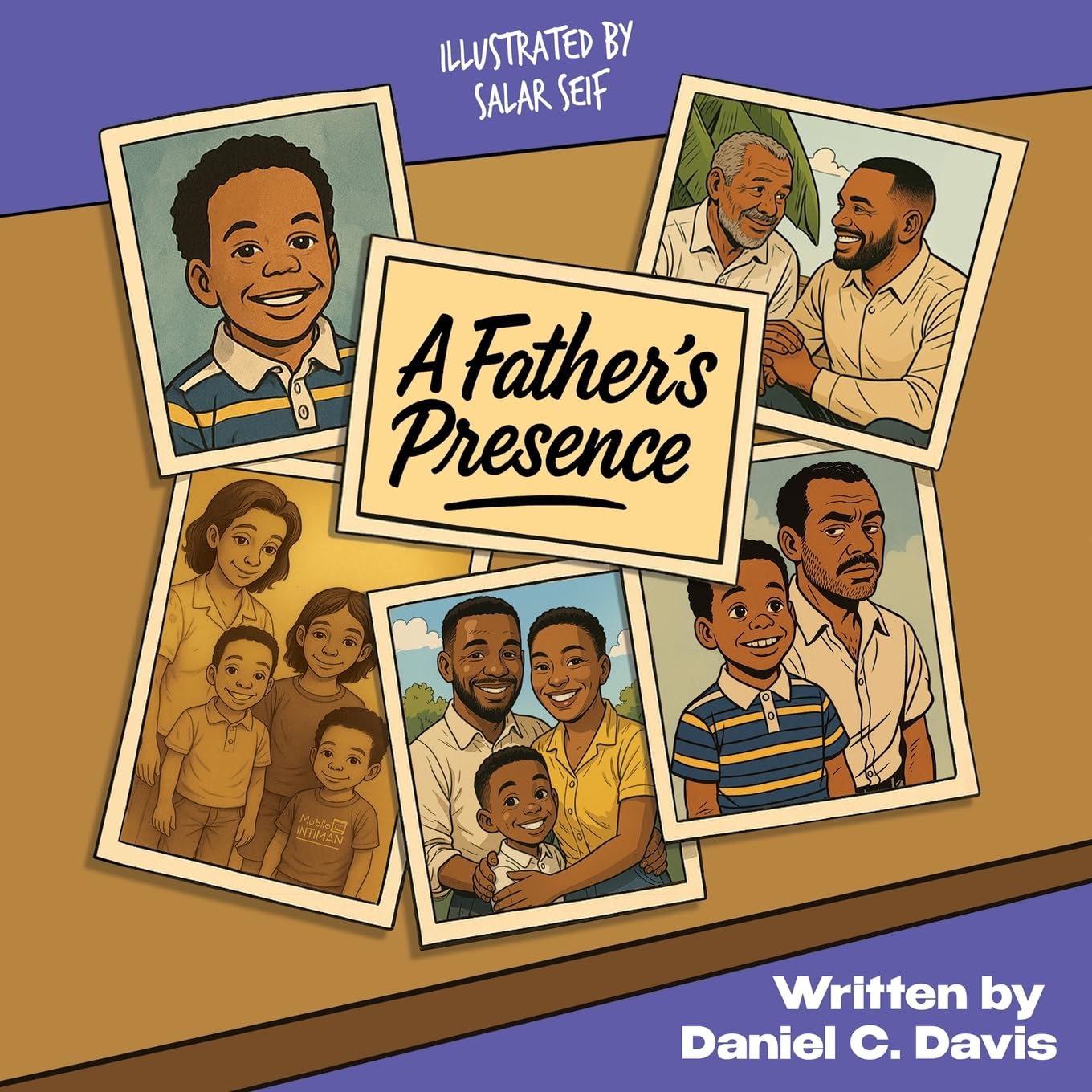

A Father’s Presence tells the story of Curtis and his father, tracing the ripples of absence that echo through generations of men learning what it truly means to “be there.” It begins with a boy whose father, though physically present, feels distant, carrying the quiet ache of growing up without his own dad. Through small, tender moments and the wisdom of mentors like a patient coach, Curtis learns how listening and empathy can heal old wounds. The story blooms into a celebration of connection, showing how one family breaks free from the heavy weight of inherited silence to build something whole and loving.
Reading this children’s book stirred something deep in me. The writing feels honest and simple, yet it cuts right to the heart. Each page carries warmth and quiet power through its words and its illustrations. The author doesn’t hide behind fancy words or big speeches. Instead, he shows us the small gestures like a pat on the head, an empty chair, a son’s whispered promise, that build and break a life. The pacing is gentle, but the emotions sneak up on you. By the end, I wasn’t just reading about Curtis and his father. I was thinking about my own family, about the times I could have listened more or spoken less. There’s something raw and comforting about that.
I loved how the book balances pain and hope. The illustrations by Salar Seif add another layer of heart, soft and sincere, helping the story feel alive. The scene where Curtis and his dad finally spoke, not as man and boy, but as two souls trying to understand each other, that scene hit me hardest. It reminded me that presence isn’t about showing up, it’s about seeing, hearing, and feeling with someone.
I’d recommend A Father’s Presence to anyone who’s ever wished for a deeper connection with their parents, their children, or themselves. It’s a picture book for fathers trying to unlearn the quiet, for sons who crave more than words, and for anyone brave enough to break old cycles. This children’s book doesn’t just tell a story. It gives you a reason to sit down, listen, and start again.
Pages: 20 | ASIN : B0FRQ28YTJ

We Can Do This Better

The Adoption Paradox weaves together your story, historical records, and interviews with nearly a hundred people from across the “adoption constellation” into an unflinching look at the industry’s ethical and emotional complexities. Why was this an important book for you to write?
I started out wanting to write a deep exploration of adoption’s emotional complexities from all sides. I’m very new to this internal awakening in my life’s journey. As an adoptee from a standard closed adoption from 1965, I had an overall good experience. As my parent’s only child, I felt loved and accepted for the most part within my family and our larger culture.
Then in 2020 with both of my adopted parents gone, I finally started to search for my birth family, which fueled the emotional curiosity that led to this work. I read books written by adoptees about their search. Then others about the birth mothers who relinquished us back in the era I was born in. What I learned shocked and saddened me. I felt this deep inner shift, and started questioning the typical storyline I’d always been fed. It was one thing to know that in ’65 my mother didn’t have the same choices I did growing up in the 1980s. It was another thing to come face to face with how badly many of these young women were treated.
There was more to tell in all of this I was sure, but I didn’t see any other books out there that had the voices and the deep research and thru lines for everyone in the adoption triad: adoptees, along with birth and adoptive parents. So, I decided to audaciously tackle that niche myself. That’s what started it all. This book is for me, in part, but my hope is that in reconciling the stories within, others find it helpful too.
What were some ideas that were important for you to share in this book?
There is no one adoption story. Ever. There are many sides, and all have this vastly diverse lived experience, even within one family. You can have an adoptee who feels completely seen and understood by the people who raise them, and another who feels isolated, lost and alone and their parents have no idea they are struggling. That’s heartbreaking. Adoption always begins with a loss, and our society completely forgets that narrative in popular culture. It’s just assumed we are lucky as adoptees, and that our families are fantastic! The truth is it’s often a mix.
There are misconceptions and oversimplifications about adoption and foster care among the general public. Adoption can heal, save lives and fulfill its potential to create a loving home for a child who needs one. But in modern times that is not generally what’s driving a relinquishment. Infant adoptions usually occur due to a lack of resources experienced by the natural parent(s). Then, understand we have allowed commercialism and an unchecked profit motive to proliferate within an industry that is responsible for the placement of children into homes. How can that possibly be beneficial for those affected or our society at large? Most people are complexly unaware of these realities. What gets lost in the shuffle of that are the needs of the adopted person. Not just as a youngster, but for their entire lives.
When we make assumptions about people, we flatten out their stories and miss the depth and nuances that are part of each and every family. I can have a good adoption story, and there is always some sadness behind it. We need to live in places of truth, both fiercely and gently with each other, and how we build or defend our families.
What was the most challenging part of writing your book, and what was the most rewarding?
Definitely stories of abuse were the hardest to hear, and it was also I think essential for those folks to feel seen and heard. Listening and sitting with them through their pain was validating for both them and me. Receiving the trust from all of those interviewed was by far the most rewarding experience.
The other bonuses have come from adoptees, adoptive parents and birth parents who unknown to me have already shared how the book has helped them feel affirmed, taught them something, or caused a shift in their mindset. They are the reason – because we can do this better.
What is one thing that you hope readers take away from The Adoption Paradox?
If parents are more informed before they adopt, their kids do better and are less likely to struggle. If natural parents and treated with dignity and fairness by our statutes then their rights are protected, because they deserve nothing less than that. My hope is the general public will understand our laws need revising and modernizing beyond the way we currently practice adoption.
In most states, we still overwrite adoptees birth certificates as part of this legal process and seal them away – inaccessible without a court order. Why can’t we create a “certificate of parentage” that doesn’t overwrite a person’s truth of who they are, where they came from, and deny them access to their medical history? Everyone in this story deserves better than these archaic systems we currently have.
I am not anti-adoption, but I am interested in our culture evolving to embrace a better future for how we practice adoption and answer the real needs of families interacting with the child welfare system. The most important thing is that we talk honestly with each other and listen. I hope my book begins and stirs that conversation. Thank you!
Author Links: GoodReads | Facebook | Website
Adoption impacts countless families worldwide, yet the voices of those directly involved—especially adoptees, the central focus of the process—are rarely highlighted. In The Adoption Paradox, nearly one hundred individuals are interviewed, from domestic, international, and transracial adoptions, as well as foster care, along with adoptive and birth parents, therapists, experts, and allies. These narratives reveal both the love and the emotional costs borne by everyone affected, exposing adoption as a complex and challenging experience. Healing is possible with the right support, but addressing adoption’s hidden issues requires activism to confront unethical practices that lack oversight. These moving stories shed light on unaddressed pain and systemic flaws, calling for a more transparent and compassionate approach to adoption.
The Adoption Paradox: Putting Adoption in Perspective

Jean Kelly Widner’s The Adoption Paradox is both a sweeping history and a deeply personal exploration of adoption in America. It weaves together her own adoptee story, historical records, interviews with nearly a hundred people from across the “adoption constellation,” and an unflinching look at the industry’s ethical and emotional complexities. From the history of orphan trains and the Baby Scoop Era to the modern foster system and open adoptions, Widner covers the many ways adoption has shaped and sometimes wounded those involved. The book moves between heart-wrenching firsthand accounts, legal and cultural context, and thoughtful calls for reform, all while acknowledging the strange dualities at the heart of adoption: love and loss, gratitude and grief, hope and harm.
I was struck by the sheer variety of voices in this book, from adoptees, birth parents, and adoptive parents. Each is speaking in their own words, often with raw vulnerability. Widner doesn’t sanitize their stories, and she doesn’t steer the reader toward easy conclusions. I appreciated her willingness to admit there’s no single truth here, no one-size-fits-all narrative. There’s a tenderness in her approach, but also a certain steel; she makes it clear that the industry needs scrutiny, and that the myths we’ve been fed, especially the “all adoption is beautiful” trope, do real harm. At times, the weight of the stories struck me deeply, but that’s part of what made the reading experience so powerful.
I also found myself impressed by the way Widner balances the historical with the personal. She’ll pull you deep into archival laws or social movements, then drop you right into a living room or hospital hallway where someone’s telling the story of the day their child was taken, found, or lost forever. The shift between head and heart kept me engaged, even when the subject matter was painful.
I’d recommend The Adoption Paradox to anyone touched by adoption, whether you’re an adoptee, a birth parent, an adoptive parent, or simply someone who wants to better understand what adoption really means beyond the Hallmark version. It’s not light reading, but it’s the kind that stays with you. This is a book for people who can hold complexity, who aren’t afraid to see the cracks alongside the light. It’s a brave and necessary book.
Pages: 487 | ASIN : B0F6X136JN
Barely Visible: Mothering a Son Through His Misunderstood Autism

Kathleen Somers’ Barely Visible is a raw and often gut-wrenching memoir that tells the story of her journey as a mother navigating the heartbreaking loss of a daughter and the challenging road of raising a son with autism. The book begins with a detailed account of the late-term abortion she and her husband chose after discovering a severe chromosomal disorder in their unborn child. What follows is the story of their second chance at parenthood, a son, Jack, whose development is anything but typical, and whose autism remains invisible to many who interact with him. With honesty and grit, Somers invites readers into the daily struggles, small wins, crushing doubts, and fierce love that shape her life as a mother.
The writing is plainspoken and real, never dressing up the pain or dressing down the joy. Somers doesn’t flinch when describing her darkest moments and emotions like grief, rage, and guilt, but she also doesn’t wallow. Her voice is steady and direct. What I liked was her description of being caught in a kind of no-man’s-land with Jack: not disabled “enough” for sympathy, not neurotypical enough to be understood. That tension runs through the whole book, and it’s heartbreaking. She captures the loneliness of parenting a child who doesn’t fit the mold and the silent battles she fights in parking lots, classrooms, and her own mind.
What I appreciated most was that this isn’t a story wrapped up with a bow. Somers doesn’t pretend to have all the answers. She admits to losing her temper, to doubting her decisions, to questioning herself constantly. But she also shows up for her son, over and over again, even when it’s hard, even when it’s thankless. There’s a quiet bravery in that. And her reflections on how people perceive disability, how a child’s challenges are judged based on how visible they are, stayed with me. She writes with a dry wit at times that cuts through the heaviness, which I found refreshing and relatable.
I would recommend Barely Visible to any parent, especially those who feel like they’re walking a path they didn’t expect. If you’ve ever struggled to make sense of a diagnosis, to advocate for a child who’s misunderstood, or to stay afloat when life doesn’t look the way you thought it would, this book will speak to you. It’s not just about autism or motherhood or grief. It’s about resilience and love and the messy, beautiful, brutal work of showing up.
Pages: 312 | ISBN : 978-1647428822
Changing Eyes
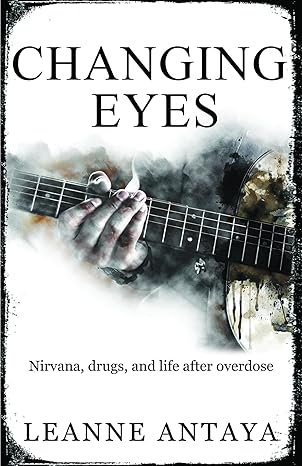
Changing Eyes is a raw and wrenching memoir written by Leanne Antaya about her family’s harrowing battle with addiction, particularly her son Trey’s descent into drug use and the long, painful road to his recovery. Spanning decades, the book moves from Leanne’s early romance and marriage to Marco, through raising four children, to navigating the chaos of addiction, near-death experiences, strained relationships, and personal trauma. Told through Leanne’s eyes as a mother, it’s an honest account of love, loss, resilience, and the aching hope that somehow, amid all the wreckage, healing is possible.
This book tore me up and stitched me back together, sometimes in the same chapter. Antaya’s writing isn’t polished in a literary sense, but that’s what makes it work. It’s messy, emotional, and real. She doesn’t whitewash the shame, the guilt, or the unbearable powerlessness that addiction brings into a family. Her style jumps between memories and moments with a kind of breathless honesty, as if she’s spilling it all out before she loses her nerve. There were parts where I had to pause and sit with it, where her pain leapt off the page and made me feel like I was in that hospital room or standing at that phone, dreading the worst.
The book is more like a collection of moments and memories than a tightly woven narrative. But maybe that’s the point. Addiction isn’t tidy. Grief doesn’t follow a three-act structure. What stands out most to me is Leanne’s sheer determination to hold her family together. Her voice carries this sharp mix of exhaustion and fire that made me root for her, even when things kept falling apart. And Trey’s story is both heartbreaking and infuriating, but Antaya never lets you forget that he’s human, even when he’s at his lowest.
I’d recommend Changing Eyes to anyone who wants to understand what addiction does to families, not in theory, but in the day-to-day heartbreak. This is for the parents who are living in quiet fear, for the friends who don’t know what to say, and for anyone who thinks addiction is just a personal failing. It’s not a light read, and it doesn’t offer easy answers. But it’s full of gut-level truth, and in the end, it clings to hope.
Pages: 356 | ASIN : B0B6QDP6C4
Employing Courage

Building Men is your tribute to the men and moments that shaped your character, offering twenty virtue-driven stories as blueprints for building a meaningful life. Why was this an important book for you to write?
The lessons of character gifted to me are less available in today’s world. The traits offered by the mentors in the book are digestible and understandable in story form for anyone who longs to improve their character and life’s outcome.
What inspired you to center each chapter around a specific virtue, and how did you choose which ones to include?
The character traits found in Building Men were in a somewhat chronological order according to the time they were experienced. I found myself focused on the stories of impact, and then distilled the character trait as the true benefit that was a natural outcome of the lesson.
Was there a particular story or person that was the hardest or most emotional for you to write about?
Because I have so little understanding of the war experience encountered by my son, Major, the nature of the lesson is more emotional than practical. I will not pretend to have experienced war except through the phone calls that were interrupted by gunfire. While my parental experience was real, the actual person running towards danger was the one who was employing courage.
How do you hope younger readers, especially those without strong male mentors, will connect with this book?
I long for my readers to grasp the low-tuition learning available to them from others. There are many within the community, school, and church settings who have much to offer. Some of these unlikely learning environments are not at first apparent. The lesson classroom in the book happened at virtually every place I found myself willing to watch and listen. While the mentors and stories in the book were all positive, rest assured, I have also learned from negative teachers and experiences as well. It is my active choice to dwell and honor the positive people who helped to form my life.
Author Links: GoodReads | X (Twitter) | Facebook | Website | Amazon
What defines the making of a man?
Jim Tracy didn’t just establish multi-million-dollar family-owned businesses from his humble garage; he, alongside his family, embodied the American Dream. Jim attributes this success to the mentors who helped shape him into the entrepreneur and Hall of Fame inductee he is today.
In Building Men, Jim explores the essence of true character building, sharing stories of pivotal figures who influenced his business acumen, integrity, and leadership. He offers invaluable insights for anyone looking to guide young men toward becoming conscientious individuals who consistently make wise decisions.
From lessons learned from his grandfather to the principles he instills in his grandchildren, Jim provides a roadmap for raising young men in our complex modern world, offering a wealth of inspiration and practical advice.
Bella and Bird Explore Anger

As a mom of two fiery little ones, I’ve seen meltdowns over everything from mismatched socks to missing cookie sprinkles. So when I read Bella and Bird Explore Anger, it hit close to home. The story follows Henry, a little boy boiling over with frustration, and Bella and Bird, who gently guide him through what anger feels like and how to handle it. I didn’t expect a talking bird to win me over, but Bird’s silly lines had me laughing while still driving the message home.
What I liked most was how the book broke down anger into bite-sized, simple ideas. Just real feelings and helpful ways to deal with them. Box breathing and cool-down counting are now go-tos in our house now. My youngest actually paused mid-tantrum to count backward the other day. It wasn’t perfect, but it was progress. That kind of gentle teaching, wrapped in a sweet story, makes this book special.
The writing is clear, friendly, and easy for kids to understand. There’s a natural rhythm to the dialogue that kept my kids listening. I appreciated that anger wasn’t shown as bad, it was just something you feel, and something you can learn to handle. That’s a powerful lesson, especially for little ones who haven’t figured out their big feelings yet.
Visually, it’s lovely. The illustrations feel warm and cozy, and Bella the horse has this calm presence. If you’ve got a kid who feels things deeply, this book is a keeper. It won’t fix every outburst, but it gives you both a place to start.
Pages: 32 | ASIN : B0FG5MSTNB


