Blog Archives
Blood Flow: A son’s 40-year journey to understand his father’s suicide


Larry Bograd’s Blood Flow is a raw, unfiltered memoir that stitches together decades of family trauma, personal ambition, health battles, and the relentless search for meaning. Starting with his heart surgery at age 53, eerily close to when his father died, Bograd flips back and forth through time, weaving stories of boyhood misadventures, a rocky writing career, and adult anxieties. It’s not a straight line; it’s a winding, messy journey through memories, many of them bittersweet, some of them laugh-out-loud funny, and others gut-wrenchingly sad.
One thing I really liked about Blood Flow was how unsparingly honest Bograd is about himself. He doesn’t polish the mirror. When he writes about dragging his broken post-surgery body across airports in “Canceled,” you can feel his pain and his stubbornness. I almost wanted to yell at the pages: “Larry, go home, man!” He talks about dragging his carry-on bag, stinking from a day’s worth of sweat and city grime, just to chase after the consulting career he had risked everything to build. It’s both hilarious and heartbreaking, and it made me really root for him, even when he made some obviously terrible choices. You don’t often see a memoirist so willing to look foolish, and it made him feel incredibly human.
Another thing that stuck with me was the way he tackled family history, especially the chapters where he digs into his father’s mysterious past and death. In “Bubbe Meises,” he interviews long-lost cousins Edna and Archie, piecing together the broken story of a man who was charming, brilliant, and ultimately crushed by depression. These scenes were deeply emotional, full of love but also full of pain. I teared up when Edna said, “Did he want to kill all of us? Because that’s what he did!” That moment hit like a gut punch. It made me think about how family stories are stitched together from grief and guilt just as much as from love.
That said, there were moments when the memoir became weighed down by its own melancholy. Certain sections, such as “Working in a Coal Mine, Going Down, Down, Down,” are particularly mired in introspection and financial anxiety. While the depth of personal struggle is understandable, I occasionally wished Bograd had broadened the perspective, offering a wider view beyond his internal battles. Nevertheless, even in the slower passages, his sharp humor and keen observations continued to offer compelling reasons to stay engaged.
By the end of Blood Flow, I felt like I had walked a long, hard road with Bograd, and weirdly, I didn’t feel sad. I felt grateful. Grateful for the honesty, for the messy way he told the truth, for the weird little triumphs tucked between all the losses. I would absolutely recommend this book to anyone who’s ever struggled with family legacy, creative dreams that don’t pan out the way you hope, or the sheer stubborn business of staying alive. If you like memoirs that are gritty, funny, tender, and sometimes a little heartbreaking, Blood Flow will absolutely be worth your time.
Pages; 264 | ASIN : B0F1TZYZ3R

From Tuscany With Love


From Tuscany with Love is a heartwarming blend of memoir and cookbook, weaving together memories of an immigrant childhood with the rich, comforting flavors of Italian cuisine. Lauretta Avina takes us on a deeply personal journey from the sun-drenched hills of Tuscany to the bustling streets of Gilroy, California. Along the way, she captures the bittersweet reality of leaving behind one home to build another, tackling cultural clashes, language barriers, and the aching desire to belong. Sprinkled throughout the book are family recipes that act as emotional anchors, tying past and present together through food.
What I love most about Avina’s writing is how vividly she brings her past to life. She doesn’t just tell us about moving to America, she makes us feel it. The moment she describes her father kissing the ground upon arrival in the U.S. speaks volumes about the immigrant experience, full of both hope and sacrifice. Her struggle with identity is raw and relatable, especially when she recounts being taunted at school, called slurs, and feeling ashamed of her heritage. These memories aren’t sugarcoated, but neither do they come across as bitter; instead, they are told with a quiet resilience, as if she’s finally making peace with the little girl who just wanted to fit in.
Avina’s voice is strongest when she talks about home, but not just Tuscany, but the home she found in unexpected places. The summers spent in Italy, where she could finally relax and be herself, are some of the most touching parts of the book. You can almost taste the nostalgia in her words, especially when she describes the smells of freshly baked Buccellato or the festive magic of Christmas in Lucca. The recipes aren’t just thrown in as an afterthought; they’re memories in edible form, a way to keep traditions alive across time and distance. When she shares the story behind Befanini cookies, connecting them to the legend of La Befana, it’s clear that food is more than just nourishment, it’s a piece of history, a way to hold onto identity even when everything else is changing.
The book offers a unique blend of storytelling and recipes, creating an experience that feels both personal and immersive. The narrative is so powerful that the transition to recipes can be surprising, almost like stepping into a new chapter of her journey. Her father’s story is particularly intriguing, and I found myself wanting to learn even more about his experiences. The later chapters move quickly, reflecting the momentum of her journey. The book starts with deep emotional resonance, and while the ending moves at a brisk pace, it leaves the reader with a lasting sense of warmth and appreciation for Avina’s incredible story.
From Tuscany with Love is a beautiful, heartfelt read that would appeal to anyone who enjoys immigrant stories, food memoirs, or simply a good dose of nostalgia. If you love books that transport you to another place and where tradition and memory come alive with every turn of the page, this one is worth savoring. It’s perfect for food lovers, second-generation immigrants, and anyone who has ever felt caught between two worlds.
Pages: 194 | ASIN : B0DVJ8QGWQ

A Life Lived on Three Continents
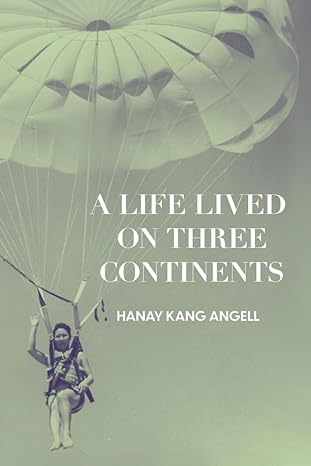
A Life Lived on Three Continents is a heartfelt journey through Hanay Kang Angell’s experiences growing up in Korea, adapting to life in the United States, and exploring a new world in the United Arab Emirates. The book captures the universal struggles of identity, resilience, and belonging, weaving them with Angell’s unique perspective as a woman navigating life across vastly different cultures. Her story is deeply personal yet universally relatable, a testament to the human spirit’s capacity to endure and grow.
What struck me most was Angell’s poignant storytelling, particularly in recounting her early life in Korea. Her vivid descriptions of family dynamics, such as the pressure on her mother to produce a male heir or the challenges posed by her father’s absence, offer an intimate glimpse into traditional Korean culture. I felt a pang of empathy as she narrated her struggles as the overlooked child in a large family. One of my favorite moments was her depiction of her grandfather, whose saintly presence and love of calligraphy became an anchor of warmth in her otherwise tumultuous childhood. Moments like these showcase Angell’s ability to blend personal and cultural history seamlessly.
The second section of the book, detailing her immigration to the United States, felt both inspiring and raw. Angell doesn’t sugarcoat the difficulties of adapting to a new country while wrestling with feelings of alienation. I admired her candor in discussing the double-edged sword of being an immigrant. Her narrative about meeting her husband on a flight and later navigating an interracial marriage in a predominantly Caucasian community was heartfelt and eye-opening. I found her reflections on balancing her Korean heritage with American expectations to be some of the most moving passages in the book.
Her life in the United Arab Emirates, the third continent in her journey, brought a burst of color and adventure to the narrative. I was enchanted by her descriptions of desert landscapes and the fascinating cultural crossroads she experienced there. However, the shadows of personal struggles, such as her husband’s career challenges and her own feelings of inadequacy, kept the story grounded. Angell’s reflections on motherhood during this period were particularly touching, capturing the joy and sacrifices that come with raising children while chasing personal aspirations.
Angell’s writing is honest and introspective, often leaving me feeling as though I were sitting with her, sharing a cup of tea as she unfolded her life’s tapestry. Her decision to embrace her imperfections and find peace with her past felt like a gentle nudge to do the same in my own life. While Angell’s detailed descriptions add richness to her narrative, there are sections, particularly those that delve deeply into historical or familial context, that I feel are prolonged and detract from the emotional momentum of her personal journey.
I’d recommend A Life Lived on Three Continents to anyone who enjoys memoirs steeped in cultural exploration and personal growth. It’s perfect for readers who value stories of resilience, identity, and the ever-evolving search for belonging. Angell’s journey left me feeling reflective, inspired, and grateful for the resilience within us all.
Pages: 268 | ASIN : B0DK8966YD
The Dark Side of Our Past
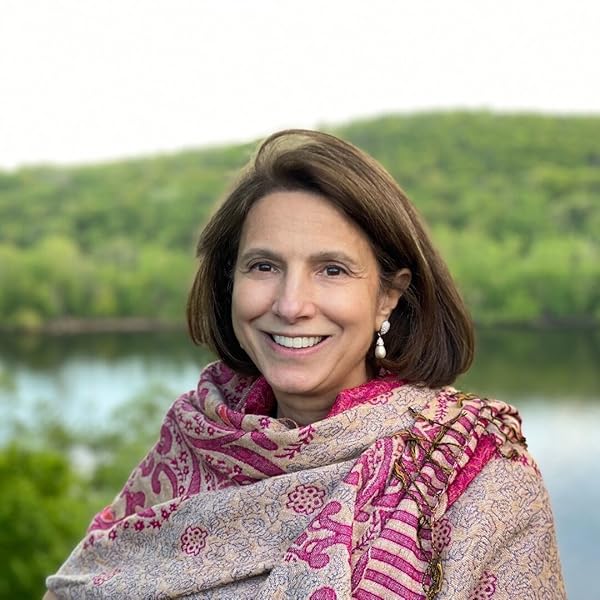
Property of the Revolution is the story of your family’s move to the United States from a politically-charged Cuba and the economic and personal challenges you faced on your way to becoming a mother. Why was this an important book for you to write?
I wanted to honor the sacrifices of the generation that gave everything up so we could live in Freedom, the capital is very intentional. We tend to forget what a gift it is to live in a country that strives—doesn’t always make it, but it tries—for worthy ideals, like freedom, rule of law, respect for diversity, etc. I also wanted to understand better, for myself, how our family members navigated the decisions and choices they faced. Only writing gives me the time and space to understand such things. I also wanted to remind Americans of the best in us and in our country, because we were the recipients of that gift.
I appreciated the candid nature with which you told your story. What was the hardest thing for you to write about?
Revisiting the pain my grandmother went through and how she must have suffered. Also, the loneliness my father experienced all those years of working double shifts and missing his family. In general, it was difficult to go through that door again, into the dark side of our past, the side we tried to downplay so we could move forward.
Given the opportunity, what would you like your younger self to know?
That it was all right to be different, that it would be my super power. That everything would be ok.
What is one thing you hope readers take away from your experiences?
The magnificent power of a loving family. That you can lose everything—or almost everything—and claw your way back. That you can actually ponte guapa/o (make yourself brave, and that you actually need to and must to survive in this world, especially when you think you’re done for!
Author Links: GoodReads | X (Twitter) | Facebook | Website | Simon & Schuster | Amazon
Ana Hebra Flaster was six years old when her working-class family was kicked out of their Havana barrio for opposing communism. Once devoted revolutionaries themselves but disillusioned by the Castro government’s repressive tactics, they fled to the US. The permanent losses they suffered—of home, country, and loved ones, all within forty-eight hours—haunted her multigenerational family as they reclaimed their lives and freedom in 1967 New Hampshire. There, they fed each other stories of their scrappy barrio—some of which Hebra Flaster has shared on All Things Considered—to resurrect their lost world and fortify themselves for a daunting task: building a new life in a foreign land.
Weaving pivotal events in Cuba–US history with her viejos’—elders’—stories of surviving political upheaval, impossible choices, and “refugeedom,” Property of the Revolution celebrates the indomitable spirit and wisdom of the women warriors who led the family out of Cuba, shaped its rebirth as Cuban Americans, and helped Ana grow up hopeful, future-facing—American. But what happens when deeply buried childhood memories resurface, demanding an adult’s reckoning?
Here’s how the fiercest love, the most stubborn will, and the power of family put nine new Americans back on their feet.
The Journey of Self-Discovery

Memento: Embracing The Darkness shares with readers the challenging, heartbreaking, and low moments as well as the high points and success in your personal life and career. Why was this an important book for you to write?
This book holds significant personal importance for me, as its creation served as a means to attain closure. It was a deliberate effort to break free from the tendency of using past challenges as barriers or excuses during life’s adversities. Writing this book marked a crucial step in the journey of self-discovery, compelling me to humble myself once more and embrace the entirety of my being—both the peaks and valleys. It became an essential process of encapsulating my experiences and acknowledging that true appreciation of greatness requires an understanding and absorption of the moments of nothingness.
You touch on many topics, from family, economics, gang violence, mental health, and your work as an artist. What were some ideas that were important for you to share in this book?
I think all those subjects are equally important, and they’ve all shaped my diverse outlook on life. However, the main goal of this book is to highlight the idea that your starting point in life doesn’t dictate your success. Success is subjective and depends on how you see it.
I appreciated the candid nature with which you told your story; you did not hide the dark and challenging points. What was the hardest thing for you to write about?
Writing about my family was the most challenging part of this process. I’ve held back my thoughts and feelings for as long as I can remember, wanting to shield my family from any pain. However, it became clear that it was necessary to prioritize my own healing and share my experiences.
What is one thing you hope readers take away from your story?
My hope is for readers to thoroughly engage with the book, immersing themselves in the emotional roller coaster I’ve depicted across all the chapters. Life is inevitably filled with ups and downs, but it’s the spaces between those downturns that carry significance. In those moments, there lies the chance to redefine your baseline. The key is to seize those opportunities and make the most of them.
Author Links: Goodreads | Amazon


