Blog Archives
Resilience (sometimes) of the human spirit.

Evacuation Route follows a 57-year-old man looking to start life over after two divorces, two stints in jail, four tours in rehab, alienated children, and a stream of short-term menial jobs who comes into a large inheritance. What was the inspiration for the setup of your story?
First, I wanted to write a literary novel in the style variously known as dirty realism, trailer park realism, or WalMart realism, but more literary than not. I’ve had some experience, long ago, with addiction, and I’ve met some characters where my family has a Florida winter retreat. Yes, a seedy trailer park. I won’t go there anymore for political reasons. I have also been in Florida during hurricane season, though never actually in one.
Your characters go through many deep and conflicting emotions that they are trying to work through. What are some things that you find interesting about the human condition that you think make for great fiction?
Weaknesses and flaws that are sometimes overcome. Walt is making an effort, at least. Also, the changing sexual mores of persons of a certain age.
What were some themes that were important for you to explore in this book?
Redemption. Forgiveness. Resilience (sometimes) of the human spirit.
What is the next book that you are working on, and when can your fans expect it to be out?
I’ve begun a dystopian novel about a character similar to Walt who is trying to survive and wring some happiness out of life as America descends into an unrecognisable state of fascism and economic collapse. Hope it will be literary, and a door-stop again.
I will be 78 if I can finish in three years. I thought that one would be enough but I missed the certainty of daily work on something that is already an idea. I’m also contemplating a third collection of short fiction. Ideas for stories are less reliable to come by.
What could go wrong in the fresh environment of Florida’s Nature Coast? The temptations of social life in a seedy trailer park community? The predations of the Great Recession? A girlfriend’s biker son? Increasingly volatile weather? How about all of the above?
The Prince of Ileria


The Prince of Ileria is a spirited and heartfelt young adult fantasy that blends real-world coming-of-age struggles with immersive gaming escapades and a touch of sci-fi mystery. The story follows Nathan Daniels, a whip-smart, wisecracking teenager still reeling from the childhood disappearance of his parents. He’s on a personal quest to find them, navigating high school drama, a complicated friendship with his disabled adoptive brother, and a crush on his neighbor and best friend, Jan. But when a strange new gaming store opens in town, offering a mysterious VR experience, Nathan finds himself pulled into a world unlike anything he’s seen—one that might hold the key to his past and the answers he’s been seeking for years.
What I loved most about this book is its voice. Nathan’s narration is sharp, funny, painfully honest, and packed with nerdy references that hit just the right note. It’s rare to read a YA protagonist who feels this fully realized, equal parts sarcastic and vulnerable. Daniel N. Fite’s writing has that magic quality where a single sentence can make you laugh, then sucker-punch you with raw emotion. The banter between Nathan, Jan, and Thomas is quick and witty, and their relationships feel authentic, messy, and layered. Especially notable is how Fite handles Thomas’s disability—not as a gimmick, but with emotional complexity, frustration, and empathy.
The book shifts between epic fantasy stakes and slice-of-life teenage drama, which mostly works but sometimes undercuts the tension. The VR game world is imaginative and vivid, a dream come true for any fantasy or D&D fan, but I occasionally found myself wishing the story would stay grounded just a little longer, especially when Nathan’s real-world stakes were so compelling. That said, the constant shifts keep the story feeling fresh and unpredictable, and the variety of tones makes it accessible to a wide range of readers, whether you’re in it for the magic, the mystery, or the meaningful human moments.
The Prince of Ileria is a clever and heartfelt ride that’s hard to put down. It’s for anyone who’s ever stayed up late raiding dungeons with their friends or stared at old family photos wondering what really happened. I’d recommend it to fans of Ready Player One, Stranger Things, or anyone who’s ever felt like a misfit with a mission. This book speaks to the adventurer in all of us, the one who believes answers are out there, and quests are real, even when no one else believes in them.
Pages: 367 | ASIN: B0F1Z25TPZ

Sanctum – Dragon Guild Book 1

P.T.L. Perrin’s Sanctum kicks off the Dragon Guild series with a thrilling and heartfelt plunge into a world where ancient gifts, alien allies, and shadowy enemies intertwine. At its center is Gabriella, a Cherokee teen with the power to manipulate frequencies, a gift she’s barely begun to understand. After a terrifying vision and a sudden abduction, Gabri finds herself trapped in a bleak realm by a creature calling her “world-destroyer.” With the help of her fiercely protective friend Donny, a dragon rider, and mysterious allies from other worlds, she fights to reclaim her identity, her abilities, and her future.
I didn’t expect to get so emotionally invested in this story. Perrin has a gift for character depth. Gabri isn’t just some overpowered chosen one; she’s vulnerable, angry, stubborn, and relatable. I felt her fear in that cold, silent tower. I cheered when she found strength in the smallest sprout of hope—literally, a baby Aracai plant. And Donny? He’s the kind of quiet hero who sticks with you—protective but not controlling, smart but still deeply unsure. Their bond felt real, messy, and tender. The writing flows well, with immersive sensory detail. The pacing dips a little in the middle, but the emotional undercurrent keeps it alive.
What I loved most were the ideas behind the story. There’s a deep respect for Indigenous cultures, for the natural world, and for spiritual connection—things too often tokenized in sci-fi/fantasy. But here, they’re essential, woven in with care. Perrin also explores the weight of identity: What does it mean to be called “destroyer” when you’ve only ever tried to protect? Gabri’s inner conflict hit home. The whole narrative dances on this line between ancient tradition and futuristic tech, and somehow, it all works. There’s telepathy, dragons, dimension-hopping, alien races, and yet, it never loses its soul.
Sanctum isn’t just a sci-fi fantasy adventure. It’s about finding power in who you are, even when the world (or some monster in another dimension) tells you you’re something else. I’d recommend this book to readers who love rich world-building, strong female leads, and a story that hits both the heart and the imagination. Fans of Percy Jackson, Avatar: The Last Airbender, or A Wrinkle in Time will probably feel right at home. I know I did.
Pages: 281 | ASIN: B0F8FVQ9HX
A Pleasant Fiction: A Novelistic Memoir

In A Pleasant Fiction, Javier De Lucia delivers the emotionally resonant second act to his two-part coming-of-age story, continuing the story of Calvin McShane where The Wake of Expectations left off. If the first book chronicles adolescence in all its messy, comic glory—equal parts coming-of-age tale and Gen X time capsule—A Pleasant Fiction is its older, wiser, and more painful counterpart. Together, the two novels form a sweeping narrative arc that spans the giddy freedom of youth through the disillusionment and hard-earned wisdom of middle age.
De Lucia’s central theme in A Pleasant Fiction is grief, but not grief as an isolated event. This is grief as a condition of life, one that shapes identity and outlook. The book becomes a study in how people carry grief, how they adapt to it, and what they do with the space it leaves behind. But grief here is never cheapened into sentimentality. Calvin’s decisions are morally murky, especially as they pertain to his disabled brother Jared. That’s what makes De Lucia’s work so affecting: the absence of clear heroes or villains. Just people, burdened with love and trying not to collapse under it.
Jared is more than a side character; he is the axis around which the McShane family orbits. His needs shape their routines, his presence defines their household, and his vulnerability tests the limits of their resilience. De Lucia treats Jared not as a symbol, but as a person. For Calvin, Jared represents both the weight of responsibility and the purity of unconditional love. Their relationship is rendered with tenderness and brutal honesty. In one unforgettable line, Calvin reflects: “Loving him was hard. Not loving him was even harder.” That one sentence captures the emotional complexity of being a sibling to someone whose suffering is constant and visible. Jared’s life, and ultimately his death, transform Calvin’s understanding of love, sacrifice, and meaning.
A Pleasant Fiction elevates the series from charming autobiographical fiction to something far more profound. In its patient, unsparing look at illness, family, and the work of grief, the novel finds meaning not in plot twists or dramatic revelations, but in the simple, difficult act of enduring. As Calvin muses in the closing pages, maybe the idea of reunion, of eternal peace, is just “a pleasant fiction.” This is a novel about what it means to grow up and grow older. And for those who have loved and lost, it rings painfully and beautifully true.
Pages: 203 | ASIN : B0F4L1R9K5

Affliction
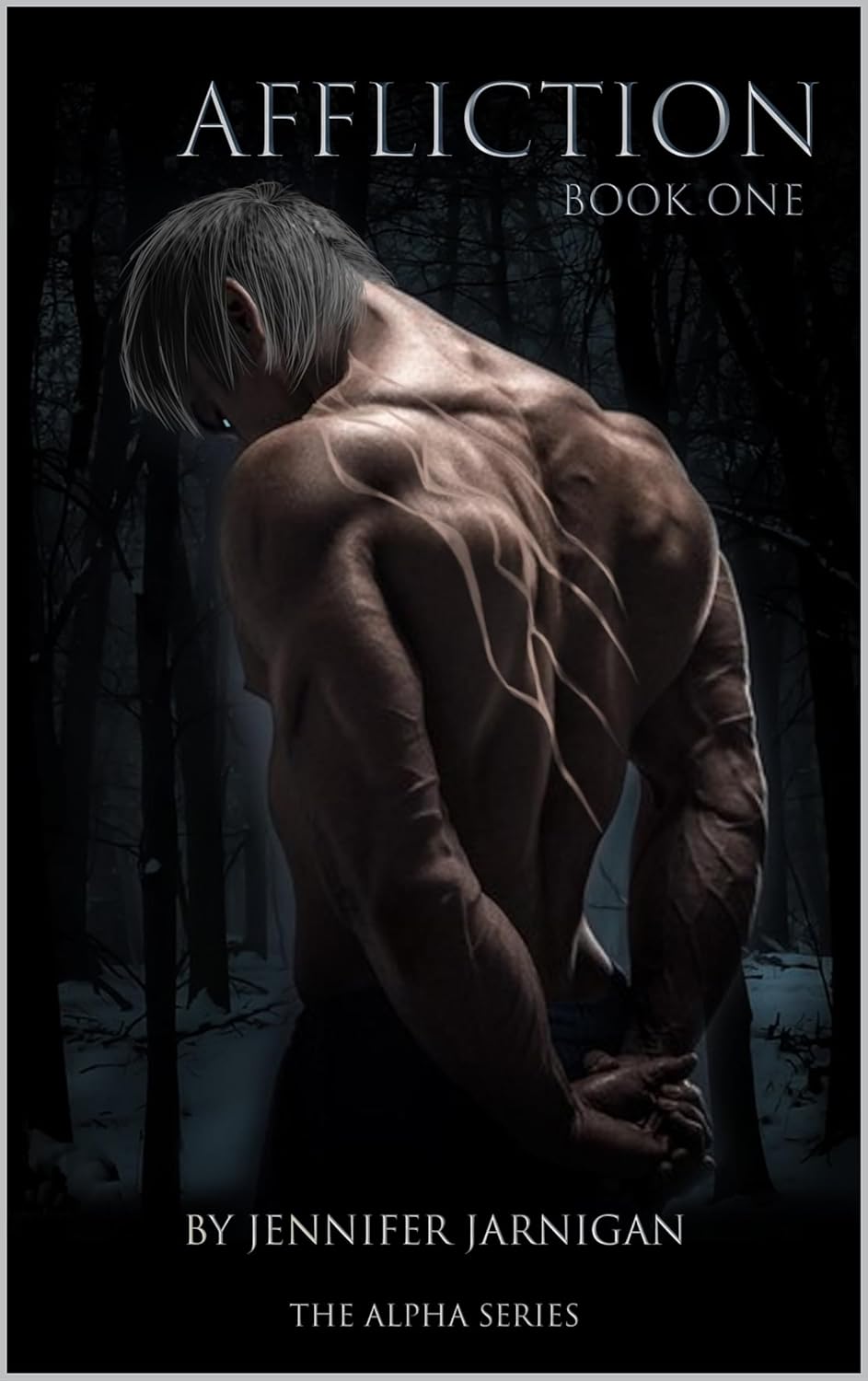
Affliction is far from a light or escapist read. It is emotionally intense, relentlessly brutal, and intricately woven with themes of politics, power, and suffering. The novel immerses the reader in a grim world where magic functions not only as a force of nature but also as a symbol of privilege, oppression, and weaponization. At its core is Nicolas, a reluctant prince turned captive, whose story begins with the violent fall of his father and evolves into a harrowing exploration of identity, guilt, and endurance under the control of a ruthless new Alpha. Blending the grit of war-torn fantasy with the depth of psychological introspection, this book is as emotionally draining as it is compelling.
What struck me most from the outset was the narrative voice; Nicolas’s tone is unmistakable. He is bitter, wounded, and acutely self-aware, with a restrained sarcasm that serves to temper the bleakness of his reality. His early reflections are laced with dread and resentment, yet beneath them lies a quiet yearning for something more. The prose is unflinching; it confronts the reader directly and unapologetically. One particularly harrowing example is Nicolas’s account of the lycan curse, how his father stripped werewolves of their identities and rendered them sterile to create a slave class. The depiction is visceral and deeply disturbing. There is no attempt to soften the horror, nor should there be. Jarnigan deliberately ensures the full weight of this world is felt, and in doing so, she succeeds with devastating clarity.
I appreciated how unflinching this book was about trauma and survival. Nicolas is no noble hero; he’s shattered, haunted, and, honestly, kind of a mess, and that makes him feel real. One moment that stuck with me was when he’s forced to bathe the Alpha who killed his family. The tension is unbearable. Not just because of the power dynamic, but because of what it reveals about Nicolas’s psyche, how much he’s endured, how much he’s internalized. It’s raw and uncomfortable, but that’s what made it brilliant. You want him to break free, but you also see why he can’t. The magic system and training he went through were so abusive that it redefined what “strength” even looks like for him.
At times, the emotional depth of the narrative becomes profoundly immersive, drawing the reader into Nicolas’s internal world with unrelenting intensity. The pacing in the middle of the book shifts to allow for extended introspection, offering a deeper understanding of the protagonist’s psychological landscape. These reflective passages provide a thoughtful pause amid the turmoil, enriching the character development and adding complexity to the unfolding drama. The novel is punctuated with arresting scenes, such as the haunting moment when Nicolas witnesses the burning of his father’s spellbooks, that reignite the story’s intensity. The character of the Alpha, Nicolas’s captor, emerges as a compelling figure: not merely a force of violence, but a layered antagonist whose motives and history unfold with careful precision. While he is far from likable, there is a magnetic, unsettling fascination in following his role in the narrative, testament to Jarnigan’s skill in crafting complex, morally ambiguous characters.
Affliction is not a story about redemption; it’s about reckoning. It’s about surviving the worst parts of yourself and others, and still daring to hope there’s more. I’d recommend this to fans of dark fantasy who don’t mind sitting with discomfort. If you’re into morally gray characters, messy emotions, and plots that don’t flinch from cruelty or complexity, you’ll find a lot to admire here.
Pages: 590 | ASIN: B0F3DPNJ19
Inescapable (The Immortal Blood Gift Series)

Marina Rehm’s Inescapable is the eerie, emotional slow-burn opener to the Immortal Blood Gift series, blending small-town angst with something far more ancient and chilling. Set in the snowy, forgotten corners of Berlin, New Hampshire, in 1985, it follows Dylan Harper, a high school senior who’s just trying to survive his bullies, get into Harvard, and take care of his single mom. But when a mysterious woman named Marie and her icy-eyed husband Alec arrive, the sleepy town suddenly becomes the backdrop to a series of violent, unexplainable deaths, and Dylan is pulled into something bigger than himself. It’s part coming-of-age, part supernatural thriller, all wrapped in a rich layer of dread.
What stood out to me immediately about this book was how convincingly Rehm captures Dylan’s character. He is awkward, uncertain, often overwhelmed, and acutely aware of his low standing in the social hierarchy. Rehm presents him with unflinching honesty, avoiding sentimentality and allowing the narrative to unfold at a deliberate, effective pace. The early chapters, especially those set in the gas station, drip with the bleakness of small-town inertia. When Dylan encounters Marie, a woman whose beauty and poise seem almost unreal, it briefly disrupts his sense of monotony. Her presence is described with such vivid detail, particularly the image of her leather-gloved hands and effortless self-possession, that she feels both mesmerizing and dangerous. A moment in which she assists Dylan in cleaning up a spilled slushie feels disarmingly intimate, yet beneath that quiet interaction lies a deeper threat. It’s this layered ambiguity that immediately drew me in.
The writing itself surprised me. It’s sharp but accessible, with enough emotion to pull you in without ever getting overly dramatic. I appreciated how Rehm balanced horror with heartbreak. Take the murder of Stacy Yelander, for example. That discovery scene was utterly haunting. Dylan stumbling across her mangled body in the snow, those glowing eyes in the woods gave me goosebumps. And yet, the real gut punch wasn’t just the horror, it was Dylan’s numb reaction. His fear. His powerlessness. It’s not just about monsters in the dark; it’s about being trapped in a life you didn’t choose, where the world doesn’t care if you survive it.
What kept me turning the pages was the strange push-pull between Marie’s charm and Alec’s terrifying silence. Something about them is clearly not human, but Rehm never lays it all out. She lets the dread grow like frost on a window. Alec says maybe three words, but you feel him in every room. The slow pace gave me time to settle into the tension, to care about Dylan, and to dread whatever was coming. And there’s something refreshing about a supernatural story where the creatures don’t sparkle or monologue, they just stalk, manipulate, and kill.
Inescapable is a cold, quiet scream of a book. If you’ve ever been the outsider, the weird kid, the one who just wanted to get out of your dead-end town, this will hit home. It’s for readers who like their horror with heart, who don’t mind a slow build, and who enjoy being unnerved by people who are just a little too perfect. This is not a book for those needing instant gratification, but if you like stories that simmer before they burn, this one’s worth it.
Pages : 361 | ASIN : B0DPJ6F7TF
The End: Omicron
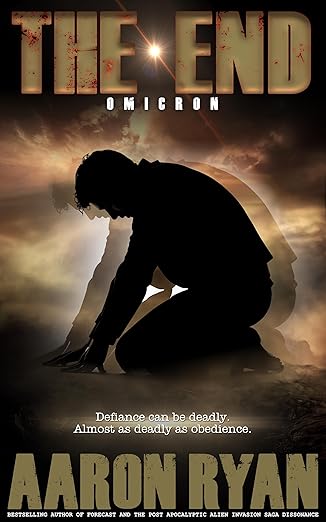
Aaron Ryan’s The End: Omicron is a breathless and gut-wrenching continuation of a harrowing dystopian saga. Picking up in a devastated future where a tyrannical leader named Nero hunts down Christians marked by a branded scar, the story follows young Sage Maddox and a ragtag group of survivors struggling against a monstrous regime of mechanoids and propaganda. Meanwhile, former High Vassal Maximillian—reborn as Darius Antone Forrester—defects and seeks redemption, setting the stage for spiritual warfare, betrayal, personal transformation, and rebellion. The world is brutal, the stakes are high, and the faith of every character is tested in fire.
Reading this book was like being pulled behind a speeding train. The pacing is relentless, the emotion runs raw, and the characters are utterly drenched in pain, doubt, and hope. Ryan’s writing is often visceral and unfiltered—sometimes jarringly so—but it’s always from the gut. You feel Sage’s grief claw at your chest. You feel Maximillian’s shame and longing for a second chance. It’s not polished in a traditional literary sense, but that’s exactly what makes it powerful. It’s not trying to be subtle or slick—it’s just honest. And in that honesty, it punches hard. Some of the dialogue feels intentionally unrefined, like real people speaking in the worst moments of their lives. I respected that.
On the flip side, the writing leans heavily into its message. Ryan is unapologetically Christian in theme and tone—this is not a book that hides its worldview. That might throw off some readers looking for a more ambiguous or secular apocalypse. But if you go in knowing that, it delivers with sincerity. I found myself torn between frustration and admiration at times—the moral dilemmas, the extreme stakes, the black-and-white battle between faith and evil. It’s not subtle storytelling, but it is bold. And sometimes bold is exactly what a story needs to break through the noise.
If you’re a fan of Christian dystopian fiction, if you like stories about persecution, faith, rebellion, and endurance under fire, this one’s for you. I’d recommend it for readers who want more soul in their sci-fi, and more fire in their faith. If I had to put The End: Omicron on a shelf with other books, it would sit somewhere between the Left Behind series and The Hunger Games, with a dash of 1984 and This Present Darkness. It’s got that same blend of high-stakes rebellion, faith under fire, and a world cracking under tyranny.
Pages: 263 | ASIN : B0F6VWDM2H
With Great Innovation Comes the Threat of Misuse

A Fistful of Feathers follows a 13-year-old boy with a strange lump on his neck who realizes he is in danger from the doctors at the clinic and makes an escape from there while forming new friendships. What was the inspiration for the setup of your story?
With great innovation comes the threat of misuse. The original inspiration for the story came from an image and a scientific breakthrough that first appeared in the press in 1997. It featured a mouse with an ear-shaped cartilage growth on its back, which was both weird and unsettling – yet the potential for growing human organs was becoming a reality. The image stayed with me over the years, but it was only when I watched the original Jurassic Park film with my teenage son that the basis of the story began to form…
There was a lot of time spent crafting the character traits in this novel. What was the most important factor for you to get right in your characters?
I wanted the characters to feel real, not superhuman. There might be extraordinary things happening to Jo, but underneath the physical changes was a normal teenage boy, who was desperate to be normal, to be accepted. It was as important to keep the reaction of his friends as natural as possible – although I’m still wondering how I’d react if a friend suddenly sprouted wings!
What were some themes that were important for you to explore in this book?
The key themes at the heart of the book are simple – Friendship, facing up to change and fear.
When will book two be available? Can you give us an idea of where that book will take readers?
Books two and three in the series are already available. Book two, Flight and Fight, and book three, Freedom Rising, follow Jo and his friends as he struggles to deal with the incredible changes to his body and his life…
Author Links: Flight and Fight | Freedom Rising | GoodReads | Facebook | Website
All thirteen-year-old Jo has ever wanted, is to be the same as everyone else. To go to school.
To look in a mirror and not see a ‘freak’ staring back. But there’s the clinic and the evil Doctor Bowden to contend with.
When the lump on Jo’s neck begins to move and change – he knows there is only one thing for it…RUN!
Bowden is not going to make this easy. With his men hot on Jo’s heels, it’s a race to stay one step ahead.
Can he discover the truth about what’s happened to him before he’s caught? Soon, it isn’t only Jo who is in danger.
If he doesn’t tell his new friends everything, the chances are they’ll be hurt – and he’ll be dragged back to that clinic.
But – if he exposes his secret, Jo risks alienating the only real friends he has ever known…
A Fistful of Feathers is book one in an intriguing adventure series. With a twist of fantasy and science fiction that will keep the reader guessing – A great read whatever your age!



 LITERARY TITAN