Blog Archives
“What if ….”
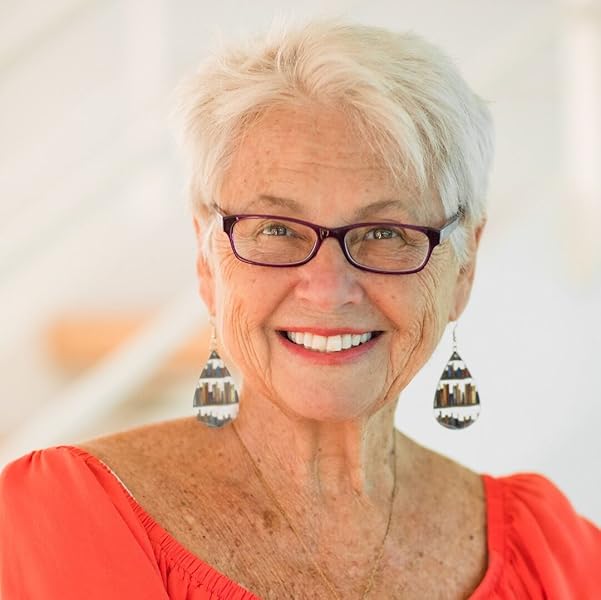

The Secret Hamlet follows a brave and intuitive young woman gifted with a mysterious spiritual connection who gives birth to her daughter under extraordinary circumstances, causing her and her found family to seek a life away from the threats. What was the inspiration for the setup of your story?
It started with a “What if ….”. The ongoing barrage of news and media was woven with overwhelming stories around war. Brian starting thinking … Are women starting these wars? Are they involved in the planning? What if they did … and they were. Would the world be a different place today? Women aren’t the power brokers at the war tables. They, and children, are always the victims. What if women could have a deep and ongoing voice and strength?
Originally, more books were planned, but as we dove into it, multiple changes happened. More characters evolved. They spoke to us—even challenging some of the situations we wrote and the dialogue used. Skills started to surface in book 1, The Secret Journey that weren’t originally thought of, they just bubbled up as we wrote together—never in our minds in the beginning.
Brian had a first draft and joined forces with Judith, someone who had written several books and had an expertise in writing about women. Wanting to help Brian get the book done, the characters took her over, waking her at night. She was committed to completing the book, not realizing that they had a solid series in their hands.
We write differently from other partners. One of us will start a chapter in a Word document, then it’s Zoom time where Judith becomes the wordsmith and types away as they both talk, view, and verbally write together for a two or three hour stretch nonstop in a full collaboration.
Typically, we complete a chapter within one to two sessions. During those sessions, we banter back and forth as Judith writes and talk forward as to what we see is coming or needs to be created to fill a void that has bubbled up as we work together. What works here is we are both in the same place, with the same mind/talk think., bouncing live ideas off of each other … and then a “Yeah, that works…”
I found the characters in your story to be relatable and engaging. What character did you enjoy writing for?
Always Nichol and what we could do with her. The “what if she …” was a common phrase between the two of us. Nichol became part of us, almost like family—the one who bypassed fear did what needed to be done. Judith loves to describe her as a “badass young woman who can take down four men in one minute with a bow and arrow—something that was never imagined in the beginning. As Brian says, “Why not have a young woman do great things, unexpected things … why is it always the men in stories?” We let Nichol’s vision become the roadmap for us … often not knowing what she would reveal as the writing evolved.
The monk Timo was just this kind man who was open for Nichol to be what she was and would become. His nonjudgment has become a huge strength in her … and himself. Timo was always going to be a good guy and friend. We didn’t see him as a major character and he let us know he was and will be forward in the series.
Shadow, the wolf pup introduced in the first book, The Secret Journey, was a “bubbled up” storyline that became a major in all the books. As a protector of Nichol, she’s one smart wolf, reading sign language and anticipating Nichol’s and her children’s needs.
Was there one that was more challenging to write for?
Book 1, The Secret Journey introduced three cruel characters—Astrid the cruel mother, Fredric the vicious half-brother, and Priest Loupe who dripped with everything bad about the church. Astrid withers away in The Secret Hamlet, but we allowed Fredric and Priest Loupe to gather in building turbulence throughout and we planned deliciously for their downfall. What awful things could we do? You will see in Book 3 The Secret Rise!
What were some themes that were important for you to explore in this book?
Women are hot! Women can be smart … Women can get it done. Women can meet and handle challenges. And that working together works. The theme of family and caring for others, even when they are family, is important—for them and for self. The power of building a community and creating a gathering place where the glue can be spread and trust developed.
In the beginning of The Secret Hamlet, with Nichol and her family on the run from the greedy and evil Priest Loupe, she comes across a young woman in a daze who recently gave birth from a rape and not wanting anything to do with the baby. She and the infant were thrown away by the young woman’s family. Instantly grasping the situation, Nichol, on the run herself, promises her sanctuary and saying, “Your child will become my son. All I ask is that provide him milk until he no longer needs it. I will care for him with my infant daughter.”
Where does the story go in the next book, and where do you see it going in the future?
Empowerment runs through Book 3 The Secret Rise and the mystical Lady remains with her, her three children, and those she is in close contact with. Also scandal, tragedy, and triumph. Her strengths continue to grow and she now sees variations of them within her children. Nichol becomes a trusted advisor to Duke Richard—saving his life—and Shadow has pups, introducing them to become heroes and setting the stage for Book 4, The Secret Awakening.
Author Links: X | Facebook | Website
WINNER! American Fiction Awards … Fantasy Historial Fiction
Can the Hamlet of Harmonie Remain Hidden?
It’s the 11th century and Nichol with an infant daughter must escape Paris with her extended family. In Book 2 of the Harmonie series, The Secret Hamlet, the power of Nichol is turned loose. At her side is Shadow, her wolf-dog. In the bitter winter, she has become the target of the ruthless priest Loupe and her evil brother Fredric, both in pursuit of her and her daughter, Lucette.
With her expanding vision and skills coupled with the guidance of the Lady, Nichol leads her family, and those in need, to the creation and development of Harmonie. Hidden within the Kingdom of Normandy, Harmonie abuts No Name, another hidden hamlet.
Will the jeweled dagger stay in the hands of the rightful owner?
Will Nichol’s friendship with the new Queen of England benefit both?
Will the alliance with the Duke of Normandy protect the Harmonites?
Will more secrets be revealed by Nichol, Robert, Ezra, Helene, and Timo?
And … will the alliances last? Will the Lady stay by Nichol’s side?
The Secret Hamlet is Book 2 in the Harmonie series.
Authors Brian Barnes and Judith Briles weave a book series for the reader to open and fall into. It’s historical fiction that unravels the 11th century. Out of the darkness comes the empowerment of Nichol … a sanctuary, and the revelation of what women with vision can achieve.
The Secret Hamlet


The Secret Hamlet, the second installment in The Harmonie Books Series by Brian Barnes and Judith Briles, is a sprawling historical fiction novel that blends medieval intrigue, mystical elements, and family drama in a 1000 AD setting. The story follows Nichol, a brave and intuitive young woman gifted with a mysterious spiritual connection, as she gives birth to her daughter Lucette under extraordinary circumstances. As whispers of witchcraft and danger spread, Nichol, her husband Robert, and a group of devoted allies, including a loyal dog, a monk turned farmer, and a wise matriarch, are forced to flee, seeking safety in a secret land revealed to Nichol through visions. This is a tale of survival, belief, and the forging of a new community amidst threats from both church and state.
Reading this book pulled me into a richly painted world, and I often found myself surprised by how real the characters felt. The writing flows like a familiar story told around a fire. There were moments when the dialogue felt a bit modern for the time period, but honestly, that made it more personal. What stood out most was how the authors balanced the mystical with the grounded. I didn’t expect to care so deeply about a donkey named Moki or find a newborn’s connection to light so emotionally moving, but those scenes resonated with me. The pacing slows down at times with a lot of description, but the story always picks up again with a new challenge or twist that pulled me back in.
What I really appreciated was the heart behind the ideas. This isn’t just a book about a woman escaping danger. It’s about trust, rebuilding from nothing, and holding on to light when others call it darkness. The theme of found family shines bright throughout, and that really resonated with me. I also liked that the mystical “Lady” guiding Nichol isn’t explained too much. She’s a force, not a plot device. That restraint actually made her presence more powerful. The final chapters, where they start building their new haven, gave me chills. There’s real hope in those pages.
If you love historical fiction that leans into emotion and magic without turning into a fantasy epic, this book is worth your time. It’s perfect for readers who want strong women leads, tight-knit communities, and a little mystery wrapped in old-world charm. I’d especially recommend it to book clubs. There’s so much here to talk about, from gender roles to spiritual belief to survival under persecution. This is a warm, soulful book that doesn’t shy away from darkness but still manages to feel like a candle flickering in it. I closed it feeling deeply moved.
Pages: 428 | ASIN : B0CRXRD3JH

Brianag: The Blood Queen Chronicles
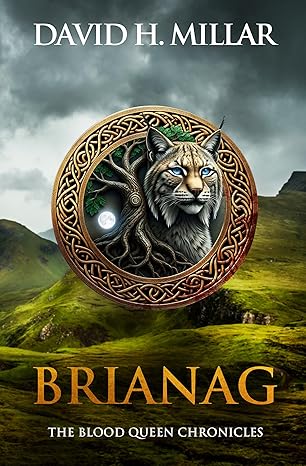
Brianag, the second installment in The Blood Queen Chronicles by David H. Millar, is a sweeping Celtic fantasy that picks up ten years after the climactic events of The Blood Queen. The story centers on Brianag, a half-human, half-sídhe daughter of the formidable Blood Queen Gràinne, who has spent a decade in magical exile among the demigod Aes Sídhe. As Brianag wrestles with her identity, legacy, and explosive powers, tensions rise in the mortal realm where wars loom, alliances shift, and her mother’s empire teeters on a knife’s edge. The novel interweaves politics, prophecy, family drama, and supernatural intrigue into a richly imagined and deeply emotional tale.
I couldn’t put the book down. Millar’s writing is lyrical but gutsy, not afraid to dive into the visceral, the painful, and the raw. He blends myth and history with such ease that it feels ancient and modern all at once. Brianag is a deeply complex character, furious, powerful, aching for connection, and I felt for her in ways I didn’t expect. The dynamics between mother and daughter, layered with betrayal and sacrifice, are heartbreaking and, honestly, hit hard. The politics and battles are brutal and real, yet the quieter moments, like the grief, the longing, the flashes of tenderness, are what really stayed with me.
That said, this book demands patience. The cast is sprawling, the Gaelic names thick on the tongue, and the narrative hops through multiple perspectives with dense world-building. Yet the payoff is worth it. Millar doesn’t spoon-feed; he trusts the reader to keep up, and that trust pays off in emotional depth and an epic payoff. I appreciated that. He writes like a storyteller around a fire, pulling you in with every twist and turn, every whispered threat and tender betrayal.
Brianag is a brutal, beautiful saga of power, identity, and redemption. It’s not for the faint of heart or those craving a breezy read. But for lovers of deep fantasy steeped in Celtic lore, political intrigue, and morally gray heroines, this is gold. I’d recommend it to fans of Guy Gavriel Kay, Madeline Miller, or readers who wanted more darkness and depth from Game of Thrones. Come for the queens and gods, stay for the heartbreak.
Pages: 406 | ASIN : B0F7RVGZMZ
Cauldron of Dagda: The Witch’s Rebirth Part II

Michaela Riley’s Cauldron of Dagda: The Witch’s Rebirth Part II is a sweeping tale of magic, rebirth, and epic destiny, rooted in a richly imagined version of early medieval Europe. Set against the backdrop of 6th-century Francia and the Byzantine Empire, the story follows Merona, a reborn witch, who is thrust once more into a fractured world on the brink of ruin. Guided by visions, ancient gods, and her loyal companions, she must wield the legendary Cauldron of Dagda to restore balance and ward off an encroaching darkness. The novel seamlessly intertwines elements of pagan mysticism with the turbulence of political upheaval, all set within a richly mythological framework.
From the outset, the atmosphere in the story is deeply evocative. The prologue resonates with a potent blend of tension and lyrical beauty, particularly in lines such as, “In the depths of this chaos, hidden within the labyrinth of shadows, the Witch lay ensconced in her own despair.” That moment is haunting in its imagery and sets the tone for the entire narrative. Michaela Riley’s prose is often poetic, even lush, and this quality serves as a notable strength. The rich detail, especially in the vivid depictions of Samhain rituals, flickering torchlight, and whispered invocations, creates an immersive reading experience.
Character-wise, Merona really grabbed my heart. Her struggle with power and doubt felt honest and human, even when she’s literally summoning ancient gods or wielding divine relics. One standout moment comes when she reunites with Murdach in the forest, sobbing, “I have been lost in the endless shadows of the labyrinth once more.” That vulnerability made her feel grounded despite the mythic stakes. Her relationship with her mother, Mairead, was another emotional anchor. Their reunion in the sacred grove was profoundly moving, evoking a powerful emotional response. Riley demonstrates a remarkable ability to craft poignant moments with authenticity and restraint, allowing the emotional weight to resonate without ever feeling contrived.
The narrative structure is richly layered, weaving together ritual, prophecy, memory, and vision to create a story that feels both mythic and immersive. Each chapter unfolds with a dreamlike intensity, blending past and present in a way that evokes the timeless nature of the tale. This interlacing of timelines enhances the sense of destiny at work, heightening the emotional and thematic resonance of Merona’s journey. As the narrative builds toward the expedition to Constantinople, the momentum becomes increasingly gripping. The Morrigan’s haunting transformations and the looming menace of Varis inject a thrilling urgency into the plot, amplifying the sense of peril and the high stakes that define the story’s arc.
Cauldron of Dagda: The Witch’s Rebirth Part II is an evocative, mystical epic that pulses with feminine power, ancient magic, and emotional truth. It’s best suited for readers who love deeply mythic stories with a poetic writing style and a strong, complex heroine. I’d recommend it to fantasy lovers who enjoy spiritual themes, Celtic lore, and high-stakes drama wrapped in gorgeous prose.
Pages: 434 | ASIN : B0DWVRBM2F

Chasing Moonflowers


Pauline Chow’s Chasing Moonflowers is a vivid and haunting novel that weaves together historical fiction, supernatural horror, and coming-of-age themes. Set in 1920s colonial Hong Kong, the story follows Ling, a young woman caught between her family’s traditions and the turbulent sociopolitical currents of the time. As Ling uncovers strange disappearances tied to mythic horrors and colonial oppression, her journey through the Kowloon Walled City and the surrounding marshlands becomes a fight for truth, identity, and survival. The story is steeped in Chinese folklore, political tension, and eerie mystery, creating a rich and unsettling atmosphere.
From the first few pages, I was hooked. The prose is crisp, full of sensory detail, and never afraid to get gritty. Chow doesn’t just describe Hong Kong, she drags you into its alleys, lets you feel the damp walls of Kowloon, and hear the eerie lullabies whispered to children. I felt a real emotional attachment to Ling, a clever and fiercely curious young woman who manages to be brave even while terrified. Her relationship with her family, especially her younger brothers, grounded the novel in a warmth that balanced the story’s darker turns. And make no mistake, the horror elements here are chilling. The supernatural is strange, grotesque, and soaked in myth. Think Lovecraft meets The Monkey King.
Some chapters fly by in a haze of thrilling discoveries and shocking twists, while others linger long on introspection or minor characters’ subplots. That said, I appreciated how Chow dared to explore trauma without giving neat resolutions. Her portrayal of colonialism’s reach, how it deforms not just cities, but psyches, is brutal and honest. There’s a weight to this story that sticks with you.
Chasing Moonflowers is a powerful story that blends historical fiction and horror in a way that feels timeless. If you’re someone who enjoys complex female leads, folklore-laced thrillers, or tales of rebellion against monstrous systems—literal and figurative—this book’s for you. It shook me, entertained me, and made me think.
Pages: 298 | ASIN : B0F1G51FWX
Creating My Own Fantasy World
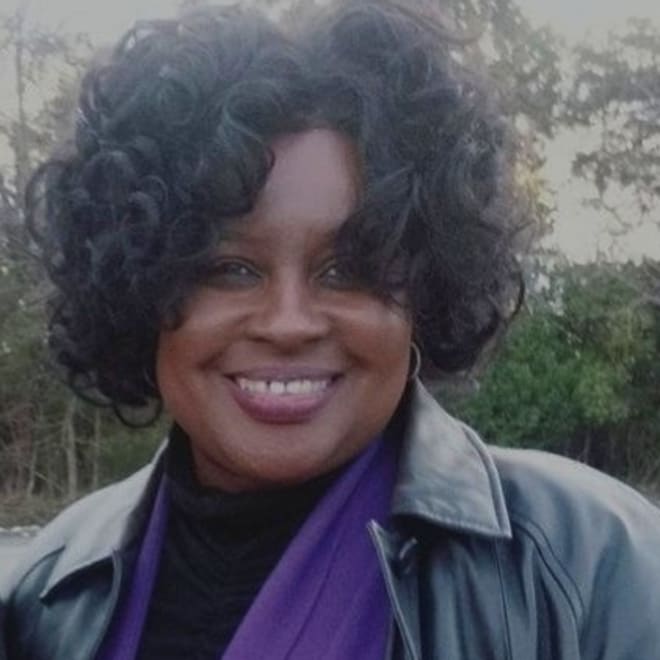
The Tydareus Kingdom, Alliance of Nations follows twin princes in a tale of epic proportions as they navigate the wreckage of a long lineage of family secrets and power struggles. What was the inspiration for the setup of your story?
The Inspiration for the story was the ending of the Game of Thrones TV Series. I have always loved the fantasy world of Kings and Queens and decided to create my own fantasy world. As I sat down to write the Alliance of Nations, the plot seemed to drive itself from one kingdom to the next.
What intrigues you about this time period enough to write such a thrilling period piece?
As I stated, I love the fantasy world of royalty with Kings and Queens and wizardry. From King Author and Sir Lancelot to Game of Thrones and the many different kings portrayed in the books, I think the fantasy worlds offer a break from reality with dragons, stonemen, etc. Although, I chose not to add mythical creatures and other type animalistic avatars, I do find them interesting. However, I sometimes have a more difficult time relating to books with such characters, which is why I chose to maintain humanlike characters with emotional conflicts on a more personal level relatable to common people. Also, I’m not such a big fan of The House of Dragon Prequel. I haven’t read the books, but I think the series feels rushed and lacks the time development of the plot and characters. That is why I took the time to create realistic plots and focus on character development so that readers could relate to the characters on a more personal level and connect with their personalities whether good, bad or indifferent. It was important to maintain in-depth situations that followed each character’s persona. Of course that made for a much longer read, but I hope that the intrigue and thrill of both plot and characters made the book feel less cumbersome in length.
Were you able to achieve everything you wanted with the characters in the novel?
Yes, as each character came to life, so to speak, each person’s persona felt natural and unforced. From Stavros and his twin to the different kings, it was important that their persona was relatable and realistic. Although I didn’t particularly like each character’s persona, I think it made for a more intriguing plot with relatable twists and emotional conflict. It was important that readers form an emotional attachment to the characters as the story progressed, whether perceived as an antagonistic protagonist, a villain, or a heartfelt protagonist that drives the story forward while overcoming challenges.
Can we look forward to seeing the follow-up to this novel? What are you currently working on?
Yes, the follow-up sequel is The Tydareus Kingdom, A Nation of Slaves which delves more into the lives of the slaves as these 3 kingdoms continue on the path to war. The final book is entitled The Tydareus Kingdom, A War of Three Nations, which of course will follow the lives of the kings as they progress through the war. I’m currently working on the sequel to The Women’s Meeting entitled, Saga of My Scars, The Aftermath of Life’s Wounds which follows Dr. Angela Morrison through her quest for answers to her life as presented by the 3 different personalities. The Women’s Meeting revealed her Renee Lindsey personality to Dr. Morrison forcing her to confront the truths of her childhood, adoption, abuse, etc. Unknown by Dr. Morrison, she finds herself entangled in conflict with a newly emerging personality, Erin Philips. Unlike Renee, Erin has her own ideas about taking over Dr. Angela Morrison’s life—determined to eliminate all other personas and assert herself entirely. Erin is determined to avenge the people responsible for the abuse and degradation of Angela, Renee and herself even if that means destroying Angela in the process.
Author Website
The imminent invasion by Kadir, the brother exiled to the Western Island, forces Arius and Acuitius to seek an alliance with the Eastern Shore Kings—Matteo, Obasi, and Basili—to safeguard their western borders and train their soldiers in an Army that has not experienced combat in centuries. However, these three Eastern Shore Kings, notorious tyrants of their lands, harbor their own ambitions and agenda. They aim to overthrow the Tydareus Kingdom, destroy the brothers, and seize control, regardless of the cost.
Ultimately, this may escalate into a war between the three nations. “Alliance of Nations” delves into the lives of these six kings as they navigate the complexities of forming alliances through marriages and conflicts that threaten to derail their strategies for a successful union.
The Cost of Reconciliation

The Dog Roses: Resolution follows twin sisters who rule the land with tyranny and chaos, causing their parents to send in their twin brothers to restore order to the land. What was the inspiration for the setup of your story?
In Book 1: The Dog Roses, the sisters, Danu and Brighid, overcame many physical, spiritual and supernatural barriers and scaled the heights of success. They were hailed as heroes by the people. Their weakness or vulnerability was their personalities. Could they adjust from battle queens to reigning in peaceful times? The answer was no. They had not learned to develop harmonies or that their abilities could augment and reinforce each other. Thus, the strap line became “Sisters squabble. Queens go to war.” The kingdom was torn in two as each queen fought for ascendency. Their personalities dictated the path each would take. Still, do not judge them too harshly. They were human and subject to human frailties and passions. The Dog Roses: Resolution poses the questions: Can the twins be reconciled? What will be the cost? And are they prepared to pay that cost?
The supporting characters in this novel, I felt, were intriguing and well developed. Who was your favorite character to write for?
I will cheat here and say two characters were my favorite for very different reasons. First, Aoife: we first came across an exuberant Aoife as a seven year-old watching Danu and Brighid’s arrival on warships in Eriu. At that time I based Aoife’s personality on my granddaughter, Sasha, whose optimistic outlook and bravery in the face of challenging health issues is a shining light to all who meet her. No matter what was thrown at them Aoife and Sasha refused to let it crush them. The difficulty, however, came in Book 2: The Dog Roses: Resolution when I had to envisage Aoife/Sasha as a fierce eighteen year-old warrior determined to bring justice to evildoers. I think I managed to advance both their personalities quite successfully. That said, I will only truly know in five years when Sasha is at an age to read my books!
The other character is the whore and assassin, Tisiphone. We first came across Tisiphone in Conall V: Retribution. At fifteen, she was a whore working the harbour districts of Massalia (Marseille). Even at that age, Tisiphone was an accomplished spy and assassin who enthralled men with her beauty. In Conall V, I left Tisiphone bleeding out in a back alley of Massalia after defending herself against another assassin but left the reader to judge whether she had died. In the end, I just could not let her go and she appears in The Dog Roses: Resolution as much more complex character, although still an assassin and still a whore!
Are you a fan of the Fantasy genre? What books do you think most influenced your work?
I don’t read as much as I should! Yes, I enjoy fantasy, mostly urban or historical and I’m always in search of a good steampunk novel. Angie Barton is a good friend and I really enjoy her Gothic horror/vampire novels. As to influences, prior to writing historical fantasy I was an avid reader of historical fiction, especially the works of Bernard Cornwell or Conn Iggulden. I’m also a fan of of Jim Butcher’s Dresden Files. That said, I also read westerns, science fiction and detective novels.
Where do you see your characters after the book ends?
I have been asked this question at several recent author book signings. The honest answer is “I don’t know.” It certainly is possible that The Dog Roses Series will have a third book, probably located in Southern France (Gaul) because Danu and Brighid and their children return “home” to Conall and Morrigan in the closing chapter. It is quite possible that they will join with the characters of The Blood Queen Chronicles who are also homesick for their friends. One intriguing scenario was recently posed to me by a reader who said, since many of the characters were supernatural, then how would they react to being in the 21st Century!
That said, I am already working on my next potential series of at least five books: The Tuatha De Chronicles. The manuscript of Book 1: Dragons, Demons & Demigods has gone through structural editing and will be submitted to my copy editor at the end of the summer. The book will cross historical fantasy with urban fantasy.
Author Links: GoodReads | X | Facebook | Instagram | Website
Sisters squabble. Queens go to war.
Ten summers ago, victory brought peace and prosperity to Southern Ériu. Danu and Brighid were celebrated as heroes and saviours. The queens scaled the heights, and there was only one way to go.
One twin became overbearing, the other resentful. Pride dug a pit filled with blackthorns between them. They became tyrants, and the kingdom was sundered. The people were left bitter, divided and afraid, and the lush farmlands fell barren. Stripped of their powers, the Dog Roses were no more. Each blamed the other, and neither took responsibility.
Angry parents gave the twins’ brothers an army and tasked them to bring law to the kingdom. An embittered veteran and a beautiful assassin accompany them. Whose gold is in the assassin’s pouch, and what are her orders?
In the Halls of the Aes Sídhe, Draighean is chastised and commanded to return to her wards. “Guide them, support them, or kill them. Just finish what you started.”
An evil philosophy grows, and another army gathers. Can the sisters be reconciled? The people need the Dog Roses, but can they forgive them? Yet, do Danu and Brighid want the responsibility? Do they want their powers returned? Being normal is very tempting.
The Dog Roses: Resolution contains scenes of sex, violence, and language appropriate to the historical period (400 B.C.) and locations in which the story is set. It is not recommended for those under 14 without parental consent.
The Tydareus Kingdom, Alliance of Nations

J.E. London’s The Tydareus Kingdom is an ambitious epic that plunges the reader into a richly woven tapestry of royal intrigue, betrayal, and political ambition across a sprawling, multi-regional empire. The story traces the legacy of the Tydareus lineage, beginning with the wreckage and rise of Quintus Tydareus and evolving into the tangled fates of his descendants—particularly the twin princes Stavros and Kratos. The narrative winds through a maze of kingdoms, love affairs, family secrets, and brutal power struggles, culminating in a saga that is both grand in scale and intimate in its emotional complexity.
I enjoyed the intensity of the prose. London doesn’t ease you in; she drops you into a storm of evocative language and raw human drama. The writing is rich, even poetic at times, and while that style can be beautiful, it occasionally teeters on excess. Still, there’s no denying its power. There’s a sense of fatalism baked into the world, and London’s vivid imagery makes you feel every betrayal, every oath, every secret.
What I truly enjoyed was the relationship between the twin princes. Stavros and Kratos are magnetic in their contrast. Stavros is a tyrant-in-the-making, all ego and rage, while Kratos is introspective and torn by duty. Their first scene together in the vineyard set the tone—raw, physical, tense with unspoken history. I found myself siding with Kratos often, especially as Stavros descended further into cruelty. The tension between them is Shakespearean, and that dynamic carries much of the novel’s emotional weight. There were moments when the dialogue veered into melodrama, and the frequent physical and verbal brutality was almost too much. But maybe that’s the point—this kingdom is built on blood and silence.
Then there’s the character of Avana, the queen. Her story gutted me. She’s caught between the title of royalty and the reality of being stripped of agency in a patriarchal, violent court. Her scenes with King Arius are some of the most difficult to read, especially when he asserts dominance not just politically but physically. The abuse and the gaslighting is brutal. I felt genuine anger, and sadness, and helplessness for her. London doesn’t shy away from depicting the consequences of power in the hands of those who abuse it, and while it’s hard to stomach, it’s also honest. She’s trying to survive in a world that constantly tells her she’s expendable.
The Tydareus Kingdom is a harrowing and layered portrait of human ambition and moral collapse. It’s not for the faint of heart. If you’re looking for a fairy tale, this isn’t it. But if you’re drawn to political drama, moral gray zones, and character-driven epics where no one is safe and every choice has weight, then this book delivers. I’d recommend it to fans of Game of Thrones or The Witcher—people who don’t mind getting dirty in the trenches of family legacy, loyalty, and betrayal.
Pages: 825 | ASIN : B0DXWKC4JQ



 LITERARY TITAN