Blog Archives
“What if ….”


The Secret Hamlet follows a brave and intuitive young woman gifted with a mysterious spiritual connection who gives birth to her daughter under extraordinary circumstances, causing her and her found family to seek a life away from the threats. What was the inspiration for the setup of your story?
It started with a “What if ….”. The ongoing barrage of news and media was woven with overwhelming stories around war. Brian starting thinking … Are women starting these wars? Are they involved in the planning? What if they did … and they were. Would the world be a different place today? Women aren’t the power brokers at the war tables. They, and children, are always the victims. What if women could have a deep and ongoing voice and strength?
Originally, more books were planned, but as we dove into it, multiple changes happened. More characters evolved. They spoke to us—even challenging some of the situations we wrote and the dialogue used. Skills started to surface in book 1, The Secret Journey that weren’t originally thought of, they just bubbled up as we wrote together—never in our minds in the beginning.
Brian had a first draft and joined forces with Judith, someone who had written several books and had an expertise in writing about women. Wanting to help Brian get the book done, the characters took her over, waking her at night. She was committed to completing the book, not realizing that they had a solid series in their hands.
We write differently from other partners. One of us will start a chapter in a Word document, then it’s Zoom time where Judith becomes the wordsmith and types away as they both talk, view, and verbally write together for a two or three hour stretch nonstop in a full collaboration.
Typically, we complete a chapter within one to two sessions. During those sessions, we banter back and forth as Judith writes and talk forward as to what we see is coming or needs to be created to fill a void that has bubbled up as we work together. What works here is we are both in the same place, with the same mind/talk think., bouncing live ideas off of each other … and then a “Yeah, that works…”
I found the characters in your story to be relatable and engaging. What character did you enjoy writing for?
Always Nichol and what we could do with her. The “what if she …” was a common phrase between the two of us. Nichol became part of us, almost like family—the one who bypassed fear did what needed to be done. Judith loves to describe her as a “badass young woman who can take down four men in one minute with a bow and arrow—something that was never imagined in the beginning. As Brian says, “Why not have a young woman do great things, unexpected things … why is it always the men in stories?” We let Nichol’s vision become the roadmap for us … often not knowing what she would reveal as the writing evolved.
The monk Timo was just this kind man who was open for Nichol to be what she was and would become. His nonjudgment has become a huge strength in her … and himself. Timo was always going to be a good guy and friend. We didn’t see him as a major character and he let us know he was and will be forward in the series.
Shadow, the wolf pup introduced in the first book, The Secret Journey, was a “bubbled up” storyline that became a major in all the books. As a protector of Nichol, she’s one smart wolf, reading sign language and anticipating Nichol’s and her children’s needs.
Was there one that was more challenging to write for?
Book 1, The Secret Journey introduced three cruel characters—Astrid the cruel mother, Fredric the vicious half-brother, and Priest Loupe who dripped with everything bad about the church. Astrid withers away in The Secret Hamlet, but we allowed Fredric and Priest Loupe to gather in building turbulence throughout and we planned deliciously for their downfall. What awful things could we do? You will see in Book 3 The Secret Rise!
What were some themes that were important for you to explore in this book?
Women are hot! Women can be smart … Women can get it done. Women can meet and handle challenges. And that working together works. The theme of family and caring for others, even when they are family, is important—for them and for self. The power of building a community and creating a gathering place where the glue can be spread and trust developed.
In the beginning of The Secret Hamlet, with Nichol and her family on the run from the greedy and evil Priest Loupe, she comes across a young woman in a daze who recently gave birth from a rape and not wanting anything to do with the baby. She and the infant were thrown away by the young woman’s family. Instantly grasping the situation, Nichol, on the run herself, promises her sanctuary and saying, “Your child will become my son. All I ask is that provide him milk until he no longer needs it. I will care for him with my infant daughter.”
Where does the story go in the next book, and where do you see it going in the future?
Empowerment runs through Book 3 The Secret Rise and the mystical Lady remains with her, her three children, and those she is in close contact with. Also scandal, tragedy, and triumph. Her strengths continue to grow and she now sees variations of them within her children. Nichol becomes a trusted advisor to Duke Richard—saving his life—and Shadow has pups, introducing them to become heroes and setting the stage for Book 4, The Secret Awakening.
Author Links: X | Facebook | Website
WINNER! American Fiction Awards … Fantasy Historial Fiction
Can the Hamlet of Harmonie Remain Hidden?
It’s the 11th century and Nichol with an infant daughter must escape Paris with her extended family. In Book 2 of the Harmonie series, The Secret Hamlet, the power of Nichol is turned loose. At her side is Shadow, her wolf-dog. In the bitter winter, she has become the target of the ruthless priest Loupe and her evil brother Fredric, both in pursuit of her and her daughter, Lucette.
With her expanding vision and skills coupled with the guidance of the Lady, Nichol leads her family, and those in need, to the creation and development of Harmonie. Hidden within the Kingdom of Normandy, Harmonie abuts No Name, another hidden hamlet.
Will the jeweled dagger stay in the hands of the rightful owner?
Will Nichol’s friendship with the new Queen of England benefit both?
Will the alliance with the Duke of Normandy protect the Harmonites?
Will more secrets be revealed by Nichol, Robert, Ezra, Helene, and Timo?
And … will the alliances last? Will the Lady stay by Nichol’s side?
The Secret Hamlet is Book 2 in the Harmonie series.
Authors Brian Barnes and Judith Briles weave a book series for the reader to open and fall into. It’s historical fiction that unravels the 11th century. Out of the darkness comes the empowerment of Nichol … a sanctuary, and the revelation of what women with vision can achieve.
Surviving

Kitty Schmidt: My Life As A Prostitute follows a young woman whose only option to pay for her grandfather’s burial is with sex, sending her on a path to becoming the madam of a high-class brothel for the Nazi in WWII. What was the inspiration for the setup of your story?
I had read a magazine account of Kitty’s life and how the SS refused to let her leave Germany, instead ordering her to work for them. I wanted to know more about her impoverished background that, unbeknownst to her at the time, served to help her manage a brothel for the inner circle of the Third Reich.
In addition, I thought it was important to draw attention to the exploitation of women before and World War II. Kitty Schmidt is a fascinating character who does what she must do to survive during a time when women were not valued as highly as men. She used her position to get information to expand her mind and her portfolio to improve her life and the lives of those around her.
What scene was the most interesting to write for that character?
Two scenes stand out. First, we see how a young child witnesses her mother’s murder at the hands of her alcoholic father. How does a young child process such a situation ? Does it scar her for life? She goes to live with her elderly grandparents who are in their last day, but she won’t have it. She finds paint and brushes and begins to work on fixing their house which has fallen into disrepair. In the second scene, in order for Kitty to pay for her grandfather’s funeral, she must sell herself to a pathetic undertaker. That is when she realizes she has power over men. This power helps her pay for her groceries, her clothes, and household repairs. It opens up a world that she had not known existed.
What draws you to the period of WWII and makes it ripe for you to write such a great historical fiction novel in it?
The WWII generation witnessed many heroes and heroines who in some cases made the ultimate sacrifice. I have written several novels centered on that generation: Brazzaville, The Reluctant Nazi, and Sunrise Over Casablanca. They all embrace a theme of personal growth and self-awareness and sacrifice in the midst of external struggles as well as in their own personal conflicts.
What is the next book that you are working on, and when will it be available?
On the Wings of Flying Tigers tells the story of a young man named Albert who always wanted to fly to feel free. That love grows when he watches flying circus performers in the 1930s. Then his uncle gives him a one-man plane to build.
Through hardship and self-sacrifice, Albert joins the military and moves up the ranks to become a member of the Flying Tigers, a volunteer Air Force branch of the Chinese Army. His time in the air indeed makes him feel free, but that freedom comes at a price. We expect to enter the publishing stage of this book in the coming weeks.
Author Links: GoodReads | Website
When Kitty attempted to leave Nazi Germany, the Gestapo made a deal with her. Manage a bordello for their hierarchy or go to a concentration camp. They wired her bordello so they could eavesdrop on every officer, diplomat, and foreign dignitary that passed through her door. Every word was recorded and passed to the authorities.
A modern-day Berliner stumbles upon her story, and he reads it during breaks from remodeling the building that housed her bordello. In doing so, he contrasts his life with hers
Jigsaw: Shadow Ball


Jigsaw: Shadow Ball is a thrilling time-traveling adventure that mixes sci-fi action with powerful lessons from America’s racial past. Centered around a group of Temporal Guardians trying to preserve and repair the timeline, the story follows Noah and Francesca as they battle against shadowy forces like Global Harmony and the Grey Branch Foundation. Along the way, they cross paths with historical legends such as Larry Doby, Rube Foster, and Bill Veeck, learning how Black baseball helped kickstart civil rights movements. The book deftly interweaves speculative fiction with real history, taking readers on a rollercoaster from 1897 Texas to a dystopian 1980 Phoenix ruled by fascism and eugenics.
Reading this felt like binge-watching a high-stakes Netflix series. Gordon’s writing is snappy, visual, and deeply emotional when it needs to be. The characters are flawed but brave, and the dialogue flows like people talking in real life, not stiff, not overly clever. I loved how the story used baseball as a lens to view much bigger things: racism, resistance, and the price of progress. Rube Foster’s quote, “We are the ship. All else the sea,” really stuck with me. It gave the book a kind of heartbeat. But what hit me even harder was Cheryl’s descent. Her idealism turns to horror, and watching her realize how she accidentally created a nightmare world was genuinely heartbreaking.
At times the historical exposition gets a little dense. You might be deep in a firefight or an emotional reunion, and suddenly the story drops into a history lesson. It’s good stuff, important stuff, but it can slow the pace. Still, I’d rather have a story try something ambitious than play it safe the whole time. Gordon clearly cares deeply about this history, and it shows in every scene.
I really dug this book. It’s smart, bold, and weird in the best ways. If you’re into baseball, time travel, civil rights, or just want a wild story that respects its characters and its readers, this one’s for you. Shadow Ball would be perfect for high schoolers, history buffs, teachers, or anyone who believes that stories still have the power to change the future.
Pages: 160 | ASIN : B0DXMQXXZ8

Gangsters and Demons

Gangsters and Demons is a dark, pulpy, and strangely heartfelt novel set in 1920s Chicago. The story follows Jimmy Maloney, a dockworker trying to survive amid the city’s industrial grime, systemic poverty, and rising organized crime. What starts as a classic gangster tale gradually transforms into something much more unexpected, something deeply strange, even supernatural. As Jimmy gets drawn deeper into a criminal underworld, he confronts not just mobsters but literal demons, both personal and paranormal. The lines blur between addiction and possession, loyalty and survival, faith and fear. O’Neill stitches together Prohibition-era crime drama with elements of horror and religious myth in a way that feels both ambitious and unhinged.
I felt like I was being pulled into an old noir film that slowly melted into a fever dream. O’Neill’s writing is rich with mood and texture. The way he builds atmosphere, from fog-drenched alleys to crowded tenement kitchens, is immersive and unflinching. But it’s not just about setting. The dialogue is sharp and believable, especially when tensions rise between dockworkers and mob bosses. At times, the narrative veers into melodrama, especially when introducing the more fantastical elements, but somehow, it works. The raw emotion in the scenes with Jimmy’s mother or his deteriorating friendship with Nathan hits hard. You feel the weight of hopelessness, the creeping dread of losing control. It’s messy, and that’s what makes it feel real.
What surprised me most were the ideas buried beneath the genre trappings. Addiction, exploitation, poverty, faith, these aren’t just backdrops, they’re the bones of the story. There’s something gutsy about blending demonic possession with union strikes and rent hikes. It’s as if O’Neill is saying the real horror isn’t the supernatural, it’s the everyday grind that breaks people down. There were a few moments where the themes came through a little strongly, as if the story had something meaningful to share and leaned into it with intention. A couple of plot threads faded into the background, and a few characters seemed to serve more symbolic roles. Even so, the story gripped. I kept turning the pages, eager to see where it would go next.
I’d recommend Gangsters and Demons to anyone who enjoys stories that punch you in the gut and don’t apologize. If you’re into gritty historical fiction with a twist of horror, think Peaky Blinders meets The Exorcist, you’ll find something to love here. It’s bold, honest, and haunted.
Pages: 255 | ASIN : B0F48TS4R5
New Star
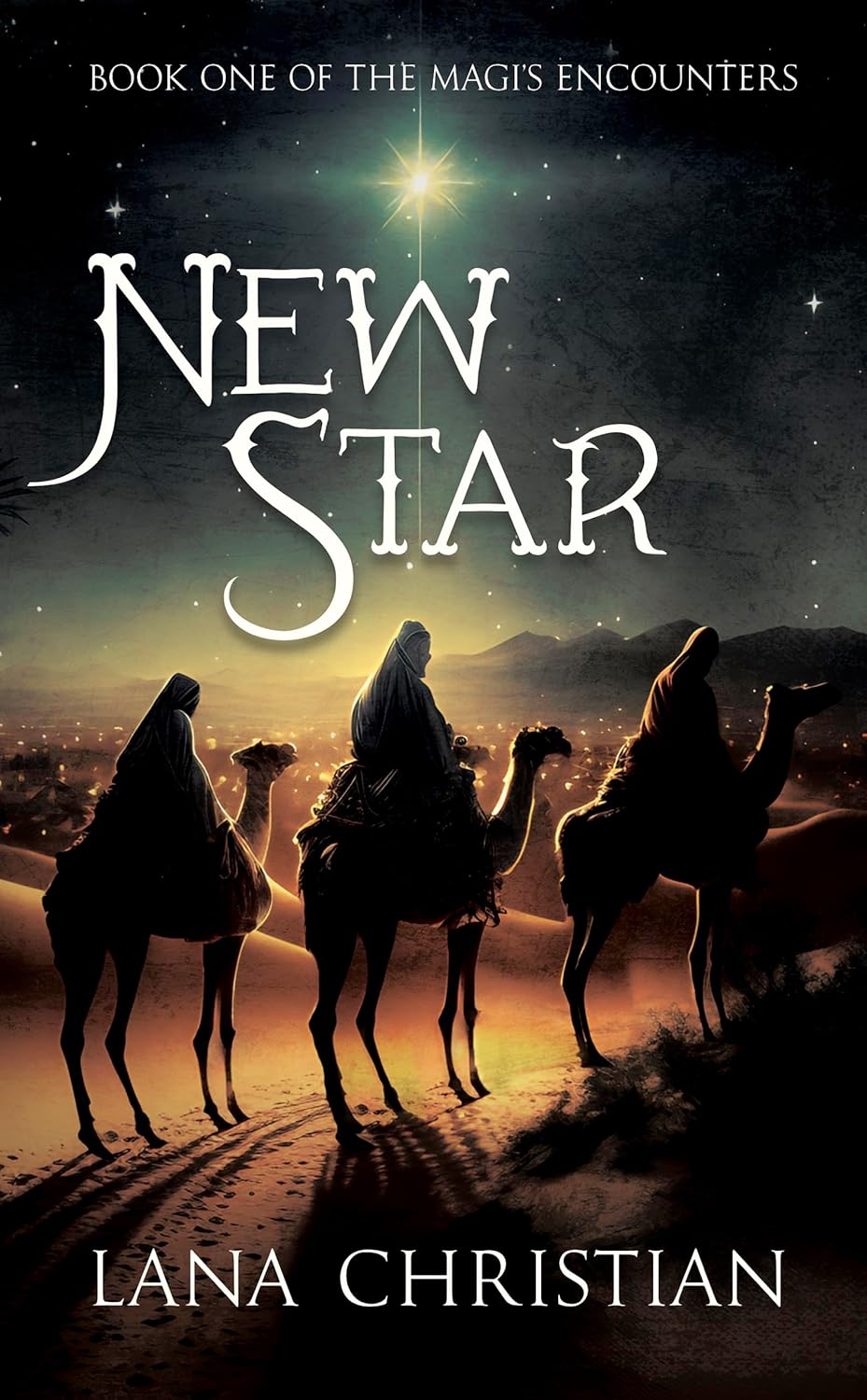

Lana Christian’s New Star is a deeply immersive and imaginatively told journey into the world of the Magi, the ancient priest-scholars of Persia. Set one year after the birth of Jesus, the story follows Akilah and his fellow Magi as they risk careers, reputations, and lives to investigate a mysterious star that could fulfill ancient Hebrew prophecies. Intertwining historical intrigue, political tension, and spiritual longing, the novel reimagines what led the Wise Men to embark on their fabled journey to Bethlehem. With richly detailed settings and layered characters, Christian blends biblical history and scholarly imagination into a fast-paced, thought-provoking narrative.
Reading New Star felt like stepping into a world I thought I already understood, only to discover how much more there was beneath the surface. I was surprised by how invested I became in Akilah’s pursuit. Not just of the star, but of meaning, legacy, and truth. The writing is clean and poetic without trying too hard, and the dialogue feels genuine. What stood out most to me was how Christian managed to make the inner world of ancient scholars, research, prayer, doubt, and conviction so emotionally engaging. The religious themes unfold naturally through the characters’ inner struggles and choices, making the journey feel as much spiritual as it is historical.
What I liked most was the courage these characters showed in a time when even asking questions could cost everything. The book is full of quiet moments that land like thunderclaps. There’s beauty in the smallest scenes. An old scroll, a firelit conversation, a whispered prayer. The novel doesn’t rely on action to drive tension, though there are plenty of intense scenes. It’s the emotional stakes that carry the weight. The book made me reflect on the cost of conviction and the bravery it takes to search for something bigger than yourself when the world says “stop.” Christian doesn’t shy away from that tension, and I admire that.
New Star is for anyone who enjoys historical fiction with heart and depth. It’s especially for readers who’ve ever wondered what really drove the Magi to leave everything behind. I’d recommend it to lovers of biblical fiction, of course, but also to skeptics and history buffs, anyone open to a story about risk, faith, and finding light in the dark.
Pages: 376 | ASIN: B0D9T1PW9W
Revenge of the Sisters-A Tale of Retribution
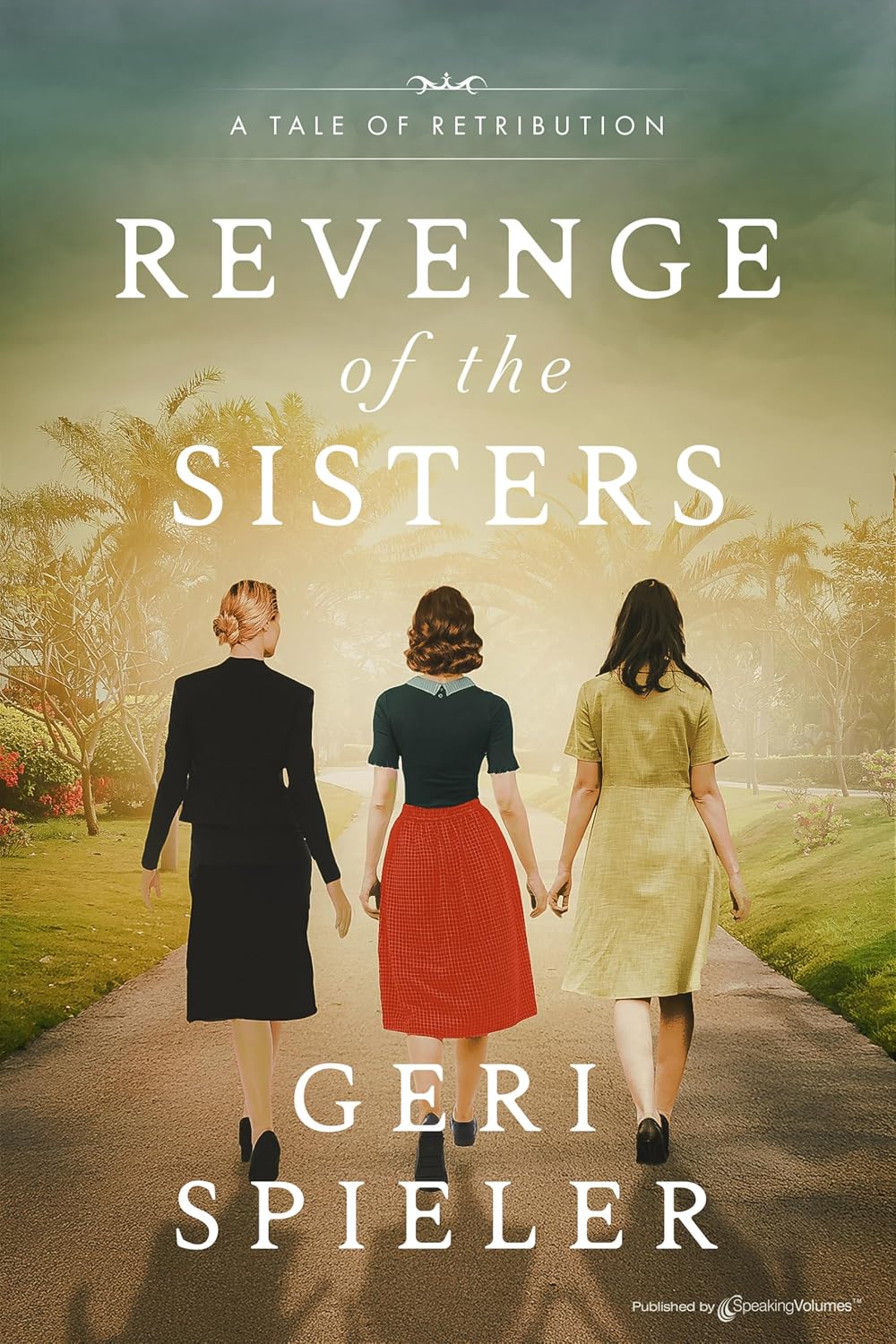
Geri Spieler’s Revenge of the Sisters tells the story of Rose, Josie, and Dorothy Butlaw, three fiercely determined Jewish sisters raised in a 1930s Los Angeles orphanage. Scarred by the injustice they faced in high school at the hands of elitist, antisemitic classmates and complicit school authorities, the sisters reconnect as adults with a shared thirst for retribution. Through schemes both subtle and bold, they attempt to reclaim the dignity, success, and justice denied to them. Intertwined with memories of their mother Regina’s sacrifices and strength, the novel becomes not just a tale of revenge but a portrait of resilience, family, and the quiet power of standing up for oneself.
This novel left me feeling both heartened and heartbroken. Spieler’s writing carries a rich emotional current, and I found myself easily pulled into the world of Vista Del Mar and the sisters’ inner lives. The language is simple but stirring, and the dialogue felt authentic, even endearing. The pacing, while occasionally uneven, allowed the emotional arcs to fully breathe. What struck me most was how raw and relatable the sisters’ rage was. Their pain simmered, slowly shaping their decisions and relationships. The revenge isn’t played for shock or sensationalism; instead, it’s strategic and grounded in the sisters’ deep need to feel seen and respected. It made me angry on their behalf and proud of their courage.
The villains, Claire, Ellie, and their entitled ilk, were intriguing, which is why I would’ve loved to understand their motivations more deeply, beyond the stereotypical rich bully trope. At times, the prose leaned toward explanation, but Spieler more than made up for it with vivid cultural details, especially her warm, textured portrayal of Jewish traditions, Yiddish phrases, and the food. The sisters each had distinct personalities, and their banter gave the story its warmth and bite.
Revenge of the Sisters is about justice, identity, and carving out dignity in a world that would rather keep you small. I’d recommend this book to readers who love historical fiction with a personal, emotional pulse. It’s perfect for those who enjoy stories about underdogs, sisterhood, and women quietly (or not-so-quietly) rewriting their own narratives.
Pages: 273 | ASIN: B0F3FGR339
One Night With Finnbar
Leo D’Lance’s One Night With Finnbar is a historical novel set in late 18th-century England, following the young aristocrat Martin as he prepares to leave his family estate to join the Royal Fusiliers. What begins as a reflective and somewhat humorous account of country life slowly unfolds into a deeply personal and emotional journey of identity, attraction, and transformation. At the heart of the story is Martin’s unlikely and intense connection with a stable boy named Finnbar, an ethereal, wild figure whose sudden appearance shifts the entire course of Martin’s life. Told with lyrical detail and a sharp eye for atmosphere, the novel weaves themes of class, repression, love, and liberation across a vivid historical backdrop.
The writing is immersive. The book takes its time, and I appreciated that. It’s not in a hurry to throw Martin into drama, but instead builds a world where things matter. The dialogue, too, had its own flavor. It’s clever and organic, full of tension and little moments of humor that make the characters feel real. But more than the writing style, it was the emotional honesty that drew me in. Martin isn’t always likable, and neither is Finnbar, really, but their flaws are human, and that made their bond all the more compelling.
There were also moments when the pacing slowed a bit. Some chapters seemed to linger on internal thoughts or minor domestic scenes. Still, I found myself drawn to the quieter emotional beats, the hesitation in Martin’s thoughts, the unspoken truths hanging in the air. The scenes between Martin and Finnbar crackle with tension, both sexual and social, and I admired how D’Lance didn’t flinch from the confusion, fear, and longing that come with forbidden desire in a rigid world. The book balances sensuality and restraint in a way that feels both grounded and poetic. It’s romantic, but also raw. Brave, but never melodramatic.
By the end, I wasn’t just invested, I was moved. One Night With Finnbar isn’t a sweeping epic or a battle-heavy war tale. It’s a story about moments, small choices that change everything. It’s about the ache of living in between what you want and what you’re allowed. I’d recommend this book to anyone who enjoys quiet but powerful historical fiction, particularly those interested in LGBTQ+ themes, character-driven stories, or slow-burn romance. It’s for readers who enjoy books that aren’t afraid to linger in difficult emotions or sit with the silence between words.
Pages: 346 | ASIN : B07QTC6SDX
Butterfly Games: A Novel of the Swedish Royal Court
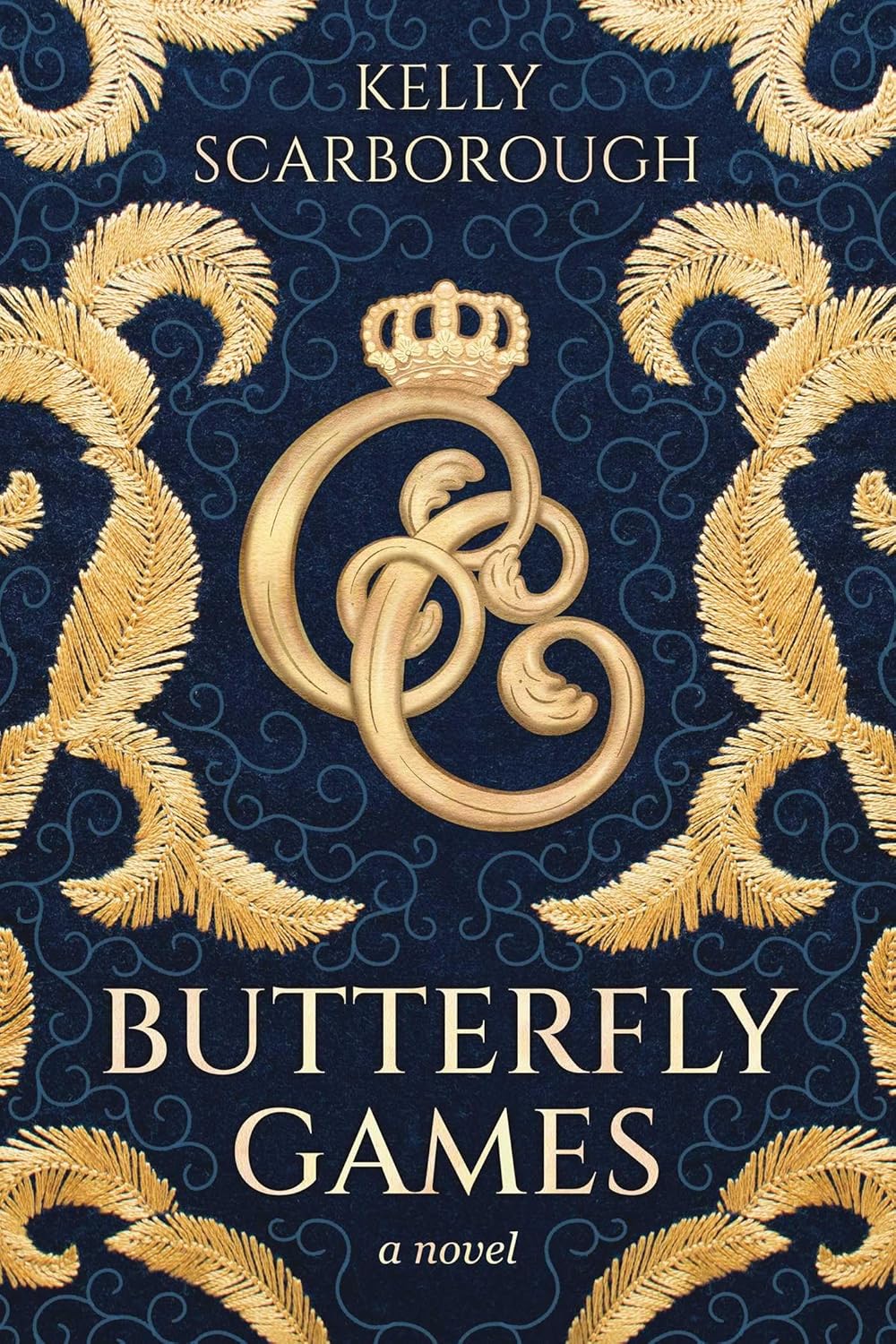
Europe in the early 1800s shimmered with luxury for the elite, yet beneath the gilded surface lurked danger, deception, and social ruin. Few know this duality better than Jacquette Gyldenstolpe, a young Swedish countess entangled in the glittering web of royal court life. At the heart of Butterfly Games lies Jacquette’s growing attachment to Prince Oscar, heir to the throne. His affection is returned in kind, but romance in royal circles is anything but straightforward. Secrets cling to Jacquette’s past, and her grasp of the court’s intricate social codes, known as the Butterfly Game, is tenuous at best. One misstep could mean disgrace. Or something far worse.
In Butterfly Games, Kelly Scarborough crafts a work of historical fiction that feels as lavish as it is perilous. The book leans into the elegance of Bridgerton, the stately tension of The Crown, and the shadowy power plays that recall Game of Thrones. Yet it is not merely derivative; it holds its own through vivid detail and sharp emotional insight.
Scarborough possesses a gift; she draws readers into this world with deceptive ease. Whether familiar with 19th-century Sweden or not, readers will find themselves immersed. Her prose doesn’t rely on heavy exposition. Instead, she layers atmosphere and character through action and dialogue, allowing the era to unfold naturally.
Jacquette, as a protagonist, radiates quiet strength and charm. Around her swirls a vibrant ensemble, each character drawn with precision. Prince Oscar may occasionally come across as lacking in dimension, but the court’s darker players, manipulators, schemers, rivals, more than make up for his shortcomings. These figures inject tension and unpredictability, driving the plot with palpable stakes.
Set pieces dazzle. The dialogue crackles. Twists emerge where least expected. The novel refuses to settle into predictability, favoring an unfolding mystery that remains grounded in emotional realism.
This is more than a historical romance. It’s a rich tapestry of ambition, identity, and survival. And while the genre often leans heavily on either character or plot, Scarborough achieves a rare balance, interweaving both with skill. Butterfly Games is proof that a well-told story can transcend category, appealing to lovers of history, drama, and good storytelling alike.
Pages: 256 | ASIN: B0FBLZMQHH



 LITERARY TITAN