Blog Archives
Life Magic Mastery for Moms
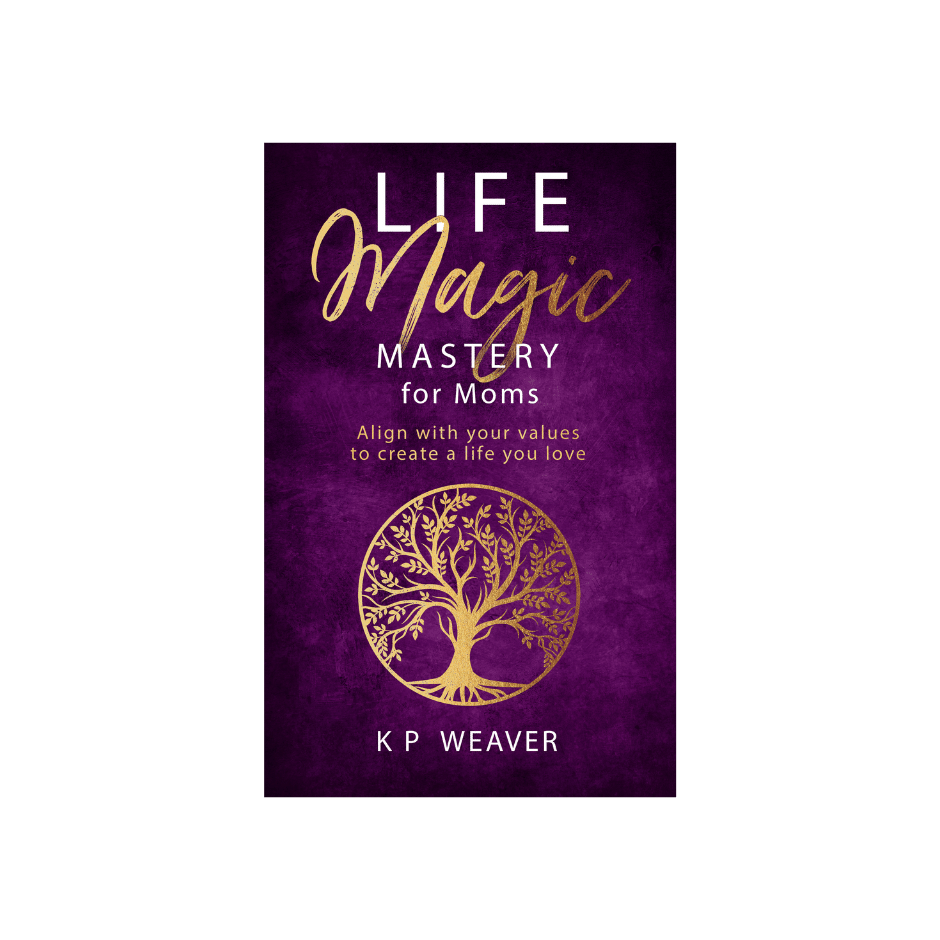

In Life Magic Mastery for Moms, K.P. Weaver presents a captivating and insightful guide that is perfectly tailored for mothers seeking to grow a deep bond with their children and improve their lives. This book delves into universal laws, such as the law of abundance, oneness, and the law of divine timing, encouraging mothers to trust in the universe’s plan and tap into nature for their success.
One of the book’s most powerful aspects is its emphasis on mindful parenting. Weaver highlights the importance of conscious connections with our children, emphasizing caring, communication, and active listening. By practicing mindful parenting, mothers can establish a profound bond with their children, fostering a nurturing environment that promotes growth and happiness.
The author also encourages mothers to prioritize self-care without feeling guilty. Weaver emphasizes the significance of taking care of oneself, recognizing that a mother’s well-being directly impacts her ability to care for her children. It also explores the power of intuition, affirmations, and manifestation. By visualizing the life they desire, mothers can tap into their innate intuition and manifest their dreams into reality. Having a positive mindset and the healing power of forgiveness are also stressed throughout the book. Weaver encourages mothers to embrace an abundance mindset, recognizing that there is enough love, joy, and success for everyone. Furthermore, she emphasizes the transformative nature of forgiveness, both towards others and oneself, as a means to heal emotional wounds and foster personal growth.
Life Magic Mastery for Moms is a highly recommended read for every mother out there. I highly recommend it for its ability to provide valuable guidance and inspiration to mothers seeking to create a magical and fulfilling life for themselves and their children. K.P. Weaver’s book offers a wealth of wisdom and practical tools that will undoubtedly empower mothers to create a life filled with love, joy, and abundance.
Pages: 275
We Learn Better Together

What was the idea, or spark, that first set off the need to write Power of Peers: How the Company You Keep Drives Leadership, Growth, and Success?
During a company rebranding initiative for Vistage Worldwide in 2013, we asked CEOs and business leaders how they approached learning, growing, and bringing new ideas to their companies. To a person, we would hear responses such as, “I read books, listen to podcasts, have a coach, hire consultants, attend events and conferences, engage in executive leadership development programs at places like Harvard and Stanford, etc.” No one identified peer advisory groups or forums as being in their consideration set. We understood the power of peer advisory groups for business leaders, yet we know that when you compare the number of leaders who are in groups to those who could be, the gulf was massive. Rather than write a hardcover brochure, so to speak, about Vistage, we aimed higher. We approached this from a category perspective, examining peer advisory groups everywhere so that our readers could see the value, decide if it’s right for them, and join the group that best meets their needs.
What were some ideas that were important for you to share in this book?
Who you surround yourself with matters,
We learn better together.
Together, we give each other the courage, encouragement, and confidence to apply what we learn.
No one who succeeds in this world does it alone.
The good news is you don’t have to.
What is a common misconception you feel people have about peer relationships?
Two things: First, I can’t learn from my peers because they don’t know any more than I do. Second, I can’t learn from people who work outside of my industry sector. It doesn’t take more than reading our book or going to one peer advisory group meeting to dispel both of these misconceptions.
What is one thing you hope readers take away from your book?
We would like people to see the value of peer advisory groups – how they can help the readers and make the world a better place.
Author Links: GoodReads | Twitter | LinkedIn | Facebook | Website
Visibility Mindset
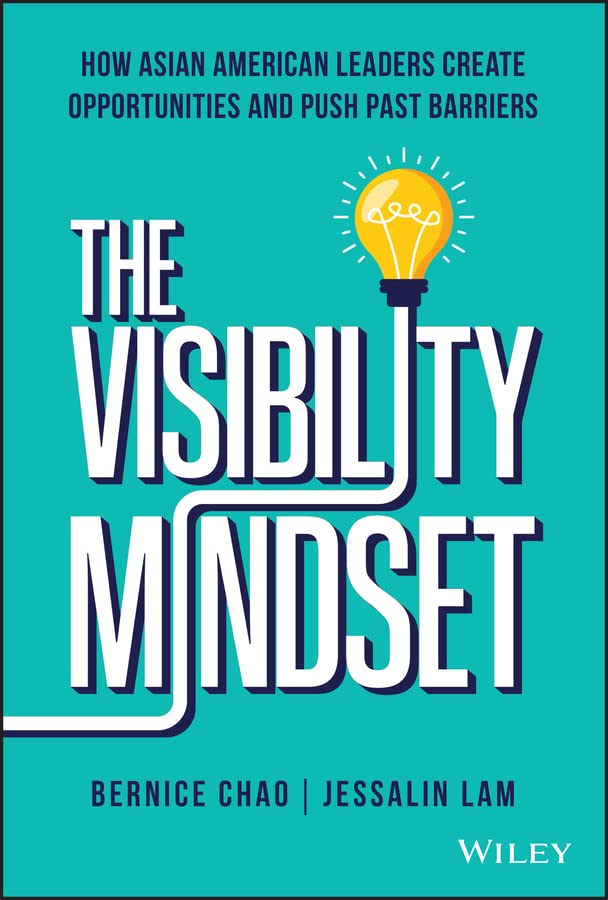

In “The Visibility Mindset: How Asian American Leaders Create Opportunities and Push Past Barriers,” authors Bernice Chao and Jessalin Lam offer an authentic portrayal of Asian Americans, their leaders, and the significant impact they have on their communities. Drawing from their personal experiences and acquired wisdom, Chao and Lam present a balanced perspective, acknowledging both their Asian and American identities and exploring how minority status can either empower or hinder individuals.
The book begins with an engaging introduction that effectively dispels common stereotypes, myths, and misrepresentations of Asian Americans in the United States. This enlightening section sets the stage for the reader to fully appreciate the book’s content.
Structured into three parts, “The Visibility Mindset” covers a range of topics that are both informative and well-presented. Part one delves into self-improvement, encouraging self-reflection through the authors’ personal stories. It inspires readers to step out of their comfort zones and embrace personal growth by building their brand, recognizing their worth, and prioritizing mental health.
Part two focuses on cultivating social connections and enhancing interpersonal skills. Particularly noteworthy is the comprehensive chapter on networking, in which Jessalin Lam offers valuable insights from both an Asian and mainstream American perspective. Key takeaways include the importance of claiming one’s space and honing communication abilities.
The book’s final section serves as a call to action for corporations and organizations, addressing the challenges faced by Asian Americans in professional settings. Topics such as inclusion, diversity, and equality are discussed with a positive tone, providing practical suggestions for individuals to excel in the workplace.
As prominent leaders in the Asian American community, Bernice Chao and Jessalin Lam have assembled a wealth of information in this useful book. The firsthand accounts provide an accurate depiction of the current situation and offer potential solutions for improvement. Although the primary focus is on the Asian American community, the book resonates with many minority groups, allowing them to feel acknowledged and understood.
“The Visibility Mindset” is an insightful and thought-provoking read that I highly recommend.
Pages: 212 | ASIN: B0BLY7HBG8

This New Life Stage

The Happiness Habits Transformation: Second Edition is a self-help book that teaches readers how to change their daily routine in order to find more happiness in their lives. Why was this an important book for you to write?
I know from my own experience and from speaking with many, many women, that our daily routines are often based on what everyone else needs. I also know that even if we recognise something has to change, as I did, it’s difficult to carve out time for ourselves in between our responsibilities. So I wanted to share the simple and practical 8-step path I used to intentionally create a routine with habits that are proven to boost our everyday happiness. It was also important to me to show, in this new edition, how I’ve adapted these ‘happiness habits’ that continue to support me through perimenopause, in the hope that it helps other women who might be in the same place, navigating the shifting priorities and challenging changes that happen in our bodies and minds as we enter this new life stage.
I appreciated the candid nature with which you told your story. What was the hardest thing for you to write about?
The backstory in chapter two and parts of the new chapter about my perimenopause journey were both challenging to write. They both reveal times in my life when I felt emotionally raw and broken and reliving them brought back a lot of the emotional issues I experienced. I had to take a step back from time to time, but I knew that I wasn’t alone in experiencing a traumatic birth experience, having to close my business, or feeling lost and confused during perimenopause and the hope that it would help others who had similar experiences to move forward was a powerful motivator to complete these parts of the book.
What is one piece of advice someone gave you that changed your life?
One of the best pieces of advice I’ve heard came from life coach Brendan Burchard who said “if I was to look at your calendar, would I see what’s most important to you on it?” I never forgot that advice and use my calendar strategically to prioritise what matters most to me, blocking out time specifically for my biggest goals rather than just writing things down in a list.
What is one thing you hope readers take away from your book?
That it’s ok to take time out for ourselves and that the habits which make up our daily routines CAN make us happier if we’re intentional about choosing the ones that serve us – habits that allow us time to focus on US, release us from the habit of negativity, boost our self-esteem and help us plan out and live our biggest, most exciting dreams!
Author Links: GoodReads | Twitter | Website
So often our routine is based on what everyone else needs. Our work and family life fill our days up to the brim and we squeeze in what we can for ourselves in between. And, if we’re totally honest, in the dim hours when the truth seeps out between the cracks, we realise we might have lost ourselves a little along the way.
In The Happiness Habits Transformation, former life coach Michelle Reeves urges us to take a time-out (without feeling guilty about it) to rebuild our daily routine into one that serves us – one habit at a time.
Through her personal experience of depression and how she rebuilt her life through a combination of 8 simple happiness habits, you’ll discover how you can create a simple routine with time to focus on YOU, release yourself from the habit of negativity, boost your self-esteem and dream and plan out your biggest, scariest and most exciting goals.
You’ll learn:The power of each of the 8 Happiness Habits and how they can impact your life – backed up by easy-to-understand research studies
Two terrific tools to boost your positivity in minutes
How to use habit strategy to create a simple daily routine from the habits that fits your life and ensure they become habits and not just another resolution you’ll eventually quit
How others have woven the habits into their lives and how they’ve benefited with real-life case studies
*New for the second edition*: Michelle explains how these habits continue to support her as she navigates a new season of her life through perimenopause and beyond, and shares success stories from others who have woven the habits into their own routines.
Filled with real-life examples, the encouragement and guidance of this book will not only help you transform the way you live your life each day but also allow you to take these habits on board to forever change your life for the better.
Start your Happiness Habits Transformation today – scroll to the top of the page and select the BUY NOW or ADD TO BASKET button.
A Good Woman Is An Investment
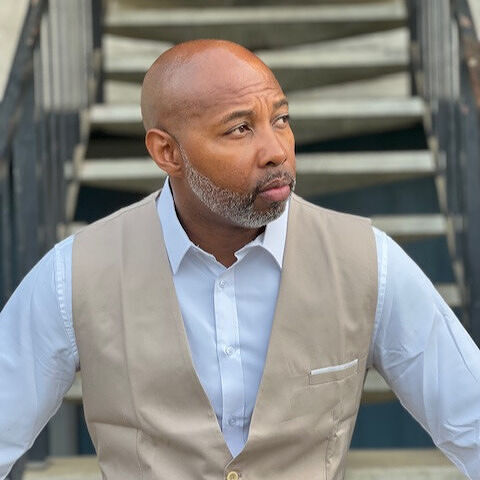
The Mental Fight of Your Life shares with readers practical solutions on how to deal with challenges in marriage using Christian values. Why was this an important book for you to write?
This book was essential to me as I looked up stats, and there is an awful large amount of single women in their thirties, and forty’s that I know personally. I said to myself, it’s not that hard to find someone or if you’re a woman to be found, so I did some research and interviews, and I realized that we as men needed to find ourselves and learn to be men again. The Bible says that the man is the head of the house, and That comes with great responsibility, so the idea to fight against anything that causes a man to want to give up hence the creation of this book.
What is a common misconception you feel people have about marriages and their success?
The misconception is that marriage is just a piece of paper. You see, so is money. However, we get up daily and work hard for it. Why not your marriage? I read a stat that says men live longer lives when married, and that says a lot. A good woman is an investment, but it’s up to the man to find a good one, not just someone he wants to sleep with.
What were some ideas that were important for you to share in this book?
It was very important to share that we both must love self. You cannot begin to fully love others if you don’t love yourself. Self-love is very important.
What is one piece of advice you wish someone had given you when you were younger to help you with your relationships?
I wish someone would have told me that when you love, you would have such a fight on your hand to keep the passion alive. When you are young, you only see the beginning stages of a relationship, but once you get one and the butterflies leave, you must fight to keep the love going.
Author Links: Amazon | GoodReads
Look no further!
Are you looking to understand how to enter into a healthy relationship? Are you unsure what dating and marriage hold and want to learn?
The MENtal Fight Of Your Life offers the tools and advice needed to grow, understand, and stay together!
This book meets both men and women where they are on their relationship journey—using insights regarding masculine vs feminine roles. By speaking directly to young adult men as they mature, this guide shows how to be a real man, the importance of perseverance, the value in loving their wives, and how to understand and connect with the one they love.
Learn strategies for men that help them appreciate women’s needs and lessons for women about sacrificing for the sake of love!
With so much included in these pages, readers can gain a broader knowledge of relationships before embarking on their forever journey or have more insight should difficulties arise along the way!
No matter your current relationship status or questions; if you’re ready to invest in yourself, The MENtal Fight Of Your Life is a must-have guide that will help navigate any waters between loved ones!
I Write To Share Something True
Surf the Seesaw: Unconventional Essays on Balance, Beauty, and Meaning in Life shares with readers your insights on how to build a purposeful life with less drama and achieve a life balance. Why was this an important book for you to write?
All writers, whether fiction or non-fiction, write because they have seen something important about reality and they want others to see what they have seen. That is certainly true of me; I write to share something true.
I think fiction attracts us especially with its elegant use of narrative and its indirect approach to revelation. Often times in comparison, non-fiction is terribly boring and intolerably preachy. So, though Surf the Seesaw is clearly a non-fiction work, I’ve tried to incorporate the features of fiction literature that I love: the narrative scene-setting and the indirect approach to revelation that allows the material to morph uniquely in each reader’s mind.
What were some ideas that were important for you to share in this book?
Well, that is a question worthy of roughly 220 pages! In a nutshell, I would say that I wrote the book with my children and grandchildren in mind, with the idea of sharing a few handfuls of key concepts that when properly understood can transform a human lifetime into something spectacular – something with so many positive consequences that the universe’s norm of entropy will have a hard time erasing the evidence of the person’s existence.
What is one piece of advice you wish someone had given you when you were younger?
You can do hard things. In fact, most of the worthwhile things on which you can choose to spend your time are hard things.
In western culture, we glorify the natural gift and the extraordinary imagination, which programs many young people that life is supposed to be easy. Human beings evolved to tackle immense challenges and reshape our world to our vision – through the hardest of efforts. But, the culture’s present obsession with imagination and natural skill can turn a young human of near limitless potential into something more akin to water: lazily flowing to the lowest point.
I wish I had been exposed to the power of tenacity and discipline earlier in life. But, the good news is life taught me those lessons anyway – albeit in a more painful way.
What is one thing readers take away from your book?
The magic is in the middle. Extremes are almost always destructive, but for various reasons human beings are blindly attracted to extremes. Surf the Seesaw is full of stories on a wide variety of topics, but most of them share the common thread is active balance: the most productive and harmonious solution to important challenges is to operate in a zone in which we constantly, actively balance two ideas in tension with one another. To maintain active balance is to turn tension in to power, like in a dynamo.
That is actually the source of the book’s title. Surfing the seesaw is standing on top of the seesaw with each foot on opposite sides of the fulcrum, and actively working to keep both seats in the air. It’s one of my favorite memories from childhood, and it captures visually the core idea of the book.
Author Links: Twitter | Facebook | Website
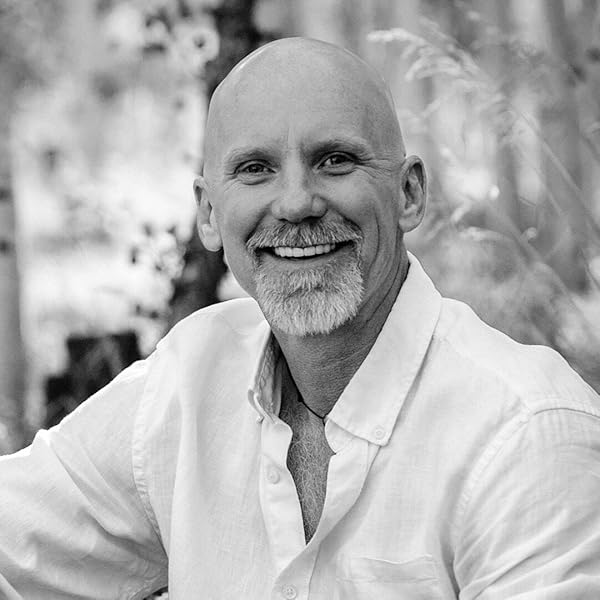
Profiled in Forbes at age 30, Davis stunned the business world when he walked away from the executive suite to spend years exploring the world.
And, in Surf the Seesaw, Davis shares his unique life experiences through which he observes key concepts that drive the world in which we live—the common theme being active balance.
Inspired by his life and adventures, this collection of 30 thoughtful essays provides profound insight on a wide variety of topics including:
Human nature and in particular some common misconceptions about how our brains work
Relationships and how to cultivate healthy ones without losing ourselves in the process
Decision-making and a few bad assumptions at the root of many regrettable choices
Positive parenting to raise kids that will amaze you
The meaning of life and specifically how we can create meaning in a universe dominated by chaos
Each entertaining essay concludes with an invitation to put core concepts into action, so that you can work toward more effective behaviors. For anyone searching for lasting satisfaction and meaning in their life, Surf the Seesaw offers the essential toolkit needed to create balance, accountability, and greater happiness.
Empower And Inspire Individuals

A Path to Excellence shares your insights gained from personal experience and research that can guide readers to creating their best possible selves. Why was this an important book for you to write?
In today’s fast-paced, uncertain, and competitive world, many people struggle to find purpose and direction in their personal and professional lives. Many end up giving up, abandoning their goals, and giving in to despair. I have seen firsthand the impact that anxiety, fears, doubts, stress, and a lack of clarity, direction, and purpose can have on individuals and organizations. Furthermore, people feel uncertain about which path to take, especially when they know it’s a life-changing decision!
What choices and decisions we make now as we navigate the challenges presented by the eight inevitable cycles of life: transition, regeneration, focus, rebirth, balance, service, unity, and infinity matter for the future we collectively are creating. By writing A Path to Excellence, I aim to provide readers with hope and a clear roadmap for achieving success in their personal and professional lives, unlocking their full potential, and achieving their goals. To inspire readers to aim high and persevere when the tough gets going so they can reach greater heights.
A Path to Excellence was an essential book for me to write because I was called to offer practical advice and strategies for overcoming these challenges and achieving excellence in all areas of life; thus, each of us can exemplify high human potential. The insights and strategies presented in this book can transform lives and help people take control of their lives and achieve success across all the critical areas of life.
Ultimately, my goal in writing A Path to Excellence is to empower and inspire individuals to pursue excellence because it is a key driver of success and fulfillment in both personal and professional endeavors. When we strive for excellence, we are intrinsically inspired to continuously improve ourselves, our relationships, our skills, our service, and our performance.
This drive for excellence can lead to several benefits, including:
- Increased Productivity: Pursuing excellence requires hard work and dedication. We are more likely to be productive and efficient when focused on achieving excellence.
- Greater Satisfaction: When we achieve excellence in our work, we feel a sense of accomplishment and pride. This can lead to greater satisfaction and fulfillment in our personal and professional lives.
- Improved Reputation: Pursuing excellence can help us build a strong reputation as someone committed to quality and performance. This can lead to greater opportunities for career advancement and success.
- Increased Confidence: When we achieve excellence in our work, we develop confidence and self-assurance. This confidence can help us take on new challenges and pursue new opportunities.
- Competitive Advantage: Pursuing excellence can give us a competitive advantage in the marketplace. By consistently delivering high-quality work, we can differentiate ourselves from competitors and attract new clients and customers.
Pursuing excellence is important because it can help us achieve our goals, build our reputation, and lead to greater satisfaction and success in our personal and professional lives. As a transformational life and business coach and consultant, I encourage my clients to embrace a culture of excellence and to strive continuously for improvement in all critical areas of life.
The cover for this book is interesting. How did you create the cover for A Path to Excellence?
The infinity symbol is often associated with timelessness, limitlessness, and endless potential. In the context of excellence, the infinity symbol on the book’s cover represents the idea that excellence is a continuous journey with many stages rather than a destination and that there is always room for growth and improvement.
The number eight is also significant in many cultures and belief systems and is associated with success, abundance, and achievement in numerology. The number eight is considered lucky in Chinese culture because it resembles the Chinese character for “prosperity.” Additionally, the eight cycles of life refer to the idea that life is a series of stages or phases, each with its challenges and opportunities for growth.
The rainbow colors on the cover relate to personal development in several ways. Each rainbow color has a unique energy and symbolism that can be applied to excellence. They provide a framework for understanding and working with different aspects of the self. By tapping into the symbolism and energy of each color, individuals can cultivate a deeper understanding of themselves and their personal development journey.
What were some ideas that were important for you to share in this book?
The importance of mindset: Developing a growth mindset and positive attitude can be crucial for achieving excellence. This includes learning to embrace failure, staying inspired, and maintaining a sense of optimism even in the face of challenges.
Goal setting: Setting clear goals and developing a plan for achieving them is essential to personal development and achieving excellence. This includes identifying specific, measurable, and achievable goals, developing a plan to track progress, and making adjustments as needed.
Self-awareness: Developing a deep understanding of oneself, including strengths, weaknesses, and areas for improvement, is a crucial component of personal development and achieving excellence. This includes learning to identify and overcome limiting beliefs and behaviors and developing a sense of self-awareness that allows for continuous growth and improvement.
Continuous learning: Pursuing continuous learning and skill development is essential for achieving excellence. This includes seeking out new experiences, learning from mentors and experts, and developing a habit of lifelong learning.
Perseverance: Developing the ability to persevere in the face of obstacles and setbacks is a key component of achieving excellence. This includes developing resilience, learning to bounce back from failure, and staying motivated and focused even when the going gets tough.
Overall, A Path to Excellence likely includes a range of ideas and strategies for personal and professional development and achieving excellence, focusing on using the eight steps of the octagon of excellence method to develop the mindset, skills, and habits needed to succeed in any endeavor.
What is one thing readers take away from your book?
One thing readers will take away from reading A Path to Excellence is a proven roadmap for enhancing and growing their spiritual, mental, emotional, physical, relationship, social, career, business, financial, and leadership life. They can use the Octagon of Excellence method to develop a growth mindset and strategic focus, take ownership and accountability for unlocking their fullest potential, and achieve success, greater well-being, and fulfillment.
Author Links: GoodReads | Readers Favourite | Amazon UK | Amazon US | Twitter | Instagram | YouTube | Facebook | Website
Are you tired of settling for mediocrity? Do you want to become the high-achieving person you know you can be? Are you ready to let go of your limiting beliefs and step into the prosperous, successful, and fulfilled life you know you are meant to have?
If so, A Path to Excellence is for you.
Thoroughly researched with authentic advice and ground breaking strategies, this illuminating blueprint for self-mastery invites you on a journey to realize your full potential, clarify your vision, and dare to achieve your dreams.
Inside, you’ll join #1 bestselling, award-winning author, Tony Jeton Selimi as he reveals a proven path to achieving the highest levels of personal and professional excellence. Like a phoenix rising from the ashes, Tony went from living homeless and penniless as a victim of civil war, to becoming a self-made millionaire and internationally recognised authority on emotional intelligence and maximising human potential.
Built on his critically acclaimed The Octagon of Excellence Method, this book breaks down Tony’s 30 years of experience into an easy-to-digest blueprint, challenging you to step beyond your limits and become the master of your destiny.
Inside, you’ll discover:
• The Eight Essential Components of Human Excellence
• How to Go Beyond Your Perceived Limits To Face Your Doubts, Excuses and Fears Head On
• A Step-By-Step Path To Address Challenges Mindfully, Overcome Distractions and Sharpen Your Focus
• The Exact Actions to Take to Break Free From the Internal Barriers That Are Preventing You From Achieving Your Full Potential
A must-read for anyone who dreams of creating a rewarding and meaningful personal, professional, and business life, A Path to Excellence will quickly become the key you need to realize your true vision of excellence.



 LITERARY TITAN