Blog Archives
Snapshots in Time

Random³ Musings is your candid collection of reflections, rants, and remembrances that blend humor, grief, and unfiltered commentary into a conversation both raw and relatable. Why was this an important book for you to write?
In some ways, it is a therapeutic effort; I look back periodically to review the reasoning and logical thinking, or in some cases, the emotional responses I had recorded. It is important, I think, to encourage readers to engage in their own thoughts and develop their own.
Which section or story was the most difficult for you to write, and why?
In Passing, as it was entirely personal, with some recently passing and the ongoing sorrow of an estranged son.
You admit your biases openly in the book. How do you hope readers with different viewpoints will respond to that honesty?
I don’t have any expectations of a warm reception to some of them, as our current culture is rather explosive and expressed in the worst ways possible. To those who read past the chapter titles and the first few paragraphs, I hope I convey genuine thought or opinion. There are a few chapters I openly poke fun at or poke the bear, as it might be received.
Looking back, do you see Random³ Musings more as a journal of personal growth or as a snapshot of your voice in a particular moment in time?
A little of both, it can be said that all three books in this series are snapshots in time. I do see movement in the three titles, and growth, more growth may come as I review again over time and compare where my thinking has led me to conclude. Thank you for the interview questions, as they most certainly cause me to ponder these things and gather my thoughts that are more current and timely.
Author Links: GoodReads | Facebook | Website | Amazon
As we continue to review, rationalize, and tackle some of what gnaws at us, it is suspect it does to some extent for each of us. It is a worthy effort to go back and revisit these mental exercises in thought when something doesn’t seem to fit or conflicts with thoughts previously resolved. It is healthy and fuel for growth to give weight to questioning such matters of importance. Sometimes these matters evolve, mold, and change. Other times it is our depth of rationalizing and understanding that has changed.
Have Fun With Your Fandom


How to Celebrate Your Fandom is an interactive guidebook structured around 52 activities designed to help fans of any age dive deeper into their chosen fandoms, showing readers that you are never too old to find your passion. What was the inspiration for the original and fascinating idea at the center of the book?
NICHOLAS SEIDLER: We had an experience at a convention, in which we went to a panel on fanzines, and the presenters at the front of the room were talking about how difficult it is to make one. I was honestly totally disappointed in the panel, because doing a fanzine is as simple as writing down your thoughts on a piece of paper, making copies of it, and sharing it with others who are interested in the same topic. The point of entry should be so simple and available to everyone, but the fanzine editor presenters — in an attempt to make themselves a bit self-important – were giving bad advice to the audience. It actually demotivated the new and younger fans in attendance. After that panel, we had a conversation about how we needed to give fans better advice and encourage anyone to be a part of whatever fandom they are interested in!
STEVEN WARREN HILL: Together, we all became friends through our shared interest in several fandoms. We sought to express our enthusiasm for promoting “best practices” among fans by fostering positivity, encouragement, representation, and camaraderie, while rejecting the negative aspects of certain portions of fandom.
LIBBY SHEA: When I was brought into the project, the original idea for the title was “How to Be a SuperFan.” To me, that felt like we were setting a “higher level” of fan, which could very easily be used to separate and discourage those that may already feel excluded. All I could think of is 8-year-old me being told “Oh, you aren’t a superfan because you haven’t done everything in the book” and that set a negative tone for something that we all wanted to be very positive. So, we transitioned away from putting a label on fans to focusing on how to be more involved in what you enjoy. All of us (the authors) have become friends by being in the same fandom and celebrating what made our friendship as strong as it is, is the core of what inspired this book.
ROBERT WARNOCK: We’ve seen too much negativity in fandom over the years. We wanted to write something that was inclusive and non-judgmental, especially if someone was just starting out in their fandom.
What were some ideas that were important for you and the other writers to share in this book, and how did you come up with the activities you suggest?
ROBERT WARNOCK: It was important to keep the activities at the beginning fairly simple, so we didn’t intimidate new fans. We started thinking of activities in a brainstorming session at a convention.
LIBBY SHEA: Because this is a book aimed primarily at kids, teenagers, and those just entering into the fandom space, we really wanted it to be a guide of how to be an overall positive influence in fandom. So often you hear of fans taking it too far and forgetting that everyone they interact with are still people. The activities are there to give you a starting place. We originally came up with over 100 ideas, but wanted to focus on 52, so that you could do one a week for a year and allow yourself to deep dive into your fandom. They are in order from easiest to (our perceived) most difficult to complete. When coming up with our final list of ideas, we tried to keep in mind what it would actually look like for a younger child to complete them. We kept the ideas generic enough so that if you had limited money or resources, you could still have fun and feel like you’re a part of something.
STEVEN WARREN HILL: Coming up with the ideas was a lot of fun. Some of the ideas stemmed from odd things we did ourselves when younger. Once we had a long list of ideas, we grouped them in several different ways (such as by difficulty, and how much we liked each one) and also eliminated the ones that were too similar to others. As Libby said, we decided the final list should number 52, so they could be weekly goals, adding another functional facet to the book.
NICHOLAS SEIDLER: We also realized that fandom was a very broad topic – and we wanted to give advice that applies to them all. Whether someone is a bibliophile, a sci-fi fan, interested in gaming, likes to cheer for a sports team, enjoys horseback riding, music, or whatever, the advice in the book applies to their interests. We chose to select activities that everyone can do, regardless of ability, and they become more complex further into the book, as a person’s fandom and experience grows.
What are some tips you have for older generations that are just now learning to embrace the world of fandom and feel behind the curve from the younger generations, or even like a fraud for not being involved sooner?
LIBBY SHEA: It’s okay that you found your fandom when you did. It’s not about younger or older, and it’s not about how long you’ve been in the fandom. Everyone walks different paths to get to where they are. What matters is how you show up to engage today. Feel safe and confident in the knowledge that you are a fan now and that’s all that matters.
STEVEN WARREN HILL: I used to bristle somewhat at younger people joining the same fandom that I’ve been in for decades, for the usual flawed reasons, until I realized that without young people joining my fandom, the fandom would just keep aging until it died. We need to remember, first and foremost, that if someone says they are a fan of something, then they ARE, even if they enjoy it in a different way. Conversely, for older people who have privately been fans of something and are only just stepping into fandom, my number one tip is to treat all your fellow fans as equals, regardless of anything, especially their age or the extent of their knowledge.
ROBERT WARNOCK: It’s never too late to get started. Your involvement can be as immersive as you want it to be. Be observant early on in your involvement to get a lay of the land, so to speak.
NICHOLAS SEIDLER: Be your authentic self. If you love something, own it – most people will love you for it. It’s our interests and fandoms that make us interesting.
What is one thing that you hope readers take away from How to Celebrate Your Fandom?
LIBBY SHEA: Everyone has to start somewhere. When you finally get to the point of feeling fully immersed in your fandom, embrace others who are just starting out, pass this along to them, and join in their journeys.
ROBERT WARNOCK: That anyone can be involved in whatever fandom they choose, at whatever level they choose.
STEVEN WARREN HILL: That it’s okay to focus on positivity! Not just the positivity of your specific interest, but positivity among your fellow fans and across other fandoms.
NICHOLAS SEIDLER: And have fun. We interviewed over 30 fans from ages 5 to 101 years old (their interviews appear in the book) and that was the advice they each shared with us — have fun! I think that’s what our book is all about.
Author Links: GoodReads | X | Facebook | Website
Fandoms build friendships and communities through many engaging activities. With the help of this book, you can learn new ways to enjoy being a fan. Inside are numerous pathways that one can connect with others with similar pursuits! Whether it is through starting a collection, dressing in cosplay, writing a blog, or attending a convention, each of these brings happiness to those who participate.
This book also contains interviews with fans of all ages (5 to 101), who tell their stories and share how they participate in their hobbies. Celebrate your fandom and the things that you enjoy the most! Fun Things to Do! New Things to Learn! Cool Things to Try!
How To Celebrate Your Fandom


How to Celebrate Your Fandom is both a guidebook and a love letter to the communities that form around shared passions. It is structured around 52 activities designed to help fans of any age dive deeper into their chosen interests. From writing an elevator speech about your fandom, to hosting watch parties, making crafts, or even creating charity projects, the book celebrates creativity, connection, and joy. The later sections include interviews with fans of all ages and backgrounds, showing just how wide and welcoming fandom culture can be. The tone is encouraging, lighthearted, and inclusive, with constant reminders that there is no “wrong” way to be a fan.
I loved the spirit of this book. It feels like a big hug from the fandom world, the kind of thing that makes you smile while reading. The writing is simple, but it’s clear that the authors want everyone to feel included and safe. I especially liked the emphasis on kindness and respect, because fandoms can sometimes get messy. The little tasks are fun and surprisingly practical. Even something as small as decorating a bag with fan art or sending someone a compliment reminded me of why I fell in love with my own fandoms in the first place. It’s not just about stuff. It’s about joy, and that comes across on every page. The charming sketch artwork scattered through the book gives it a playful, handmade feel that makes the whole thing warmer and more inviting.
Some of the activities, like “put a photo of your fandom on your phone wallpaper,” made me smile because I already do that without thinking twice. But then I realized that’s part of its charm. The book isn’t about reinventing fandom, it’s about celebrating even the small things. It’s almost childlike in tone, but there’s a sincerity here that cuts through cynicism, and in a world that’s often harsh, that kind of sincerity is refreshing.
I think this book would be a wonderful fit for younger fans just starting out, or for families who want to share fandom activities together. It’s also a sweet pick for anyone feeling jaded and looking for a reminder of why being a fan matters. If you’ve ever cheered too loudly at a game, cried at a show finale, or stayed up way too late talking about your favorite character, you’ll find something here that sparks a smile. It’s not heavy reading, but it is heartwarming, and sometimes that’s exactly what we need.
Pages: 135 | ASIN : B0DGN4VSLK

Random Musings of the Left Hemisphere
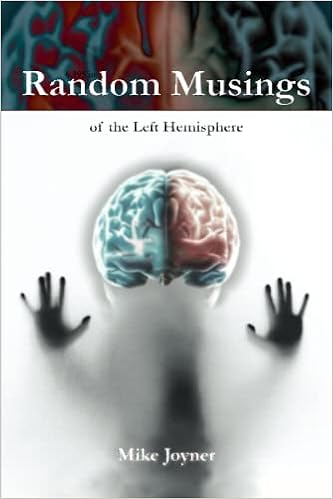
Random Musings of the Left Hemisphere by Mike Joyner serves as a comprehensive anthology of his reflective insights on a myriad of political and social issues currently permeating the United States. Joyner critically examines the cultural trend of “woke-ism” and the embracement of progressivism, contending that such movements are, paradoxically, regressing American society towards historic European models of governance that our nation’s founders fervently resisted.
The book casts a wide net, exploring topics such as the Covid-19 pandemic, gun violence, the controversial Florida voting incident, impeachment, perceived leftist privilege, the Black Lives Matter movement, and even personal anecdotes like ‘Grandpa’s dating rule.’ By incorporating elements from his personal life, Joyner forges a human connection with his readers, fostering a relatable and engaging atmosphere.
True to its title, the book is a rich tapestry of diverse thoughts, presented in succinct chapters that streamline reader comprehension while maintaining their engagement. Joyner’s profound passion for the well-being of his country and its citizens is palpable in each chapter. His candid and bold commentary, driven by his desire for a safer and fairer nation, is both refreshing and thought-provoking.
One particularly poignant chapter sees Joyner express a deep-seated protective instinct, asserting that as a father, grandfather, and husband, he would courageously place himself between a child and danger, mirroring the heartbreaking sacrifice made by teachers during the tragic incident in Florida.
Readers concerned about the future trajectory of the United States will find Joyner’s book an enlightening and conversational read. Amid an era characterized by cancel culture and a lack of tolerance for divergent views, Joyner fearlessly articulates his perspectives on where he perceives the nation is faltering and how it can strive toward improvement.
Random Musings of the Left Hemisphere offers an insightful exploration of contemporary American issues. While Joyner’s views might not resonate with everyone, they undeniably provoke thoughtful consideration. Regardless of one’s political orientation, this book provides an invaluable opportunity to enhance understanding of current American challenges and the complexities of its political landscape.
Pages: 122 | ASIN : B0C2WMQNHH

Peace, Joy and Love: Christmas in Africa

Author and traveler Terry Lister brings back the true meaning of Christmas in Peace, Joy, And Love: Christmas In Africa. In this short page-turner, we go on a journey across Africa and discover the Christmas traditions of African countries. From folklore-based traditions to unique holiday cuisine, there is something to learn on every page. Throughout the book, we are reminded of the true Christmas spirit and how to reshape how we view and celebrate the holiday.
We often forget that Christmas is more than Black Friday shopping sprees, taking pictures at a mall, and opening lavish gifts on a random December morning. If I could sum up the impact of this book in one word, it would be “enlightening.” Lister lays bare the wholesome, unique, and sometimes overly simplistic traditions of many impoverished African communities in an honoring and respectful manner. He does not see these communities as lacking but rather admirable. That gives the reader a more positive perspective on a Holiday that has been taken over by global marketing giants. I appreciated the respect he showed to each African community in his writing.
Lister does a fantastic job at sharing facts in a simplistic but entertaining fashion. It felt easy to retain the information; I often let chapters simmer in my mind before moving on to the next. The photographs were a beautifully added touch. Although many were not high-quality in the traditional sense, they showcased rawness and the natural state of these festivities as if they were happening in real-time. It also added a feel of a travel diary to the overall writing and book that I thoroughly enjoyed – we went on the journey with Lister to discover these traditions.
My reading of Peace, Joy, And Love: Christmas In Africa left me feeling humbled, joyful, and ready to enter the season ahead with a new perspective. If you are looking to switch up your holiday reading from the traditional classic tales, I recommend diving into the Christmas spirit-filled pages of this book.
Pages: 90 | ASIN : B0BGQGC82G



 LITERARY TITAN
Random² Musings: A Left Hemisphere Continuum
Dec 23
Posted by Literary Titan
Random² Musings: A Left Hemisphere Continuum, presents a tapestry of personal reflections, experiences, and viewpoints from Mike Joyner on a variety of subjects including religion, social media, family dynamics, relationships, and politics. Joyner, with his accumulated wisdom, offers a transparent and unreserved discourse, unafraid to delve into topics that may spark controversy or dissent. His perspective on American politics, for example, provides a unique angle, enriching the reader’s understanding, even when one may not align with his views.
One of the book’s strengths lies in its exploration of human connections and the ephemeral nature of life, emphasizing the significance of nurturing enduring relationships. Joyner’s commentary on societal changes in America also paints a vivid picture of the nation’s evolution and shifting ideologies. Particularly noteworthy is the chapter “Truisms for Generations,” which serves as a repository of life lessons and social etiquette, alongside valuable insights gleaned from various experiences.
Joyner’s identity as a hunter adds an intriguing dimension, with his hunting narratives offering a blend of the personal and the adventurous. The book’s tone strikes a balance between being personal and informative, creating an engaging and thought-provoking read. While Joyner presents his thoughts without imposing them, I feel some readers might find it a challenge to reconcile with some of his ideas. However, this aspect only adds to the book’s appeal as a candid and unfiltered exploration of diverse topics.
Random² Musings: A Left Hemisphere Continuum, by Mike Joyner, stands out for those in search of a book that breaks away from conventional themes, offering fresh perspectives on critical issues like politics, well-being, family, and more. This book is a commendable choice for readers looking to engage with a range of ideas and possibly revisit them for a deeper understanding.
Pages: 159 | ASIN : B0CK4WH86B
Share this:
Posted in Book Reviews, Four Stars
Leave a comment
Tags: author, book, book recommendations, book review, book reviews, book shelf, bookblogger, books, books to read, ebook, family, goodreads, indie author, kindle, kobo, literature, Mike Joyner, nook, novel, politics, Popular Culture, Random² Musings: A Left Hemisphere Continuum, read, reader, reading, social commentary, story, violence in society, writer, writing